
Recipe archive
Loading
Setting the table...
Fetching the latest recipes from the archive.
Loading
Fetching the latest recipes from the archive.
Recipe archive
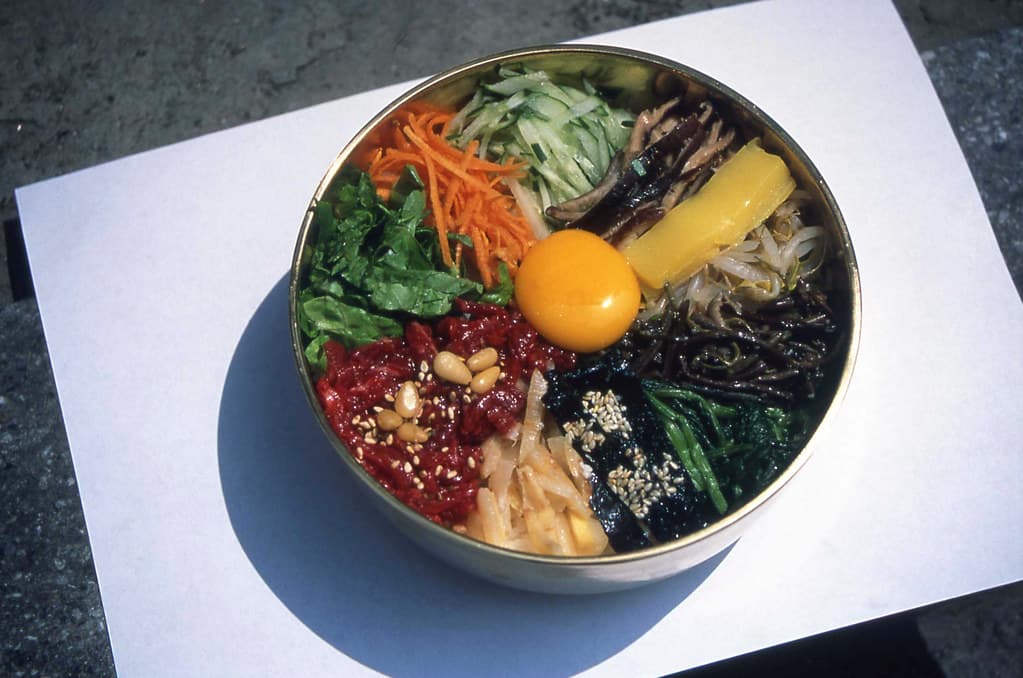
1960s-present - Korean immigrants and Korean American restaurant cooks
Bibimbap is a Korean classic with several origin stories, from palace meals to farmers mixing available vegetables. In the United States it became a Korean American restaurant and home-cooking staple because the format is flexible, colorful, and practical.
Community-powered photos. Reviewers can upload dish photos, and the highest-rated community image may be featured here.
Difficulty
Moderate
Prep time
45 minutes
Cook time
30 minutes
Total time
1 hour 15 minutes
Servings
4 servings
Region
Korean American communities
Era introduced
1960s-present
Introduced by
Korean immigrants and Korean American restaurant cooks
Recipe tools
Log in to save this recipe to a collection.
Bibimbap means mixed rice, and its strength is flexibility. Korean cooks have long used rice, seasoned vegetables, meat or egg, and sauce in practical combinations shaped by region, season, and occasion. Korean immigrants and Korean American restaurants helped make bibimbap familiar in the United States, often in the Jeonju-inspired form with neatly arranged toppings and a fried egg. The essential act remains the same: add gochujang sauce, mix, and eat.
Share family changes, regional twists, or pantry-friendly adaptations as full community recipes.
Log in to submit a community recipe.
No community recipes yet. Submitted recipes are published right away.
Rate this recipe and share how it worked at your table.
Log in to review this recipe.
No reviews yet. Be the first to rate this recipe.
Recipes matched by era, region, occasion, ingredients, and cultural roots from the archive.
Same era
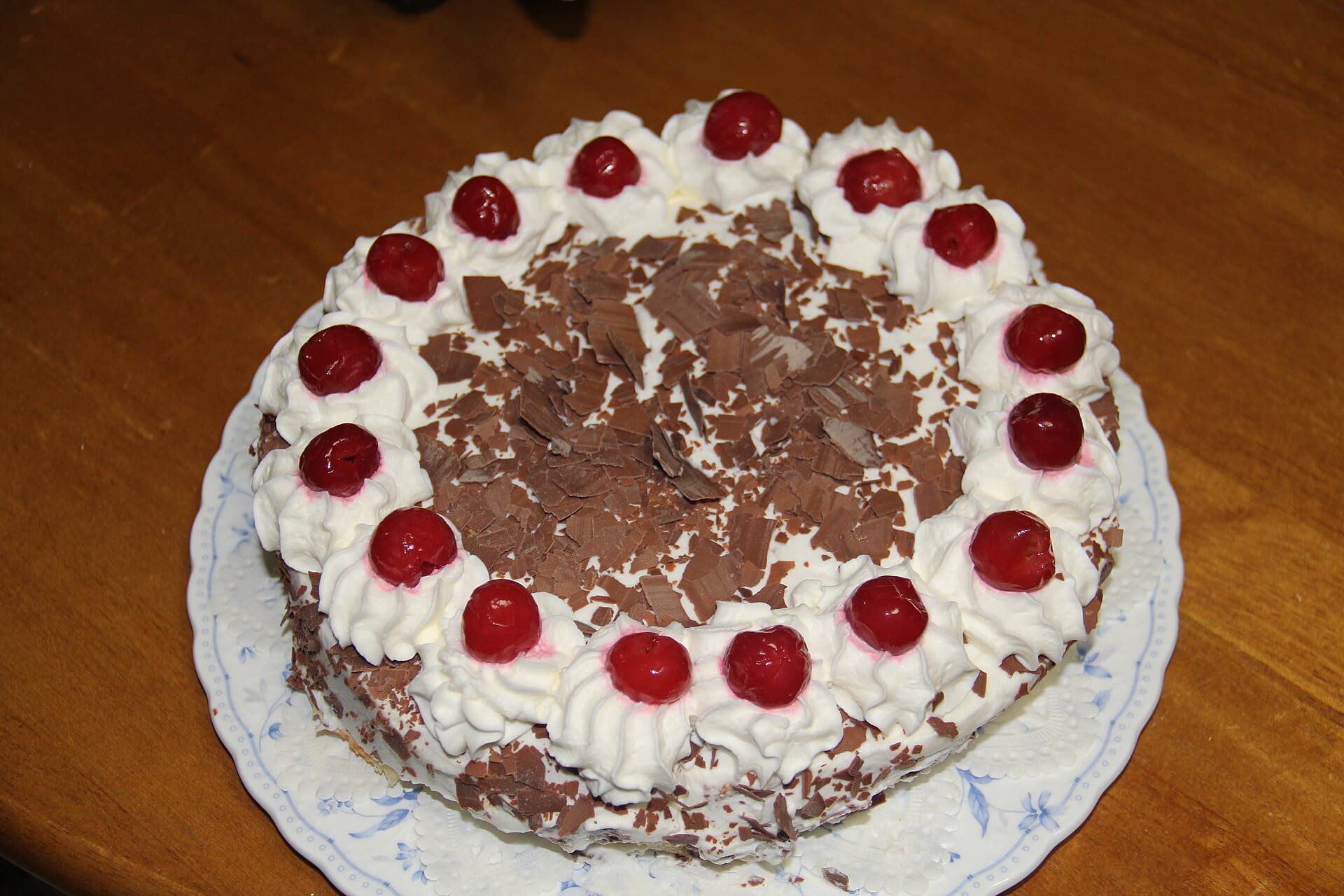
1960-2026
Black Forest cake, or Schwarzwalder Kirschtorte, came from German pastry traditions and became popular in the United States in the mid-20th century. American versions often soften the kirsch element but keep chocolate, cherries, and whipped cream.
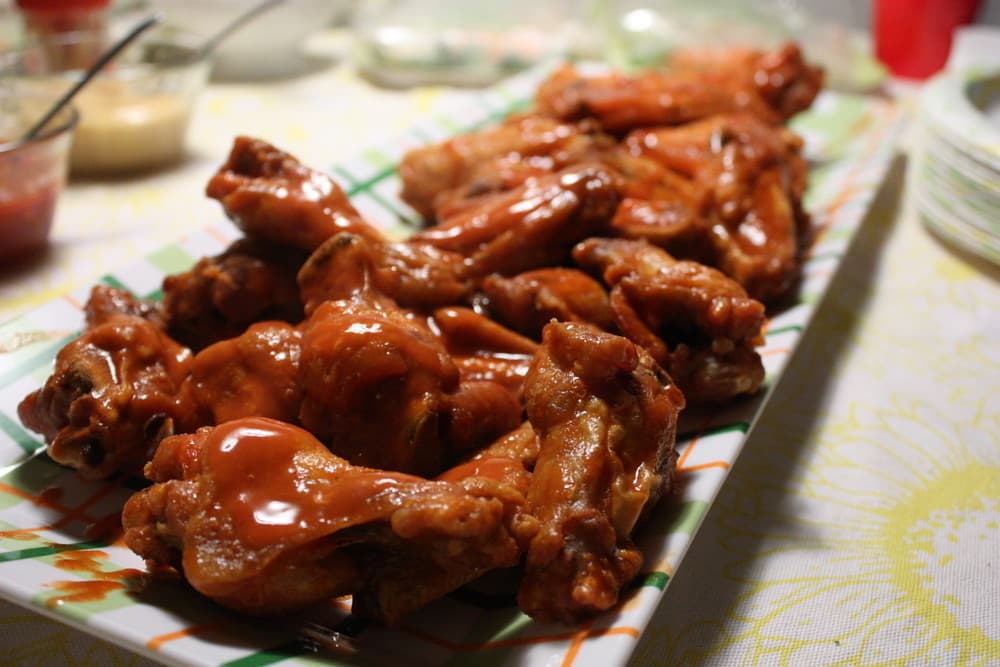
1964-2026
Buffalo wings became a national American bar-food icon after their rise in Buffalo, New York, especially through Anchor Bar lore around Teressa Bellissimo in 1964. Other Buffalo cooks also shaped local wing culture, but the hot-sauce-and-butter wing became the template.
America's Melting Pot
California Roll photo coming soon
1960-2026
The California roll helped make sushi approachable for many American diners by putting rice on the outside and using familiar cooked crab, avocado, and cucumber. Its origin is contested between Los Angeles and Vancouver claims, but its influence on American sushi is clear.
Same region
America's Melting Pot
Acorn Bread photo coming soon
1800-1860
A nutty, lightly sweet quick bread made with properly leached acorn flour, cornmeal, and wheat flour.
America's Melting Pot
Air Fryer Brussels Sprouts photo coming soon
2010s-present
Trimmed Brussels sprouts air-fried with a little oil until crisp at the edges and tender in the center.
America's Melting Pot
Air Fryer Chicken Tenders photo coming soon
2010s-present
Chicken tenderloins coated in seasoned crumbs and air-fried until crisp, juicy, and safely cooked to 165 degrees F.
Same table
America's Melting Pot
Chicken and Rice Casserole photo coming soon
1941-2026
A comforting chicken and rice casserole made with uncooked rice, chicken pieces, condensed cream soup, broth, and a simple baked finish.
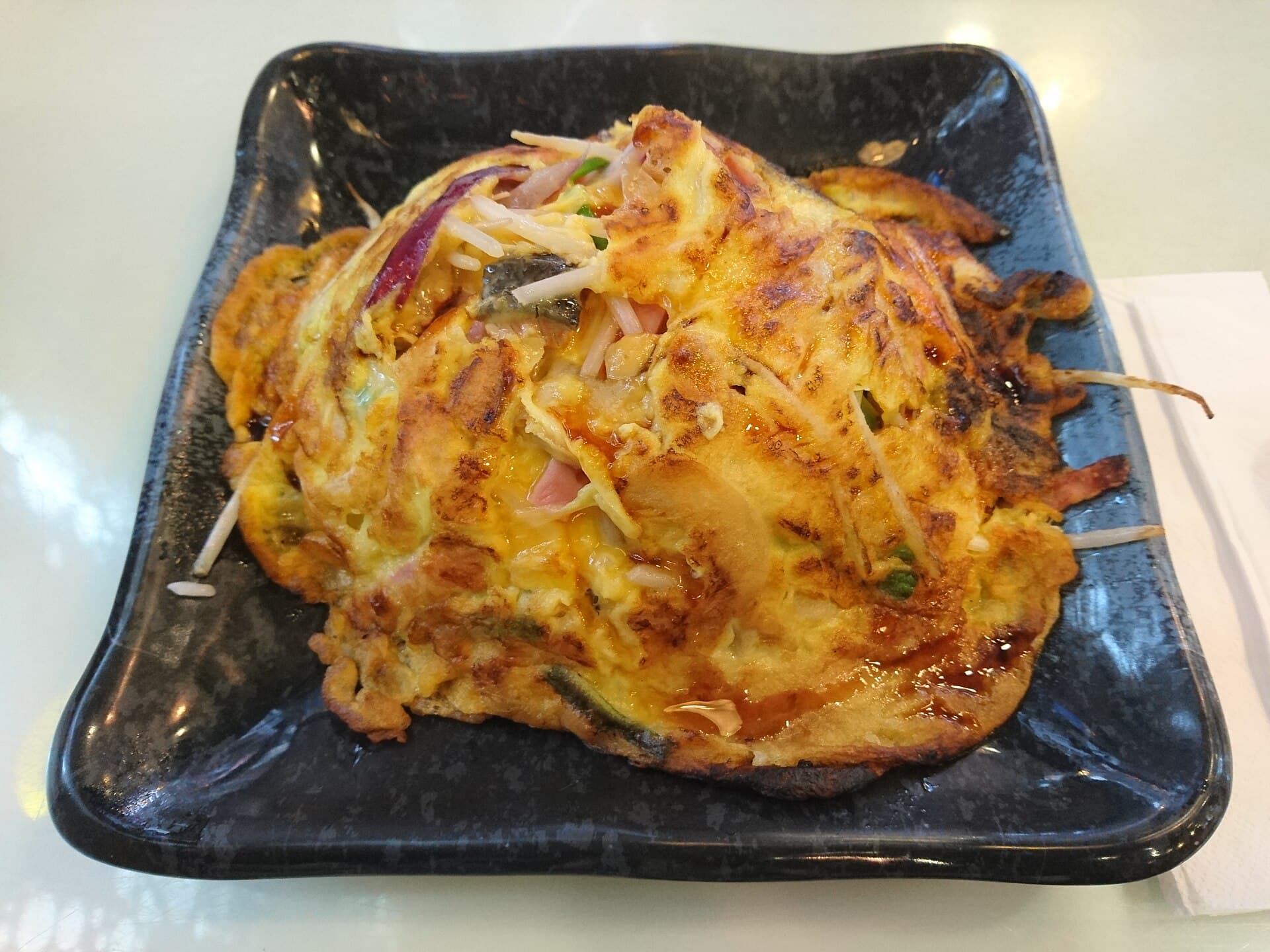
1860s-present
Egg Foo Young is a omelette dish with roots in Chinese-American cuisine, featuring beaten eggs mixed with vegetables, meats, or seafood, then fried and topped with a savory brown gravy. Adapted by Chinese immigrants for American tastes, it has become a diner and lunch counter favorite.
America's Melting Pot
Broccoli Rice Casserole photo coming soon
1950-2026
Broccoli rice casserole is a classic convenience-era side dish. Frozen broccoli, quick rice, condensed soup, and processed cheese made it easy for home cooks to put a green vegetable, starch, and creamy sauce into one holiday or potluck pan.