
Recipe archive
Loading
Setting the table...
Fetching the latest recipes from the archive.
Loading
Fetching the latest recipes from the archive.
Recipe archive
America's Melting Pot
Canned Corned Beef Hash hero image coming soon
1910s-present - Military ration planners, diner cooks, and home cooks using shelf-stable corned beef hash
Canned corned beef hash moved through military rations, Depression-era thrift, and diner breakfasts because it was shelf-stable, filling, and quick. The key home technique is simple: spread it in a hot skillet and let it brown before turning.
No featured photo yet. Upload a photo with your review. The highest-rated community photo may become this recipe's hero image.
Difficulty
Easy
Prep time
2 minutes
Cook time
15 minutes
Total time
17 minutes
Servings
2 to 3 servings
Region
United States military, diners, and home kitchens
Era introduced
1910s-present
Introduced by
Military ration planners, diner cooks, and home cooks using shelf-stable corned beef hash
Recipe tools
Log in to save this recipe to a collection.
Hash has older roots as a way to chop and fry leftover meat and potatoes, but canned corned beef hash gave the dish a shelf-stable 20th-century life. It appeared in military and field-ration contexts and became a common grocery-store breakfast can. Good canned hash needs patience: the crust forms only when the cook stops stirring.
Share family changes, regional twists, or pantry-friendly adaptations as full community recipes.
Log in to submit a community recipe.
No community recipes yet. Submitted recipes are published right away.
Rate this recipe and share how it worked at your table.
Log in to review this recipe.
No reviews yet. Be the first to rate this recipe.
Recipes matched by era, region, occasion, ingredients, and cultural roots from the archive.
Same era
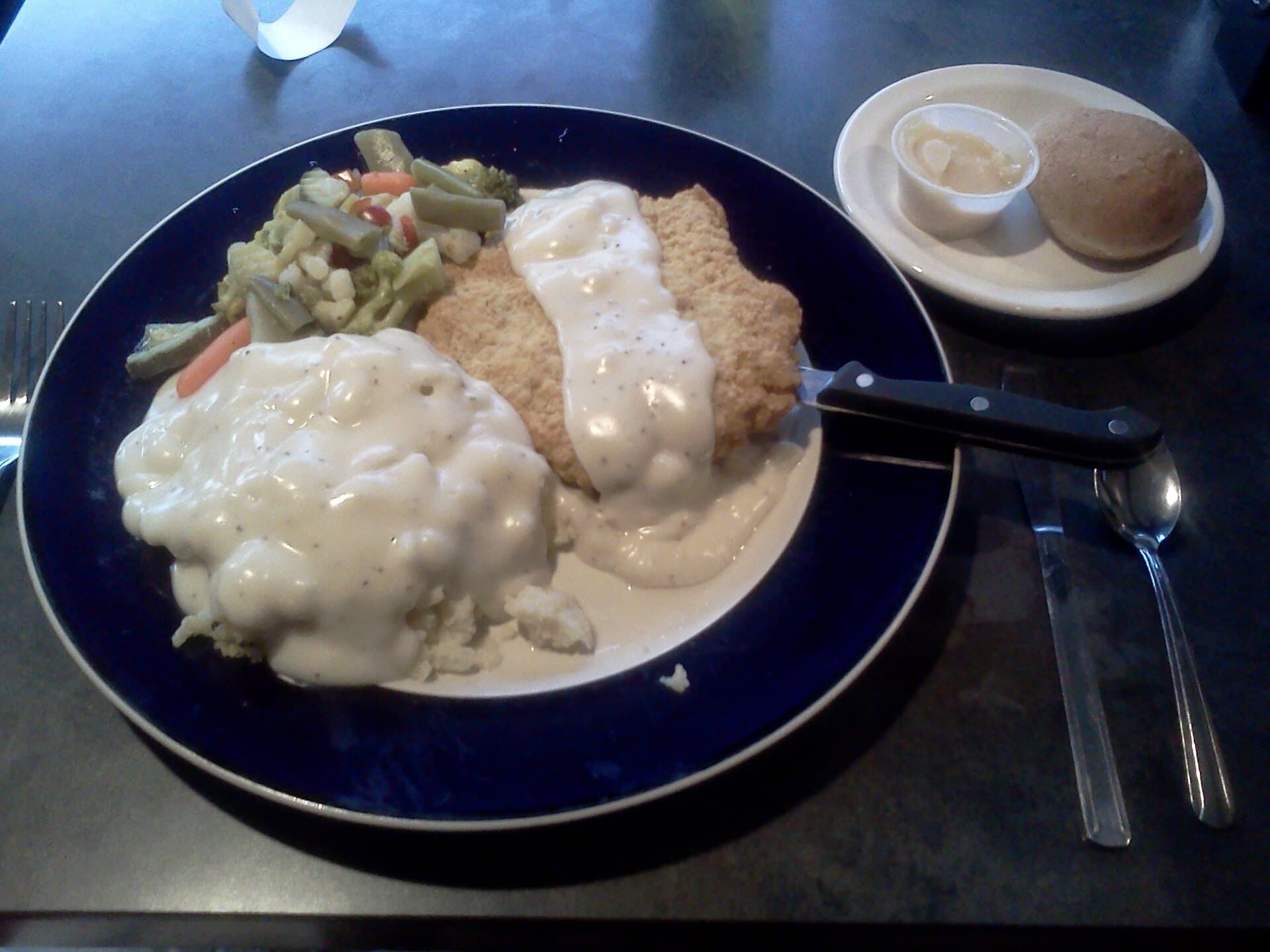
1910-2026
The blue plate special became shorthand for the everyday American diner meal: filling, inexpensive, and quick to order. The phrase was common by the 1920s and 1930s, tied to lunch counters, railroad restaurants, and diners serving one daily set plate.
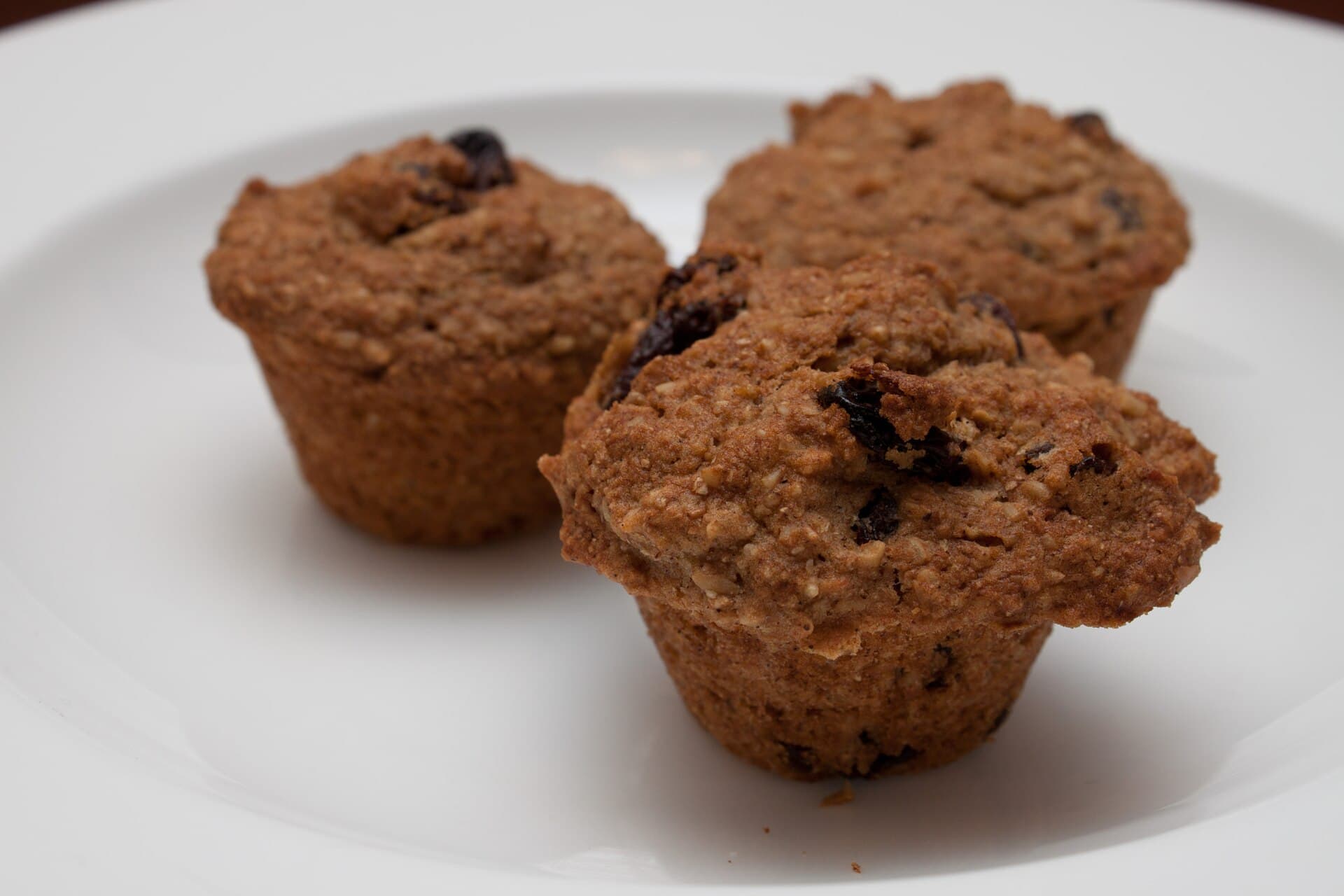
1916-2026
Bran muffins became part of American breakfast culture through cereal marketing, home economics, and recurring waves of interest in fiber and wholesome baking. They can be plain and practical or sweetened with raisins, molasses, honey, or brown sugar.
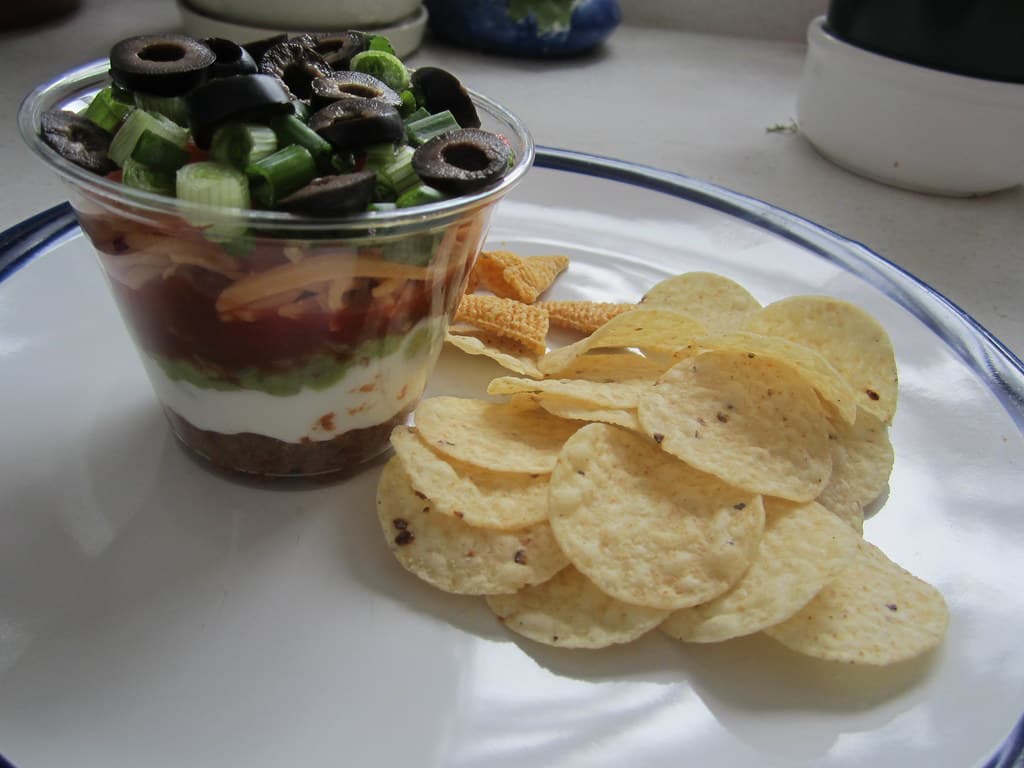
1900s-present
7-Layer Dip is a party dip with real American table personality: Tex-Mex party dish. It brings flavor from Texas and the Southwest to cookouts, counters, lunch plates, potlucks, and weeknight suppers.
Same region
America's Melting Pot
Army Bean Soup photo coming soon
1861-1900
A hearty military-style bean soup built on navy beans, smoked ham hock, onion, celery, carrot, and bay leaf, adapted for a home pot from large-batch service traditions.
America's Melting Pot
Coffee by the Gallon photo coming soon
1917-1945
Coffee by the gallon was a practical preparation method used in military mess halls during the Great Depression and World War II to provide troops with consistent coffee servings. Brewed strong and in massive batches, this coffee kept soldiers energized and connected through shared routine.
America's Melting Pot
Field Biscuits photo coming soon
1917-1945
Field Biscuits are basic, hearty biscuits commonly prepared for military meals and mess halls during the Great Depression and World War II. They exemplify economical baking with minimal ingredients designed for mass production and nourishment.
Same table
America's Melting Pot
Biscuits with Molasses photo coming soon
1800-2026
Biscuits with molasses are less a formal recipe than a habit of American farm and Southern tables: make simple biscuits, split them hot, and drizzle on a dark sweetener that was cheaper and more available than refined treats.
America's Melting Pot
Western Omelet photo coming soon
1900s-present
The Western Omelet is a filling breakfast dish combining eggs, diced ham, onions, and bell peppers, widely enjoyed across the United States for a robust start to the day. Its origins tie to American diner culture and homestyle cooking traditions.
America's Melting Pot
Cabbage and Noodles photo coming soon
1900-2026
Cabbage and noodles is Depression-friendly comfort food with Central and Eastern European roots. In American Polish, Slovak, Czech, Hungarian, and Appalachian communities, buttered cabbage and noodles became a cheap dish that could feed many people.