
Recipe archive
Loading
Setting the table...
Fetching the latest recipes from the archive.
Loading
Fetching the latest recipes from the archive.
Recipe archive
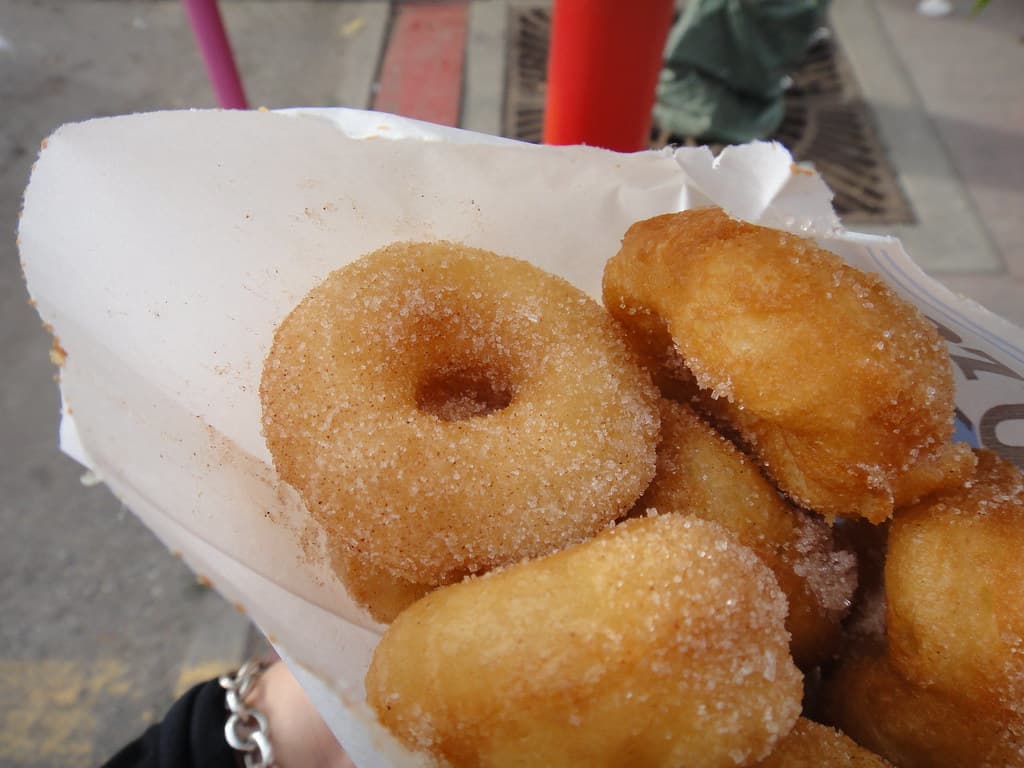
1776-1800 - State fair vendors and urban lunch counters in American immigrant cities
Mini donuts are tiny, fried doughnuts commonly enjoyed at American state fairs, carnivals, and diners during the early 20th century. Their small size made them a convenient treat for fairgoers and lunch counter patrons. This recipe captures the simplicity and nostalgic appeal of these sweet bites, featuring a light dough fried to golden perfection and lightly dusted with cinnamon sugar.
Community-powered photos. Reviewers can upload dish photos, and the highest-rated community image may be featured here.
Difficulty
Easy
Prep time
15 minutes
Cook time
5 minutes
Total time
20 minutes
Servings
6 servings (about 36 mini donuts)
Region
Dutch New York and New Netherland kitchens
Era introduced
1776-1800
Introduced by
State fair vendors and urban lunch counters in American immigrant cities
Recipe tools
Log in to save this recipe to a collection.
Mini donuts date back to the early 1900s when state fairs, carnivals, and urban diners popularized bite-sized fried treats that satisfied crowds looking for quick and affordable sweets. These small, cinnamon-sugar coated donuts reflected the influence of immigrant baking traditions adapted to American tastes. Their popularity grew with the rise of mobile food vendors and lunch counters in immigrant cities, offering a nostalgic, warm treat. They remain a symbol of fun and convivial gatherings at fairs and local eateries across the United States.
Share family changes, regional twists, or pantry-friendly adaptations as full community recipes.
Log in to submit a community recipe.
No community recipes yet. Submitted recipes are published right away.
Rate this recipe and share how it worked at your table.
Log in to review this recipe.
No reviews yet. Be the first to rate this recipe.
Recipes matched by era, region, occasion, ingredients, and cultural roots from the archive.
Same era
America's Melting Pot
Deviled Egg Filling photo coming soon
1700s-present
Deviled Egg Filling is a spread with real American table personality: Not exactly a sauce, but a condiment-like American picnic food. It brings flavor from coast-to-coast American tables to cookouts, counters, lunch plates, potlucks, and weeknight suppers.
1700s-1800s
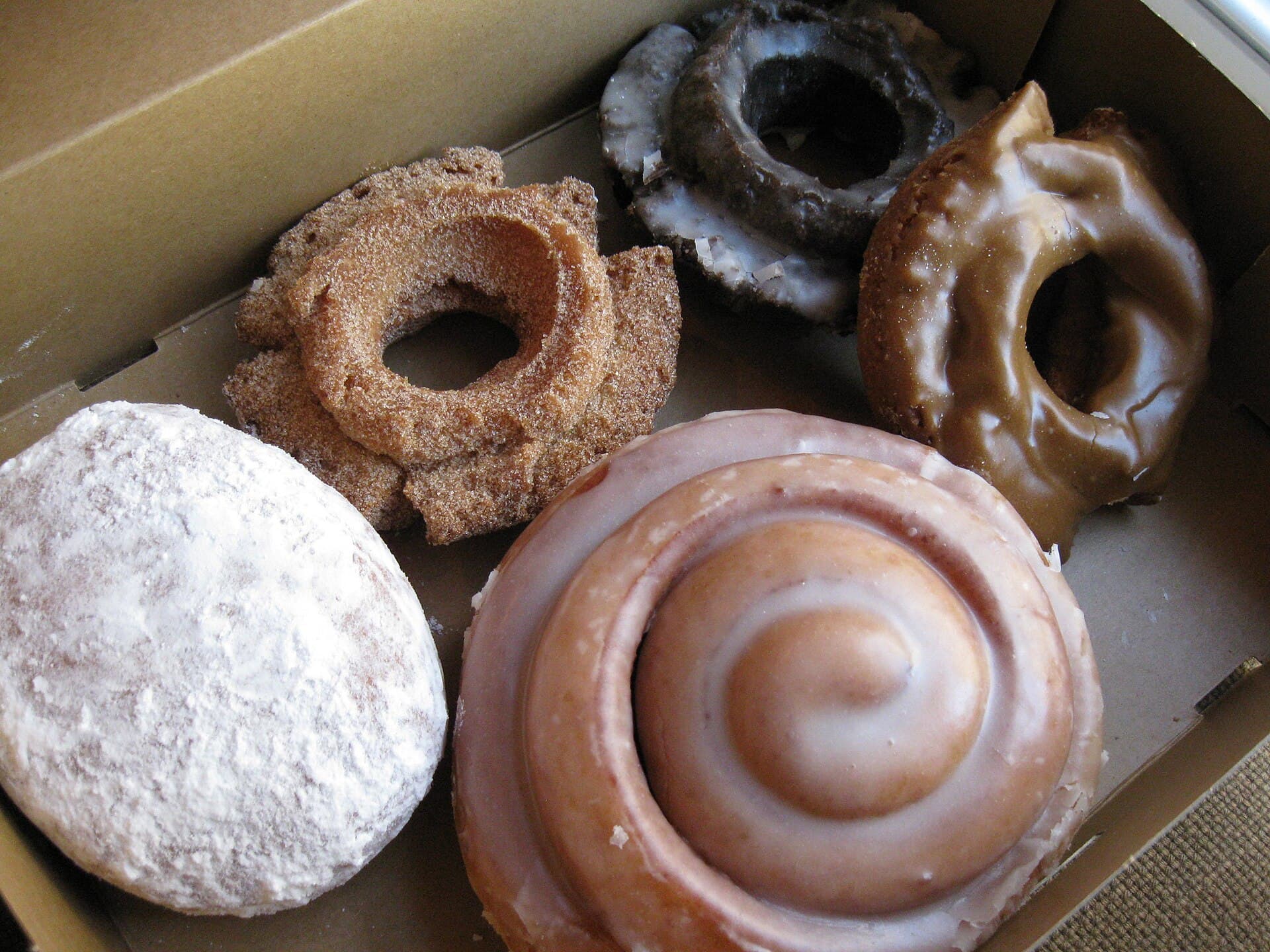
Doughnuts are a beloved American breakfast and snack originating from various immigrant influences, consisting of fried dough rings or balls coated in sugar or glaze. The recipe has evolved over centuries and become a cross-era staple with numerous regional variations.
1700s-present
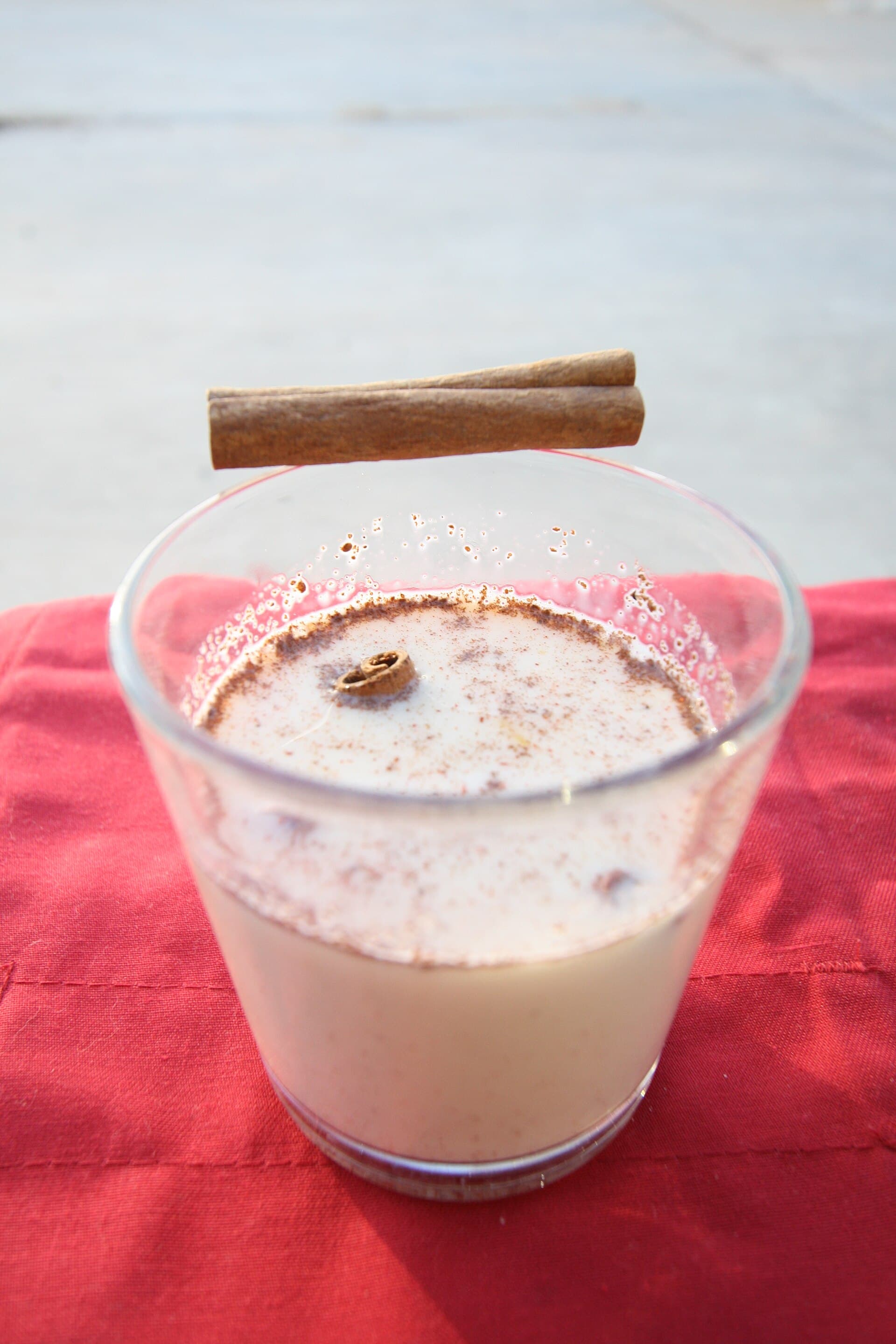
Eggnog is a rich, creamy holiday beverage made from milk or cream, beaten eggs, sugar, and often spiked with spirits such as brandy or rum. Served chilled, it is a festive treat deeply associated with Christmas celebrations across the United States, with colonial roots.
Same region
1700s-1800s
Doughnuts are a beloved American breakfast and snack originating from various immigrant influences, consisting of fried dough rings or balls coated in sugar or glaze. The recipe has evolved over centuries and become a cross-era staple with numerous regional variations.
1960s-present
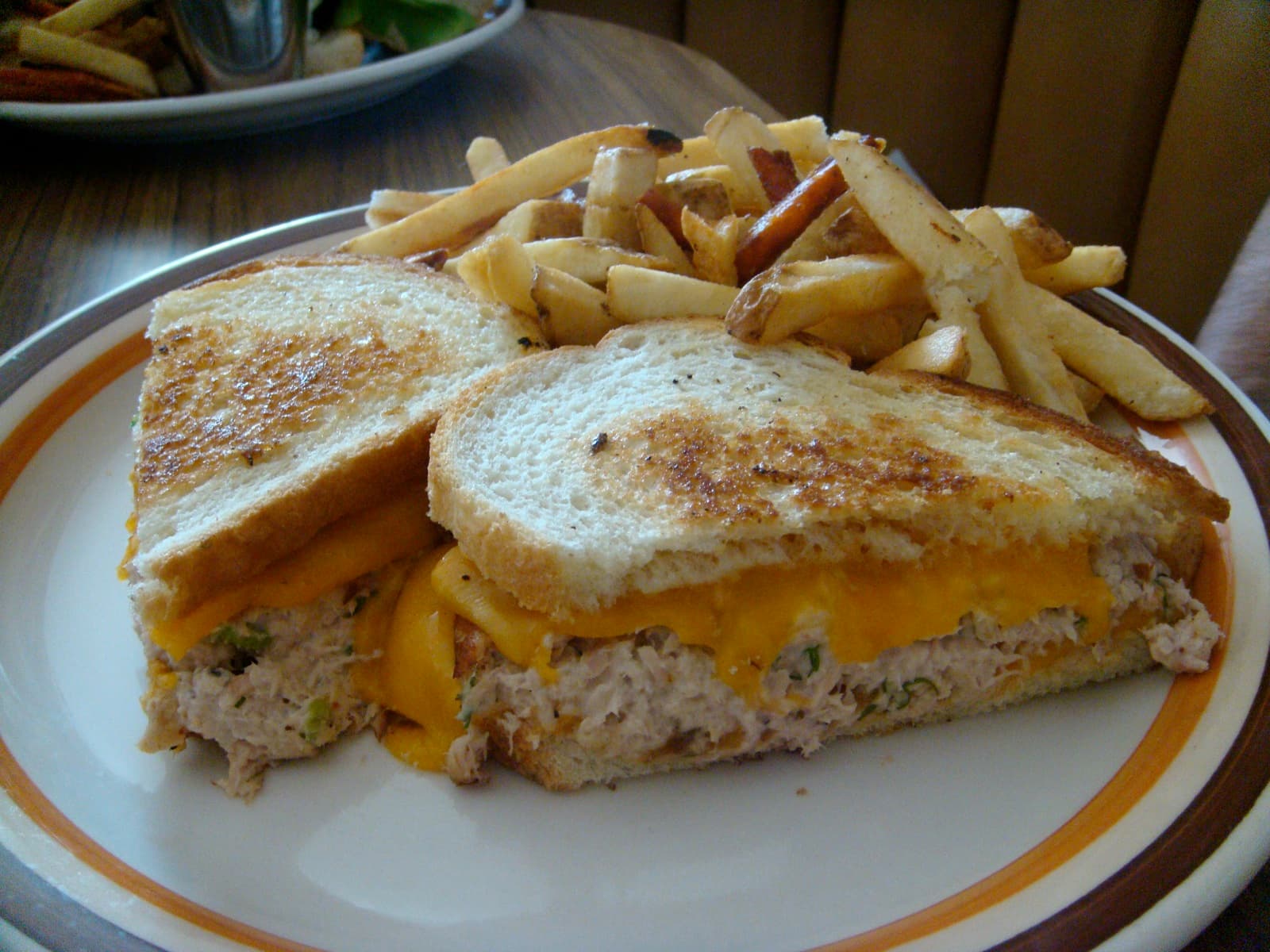
The tuna melt combines tuna salad and melted cheese between toasted bread slices, a staple at American diners and lunch counters in the early 20th century. Its warm, hearty appeal made it a popular comfort food across immigrant city neighborhoods and state fairs.
America's Melting Pot
Acorn Bread photo coming soon
1800-1860
A nutty, lightly sweet quick bread made with properly leached acorn flour, cornmeal, and wheat flour.
Same table
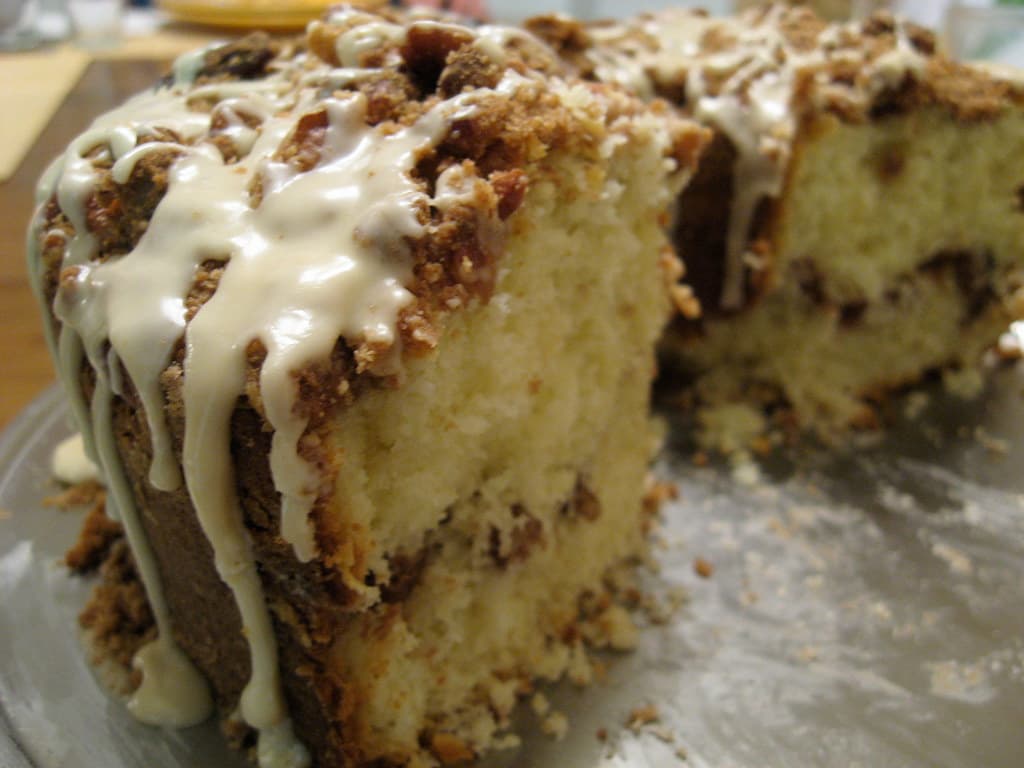
1800s-present
Coffee cake is a moist, sweet cake often topped with cinnamon sugar streusel, enjoyed in schools, churches, and diners during the early 1900s. This American breakfast favorite embodies community gathering traditions and immigrant influences melding into everyday comfort food.
America's Melting Pot
Elephant Ears photo coming soon
1900s-present
Elephant Ears are large, thin, fried dough pastries typically coated with cinnamon sugar or other sweet toppings. A favorite at state fairs and carnivals, they offer a crispy, warm, and indulgent treat enjoyed by American families since the early 20th century.
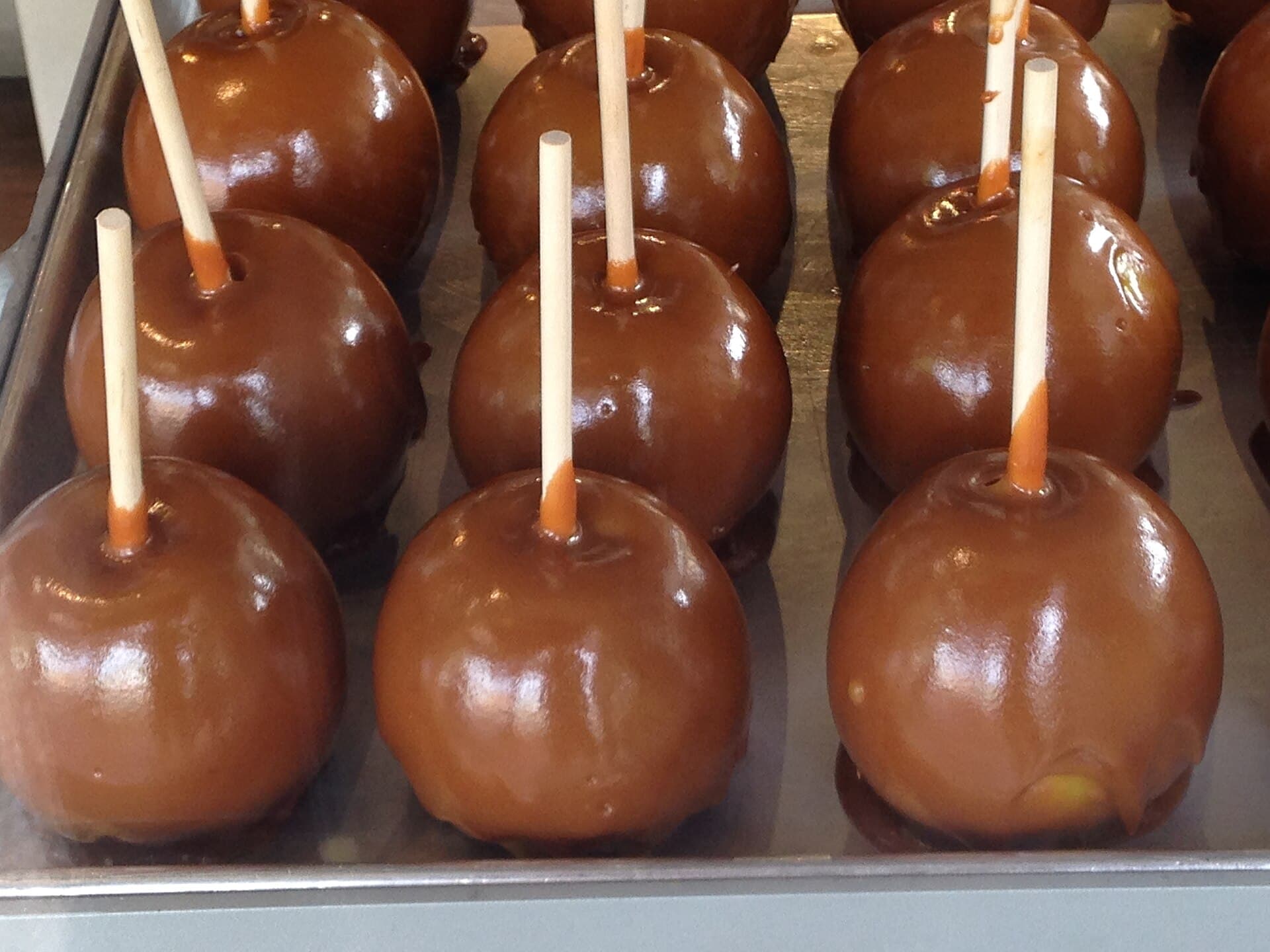
1950-2026
Caramel apples followed candy apples but became their own American fall tradition. Kraft employee Dan Walker is widely credited with developing the caramel apple in the 1950s while experimenting with leftover Halloween caramels.