
Recipe archive
Loading
Setting the table...
Fetching the latest recipes from the archive.
Loading
Fetching the latest recipes from the archive.
Recipe archive
America's Melting Pot
Caramel Rolls hero image coming soon
1920s-present - North Dakota and Upper Midwest bakers, cafe cooks, and church supper volunteers
Caramel rolls are a beloved North Dakota and Upper Midwest bakery, church, and cafe treat. They resemble cinnamon rolls or sticky buns, but the defining feature is a generous caramel sauce that bakes under the rolls and becomes the top after turning out.
No featured photo yet. Upload a photo with your review. The highest-rated community photo may become this recipe's hero image.
Difficulty
Moderate
Prep time
35 minutes plus rising
Cook time
30 minutes
Total time
1 hour 5 minutes plus rising
Servings
12 rolls
Region
North Dakota and the Upper Midwest
Era introduced
1920s-present
Introduced by
North Dakota and Upper Midwest bakers, cafe cooks, and church supper volunteers
Recipe tools
Log in to save this recipe to a collection.
In North Dakota, caramel rolls are identity food. They may be served at cafes, gas stations, church basements, community events, and family breakfasts. The roll itself is soft, but the real signature is the caramel: brown sugar, butter, and cream baked beneath the dough so the pan can be inverted into a glossy, sticky top.
Share family changes, regional twists, or pantry-friendly adaptations as full community recipes.
Log in to submit a community recipe.
No community recipes yet. Submitted recipes are published right away.
Rate this recipe and share how it worked at your table.
Log in to review this recipe.
No reviews yet. Be the first to rate this recipe.
Recipes matched by era, region, occasion, ingredients, and cultural roots from the archive.
Same era
America's Melting Pot
Alabama White Sauce Chicken photo coming soon
1920s-present
Grilled or smoked chicken served with Alabama white barbecue sauce, a mayonnaise-and-vinegar sauce associated with Big Bob Gibson Bar-B-Q in Decatur.
America's Melting Pot
BBQ Pulled Pork Sandwich photo coming soon
1920-2026
The pulled pork sandwich carries Southern barbecue into a portable form. Pork shoulder is cooked low and slow until it can be pulled apart, then served chopped or shredded on a bun. In Memphis and the Carolinas, slaw on the sandwich is part of the experience; elsewhere the sauce and smoke take the lead.
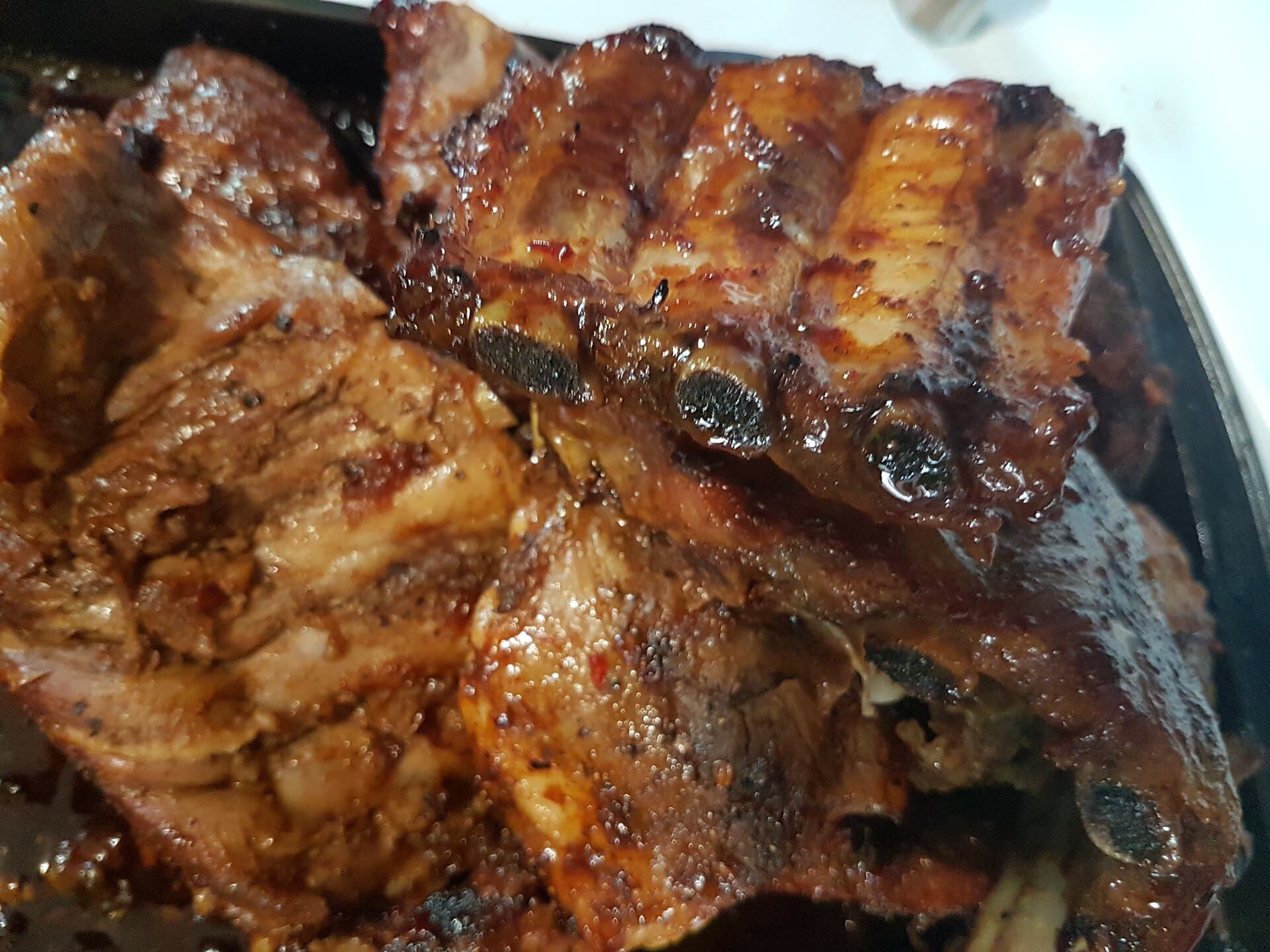
1920-2026
Modern barbecued ribs are newer than their old-fashioned reputation suggests. They rose with commercial meatpacking, refrigeration, barbecue stands, and postwar backyard grilling. Today ribs are a holiday and cookout centerpiece, especially when cooked gently and sauced near the end so the glaze sets instead of scorches.
Same region
America's Melting Pot
BBQ Beef Sandwiches photo coming soon
1970-2026
This sandwich turns pot roast into crowd food: cook beef until it pulls apart, simmer it in barbecue sauce, and serve it from a slow cooker or Dutch oven. It fits the late-20th-century world of booster clubs, church suppers, and game-day tables, where economical roasts could feed a line of hungry fans.
America's Melting Pot
Beef and Noodles photo coming soon
1861-1900
Beef and noodles is plainspoken comfort food: slow-cooked beef, rich broth, and egg noodles served as a main dish or over mashed potatoes. It fits the railroad, boardinghouse, and settlement table because it stretches a roast into a filling meal and reflects German and Amish noodle traditions carried into the Midwest and Great Plains.
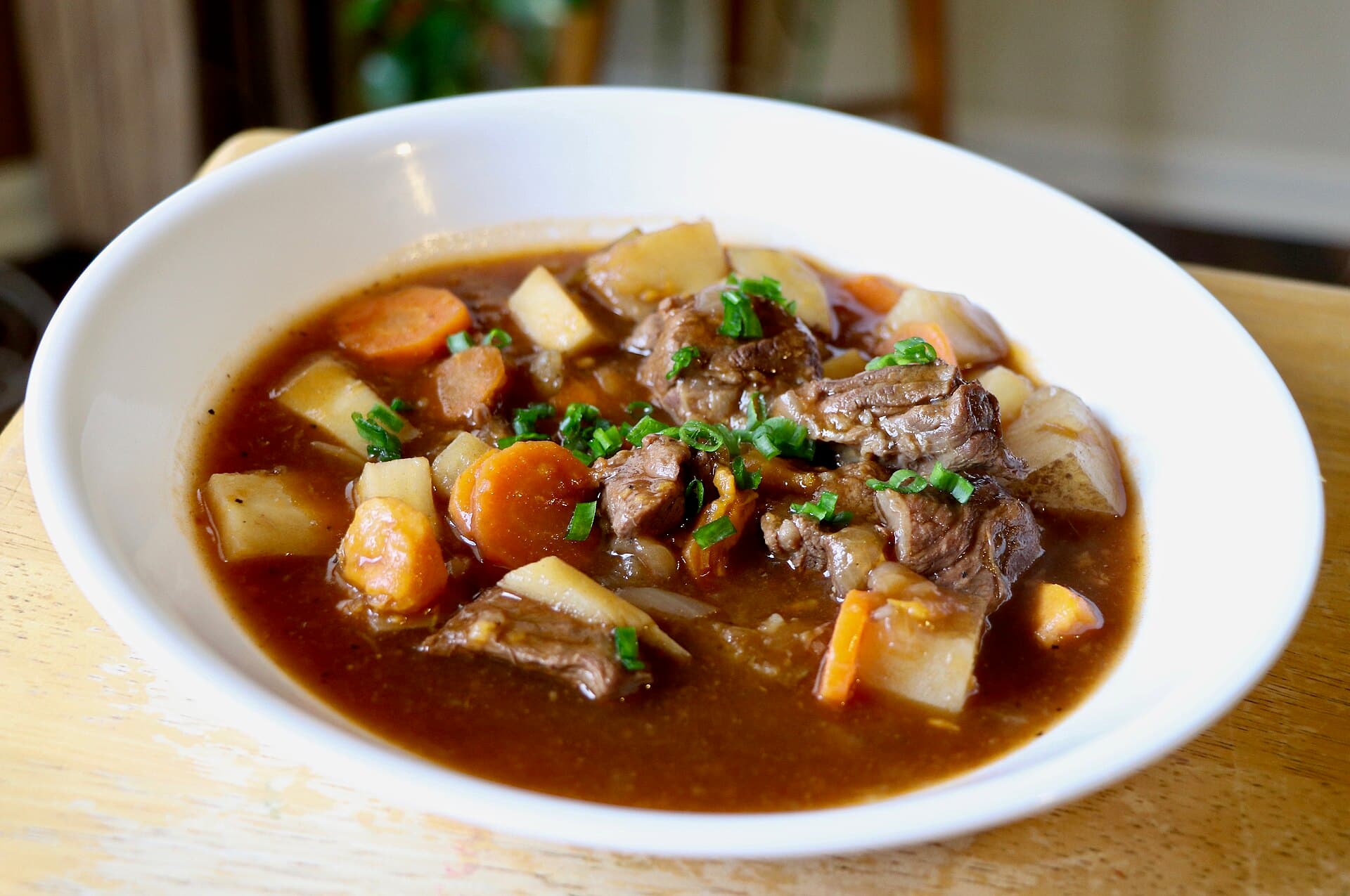
1800-2026
Beef stew is old-world pot cooking adapted to American beef country, boardinghouses, and family kitchens. Browning the meat, simmering it gently, and adding vegetables in stages turns inexpensive chuck into a cold-weather meal.
Same table
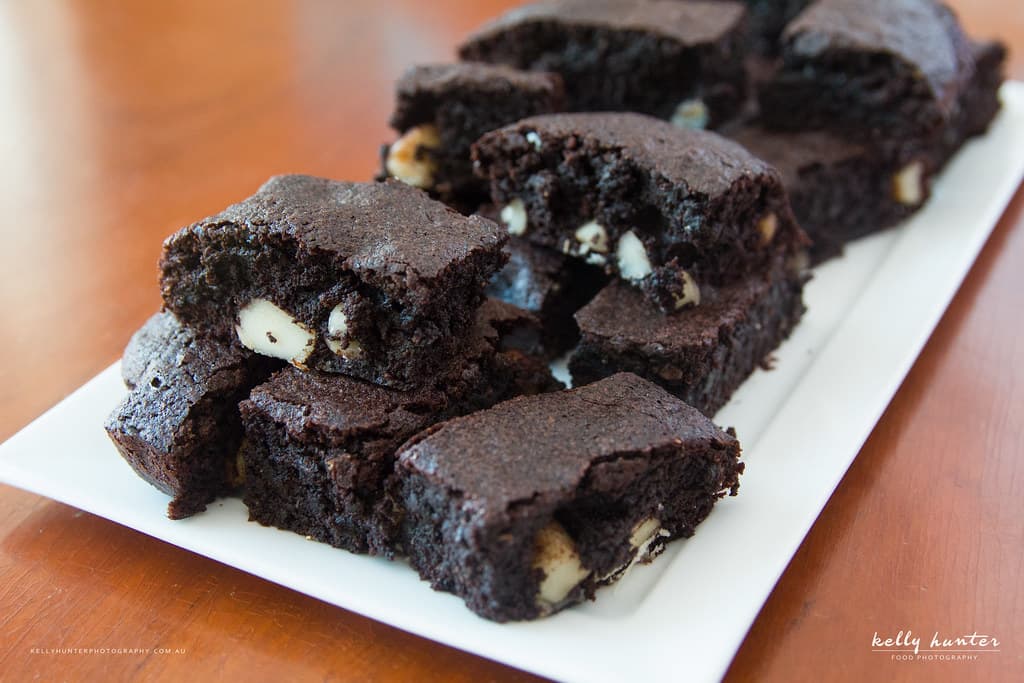
1893-2026
Brownies became an American classic at the meeting point of hotel pastry, home economics, and community baking. Chicago's Palmer House is tied to an early chocolate brownie in 1893, and Fannie Farmer helped standardize brownie recipes for home cooks soon after.
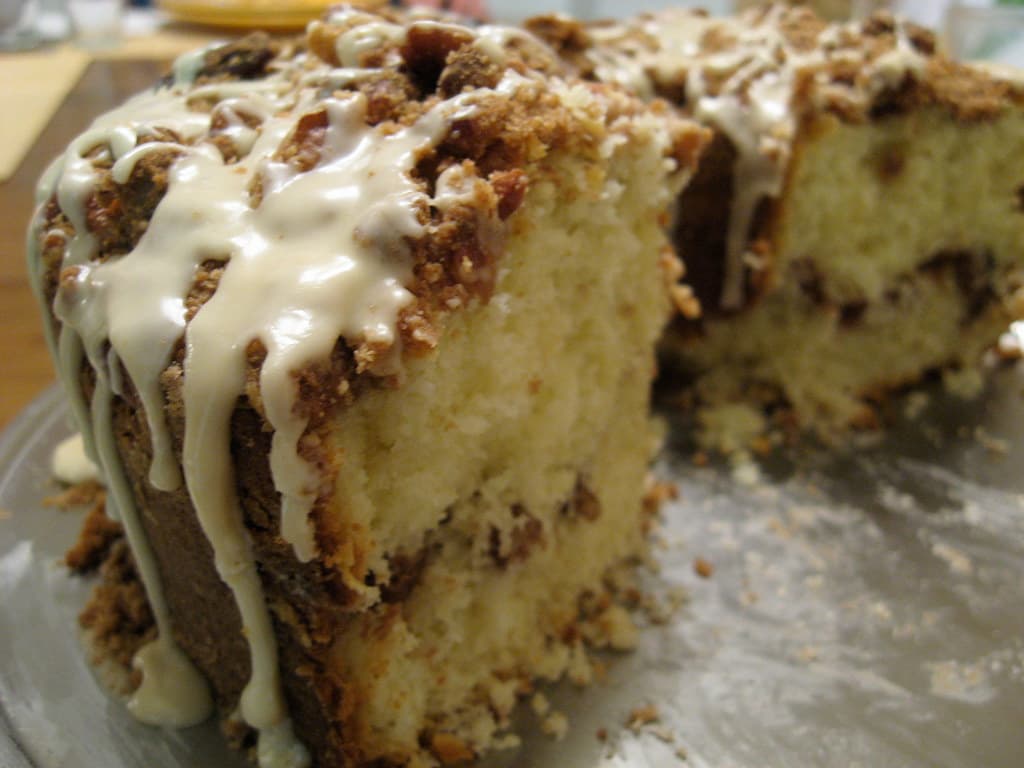
1800s-present
Coffee cake is a moist, sweet cake often topped with cinnamon sugar streusel, enjoyed in schools, churches, and diners during the early 1900s. This American breakfast favorite embodies community gathering traditions and immigrant influences melding into everyday comfort food.
1700s-present
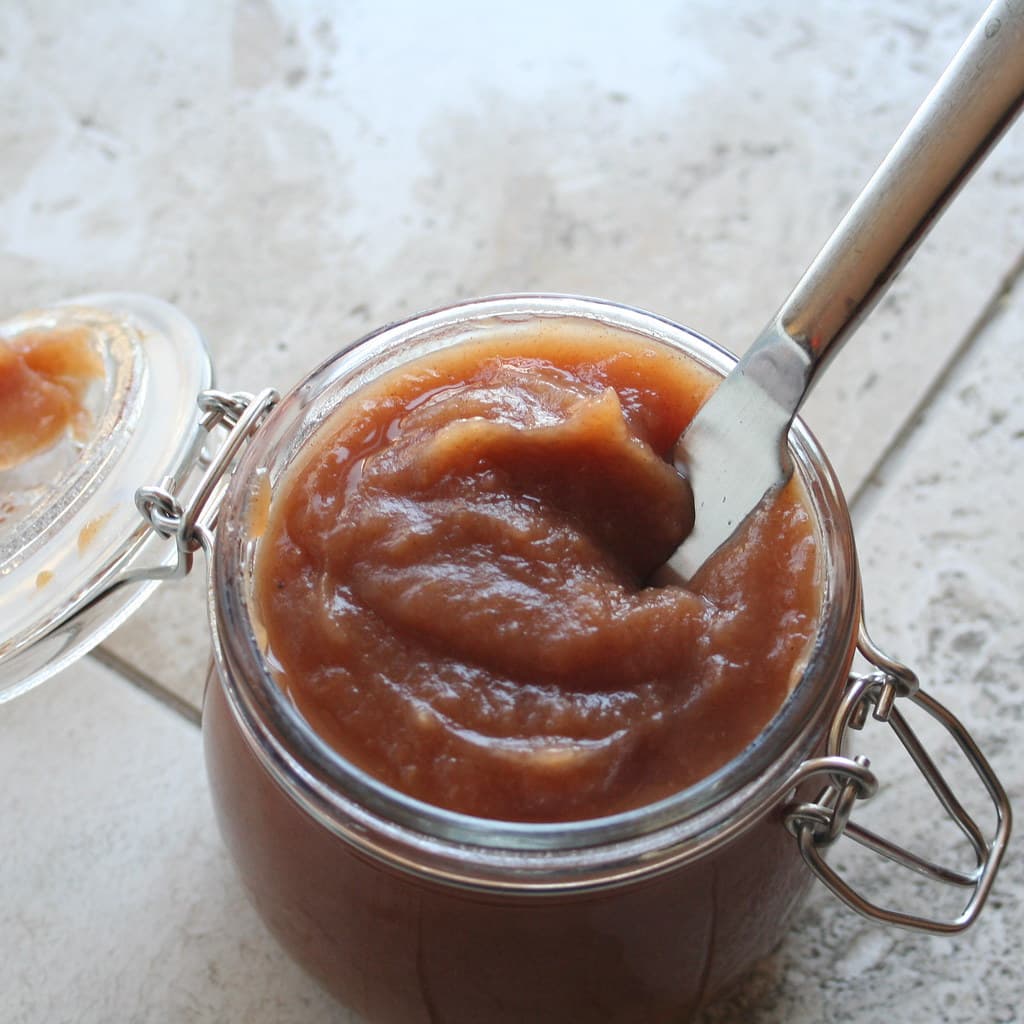
Apples cooked down with cider, sugar, and warm spices into a dark, spreadable fruit butter.