
Recipe archive
Loading
Setting the table...
Fetching the latest recipes from the archive.
Loading
Fetching the latest recipes from the archive.
Recipe archive
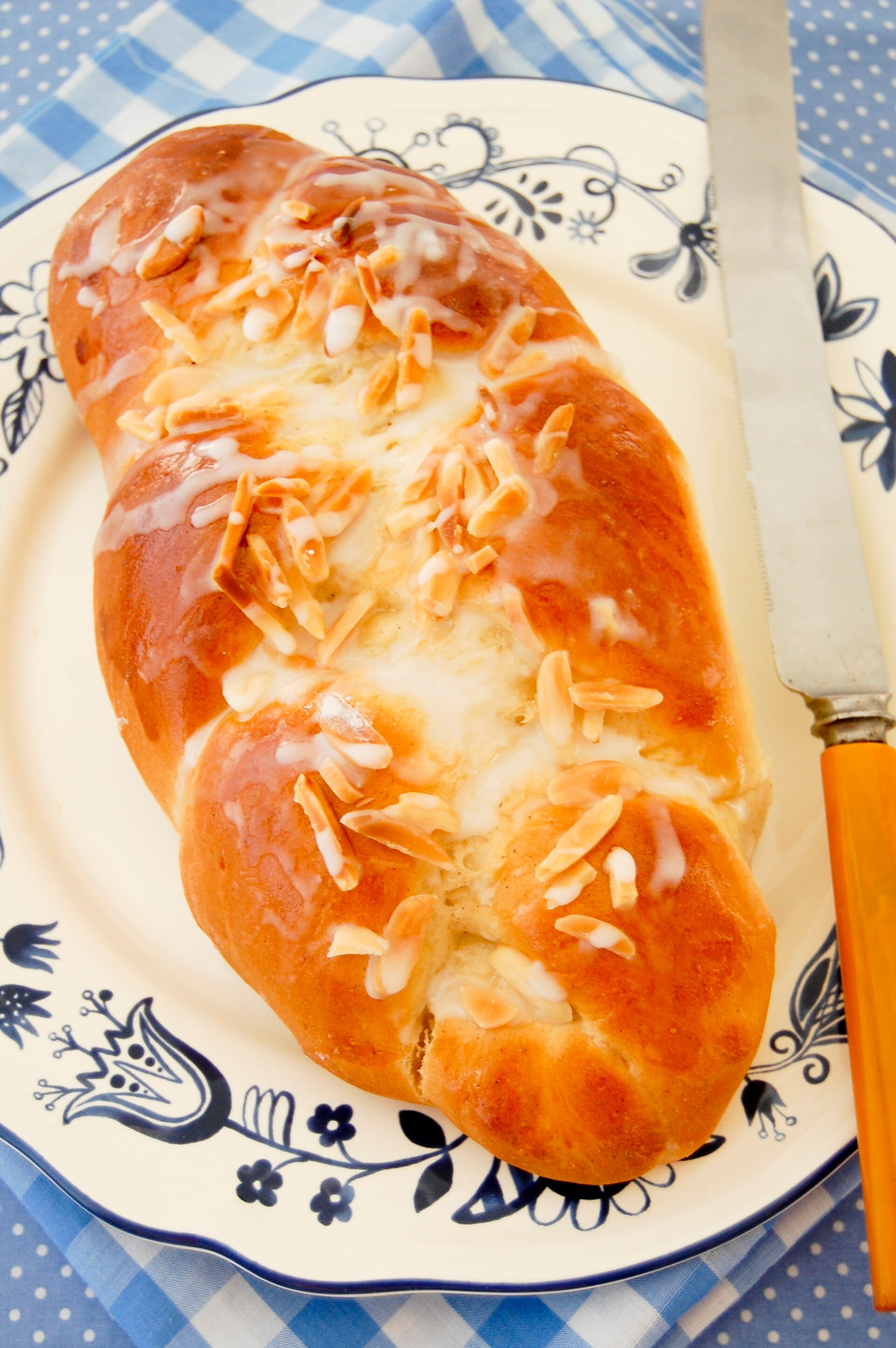
1800s-present - Finnish, Swedish, Norwegian, and Scandinavian American immigrant bakers
Cardamom bread came into Upper Midwest kitchens with Finnish, Swedish, Norwegian, and other Scandinavian immigrants. Finnish pulla and Swedish cardamom breads became coffee-table, holiday, and family celebration loaves in Scandinavian American communities.
Community-powered photos. Reviewers can upload dish photos, and the highest-rated community image may be featured here.
Difficulty
Moderate
Prep time
35 minutes plus rising
Cook time
30 minutes
Total time
1 hour 5 minutes plus rising
Servings
2 loaves
Region
Upper Midwest Scandinavian American communities
Era introduced
1800s-present
Introduced by
Finnish, Swedish, Norwegian, and Scandinavian American immigrant bakers
Recipe tools
Log in to save this recipe to a collection.
Cardamom bread announces itself before it reaches the table. The spice is warm and floral, and the enriched dough is usually braided into shiny loaves. Finnish American families may call it pulla or nisu; Swedish American families have their own cardamom coffee breads. In the United States, these loaves became part of church bazaars, Christmas tables, and afternoon coffee.
Share family changes, regional twists, or pantry-friendly adaptations as full community recipes.
Log in to submit a community recipe.
No community recipes yet. Submitted recipes are published right away.
Rate this recipe and share how it worked at your table.
Log in to review this recipe.
No reviews yet. Be the first to rate this recipe.
Recipes matched by era, region, occasion, ingredients, and cultural roots from the archive.
Same era
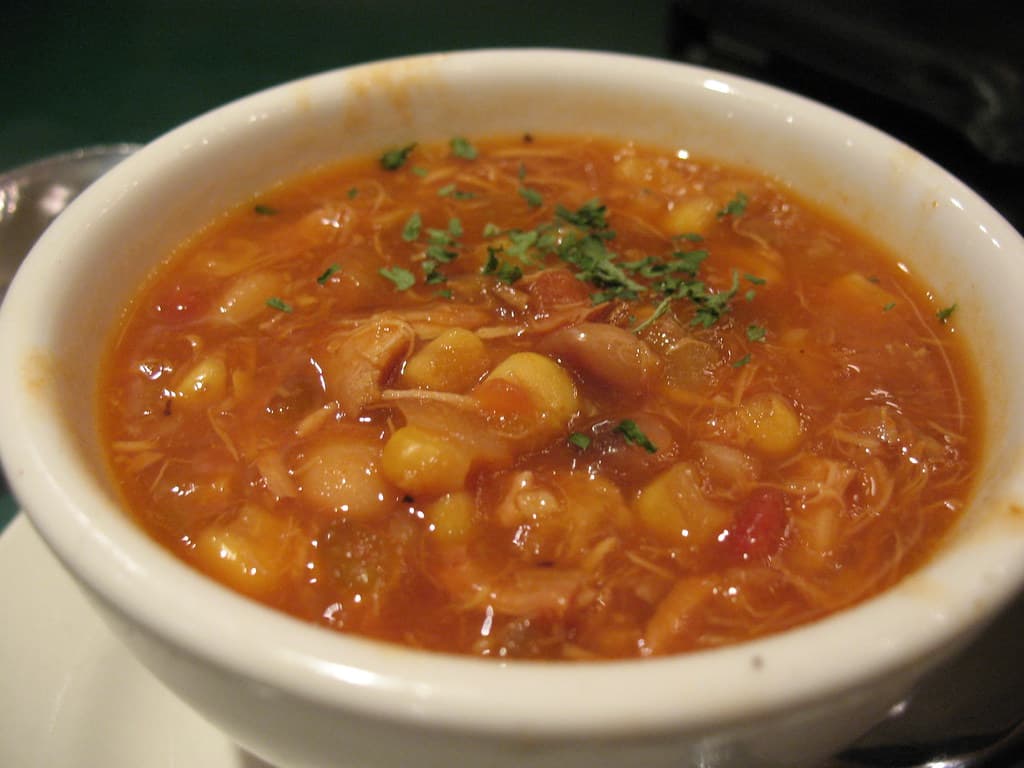
1828-2026
Brunswick stew has competing origin claims in Virginia and Georgia, and older roots in Southeastern stews that combined meat and corn. Modern versions are often linked to barbecue restaurants, church fundraisers, hunting camps, and community kettles.
America's Melting Pot
Canned Oyster Stew photo coming soon
1860-2026
Oyster stew has long been part of American coastal, holiday, and Lenten cooking. Canned oysters made the dish possible far from oyster beds and useful for military, railroad, boardinghouse, and pantry meals.
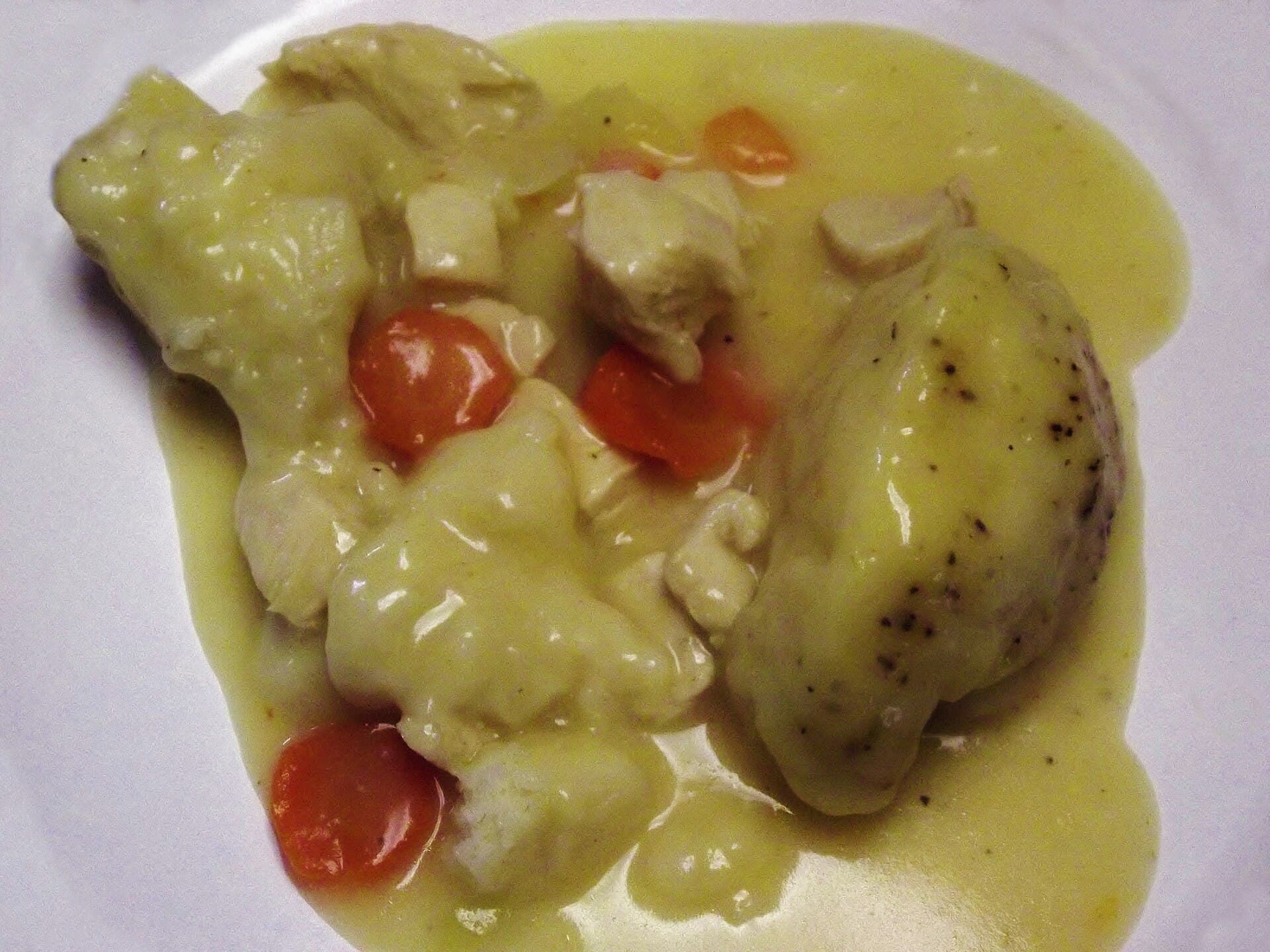
1879-2026
Tender chicken in rich broth with soft dumplings, finished as a thick, comforting Southern and Appalachian main dish.
Same region
America's Melting Pot
BBQ Beef Sandwiches photo coming soon
1970-2026
This sandwich turns pot roast into crowd food: cook beef until it pulls apart, simmer it in barbecue sauce, and serve it from a slow cooker or Dutch oven. It fits the late-20th-century world of booster clubs, church suppers, and game-day tables, where economical roasts could feed a line of hungry fans.
America's Melting Pot
Beef and Noodles photo coming soon
1861-1900
Beef and noodles is plainspoken comfort food: slow-cooked beef, rich broth, and egg noodles served as a main dish or over mashed potatoes. It fits the railroad, boardinghouse, and settlement table because it stretches a roast into a filling meal and reflects German and Amish noodle traditions carried into the Midwest and Great Plains.
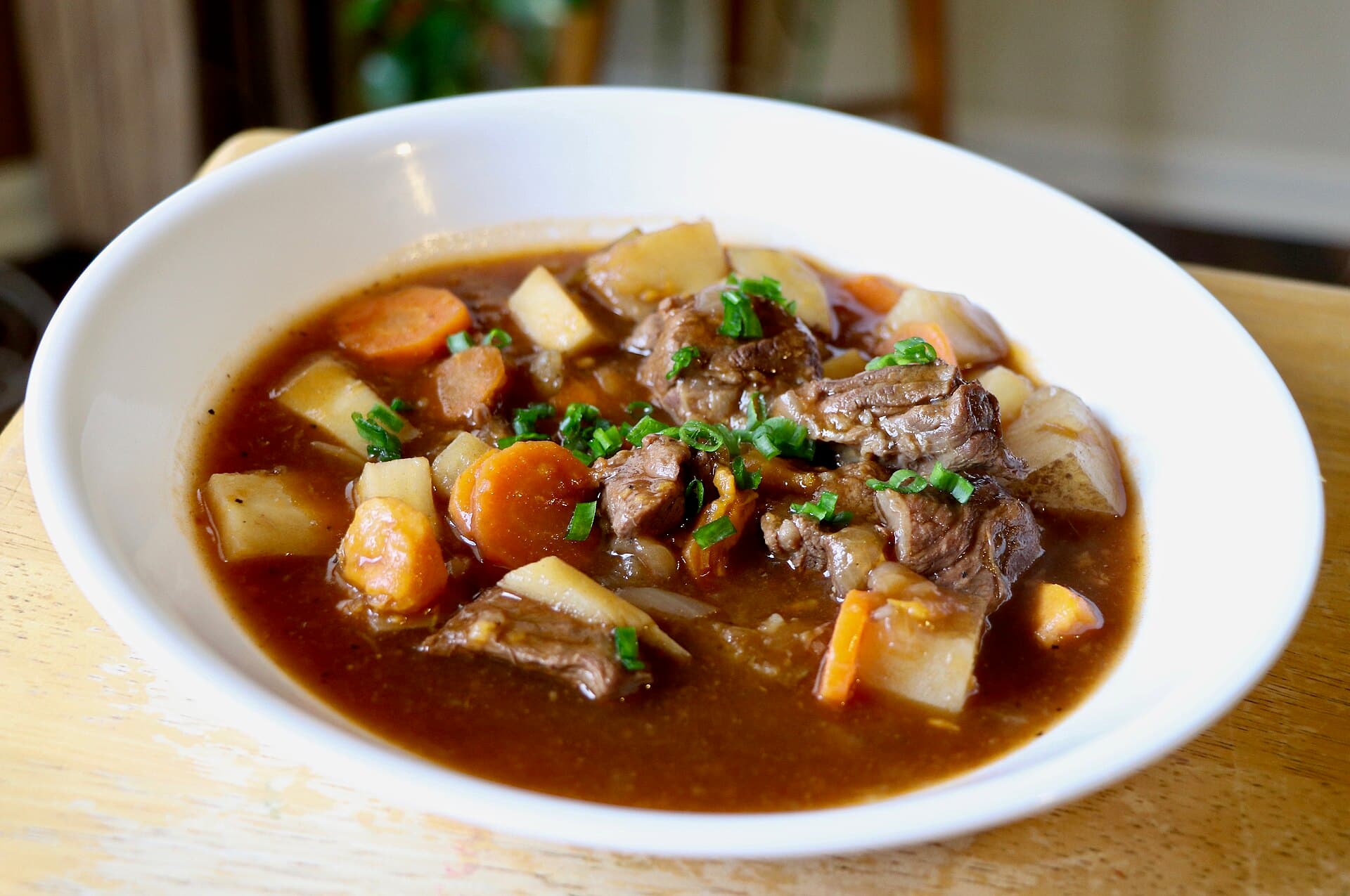
1800-2026
Beef stew is old-world pot cooking adapted to American beef country, boardinghouses, and family kitchens. Browning the meat, simmering it gently, and adding vegetables in stages turns inexpensive chuck into a cold-weather meal.
Same table
America's Melting Pot
Kringla photo coming soon
1861-1900
Kringla is a lightly sweet, buttery Scandinavian cookie shaped like a pretzel, traditionally associated with church and holiday celebrations in the Midwest. Norwegian immigrants brought this recipe during the 19th century, where it became part of Christmas and Easter gatherings, symbolizing cultural continuity in immigrant farming communities.
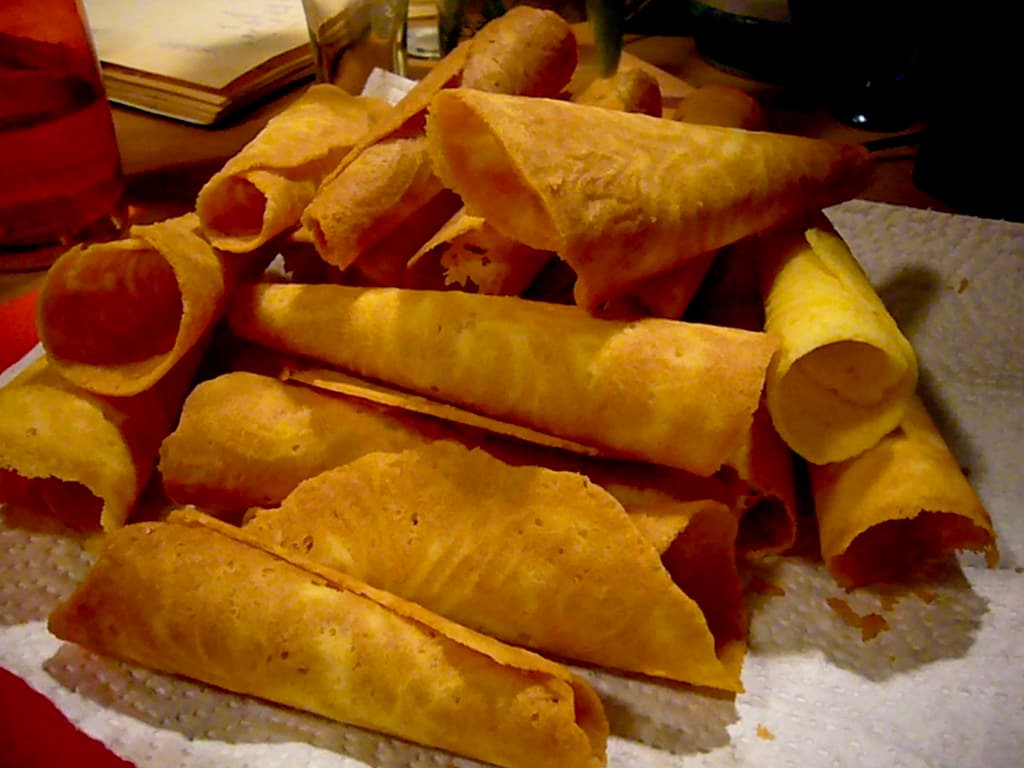
1861-1900
Krumkake are thin, crisp Norwegian waffle cookies rolled into cones, often filled with whipped cream or preserved fruit. Introduced by Scandinavian settlers to the Midwest in the late 19th century, krumkake became holiday staples for Christmas and family celebrations, highlighting continuity of heritage and festive customs.
America's Melting Pot
Election Cake photo coming soon
1770s-present
Election Cake is a rich, spiced yeast-leavened cake traditionally baked for political celebrations in colonial and early American history. It combines dried fruits, warm spices, and nuts, symbolizing communal festivity around elections and gatherings.