
Recipe archive
Loading
Setting the table...
Fetching the latest recipes from the archive.
Loading
Fetching the latest recipes from the archive.
Recipe archive
America's Melting Pot
Cheesecake Sampler hero image coming soon
1970s-present - Cheesecake Factory-style restaurant bakers, supermarket bakeries, and home bakers making multi-flavor party desserts
A four-flavor cheesecake sampler with one base cheesecake and sections topped with plain, strawberry, chocolate, and caramel-pecan finishes.
No featured photo yet. Upload a photo with your review. The highest-rated community photo may become this recipe's hero image.
Difficulty
Moderate
Prep time
35 minutes
Cook time
1 hour
Total time
7 hours 35 minutes including chilling
Servings
12 servings
Region
American family restaurants, bakeries, and supermarket freezer cases
Era introduced
1970s-present
Introduced by
Cheesecake Factory-style restaurant bakers, supermarket bakeries, and home bakers making multi-flavor party desserts
Recipe tools
Log in to save this recipe to a collection.
The cheesecake sampler belongs to the chain-restaurant and supermarket era, when diners wanted variety without ordering four whole desserts. The Cheesecake Factory made many-flavor cheesecake a national restaurant language after its Beverly Hills restaurant opened in 1978, while freezer-case samplers brought assorted slices home. This homemade version bakes one classic cheesecake and finishes sections with different toppings.
Share family changes, regional twists, or pantry-friendly adaptations as full community recipes.
Log in to submit a community recipe.
No community recipes yet. Submitted recipes are published right away.
Rate this recipe and share how it worked at your table.
Log in to review this recipe.
No reviews yet. Be the first to rate this recipe.
Recipes matched by era, region, occasion, ingredients, and cultural roots from the archive.
Same era
America's Melting Pot
Baked Potato Bar photo coming soon
1970-2026
Fluffy baked russet potatoes served with chili, cheese sauce, broccoli, bacon, sour cream, scallions, and other toppings for a crowd-friendly bar.
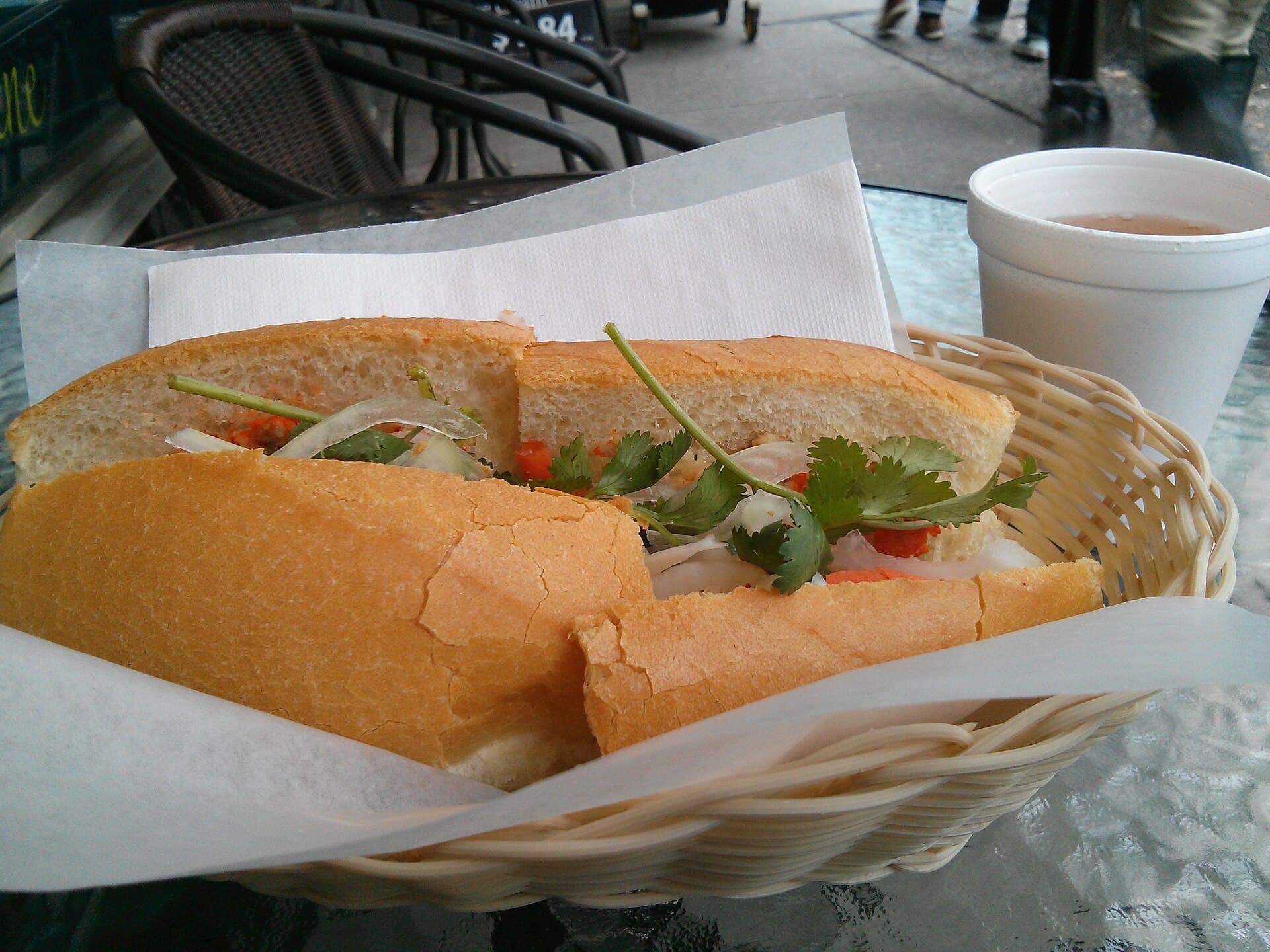
1975-2026
A Vietnamese American banh mi sandwich with crisp baguette, mayonnaise, pate, pork or tofu, pickled carrot and daikon, cucumber, jalapeno, and cilantro.
America's Melting Pot
BBQ Beef Sandwiches photo coming soon
1970-2026
This sandwich turns pot roast into crowd food: cook beef until it pulls apart, simmer it in barbecue sauce, and serve it from a slow cooker or Dutch oven. It fits the late-20th-century world of booster clubs, church suppers, and game-day tables, where economical roasts could feed a line of hungry fans.
Same region
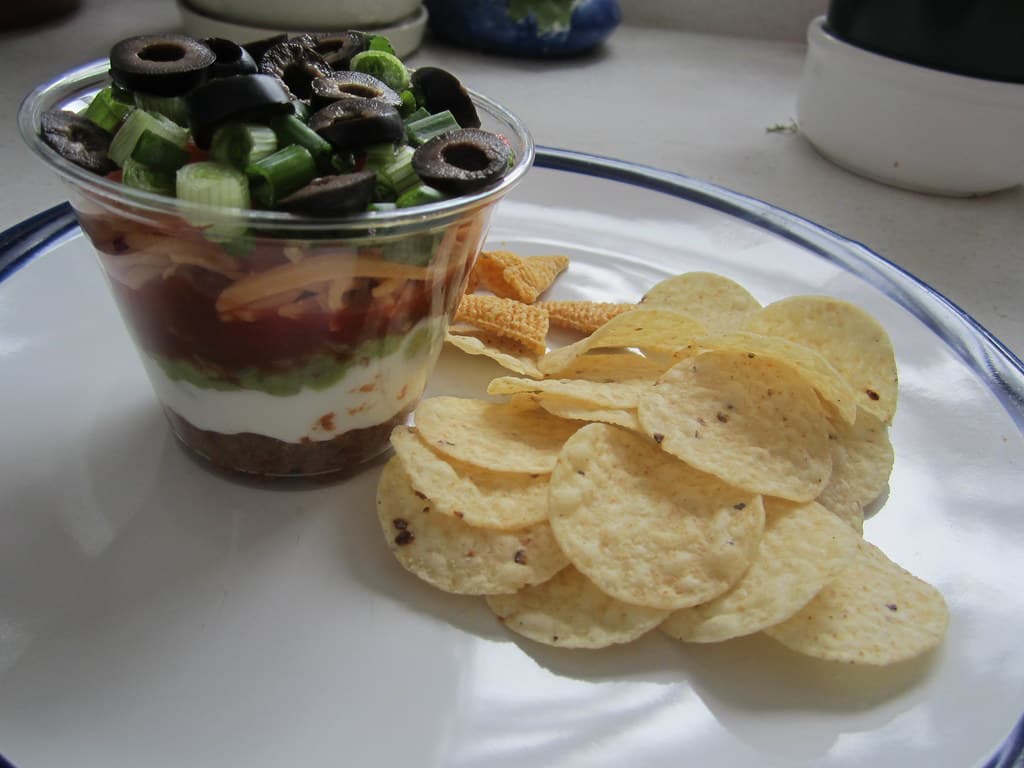
1900s-present
7-Layer Dip is a party dip with real American table personality: Tex-Mex party dish. It brings flavor from Texas and the Southwest to cookouts, counters, lunch plates, potlucks, and weeknight suppers.
America's Melting Pot
ABC Juice photo coming soon
1970s-present
ABC Juice brings juice-bar color and American smoothie-counter energy to the glass: Apple, beet, carrot.
America's Melting Pot
Acai Bowl Smoothie Base photo coming soon
1970s-present
Acai Bowl Smoothie Base brings juice-bar color and American smoothie-counter energy to the glass: California/Hawaii/fitness culture.
Same table
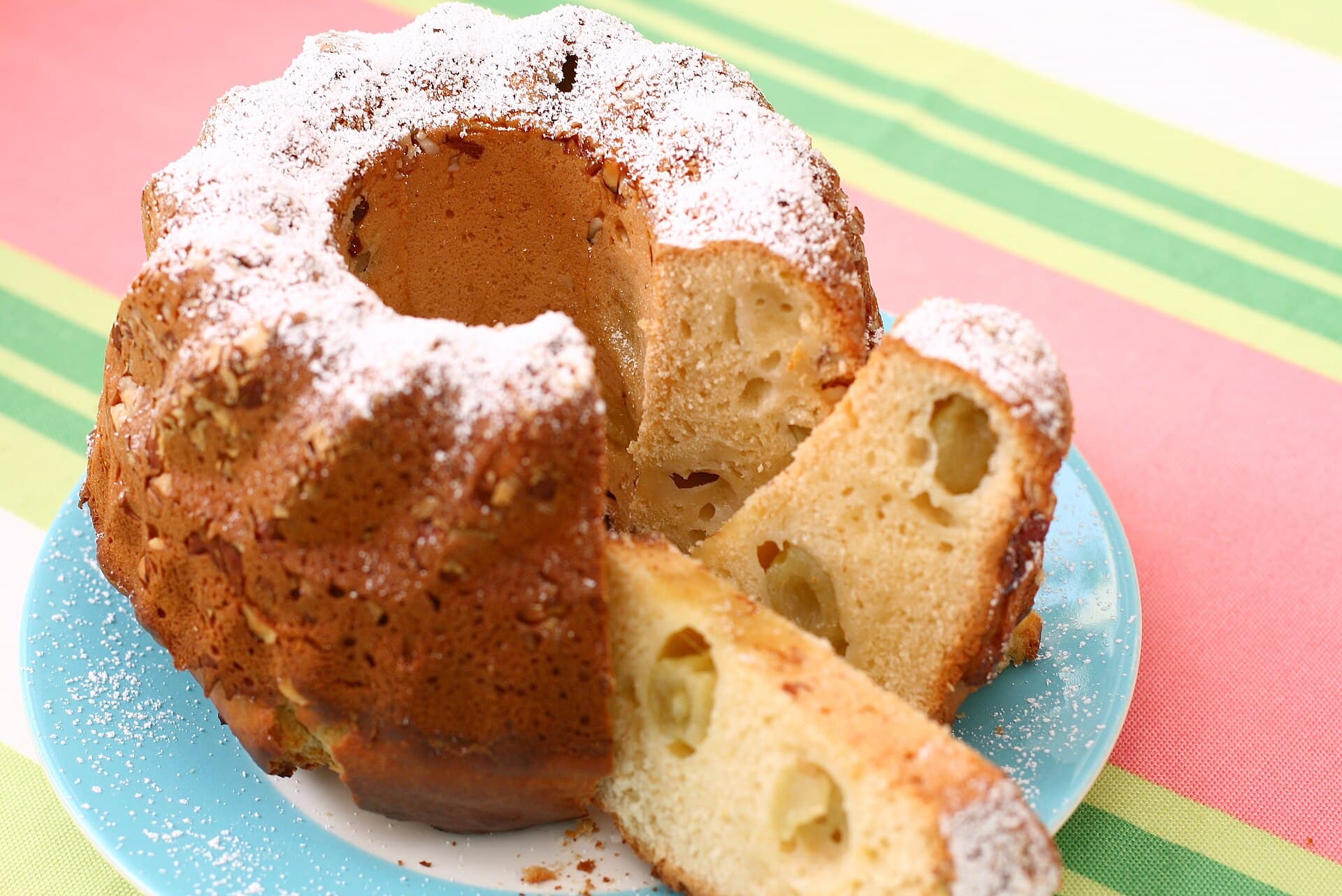
1950-2026
Bundt cake is as much about the pan as the batter. Nordic Ware created the Bundt pan in 1950 for home bakers seeking a kugelhopf-style shape, and Ella Helfrich's 1966 Tunnel of Fudge cake sent Bundt baking into American kitchens.
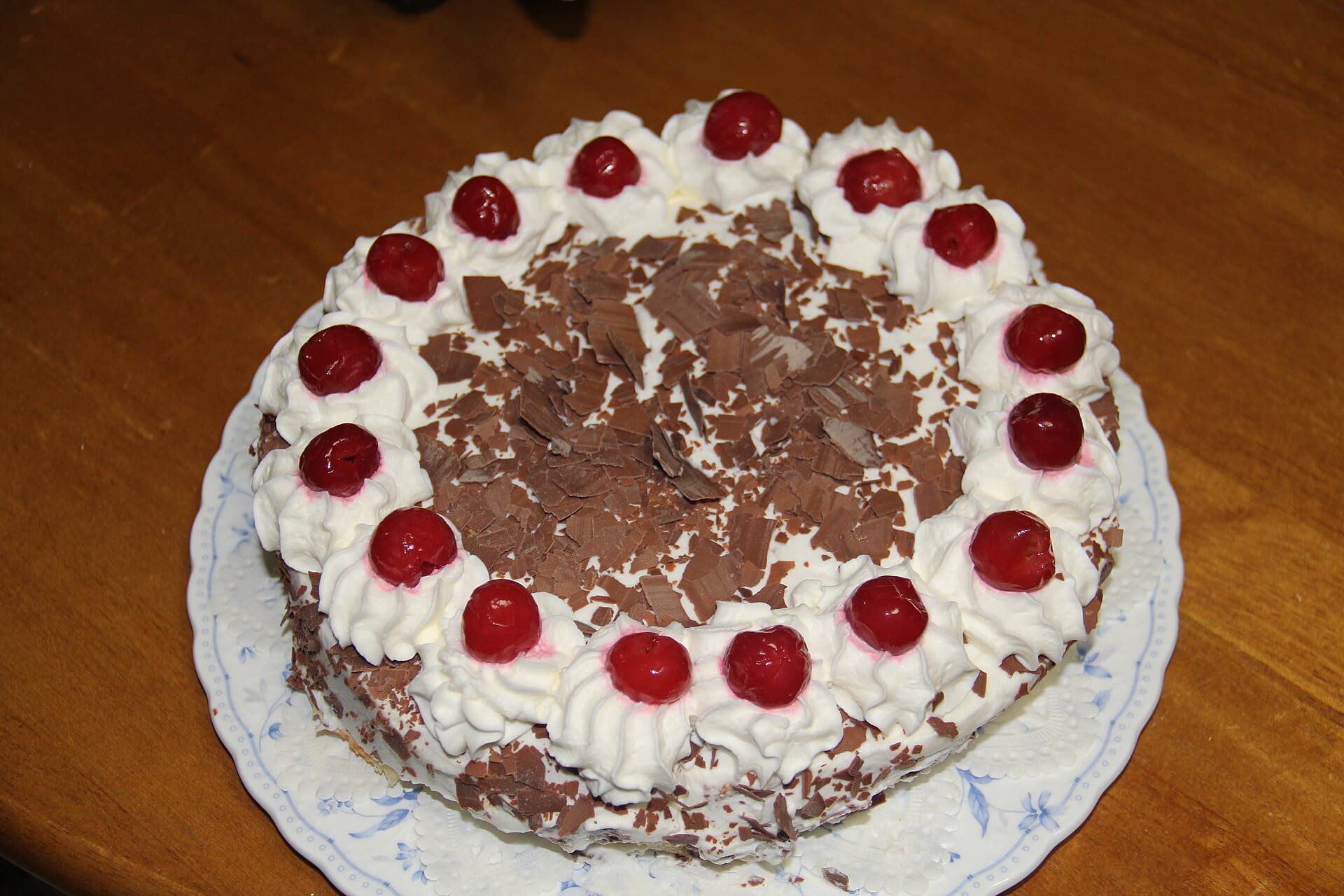
1960-2026
Black Forest cake, or Schwarzwalder Kirschtorte, came from German pastry traditions and became popular in the United States in the mid-20th century. American versions often soften the kirsch element but keep chocolate, cherries, and whipped cream.
1990-2026
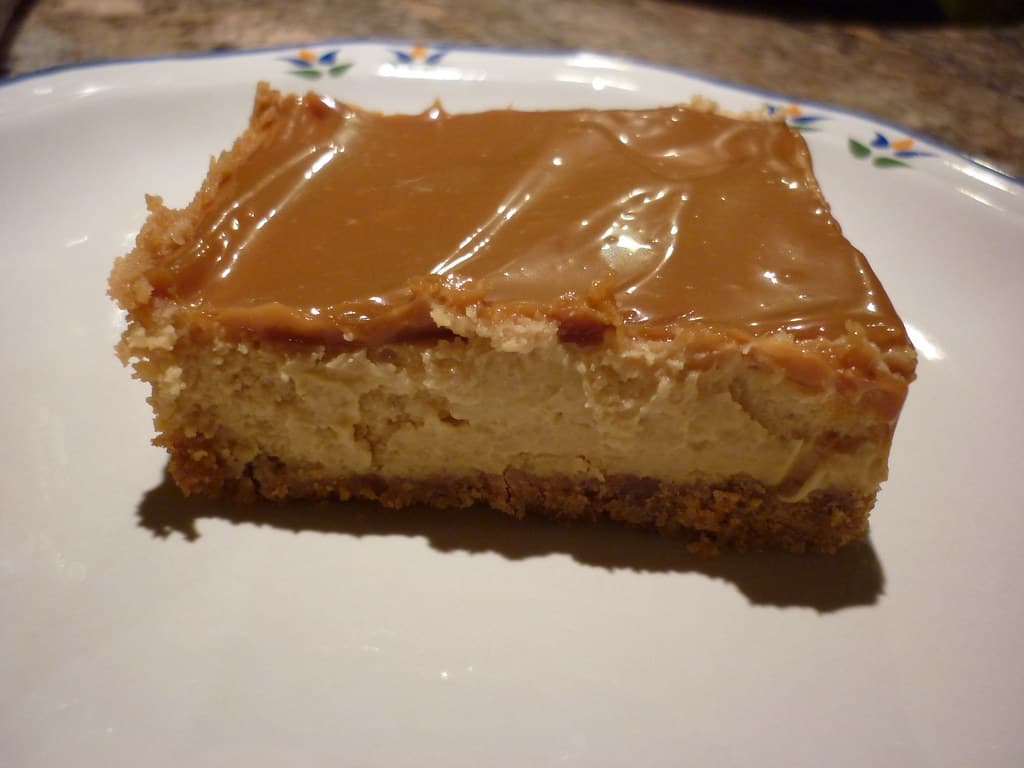
Creamy cheesecake baked over a graham cracker crust, chilled, and cut into tidy bars for easy serving.