
Recipe archive
Loading
Setting the table...
Fetching the latest recipes from the archive.
Loading
Fetching the latest recipes from the archive.
Recipe archive
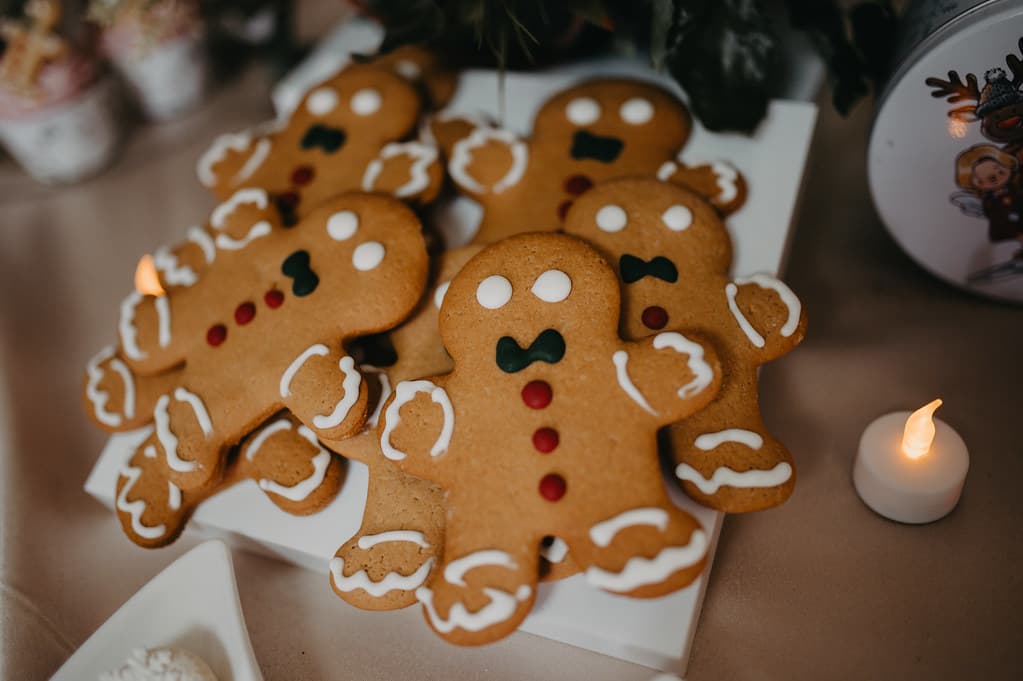
1776-1800 - Colonial American home cooks and holiday traditions
Gingerbread is a spiced baked good flavored with ginger, molasses, and warming spices such as cinnamon and cloves. Commonly prepared as cookies or moist cake, gingerbread became a favored holiday treat in America during the late 18th century, embodying the festive flavors associated with Christmas traditions.
Community-powered photos. Reviewers can upload dish photos, and the highest-rated community image may be featured here.
Difficulty
Medium
Prep time
20 minutes
Cook time
30 minutes
Total time
50 minutes
Servings
12 servings
Region
Fredericksburg, Virginia and colonial Mid-Atlantic gingerbread kitchens
Era introduced
1776-1800
Introduced by
Colonial American home cooks and holiday traditions
Recipe tools
Log in to save this recipe to a collection.
Gingerbread was introduced to colonial America by European settlers, evolving over time from simple spiced bread to include molasses and warm spices that evoke holiday flavors. By the late 1700s, gingerbread was a common treat for Christmas celebrations, with recipes reflecting both practical and festive uses of available sweeteners and spices. Gingerbread's enduring presence in American kitchens highlights its role in seasonal traditions and the blending of culinary influences during the Revolutionary era.
Share family changes, regional twists, or pantry-friendly adaptations as full community recipes.
Log in to submit a community recipe.
No community recipes yet. Submitted recipes are published right away.
Rate this recipe and share how it worked at your table.
Log in to review this recipe.
No reviews yet. Be the first to rate this recipe.
Recipes matched by era, region, occasion, ingredients, and cultural roots from the archive.
Same era
America's Melting Pot
Deviled Egg Filling photo coming soon
1700s-present
Deviled Egg Filling is a spread with real American table personality: Not exactly a sauce, but a condiment-like American picnic food. It brings flavor from coast-to-coast American tables to cookouts, counters, lunch plates, potlucks, and weeknight suppers.
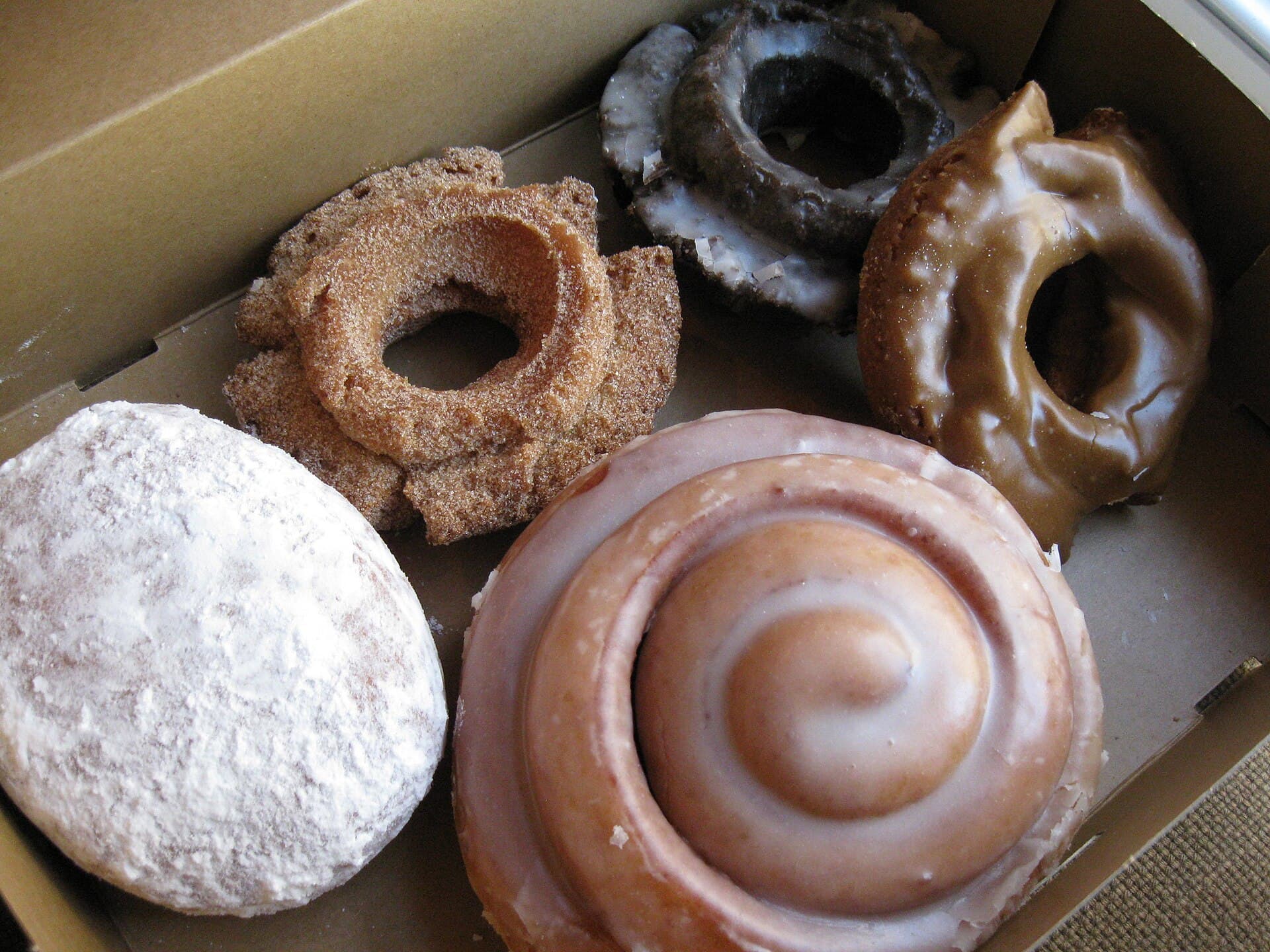
1700s-1800s
Doughnuts are a beloved American breakfast and snack originating from various immigrant influences, consisting of fried dough rings or balls coated in sugar or glaze. The recipe has evolved over centuries and become a cross-era staple with numerous regional variations.
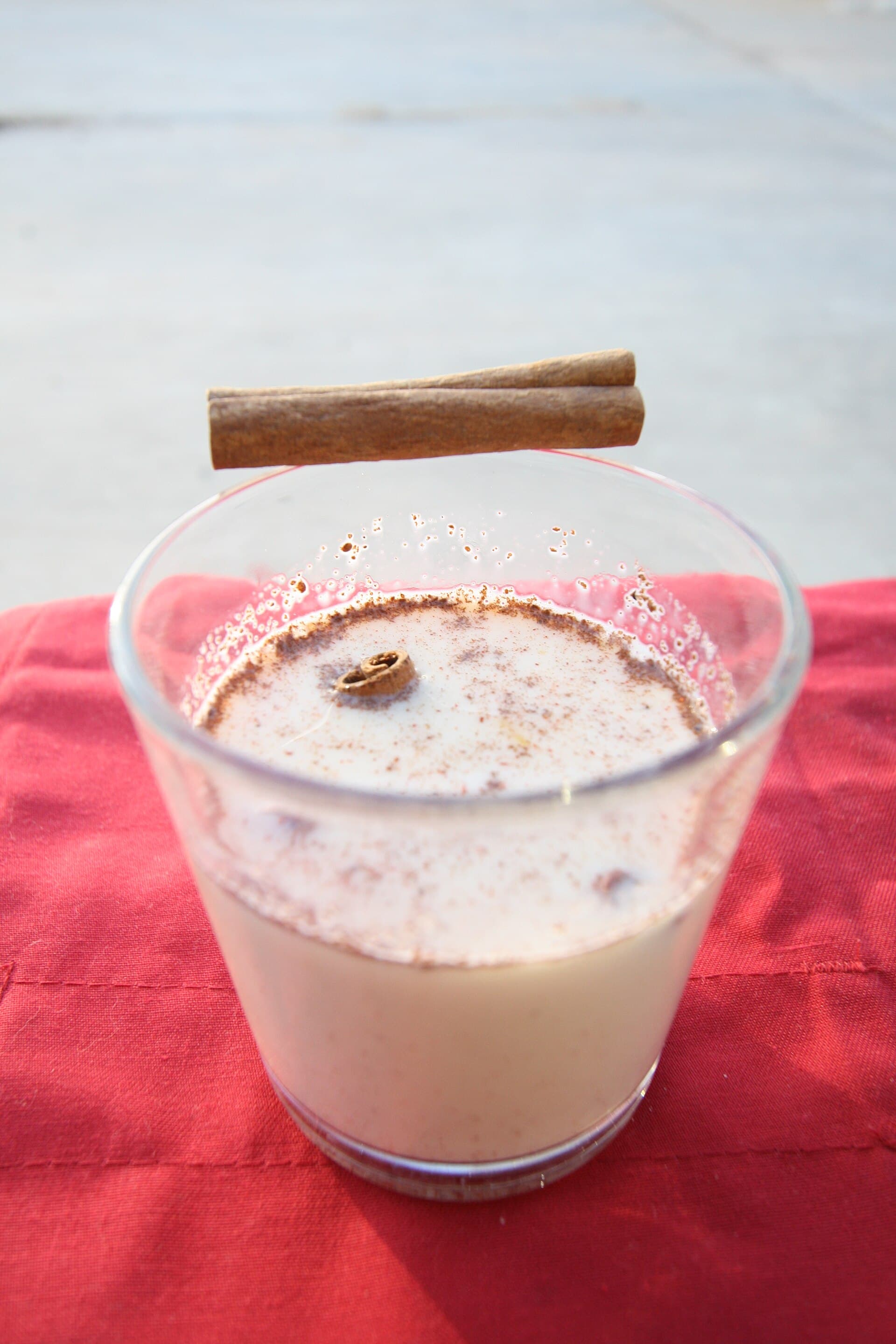
1700s-present
Eggnog is a rich, creamy holiday beverage made from milk or cream, beaten eggs, sugar, and often spiked with spirits such as brandy or rum. Served chilled, it is a festive treat deeply associated with Christmas celebrations across the United States, with colonial roots.
Same region
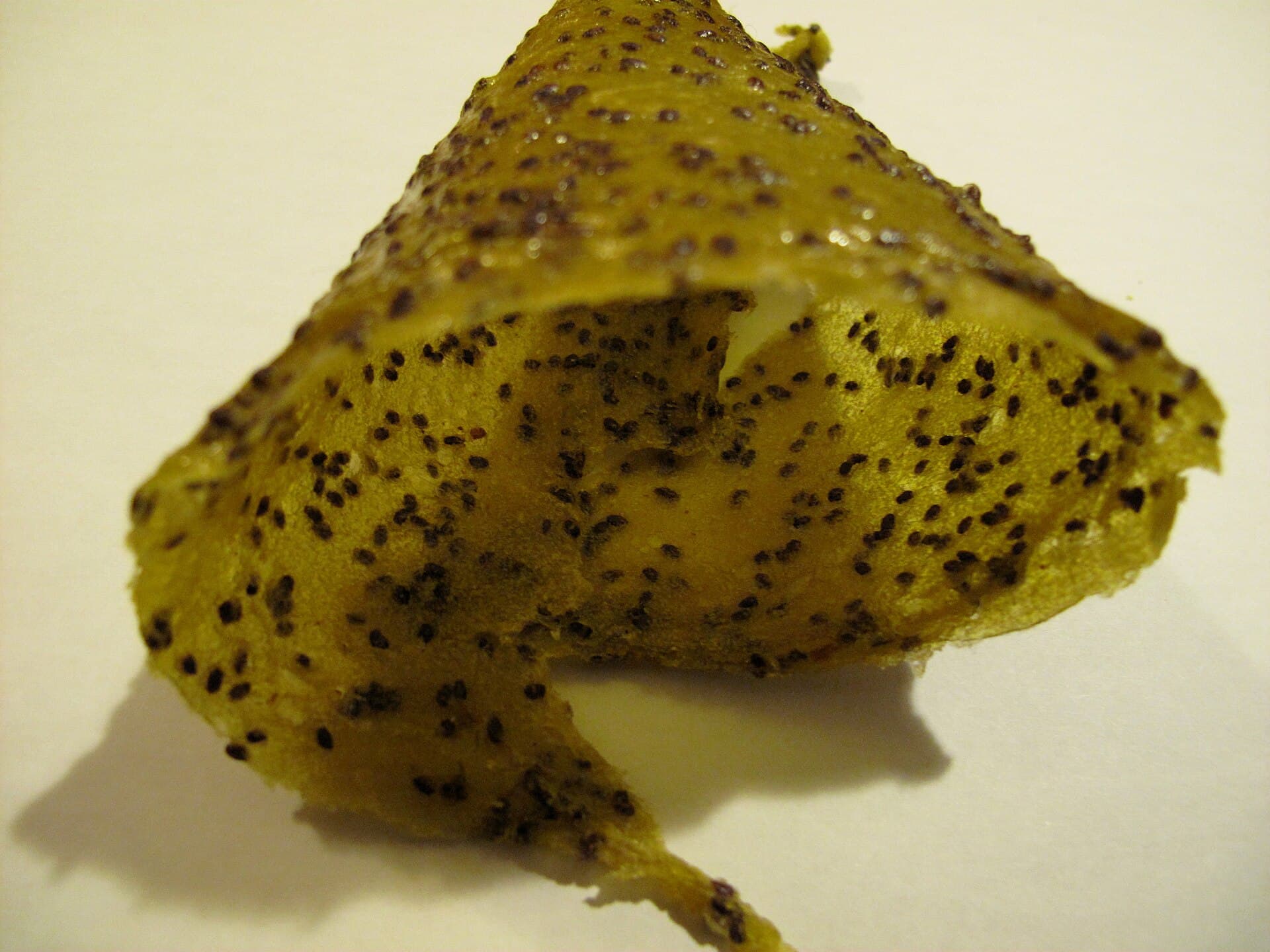
1800s-present
Fruit leather is a traditional preserved fruit snack made by drying pureed fruit into a thin, flexible sheet. Common in early America, it offered a way to enjoy fruit flavors year-round. This homemade fruit leather recipe captures the simple, wholesome practice of preserving seasonal fruit using natural drying methods.
1700s-present
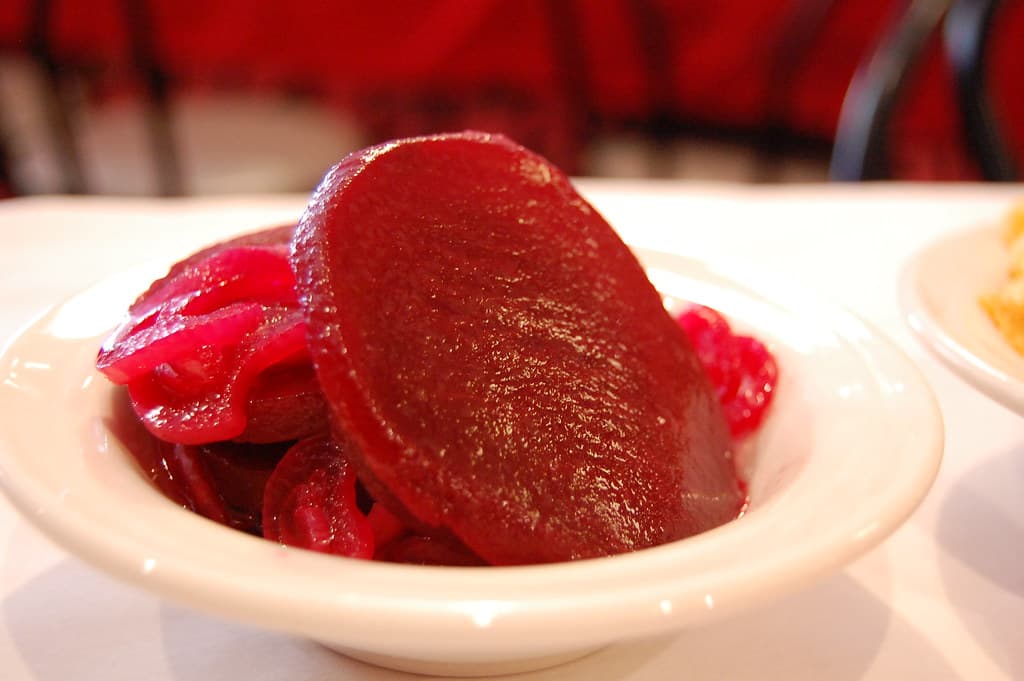
Pickled beets are a preserved vegetable side dish common in late 18th-century America. Offering earthy sweetness balanced with vinegar tang, they were a way to extend the harvest and enliven the winter table.
America's Melting Pot
Rabbit Pie photo coming soon
1700s-present
Rabbit Pie is a hearty savory pie featuring tender rabbit meat, vegetables, and herbs baked into a rich, flaky crust. Popular in early American cuisine, especially in the late 18th century, it was a practical way to use lean game meats in home kitchens.
Same table
1985-present
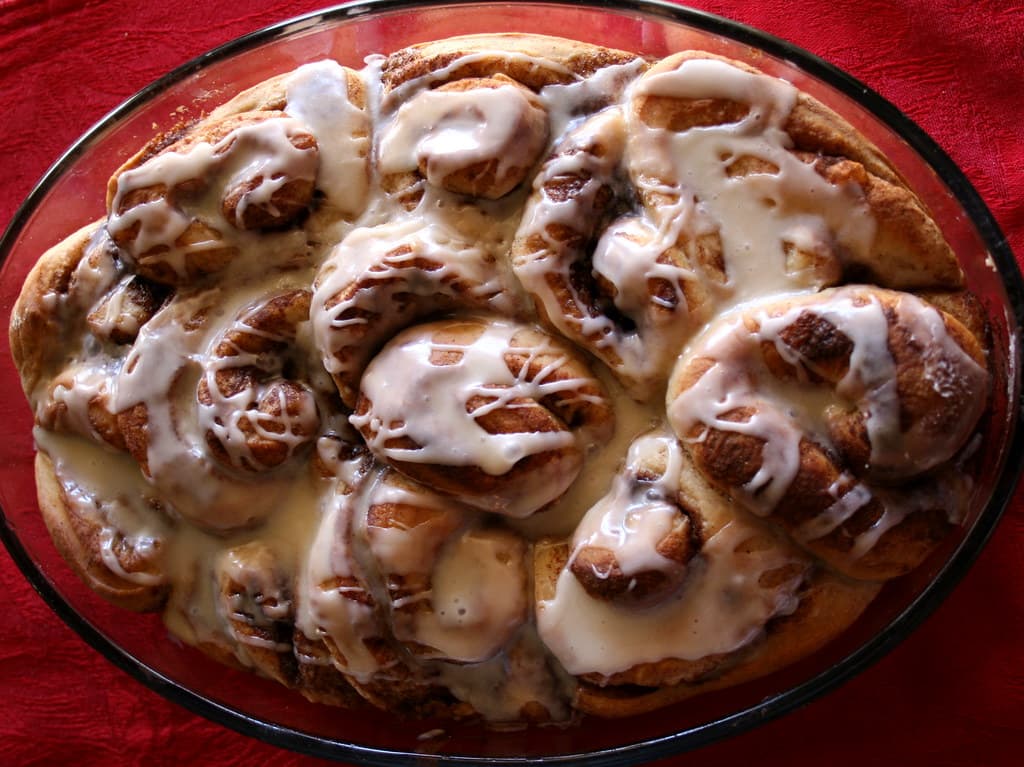
Classic American breakfast sweet rolls featuring a soft, fluffy dough swirled with cinnamon sugar and topped with a sweet glaze. Cinnamon rolls became popular as convenient and comforting treats at tailgate parties, booster clubs, and concession stands in late 20th-century America, especially from the 1970s through the 1980s. Their warm spices and sweetness mark them as a festive favorite around Christmas and other cold-weather celebrations.
mid-1900s-present
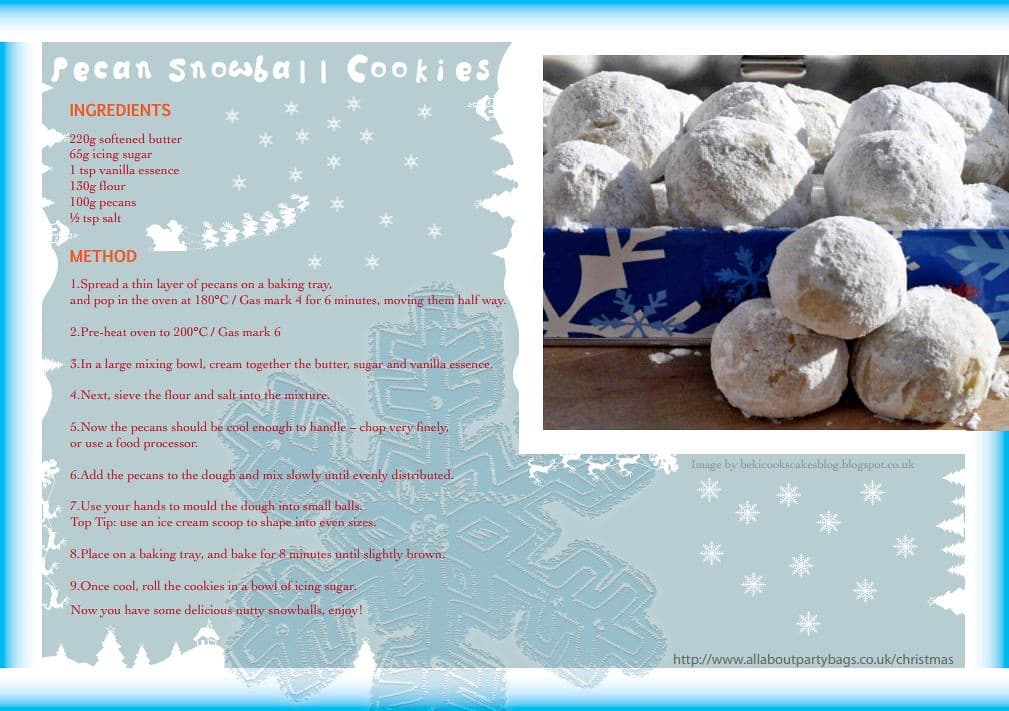
Pecan snowballs are tender, buttery cookies rolled in powdered sugar, commonly enjoyed in the Southern United States during Christmas celebrations. Their sweet nutty flavor and melt-in-your-mouth texture make them a festive traditional treat.
1900s-present
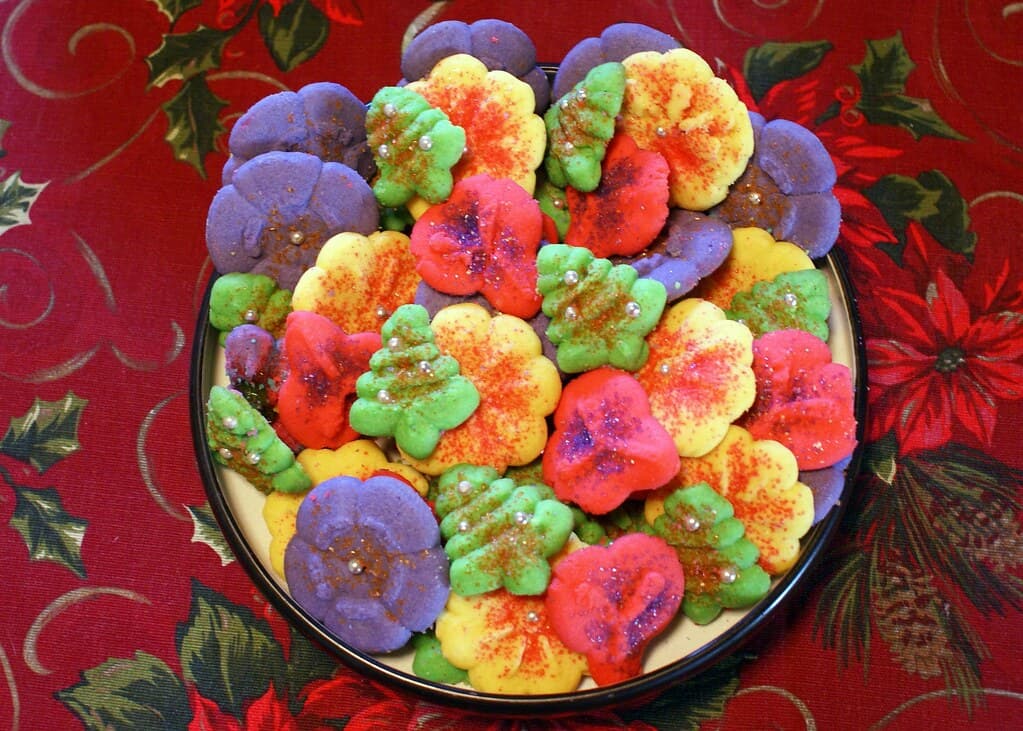
Spritz cookies are buttery, pressed cookies commonly made during Christmas in America, rooted in European immigrant traditions. Their decorative shapes and rich texture make them a festive favorite found broadly in holiday baking.