
Recipe archive
Loading
Setting the table...
Fetching the latest recipes from the archive.
Loading
Fetching the latest recipes from the archive.
Recipe archive
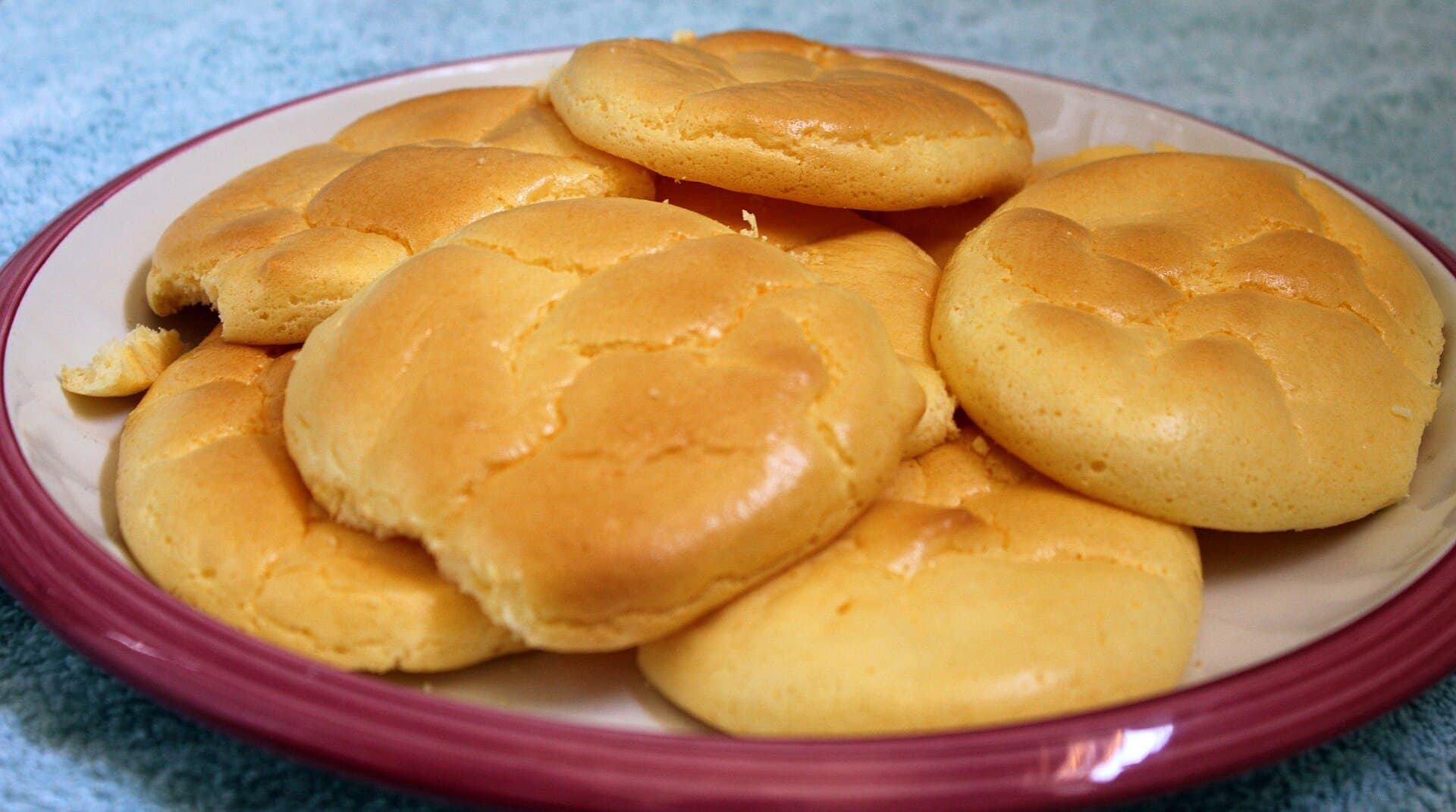
2010-2026 - Food truck vendors, viral food bloggers, and health-conscious home cooks in 2010s America
Cloud Bread is a modern, airy, low-carbohydrate bread alternative made with mainly eggs, cream cheese, and a small amount of flour or starch. It became popular as a viral food trend during the 2010s, particularly embraced by food truck vendors, health-conscious eaters, and social media platforms. Its light texture and minimal ingredients embody new American fusion adaptations suited for specialty diets and novelty appeal.
Community-powered photos. Reviewers can upload dish photos, and the highest-rated community image may be featured here.
Difficulty
Easy
Prep time
10 minutes
Cook time
25 minutes
Total time
35 minutes
Servings
8 small breads
Region
TikTok and low-carb American internet baking kitchens
Era introduced
2010-2026
Introduced by
Food truck vendors, viral food bloggers, and health-conscious home cooks in 2010s America
Recipe tools
Log in to save this recipe to a collection.
Cloud Bread emerged as a viral food phenomenon in the 2010s, especially popularized through social media and food trucks promoting inventive, diet-friendly alternatives to traditional bread. Originating from experimental low-carb and gluten-free recipes, it features whipped egg whites and cream cheese to create a light, airy, and tender bread substitute. Cloud Bread reflects contemporary American fusion cooking trends that prioritize texture innovation and adaptable ingredients, responding to evolving dietary interests.
Share family changes, regional twists, or pantry-friendly adaptations as full community recipes.
Log in to submit a community recipe.
No community recipes yet. Submitted recipes are published right away.
Rate this recipe and share how it worked at your table.
Log in to review this recipe.
No reviews yet. Be the first to rate this recipe.
Recipes matched by era, region, occasion, ingredients, and cultural roots from the archive.
Same era
America's Melting Pot
Air Fryer Brussels Sprouts photo coming soon
2010s-present
Trimmed Brussels sprouts air-fried with a little oil until crisp at the edges and tender in the center.
America's Melting Pot
Air Fryer Cheese Curds photo coming soon
2010-2026
Fresh cheese curds coated in seasoned panko, chilled, and air-fried until crisp outside and molten inside.
America's Melting Pot
Air Fryer Chicken Tenders photo coming soon
2010s-present
Chicken tenderloins coated in seasoned crumbs and air-fried until crisp, juicy, and safely cooked to 165 degrees F.
Same region
America's Melting Pot
Cottage Cheese Ice Cream photo coming soon
2020s-present
Cottage cheese ice cream is a contemporary, protein-rich twist on classic frozen desserts. Popularized in food trucks and farmers markets during the 2010s, it blends creamy cottage cheese with traditional ice cream ingredients for a unique texture and tangy flavor.
America's Melting Pot
Cottage Cheese Plates photo coming soon
2020s-present
Cottage cheese plates were popularized in the 1990s and 2000s as a health-conscious light meal or snack. Paired with fresh fruits, vegetables, or crackers, they featured in menus of coffee shops and suburban households seeking easy, nutritious options.
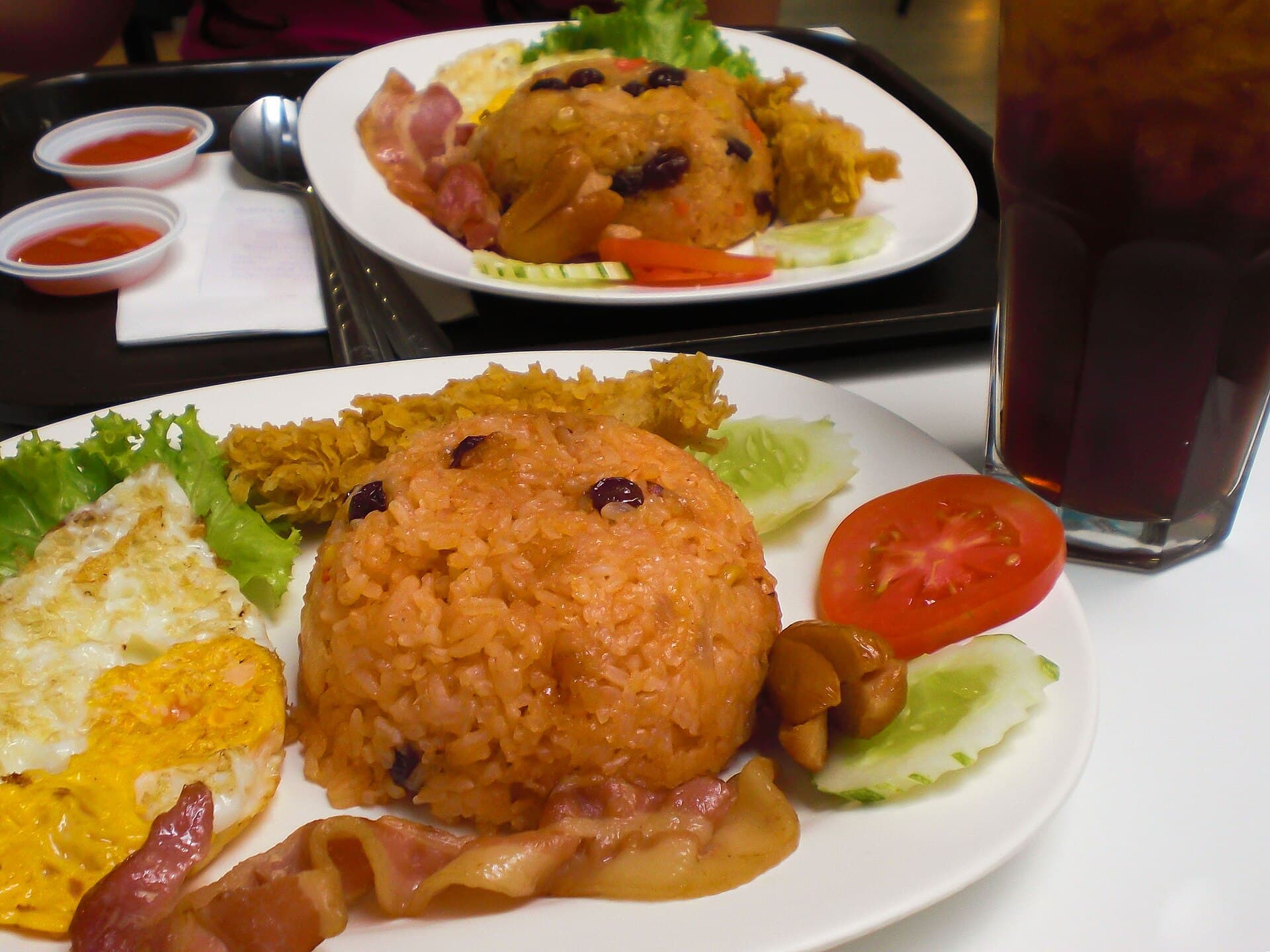
1950s-present
Thai-style ketchup fried rice served with American-coded sides such as egg, sausage, ham, raisins, and fried chicken.
Same table
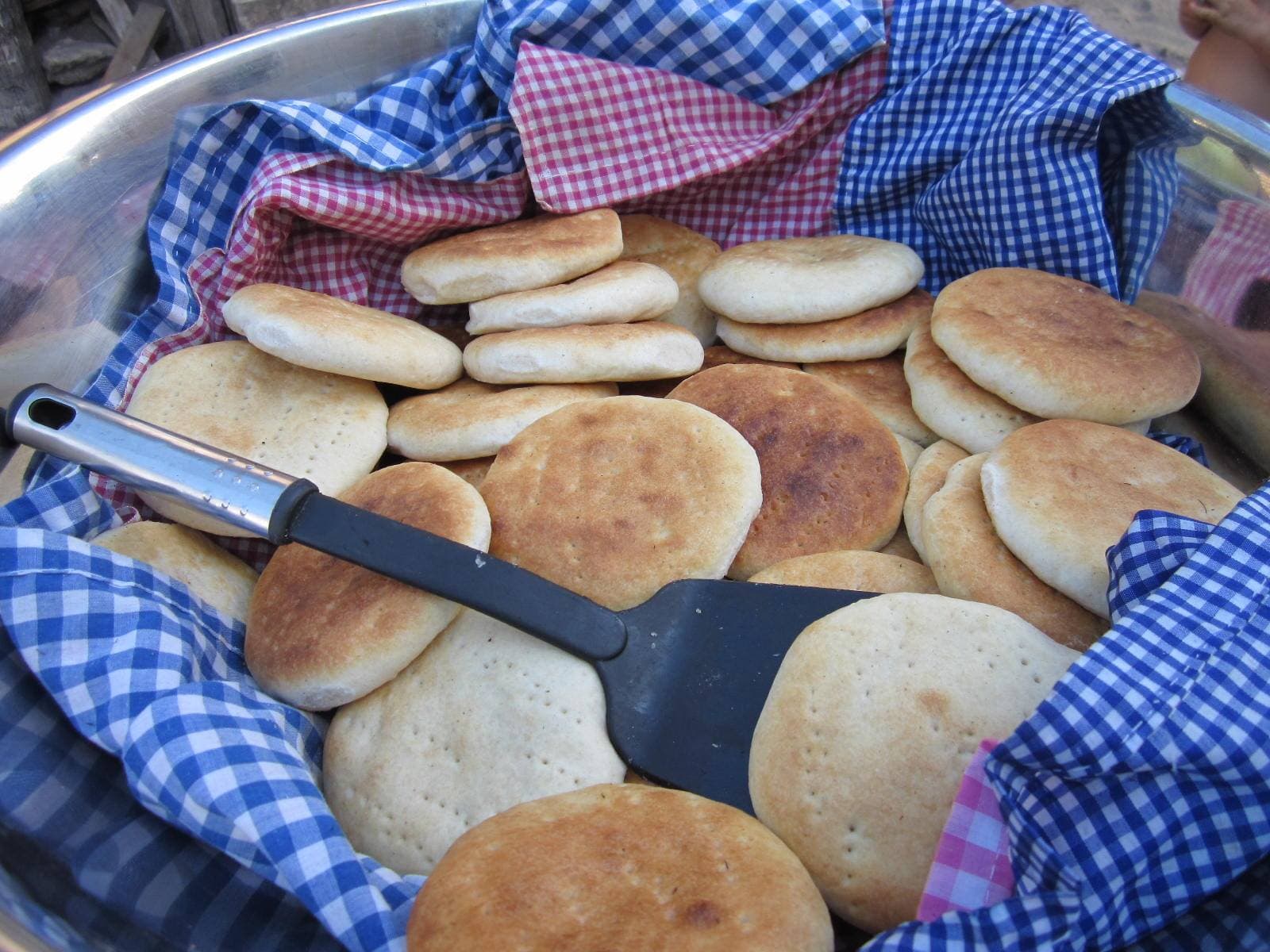
1700s-present
Johnny Cakes, as known in Puerto Rican, Chamorro, Filipino-American, and Virgin Islands cuisines, are fried cornmeal cakes served as snacks or side dishes. This cross-era preparation exemplifies the cultural blending in American island territories, combining influences from indigenous, Spanish, and Pacific Islander cooking.
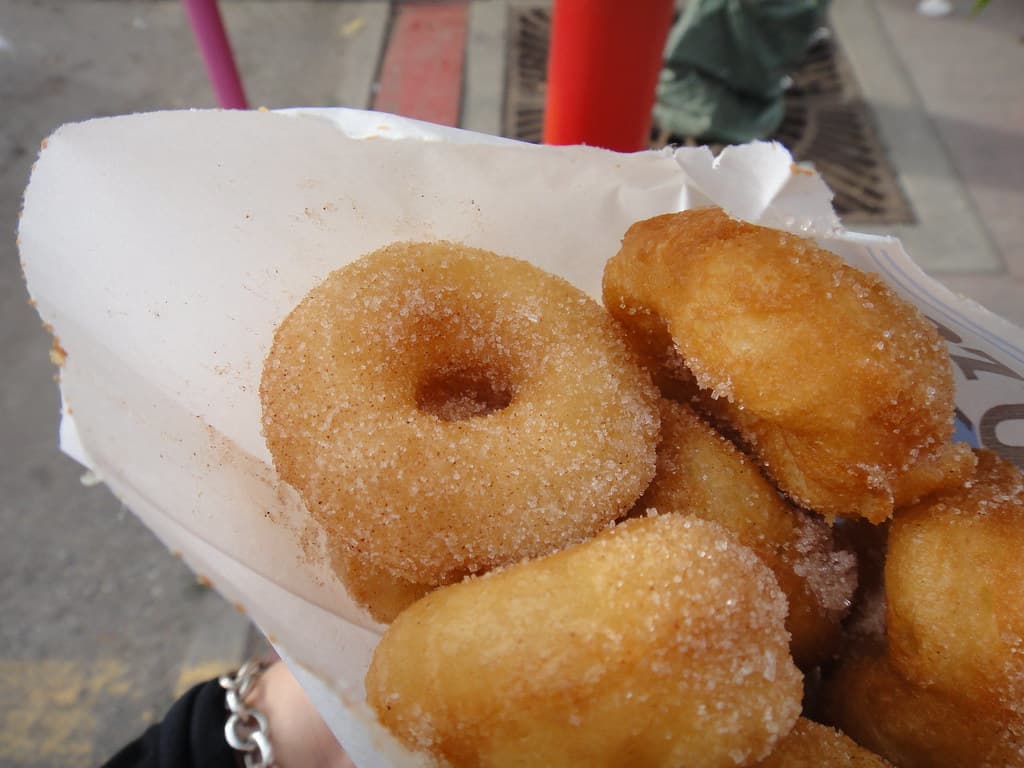
1700s-1800s
Mini donuts are tiny, fried doughnuts commonly enjoyed at American state fairs, carnivals, and diners during the early 20th century. Their small size made them a convenient treat for fairgoers and lunch counter patrons. This recipe captures the simplicity and nostalgic appeal of these sweet bites, featuring a light dough fried to golden perfection and lightly dusted with cinnamon sugar.
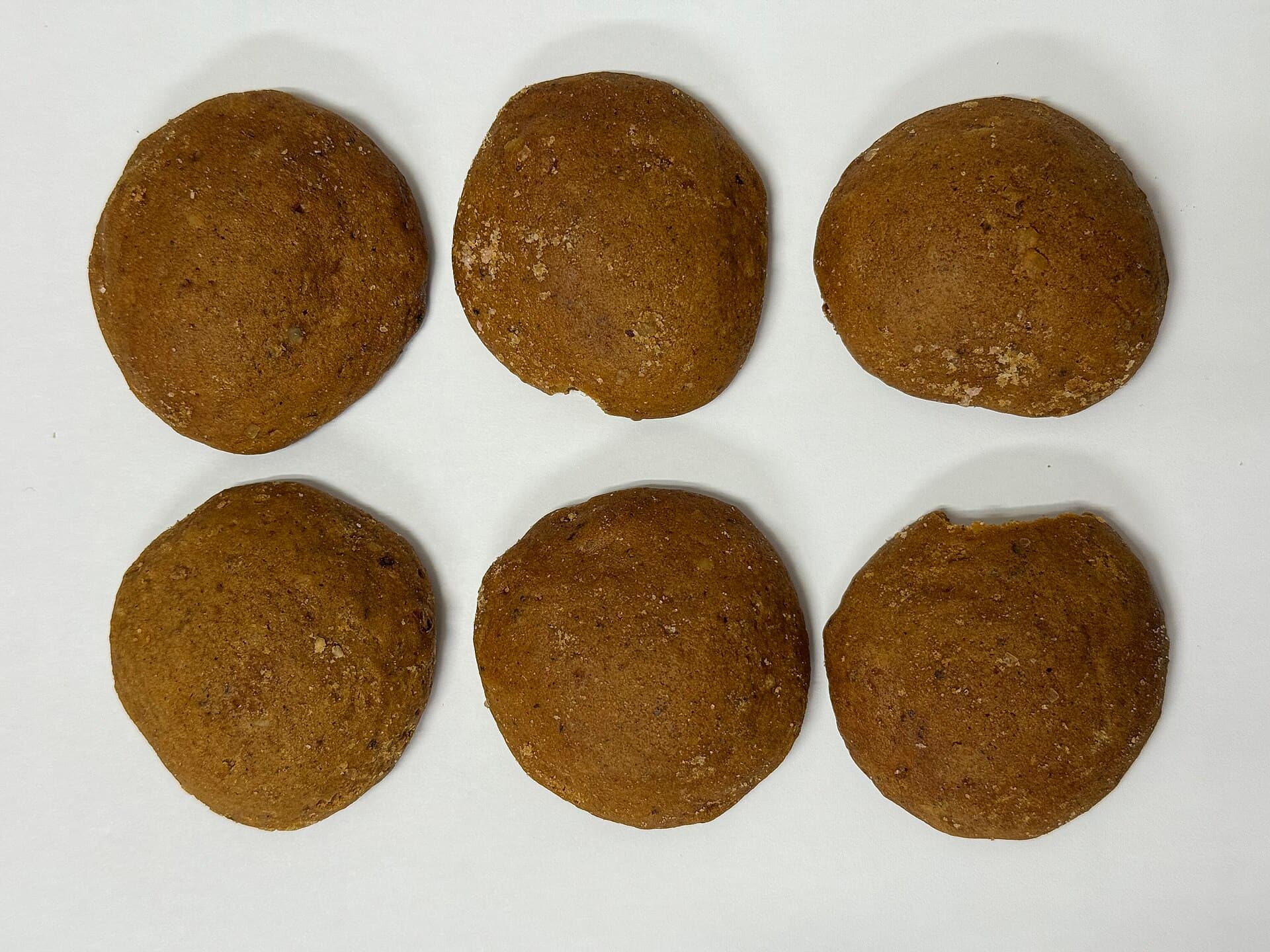
1776-1800
Molasses Cookies are chewy, spiced gingerbread-style cookies sweetened with rich molasses, reflecting early Appalachian and Revolutionary-era American baking traditions. These cookies were popular among settlers who used molasses as an affordable sweetener and incorporated warming spices for flavor. They became a staple of military rations and domestic kitchens during the Civil War era, offering comfort and energy.