
Recipe archive
Loading
Setting the table...
Fetching the latest recipes from the archive.
Loading
Fetching the latest recipes from the archive.
Recipe archive
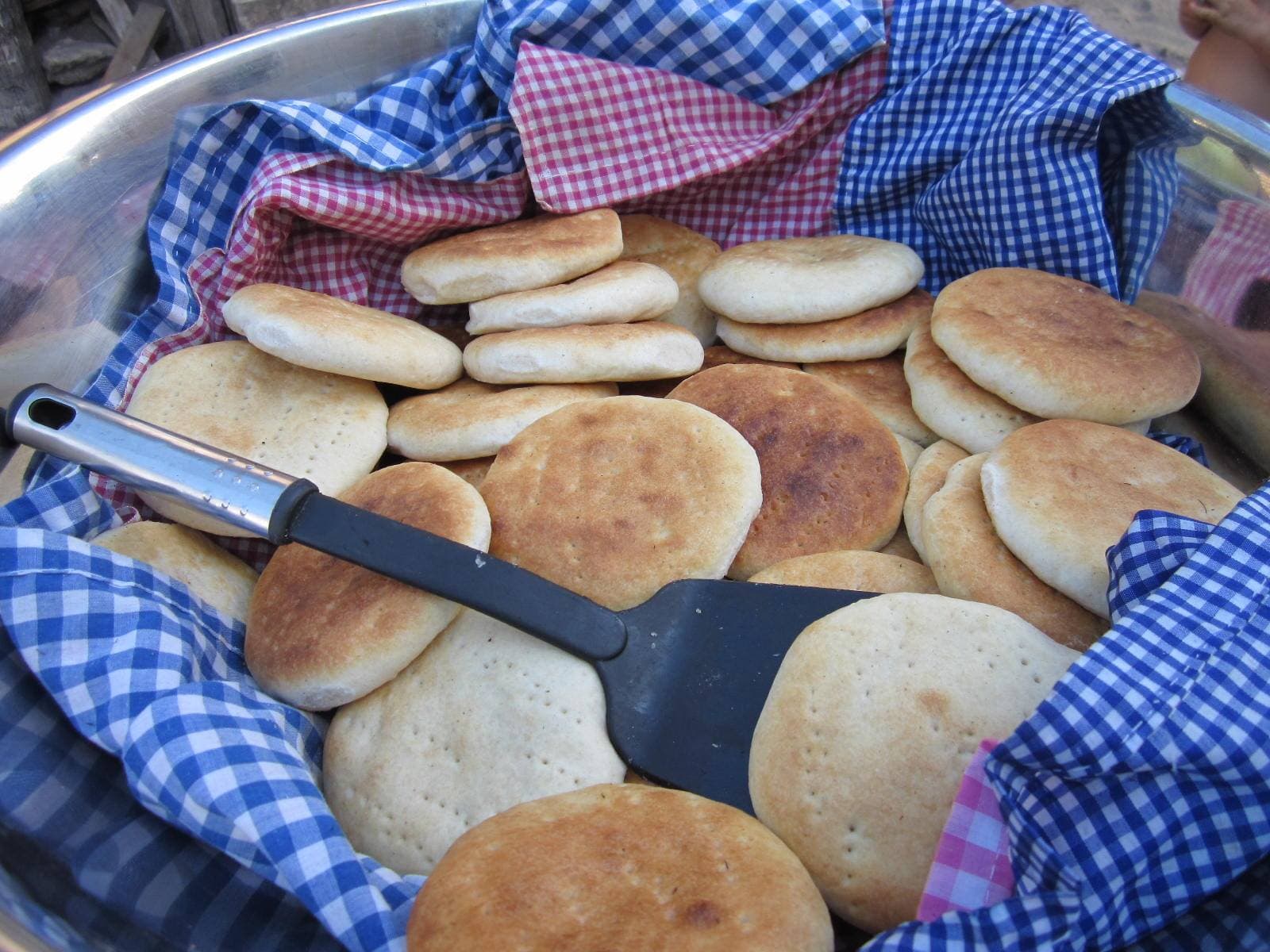
Before 1776 - Puerto Rican, Chamorro, Filipino-American, and Virgin Islands Home Cooks
Johnny Cakes, as known in Puerto Rican, Chamorro, Filipino-American, and Virgin Islands cuisines, are fried cornmeal cakes served as snacks or side dishes. This cross-era preparation exemplifies the cultural blending in American island territories, combining influences from indigenous, Spanish, and Pacific Islander cooking.
Community-powered photos. Reviewers can upload dish photos, and the highest-rated community image may be featured here.
Difficulty
Easy
Prep time
10 minutes
Cook time
15 minutes
Total time
25 minutes
Servings
6
Region
U.S. Virgin Islands and wider Caribbean
Era introduced
Before 1776
Introduced by
Puerto Rican, Chamorro, Filipino-American, and Virgin Islands Home Cooks
Recipe tools
Log in to save this recipe to a collection.
Johnny Cakes in American territories reflect centuries of cultural confluence, where indigenous cornmeal-based recipes merged with Spanish, Pacific Islander, and American influences. Often fried until crisp and served alongside savory or sweet toppings, these cakes have sustained communities across Puerto Rico, Guam, and the Virgin Islands as affordable and beloved comfort foods.
Share family changes, regional twists, or pantry-friendly adaptations as full community recipes.
Log in to submit a community recipe.
No community recipes yet. Submitted recipes are published right away.
Rate this recipe and share how it worked at your table.
Log in to review this recipe.
No reviews yet. Be the first to rate this recipe.
Recipes matched by era, region, occasion, ingredients, and cultural roots from the archive.
Same era
America's Melting Pot
Blackstrap Molasses photo coming soon
1700s-present
Blackstrap Molasses is a sweet sauce with real American table personality: Baking, beans, gingerbread, wartime thrift. It brings flavor from coast-to-coast American tables to cookouts, counters, lunch plates, potlucks, and weeknight suppers.
1700s-present
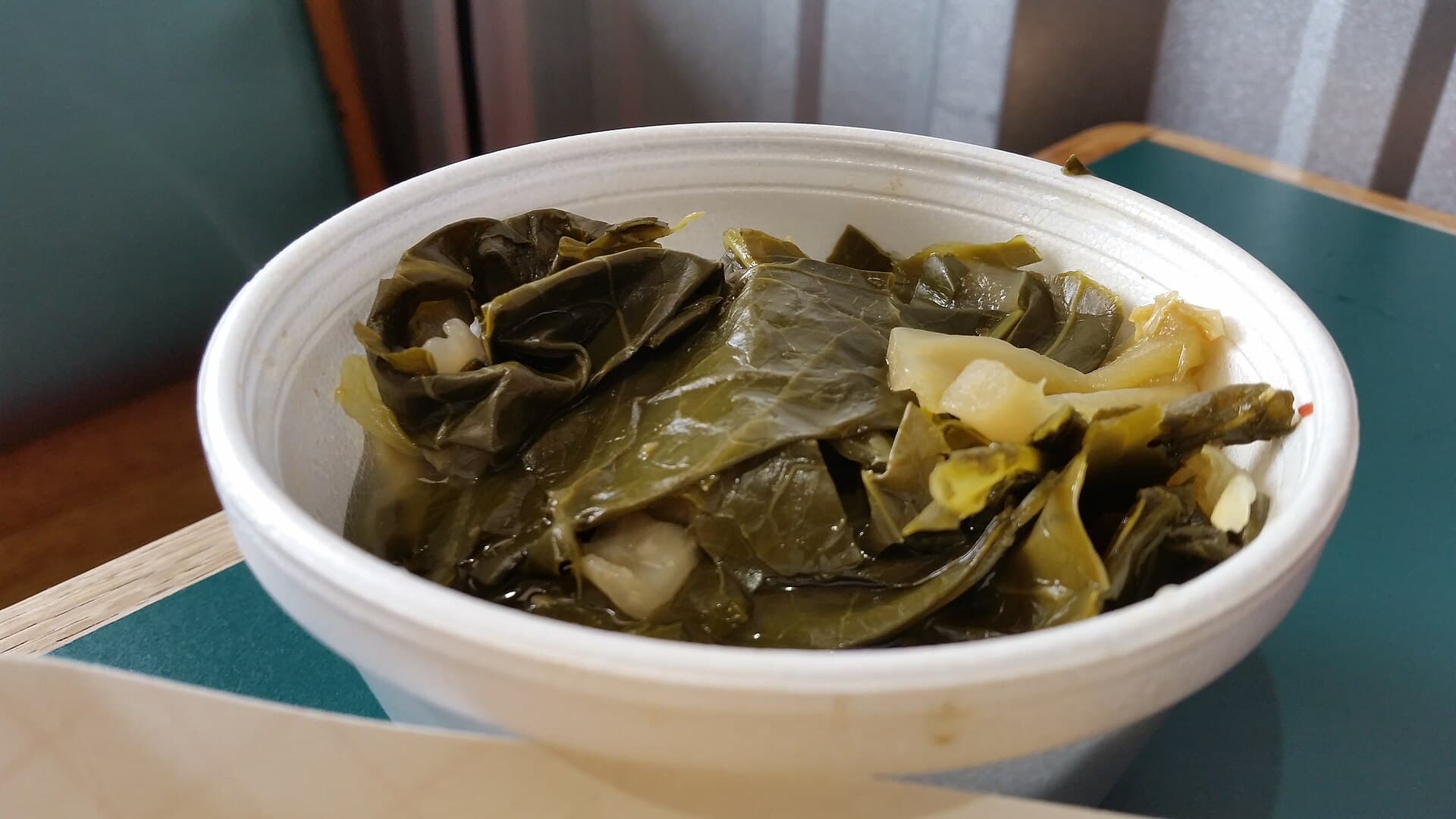
Collard greens are a Southern staple of slow-cooked leafy greens, often simmered with smoked meats and seasonings. Served frequently at Thanksgiving and other holidays, they reflect African American and Southern culinary traditions blending native and immigrant foodways. This versatile side dish is a symbol of Southern hospitality and cultural heritage.
America's Melting Pot
Eastern North Carolina Whole Hog photo coming soon
1700s-present
Eastern North Carolina Whole Hog barbecue is a traditional slow-cooked pork technique where an entire hog is cooked over wood coals and served with a tangy, vinegar-based sauce. This style emphasizes simplicity, smoky flavor, and communal preparation often associated with regional celebrations.
Same region
1900s-present
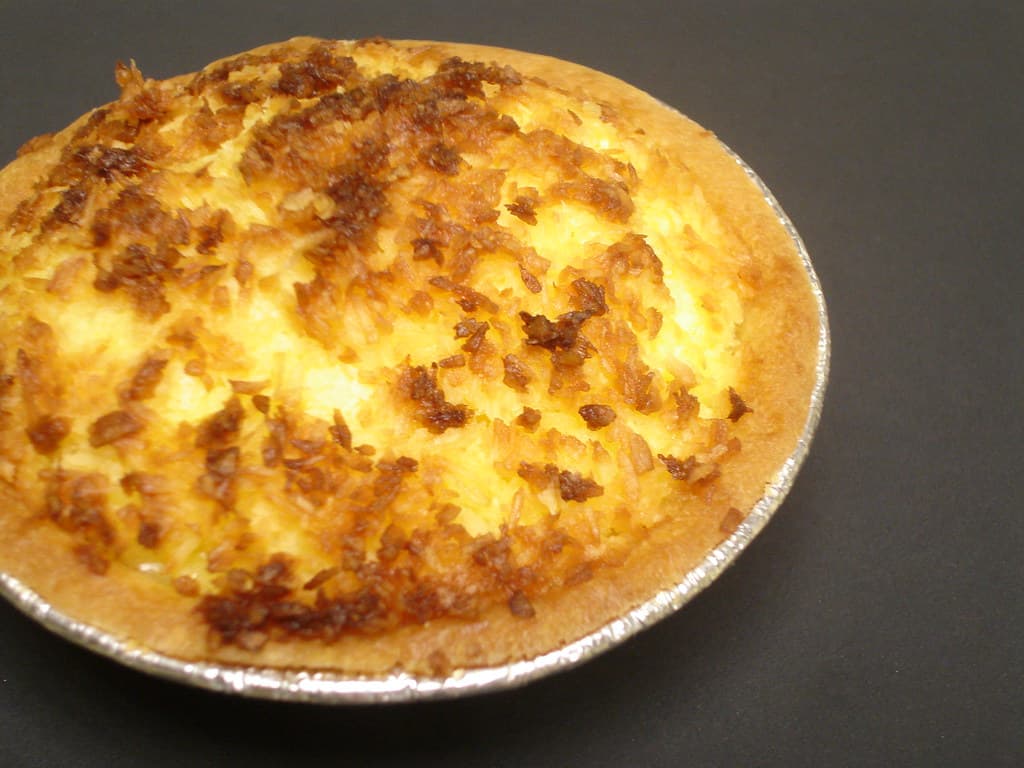
Coconut Tart is a traditional dessert found across U.S. territories and island communities such as Puerto Rico, Guam (Chamorro), the Philippines, and the U.S. Virgin Islands. This recipe features a flaky crust filled with sweetened coconut custard, highlighting indigenous and colonial culinary influences that span eras and geographies in American territories.
America's Melting Pot
Virgin Islands Pates photo coming soon
1900s-present
Small savory pastries filled with seasoned meat mixtures common in Virgin Islands cuisine. These pates reflect Caribbean influences blending African, Puerto Rican, Chamorro, and Filipino traditions in island cooking.
1800-1860
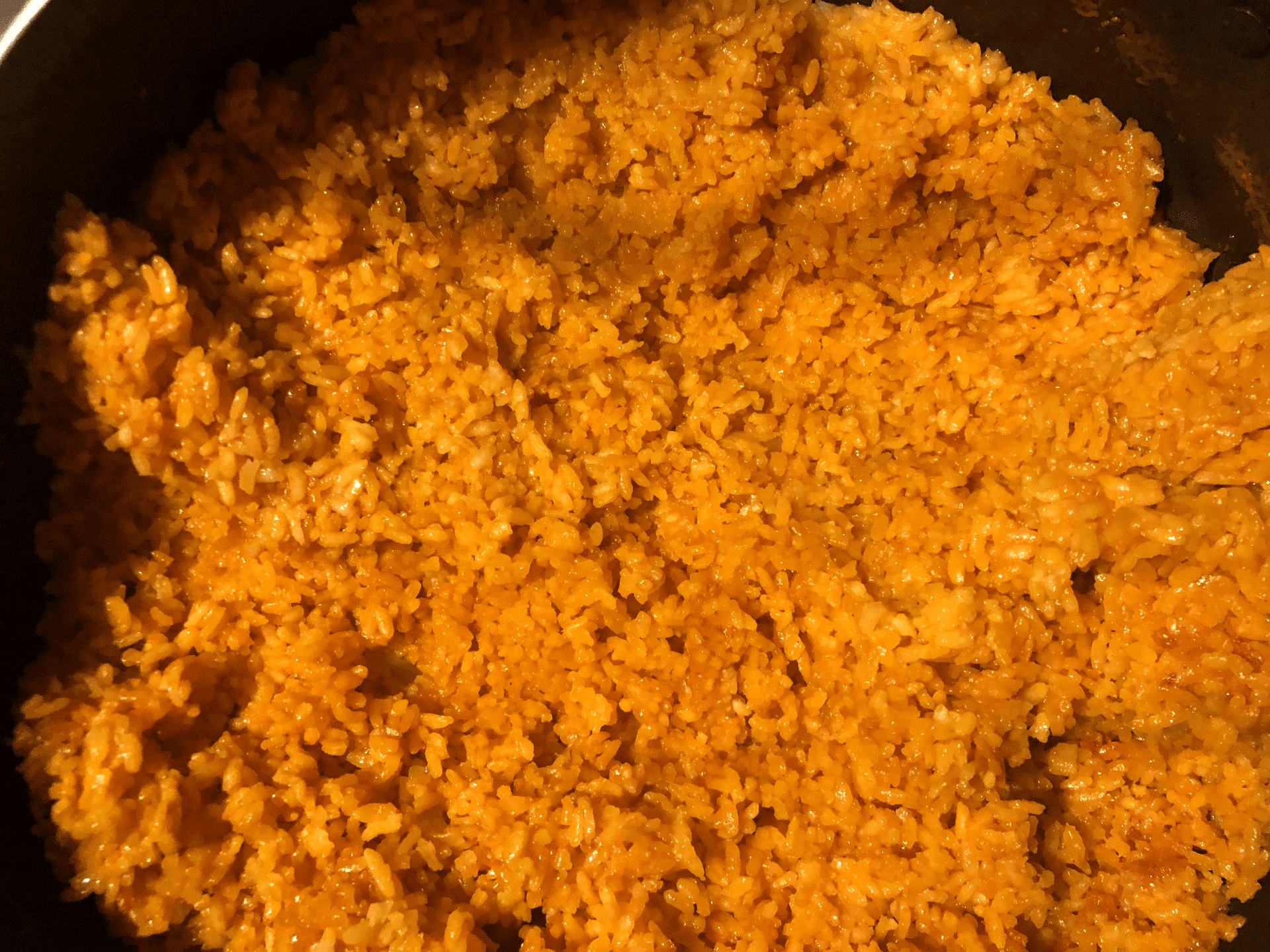
Red Rice is a colorful, savory rice dish cooked with tomatoes, seasonings, and broth, common in Southern and U.S. territories' cuisines. It reflects the culinary blending of Puerto Rican, Chamorro, Filipino-American, and Virgin Islands food traditions during the early 19th century expansion and immigration period.
Same table
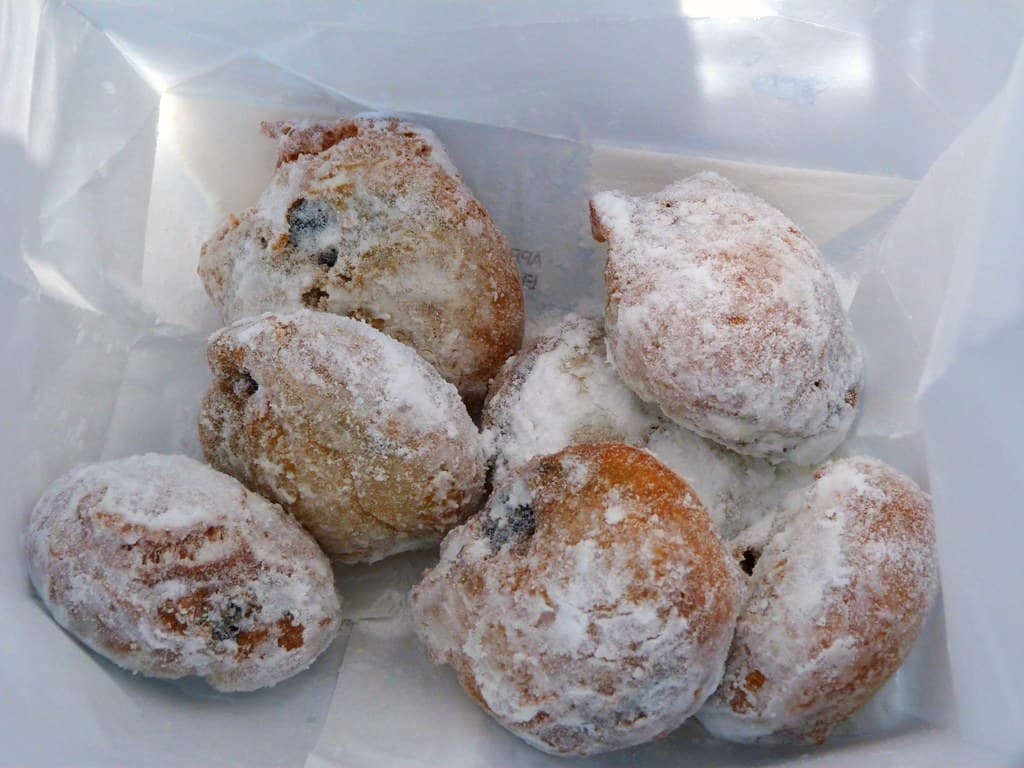
1990s-present
Fried Oreos feature Oreo cookies dipped in batter and deep fried, creating a warm, crispy, and gooey sweet treat. Popularized at American fairs and carnivals in the early 20th century, they blend convenience baking with indulgent frying.
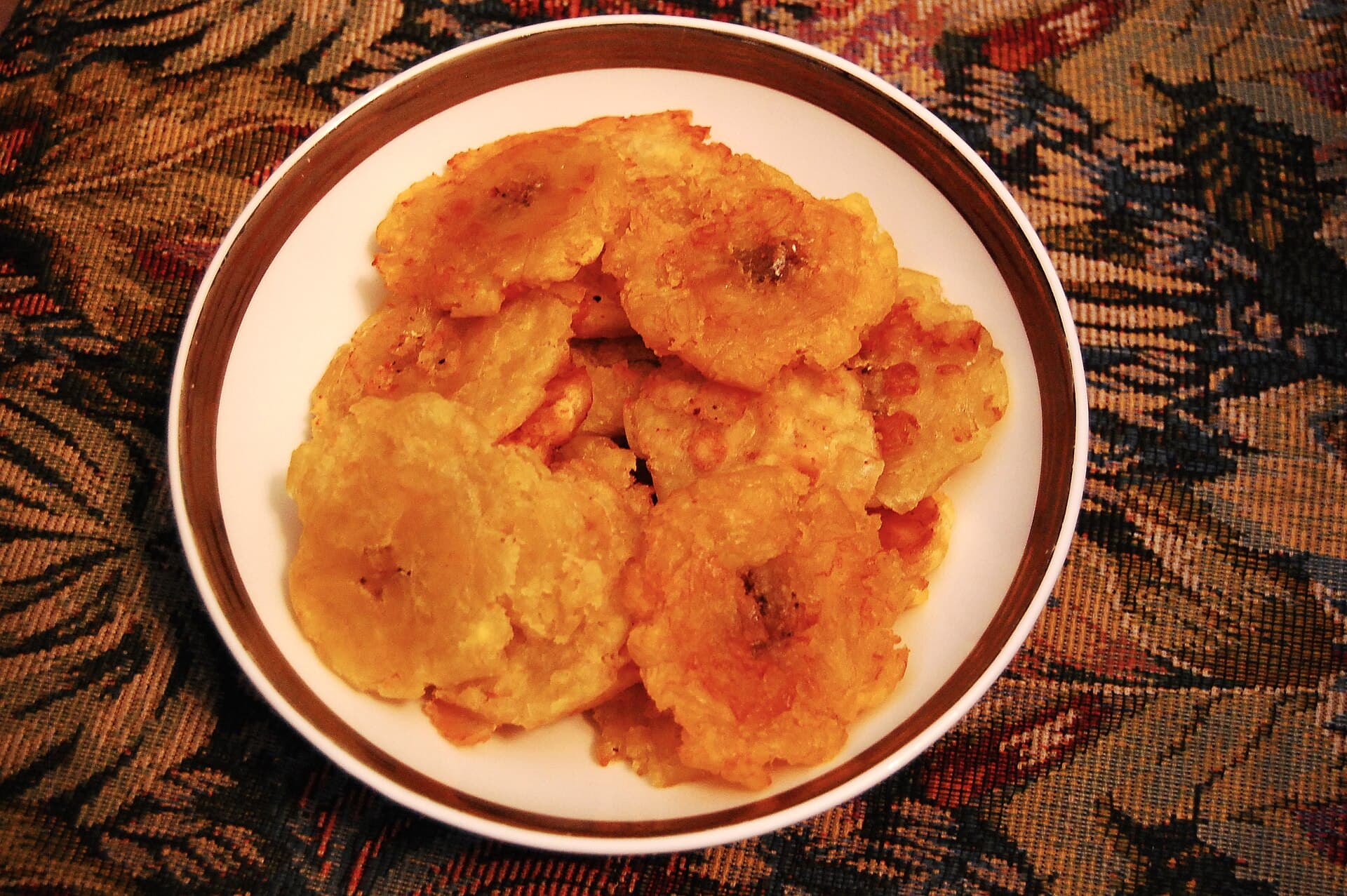
1500s-present
Tostones are flattened, twice-fried green plantain slices popular across Territories and Island America including Puerto Rico, Guam, the Philippines, and the Virgin Islands. This versatile snack or side dish exemplifies trans-Pacific culinary connections and the use of local tropical produce in island American food cultures.
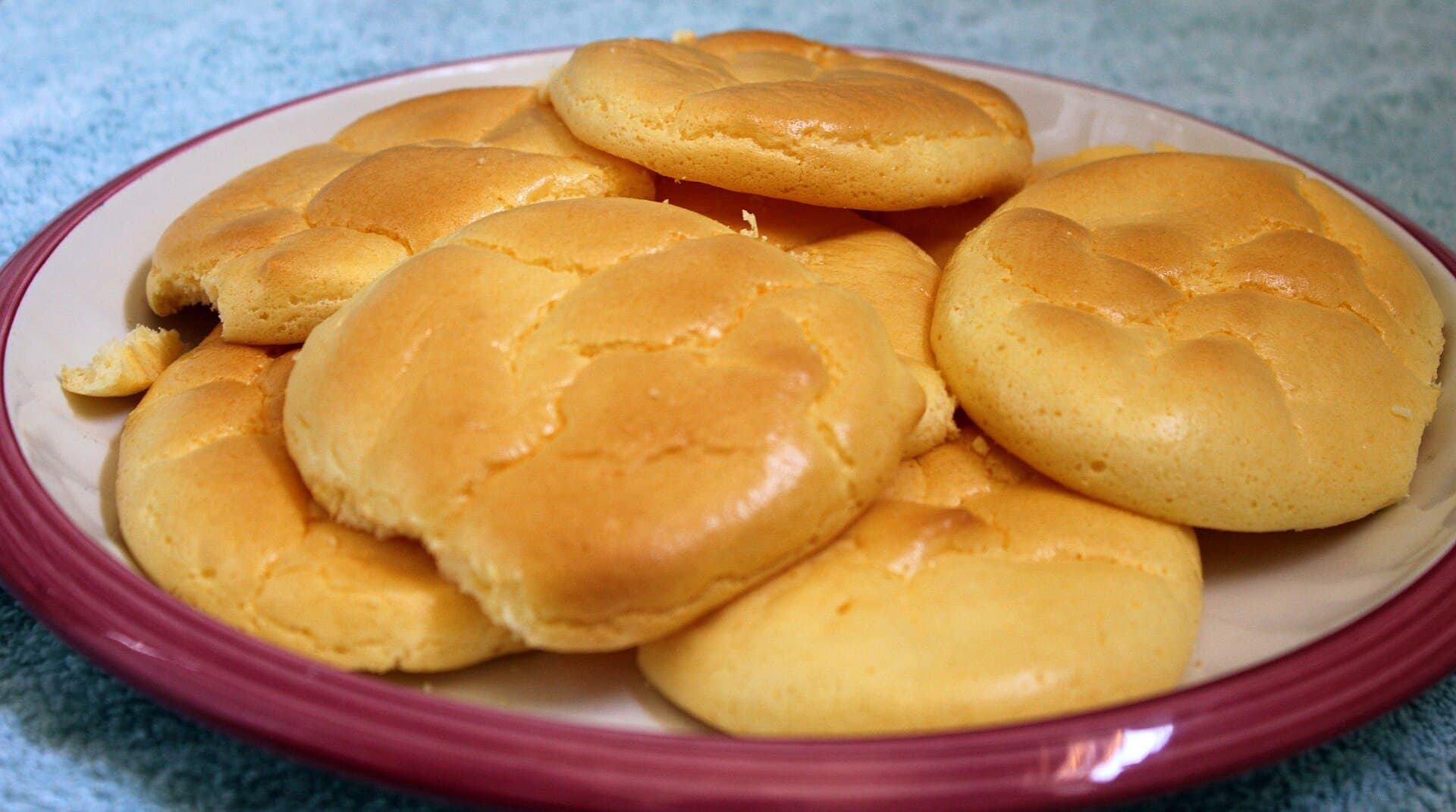
2010s-present
Cloud Bread is a modern, airy, low-carbohydrate bread alternative made with mainly eggs, cream cheese, and a small amount of flour or starch. It became popular as a viral food trend during the 2010s, particularly embraced by food truck vendors, health-conscious eaters, and social media platforms. Its light texture and minimal ingredients embody new American fusion adaptations suited for specialty diets and novelty appeal.