
Recipe archive
Loading
Setting the table...
Fetching the latest recipes from the archive.
Loading
Fetching the latest recipes from the archive.
Recipe archive
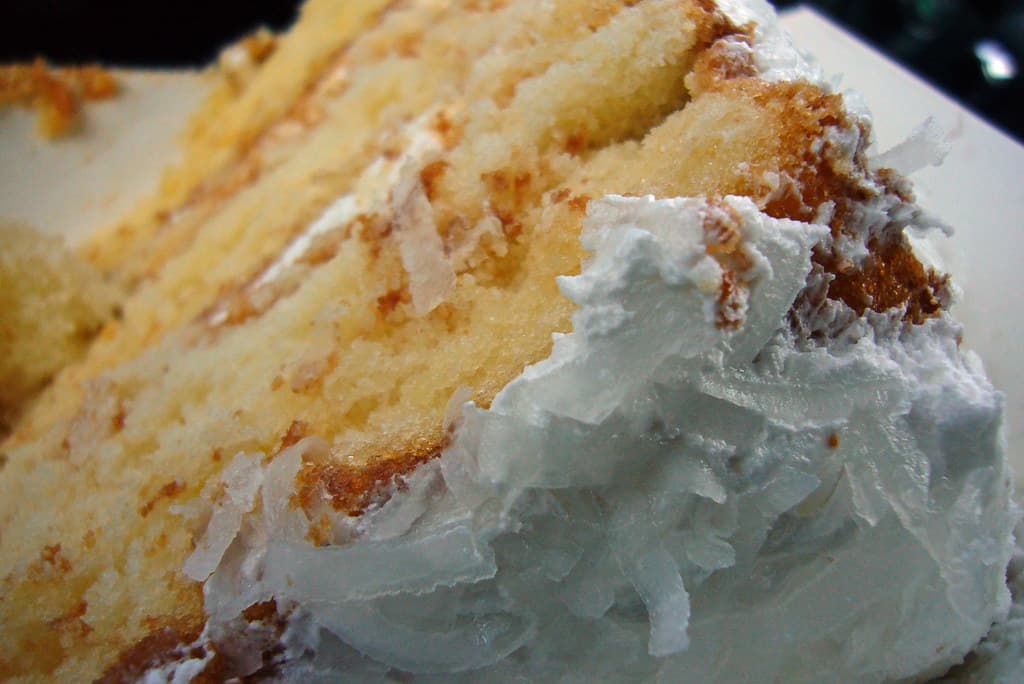
1800-1860 - Southern Home Bakers and Holiday Celebrants
Coconut Cake is a beloved Southern dessert featuring moist layers of vanilla or yellow cake frosted with rich coconut-flavored icing and topped with shredded coconut. Dating back to early 19th-century Southern United States, it gained particular popularity in holiday and Easter celebrations, reflecting the region's fondness for coconut and festive cakes between 1800 and 1860.
Community-powered photos. Reviewers can upload dish photos, and the highest-rated community image may be featured here.
Difficulty
Medium
Prep time
25 minutes
Cook time
35 minutes
Total time
1 hour
Servings
10
Region
South
Era introduced
1800-1860
Introduced by
Southern Home Bakers and Holiday Celebrants
Recipe tools
Log in to save this recipe to a collection.
Coconut Cake has been a cherished Southern dessert since the early 1800s, valued for its elegant appearance and rich coconut flavor. It became especially synonymous with Easter and holiday tables, where coconut symbolized sweetness and celebration. The cake's layered structure frosted generously with coconut reflects Southern hospitality and festive baking traditions, marking it as a regionally significant contribution to America's diverse dessert repertoire during the young Republic era.
Share family changes, regional twists, or pantry-friendly adaptations as full community recipes.
Log in to submit a community recipe.
No community recipes yet. Submitted recipes are published right away.
Rate this recipe and share how it worked at your table.
Log in to review this recipe.
No reviews yet. Be the first to rate this recipe.
Recipes matched by era, region, occasion, ingredients, and cultural roots from the archive.
Same era
America's Melting Pot
Acorn Bread photo coming soon
1800-1860
A nutty, lightly sweet quick bread made with properly leached acorn flour, cornmeal, and wheat flour.
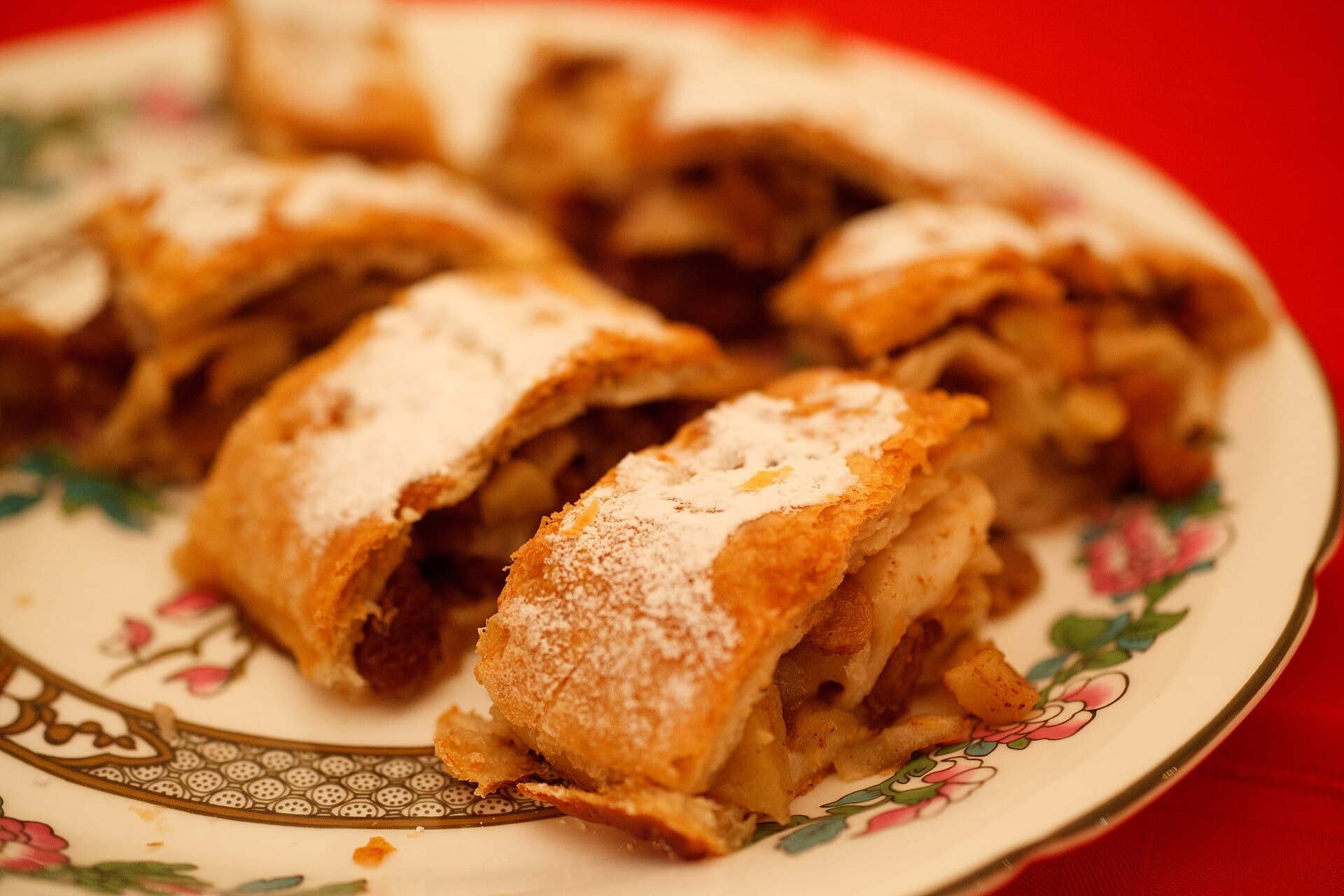
1800-1860
A German-American apple strudel made with crisp apples, raisins, cinnamon, buttered crumbs, and flaky phyllo for a practical home version of a Central European pastry.
America's Melting Pot
Asparagus photo coming soon
1800s/early 1900s-present
A bright American Easter asparagus side, quickly cooked and dressed with lemon butter, herbs, and hard-cooked egg in the spirit of old spring-table recipes.
Same region
America's Melting Pot
Collard Greens with Potlikker photo coming soon
1800-1860
Collard greens cooked slowly with smoked meat produce a flavorful broth called potlikker, traditionally served alongside or poured over cornbread. This dish exemplifies Southern homestyle cooking from the early 19th century, highlighting resourcefulness in using all parts of the cooked greens and broth. It remains a soulful and satisfying side or accompaniment to main courses.
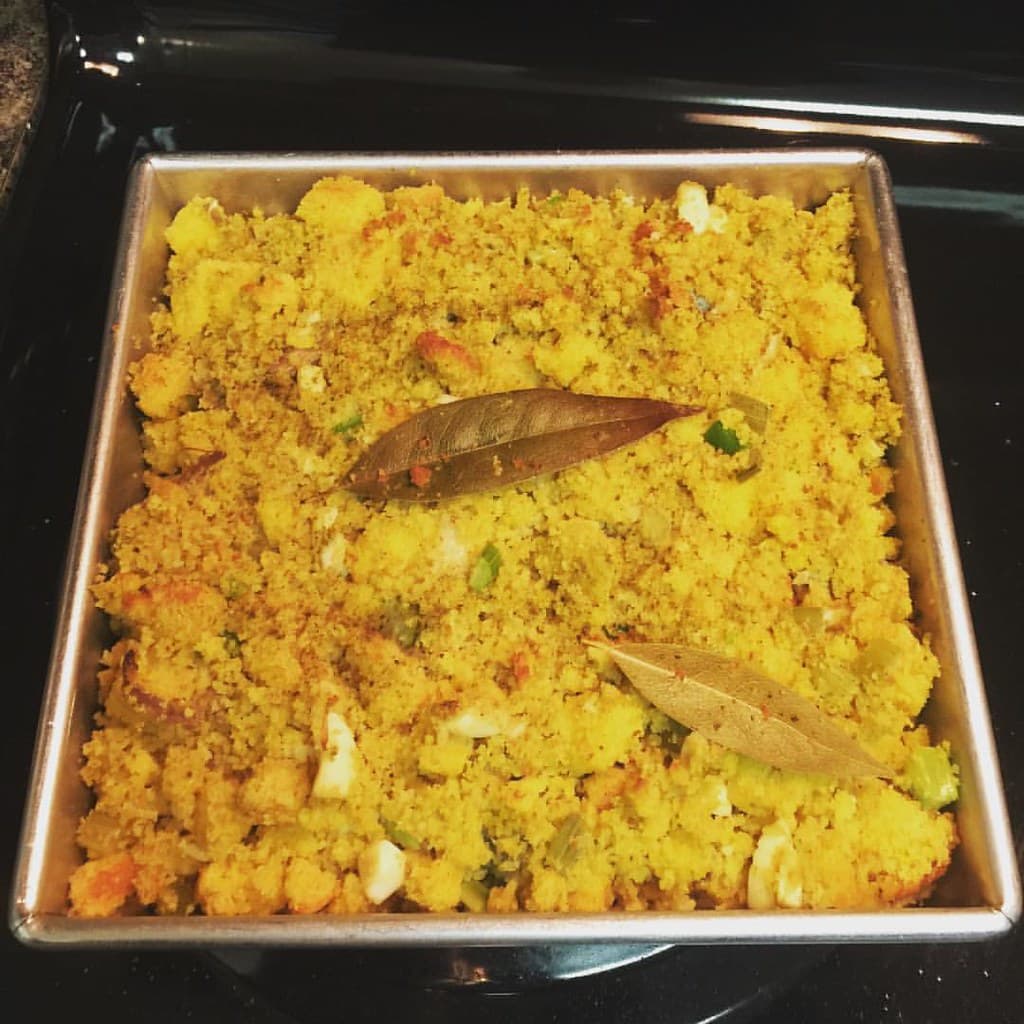
1800-1860
Cornbread dressing is a savory Southern side enjoyed especially during Thanksgiving, combining crumbled cornbread with herbs and often broth for moist stuffing.
America's Melting Pot
Country Ham photo coming soon
1800-1860
Country ham is a dry-cured, aged ham typical of Southern United States foodways dating back to the early 19th century. It is preserved with salt and aging, resulting in a salty, flavorful meat served in traditional Southern meals.
Same table
America's Melting Pot
Strawberry Pretzel Salad photo coming soon
1946-1969
Strawberry Pretzel Salad combines a salty pretzel crust, a creamy sweetened cream cheese layer, and a tangy strawberry gelatin topping. Emerging in postwar America, this recipe became a staple at holiday and Easter tables, marrying convenience with contrasting flavors and textures.
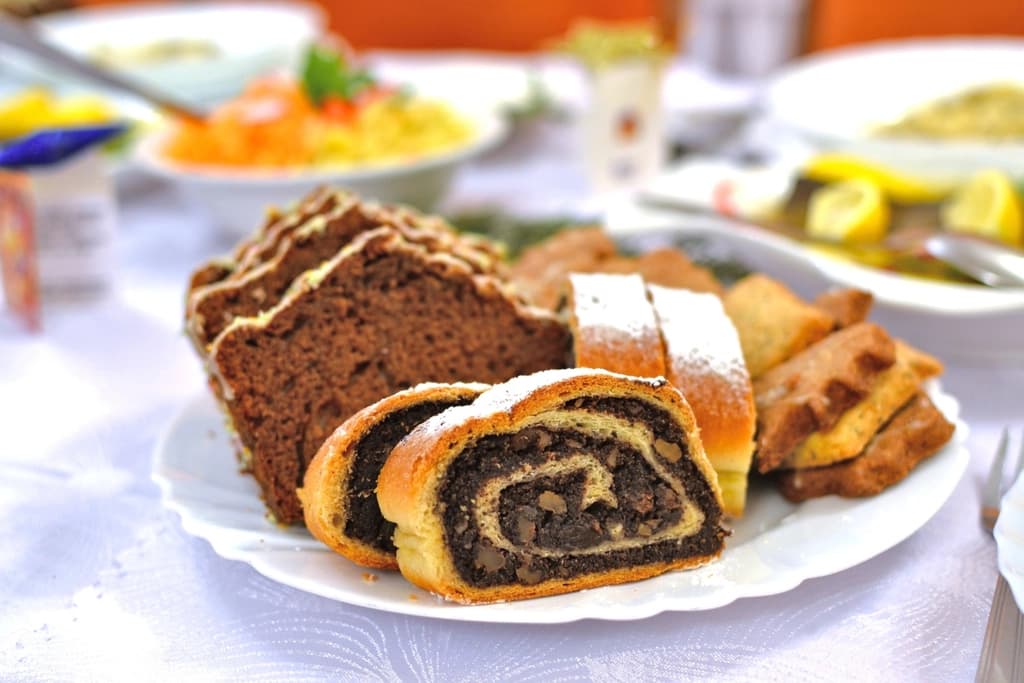
1880s-present
Poppy Seed Roll is a traditional Eastern European sweet yeast bread rolled around a dense poppy seed filling. This dessert became popular among Polish, Czech, and Slovak immigrant communities in American cities during the early 20th century.
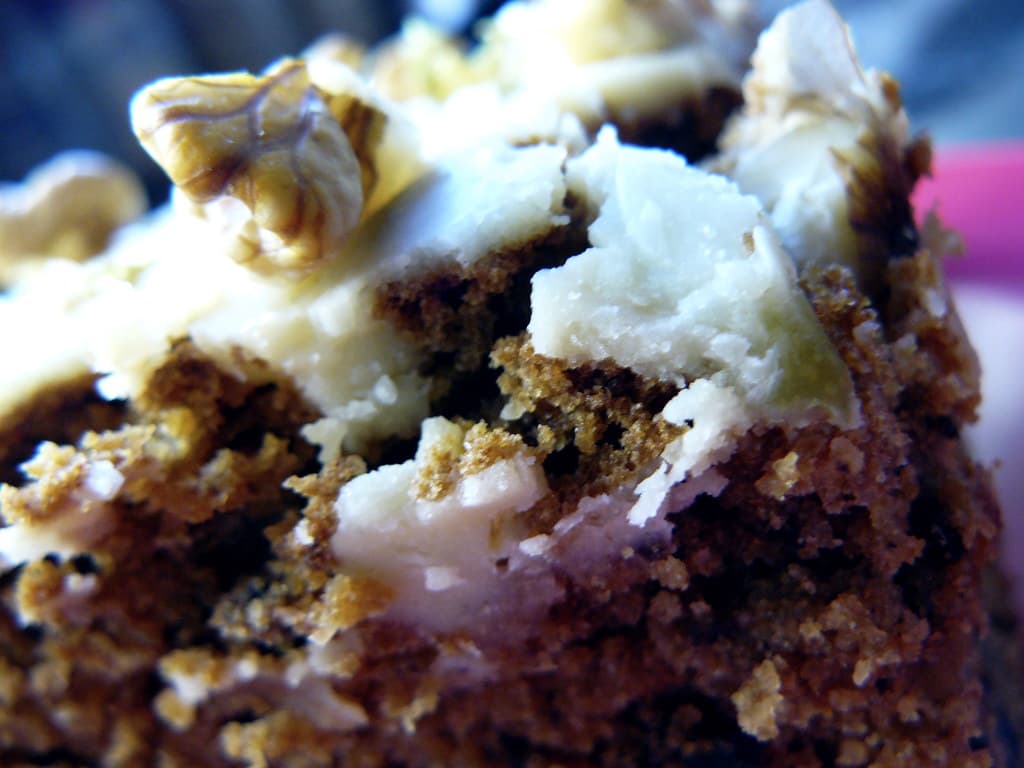
1960-2026
Carrot cake has older European roots in carrot puddings and cakes, but the American layer cake with oil, warm spices, nuts, and cream cheese frosting surged in the 1960s and 1970s. It became a party, bakery, and Easter-table classic.