
Recipe archive
Loading
Setting the table...
Fetching the latest recipes from the archive.
Loading
Fetching the latest recipes from the archive.
Recipe archive
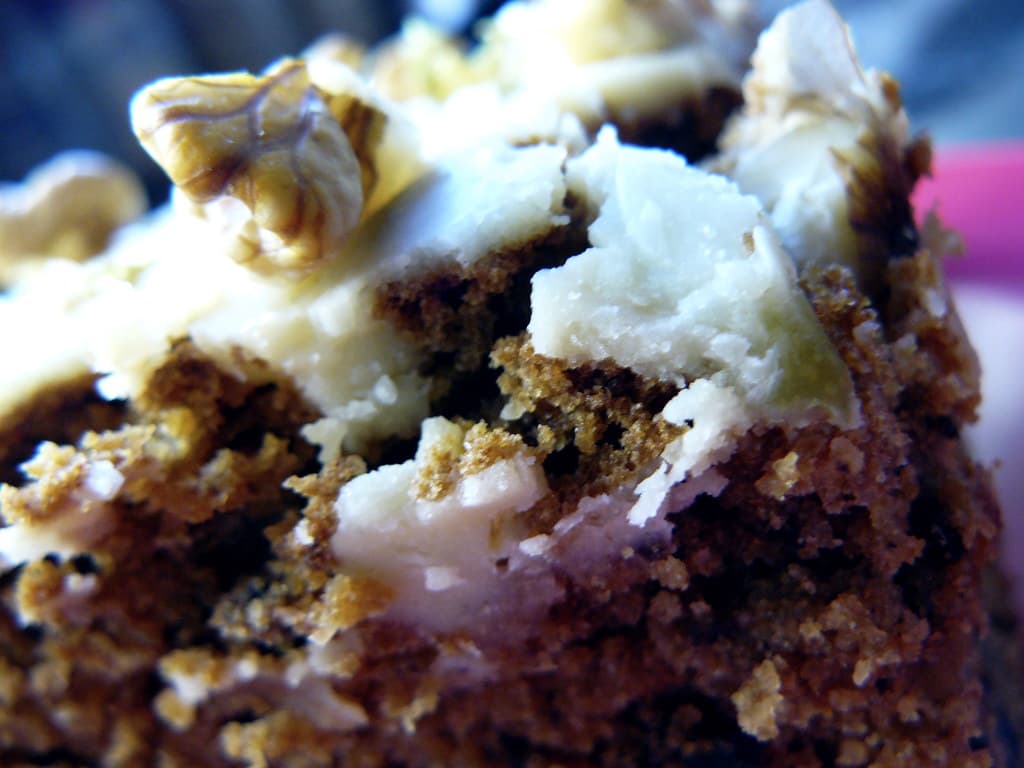
1960s-present - American bakery cooks and home bakers popularizing spiced carrot cake with cream cheese frosting
Carrot cake has older European roots in carrot puddings and cakes, but the American layer cake with oil, warm spices, nuts, and cream cheese frosting surged in the 1960s and 1970s. It became a party, bakery, and Easter-table classic.
Community-powered photos. Reviewers can upload dish photos, and the highest-rated community image may be featured here.
Difficulty
Moderate
Prep time
30 minutes
Cook time
35 minutes
Total time
1 hour 5 minutes plus cooling
Servings
12 servings
Region
United States bakeries and home kitchens
Era introduced
1960s-present
Introduced by
American bakery cooks and home bakers popularizing spiced carrot cake with cream cheese frosting
Recipe tools
Log in to save this recipe to a collection.
Carrot cake carries a health-food halo but eats like a celebration cake. Shredded carrots keep the crumb moist, oil makes the cake tender, and cinnamon, nutmeg, nuts, raisins, coconut, or pineapple can appear depending on the family recipe. Cream cheese frosting became the American signature, especially as carrot cake boomed in popularity during the 1970s.
Share family changes, regional twists, or pantry-friendly adaptations as full community recipes.
Log in to submit a community recipe.
No community recipes yet. Submitted recipes are published right away.
Rate this recipe and share how it worked at your table.
Log in to review this recipe.
No reviews yet. Be the first to rate this recipe.
Recipes matched by era, region, occasion, ingredients, and cultural roots from the archive.
Same era
1960-2026
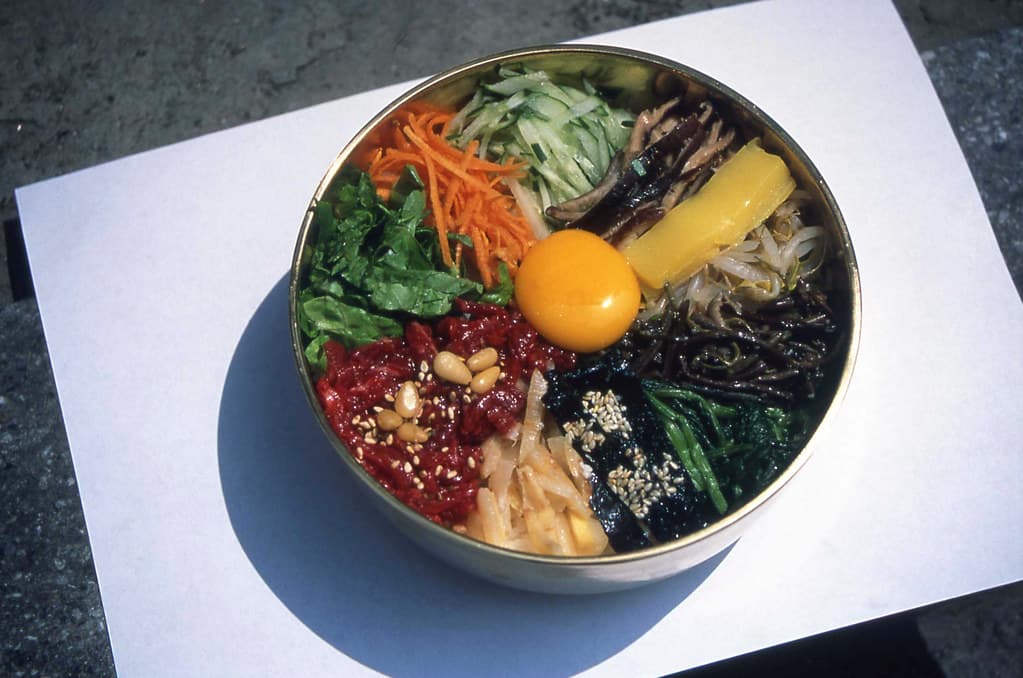
Bibimbap is a Korean classic with several origin stories, from palace meals to farmers mixing available vegetables. In the United States it became a Korean American restaurant and home-cooking staple because the format is flexible, colorful, and practical.
1960-2026
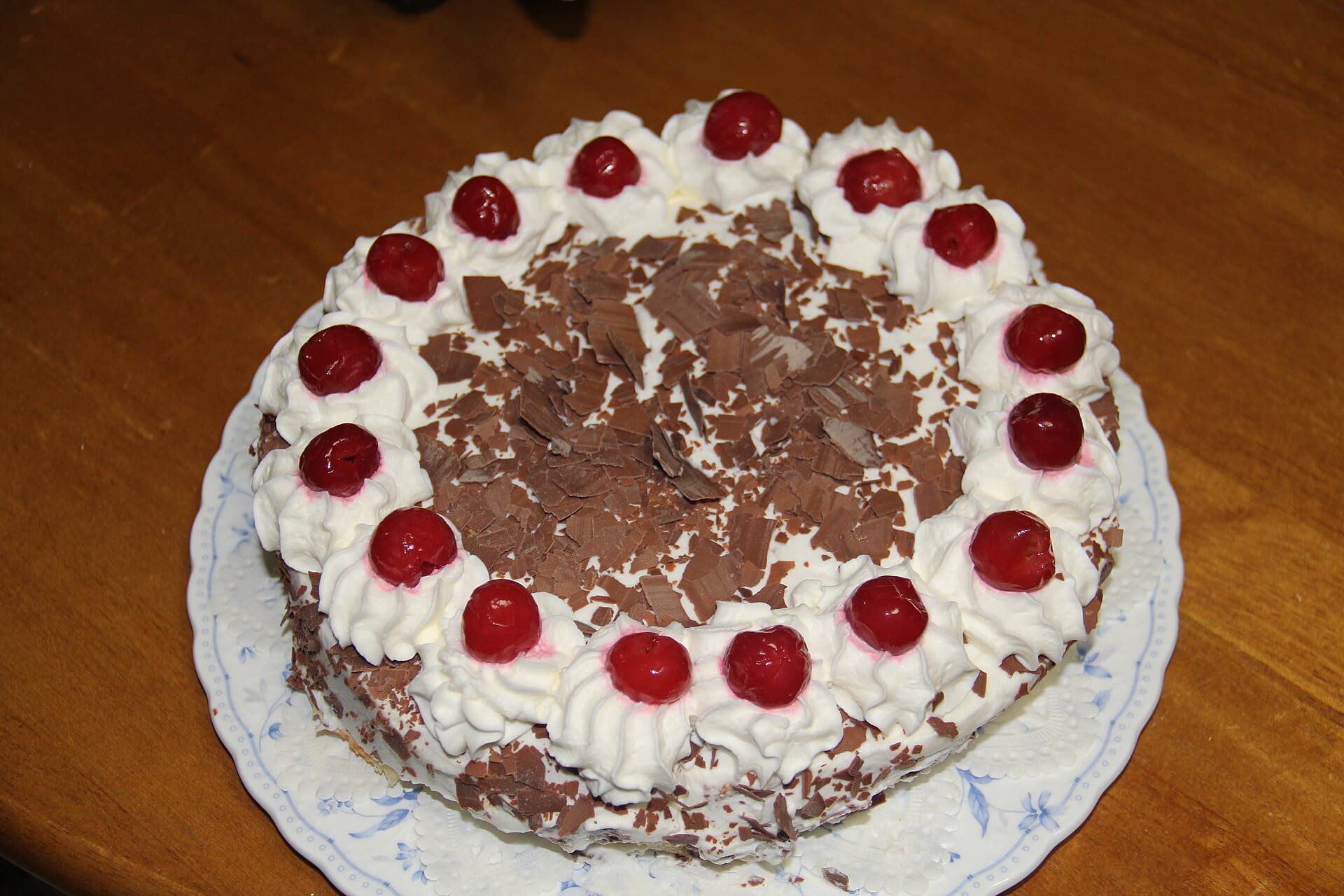
Black Forest cake, or Schwarzwalder Kirschtorte, came from German pastry traditions and became popular in the United States in the mid-20th century. American versions often soften the kirsch element but keep chocolate, cherries, and whipped cream.
1964-2026
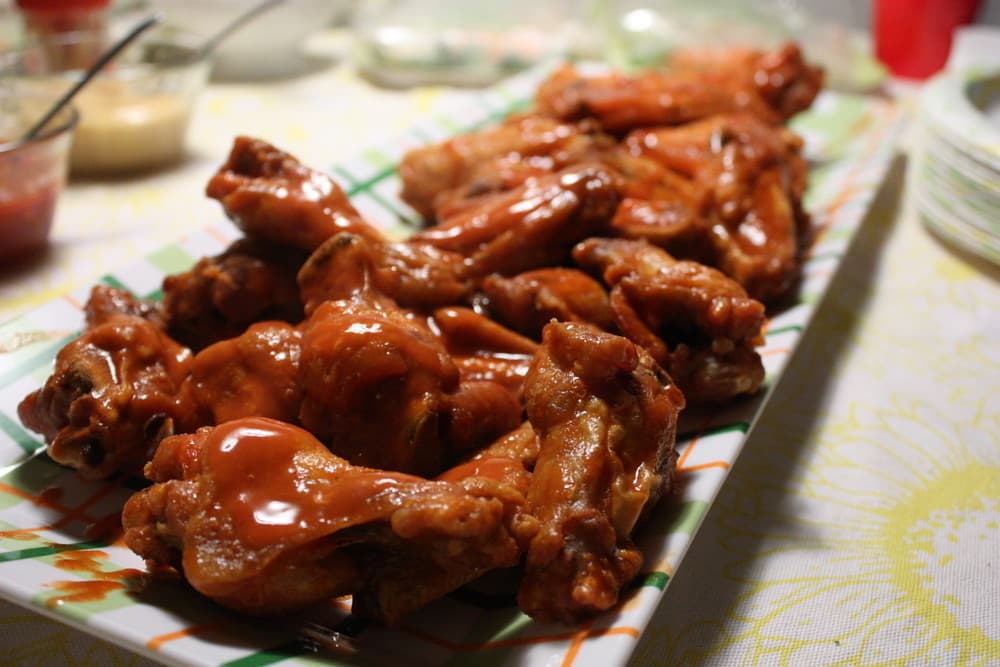
Buffalo wings became a national American bar-food icon after their rise in Buffalo, New York, especially through Anchor Bar lore around Teressa Bellissimo in 1964. Other Buffalo cooks also shaped local wing culture, but the hot-sauce-and-butter wing became the template.
Same region
America's Melting Pot
Air Fryer Cheese Curds photo coming soon
2010-2026
Fresh cheese curds coated in seasoned panko, chilled, and air-fried until crisp outside and molten inside.
America's Melting Pot
Air Fryer Tater Tots photo coming soon
2010-2026
Frozen potato tots cooked in the air fryer until deeply crisp outside and fluffy inside.
America's Melting Pot
Almond Chicken photo coming soon
1900s-present
Crisp boneless chicken served over lettuce with brown gravy, scallions, and toasted almonds.
Same table
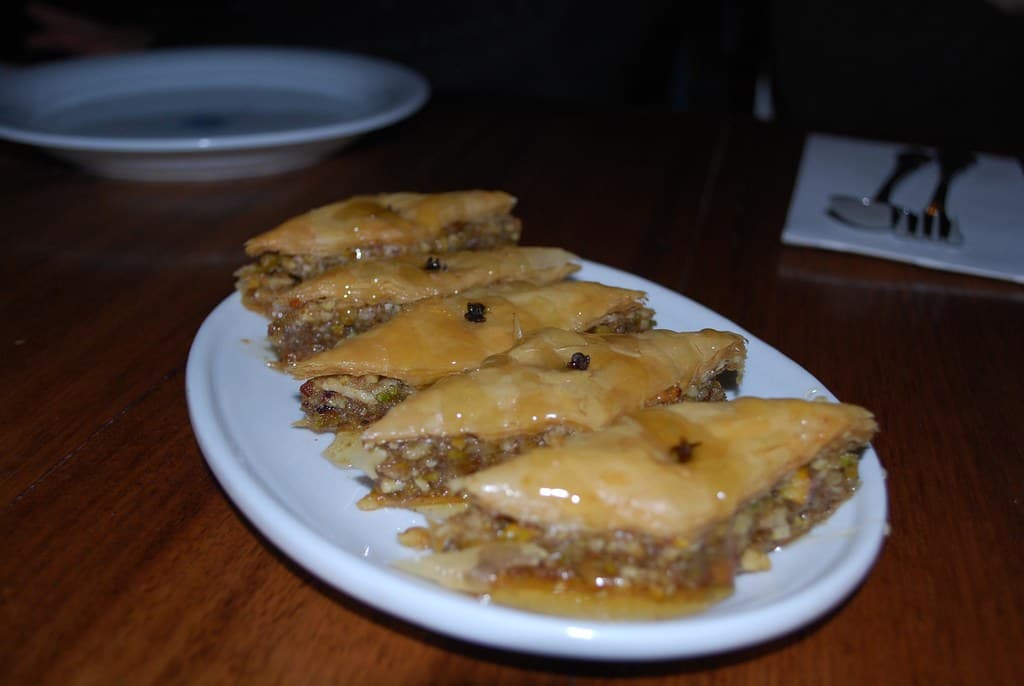
1900-2026
A Greek American-style baklava made with buttered phyllo, walnuts and pistachios, cinnamon, honey syrup, and lemon.
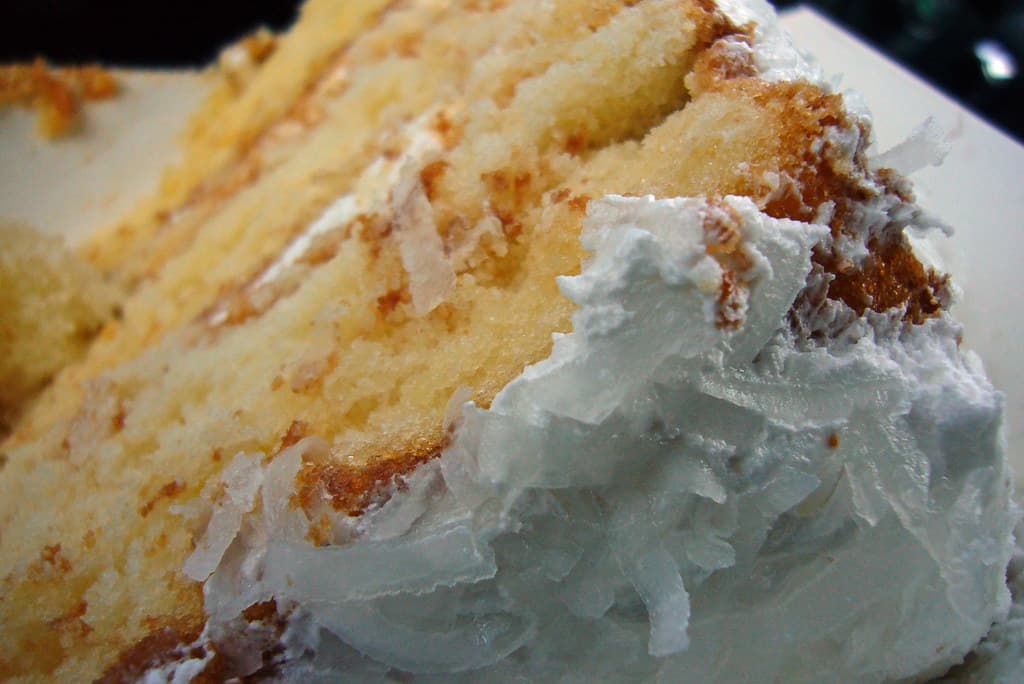
1800-1860
Coconut Cake is a beloved Southern dessert featuring moist layers of vanilla or yellow cake frosted with rich coconut-flavored icing and topped with shredded coconut. Dating back to early 19th-century Southern United States, it gained particular popularity in holiday and Easter celebrations, reflecting the region's fondness for coconut and festive cakes between 1800 and 1860.
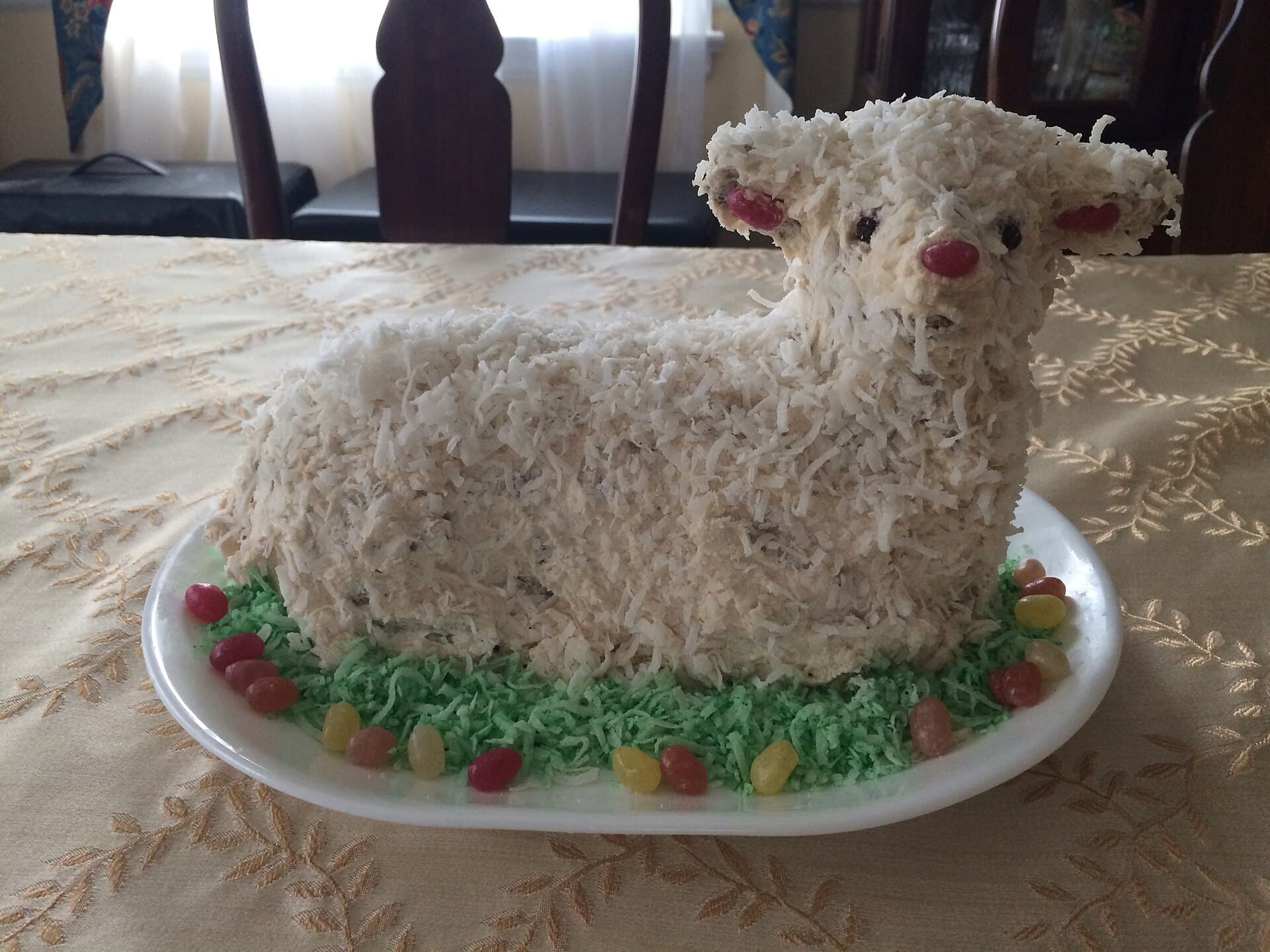
1900s-present
Lamb cake is a dessert shaped into a lamb, traditionally served at Easter celebrations in various American communities. The cake symbolizes purity and resurrection, often made using a molded pan and decorated with frosting to resemble wool. Its cross-era presence illustrates the blending of European Easter customs with American holiday traditions.