
Recipe archive
Loading
Setting the table...
Fetching the latest recipes from the archive.
Loading
Fetching the latest recipes from the archive.
Recipe archive
America's Melting Pot
Corn Soup hero image coming soon
Before 1776 - Indigenous American Communities and Settler Families of the Early United States.
Corn soup is a nourishing dish rooted in Indigenous American foodways, made with fresh or dried corn and vegetables. It was a common staple during the early 19th century, reflecting traditional methods of using native crops for sustenance.
No featured photo yet. Upload a photo with your review. The highest-rated community photo may become this recipe's hero image.
Difficulty
Medium
Prep time
15 minutes
Cook time
45 minutes
Total time
1 hour
Servings
6
Region
Haudenosaunee and Eastern Woodlands corn kitchens
Era introduced
Before 1776
Introduced by
Indigenous American Communities and Settler Families of the Early United States.
Recipe tools
Log in to save this recipe to a collection.
Corn has been a foundational crop for Indigenous peoples across North America long before European contact. Corn soup, combining this staple with other native vegetables and herbs, provided nourishment and warmth in expanding settlements and young republic kitchens during the early 1800s. Recipes and ingredients varied regionally but always reflected sustainable, local food traditions.
Share family changes, regional twists, or pantry-friendly adaptations as full community recipes.
Log in to submit a community recipe.
No community recipes yet. Submitted recipes are published right away.
Rate this recipe and share how it worked at your table.
Log in to review this recipe.
No reviews yet. Be the first to rate this recipe.
Recipes matched by era, region, occasion, ingredients, and cultural roots from the archive.
Same era
1500s-present
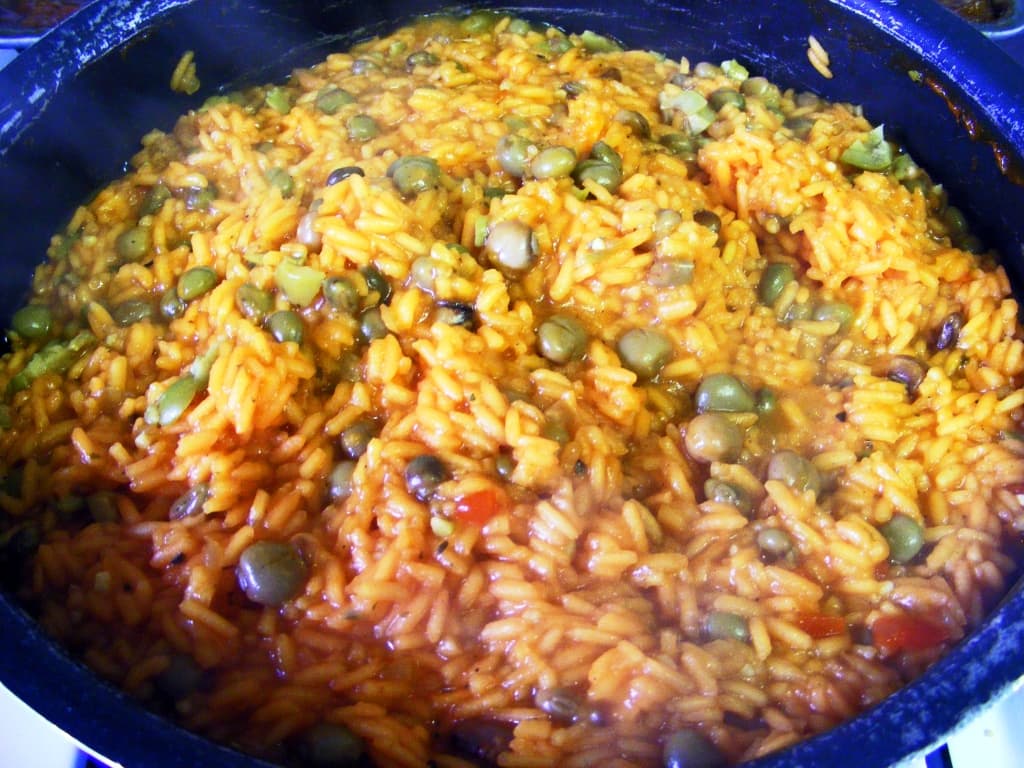
A Puerto Rican arroz con gandules made in one pot with medium-grain rice, pigeon peas, sofrito, sazon, pork, olives, and a patient steam for fluffy grains and coveted pegao.
America's Melting Pot
Chokecherry Sauce photo coming soon
pre-1776-present
Chokecherry Sauce is a tart and flavorful condiment made from the chokecherry fruit, historically prepared by Indigenous American peoples across the United States from the early 19th century. This sauce functions as an accompaniment to game meats and poultry, showcasing native foraging and preservation techniques during the Expansion and Young Republic period. It exemplifies Indigenous foodways adapted to settler tables while maintaining cultural culinary heritage.
pre-1776-present
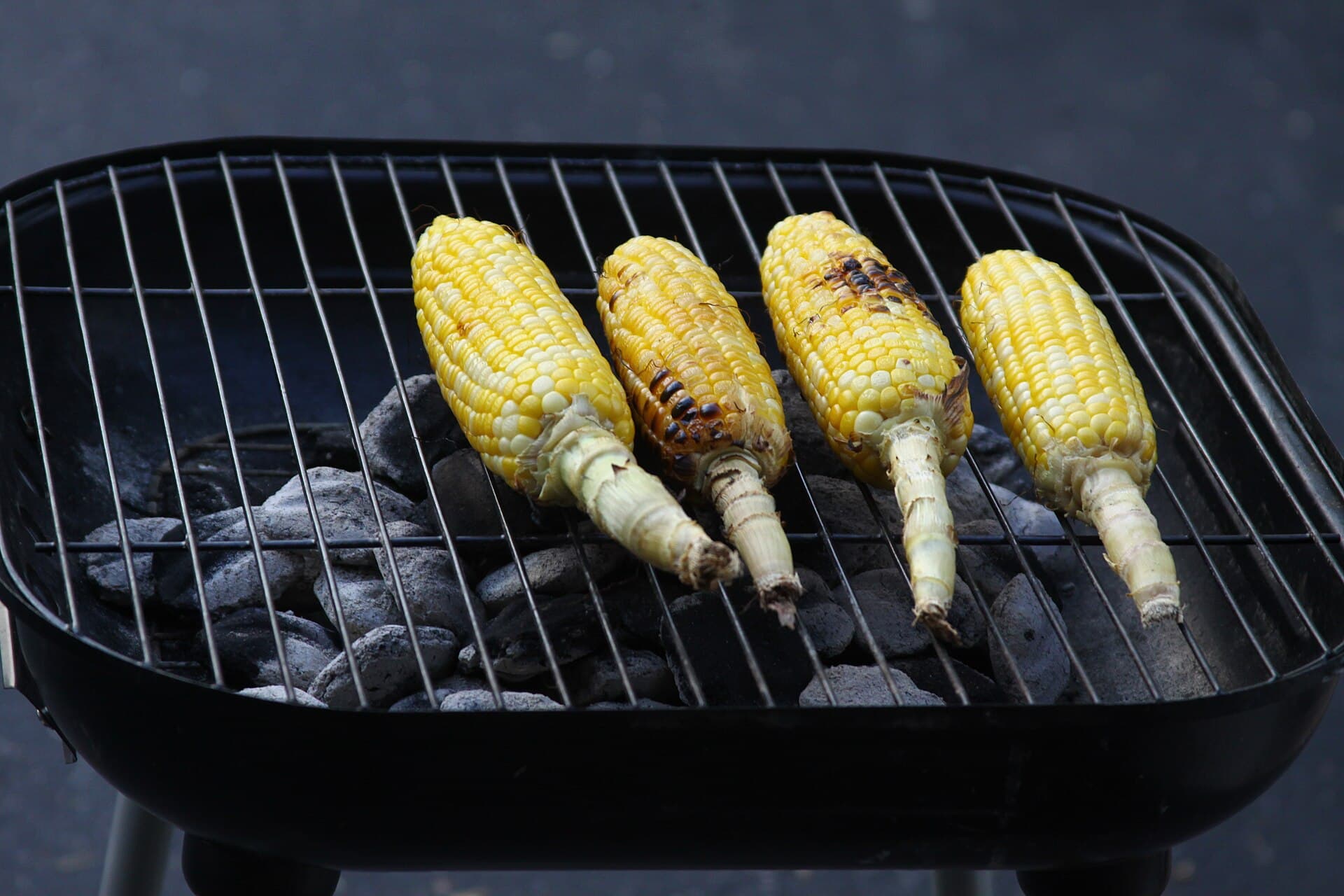
Corn on the cob is a simple, beloved summer side dish traditionally enjoyed at Fourth of July celebrations and backyard cookouts across the United States. Boiled or grilled fresh corn with butter and salt has long been a staple of American holiday tables.
Same region
pre-1776-present
Corn on the cob is a simple, beloved summer side dish traditionally enjoyed at Fourth of July celebrations and backyard cookouts across the United States. Boiled or grilled fresh corn with butter and salt has long been a staple of American holiday tables.
1700-2026
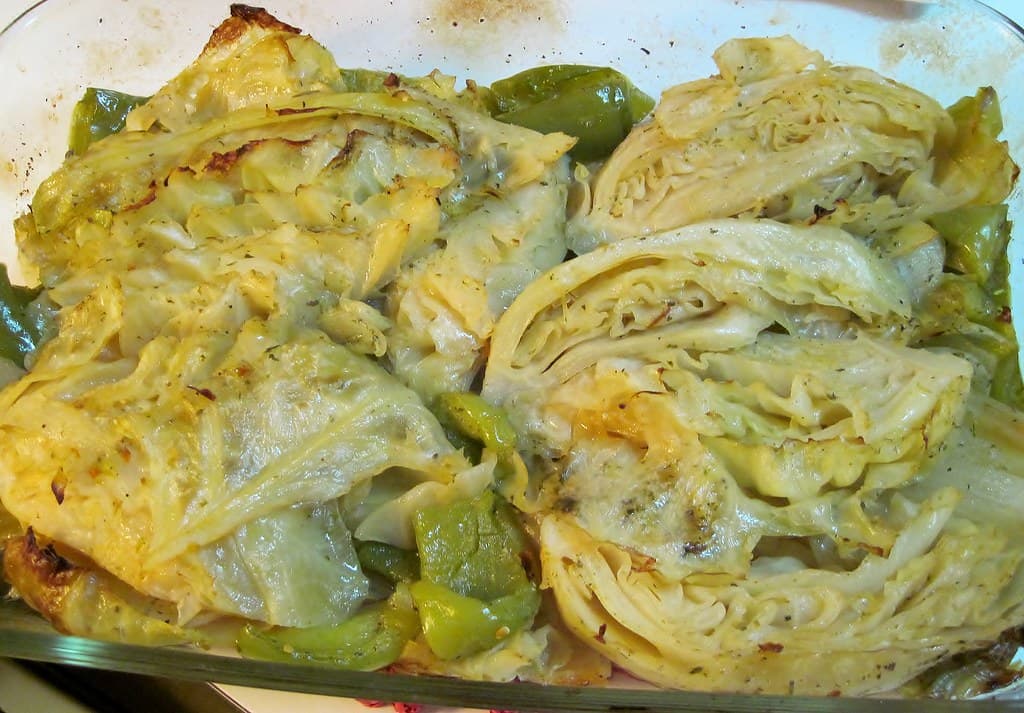
Braised cabbage is an old, practical side dish because cabbage stores well, feeds many, and softens beautifully with slow moist heat. American versions draw from British, German, Irish, and Eastern European cabbage cookery as well as plain farm-table thrift.
1900-2026
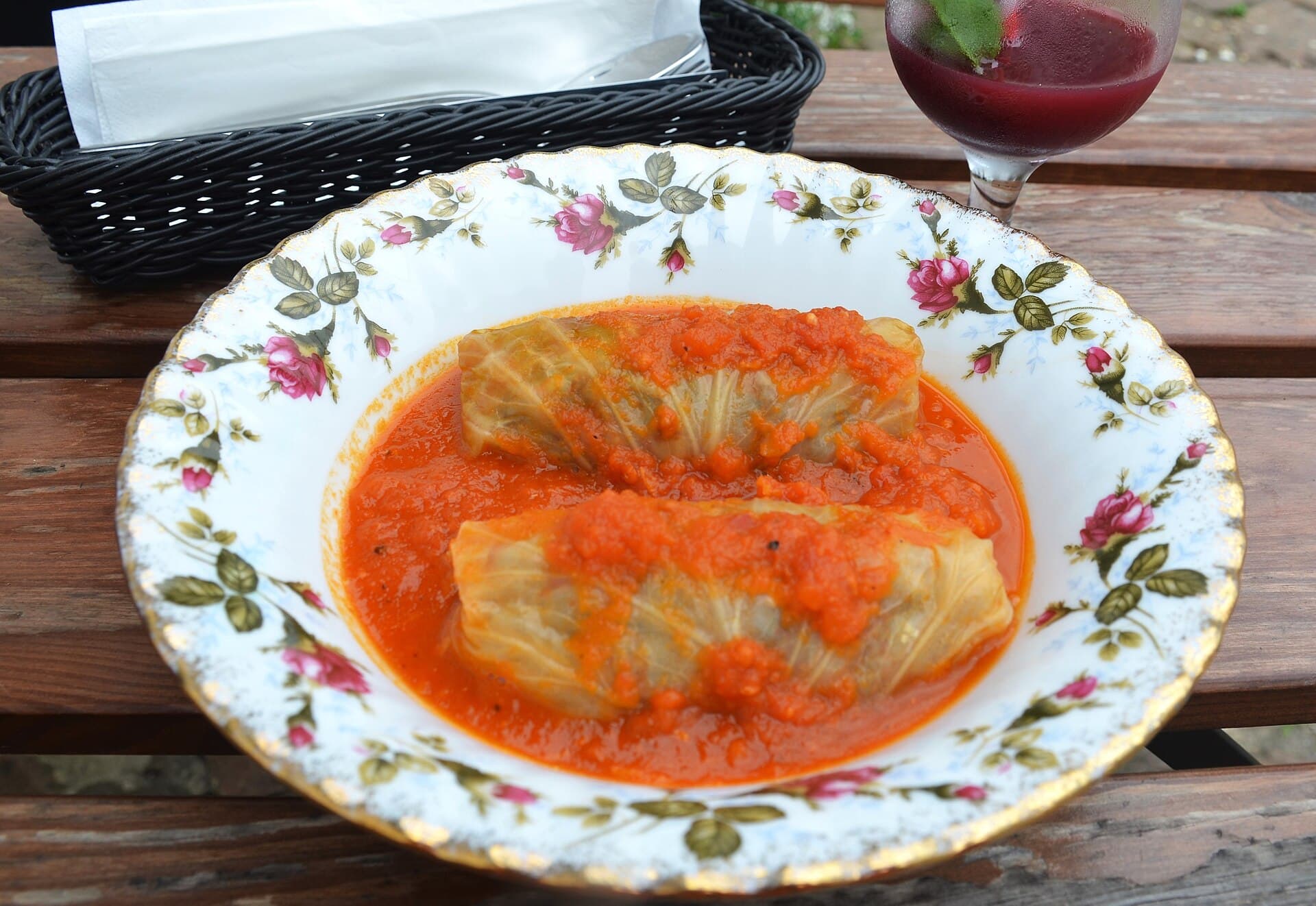
Cabbage rolls came to American tables through many Eastern European and Jewish immigrant communities. Polish golabki, Ukrainian holubtsi, Slovak holubky, Jewish holishkes, and related dishes all wrap humble cabbage around a filling that stretches meat with rice or grain.
Same table
America's Melting Pot
Wild Rice Soup photo coming soon
1800-1860
Wild Rice Soup is a creamy, savory dish featuring indigenous wild rice combined with vegetables and broth, popular in the American Midwest since the early 19th century. It reflects Native American foodways adapted into settler cooking traditions with regional ingredients.
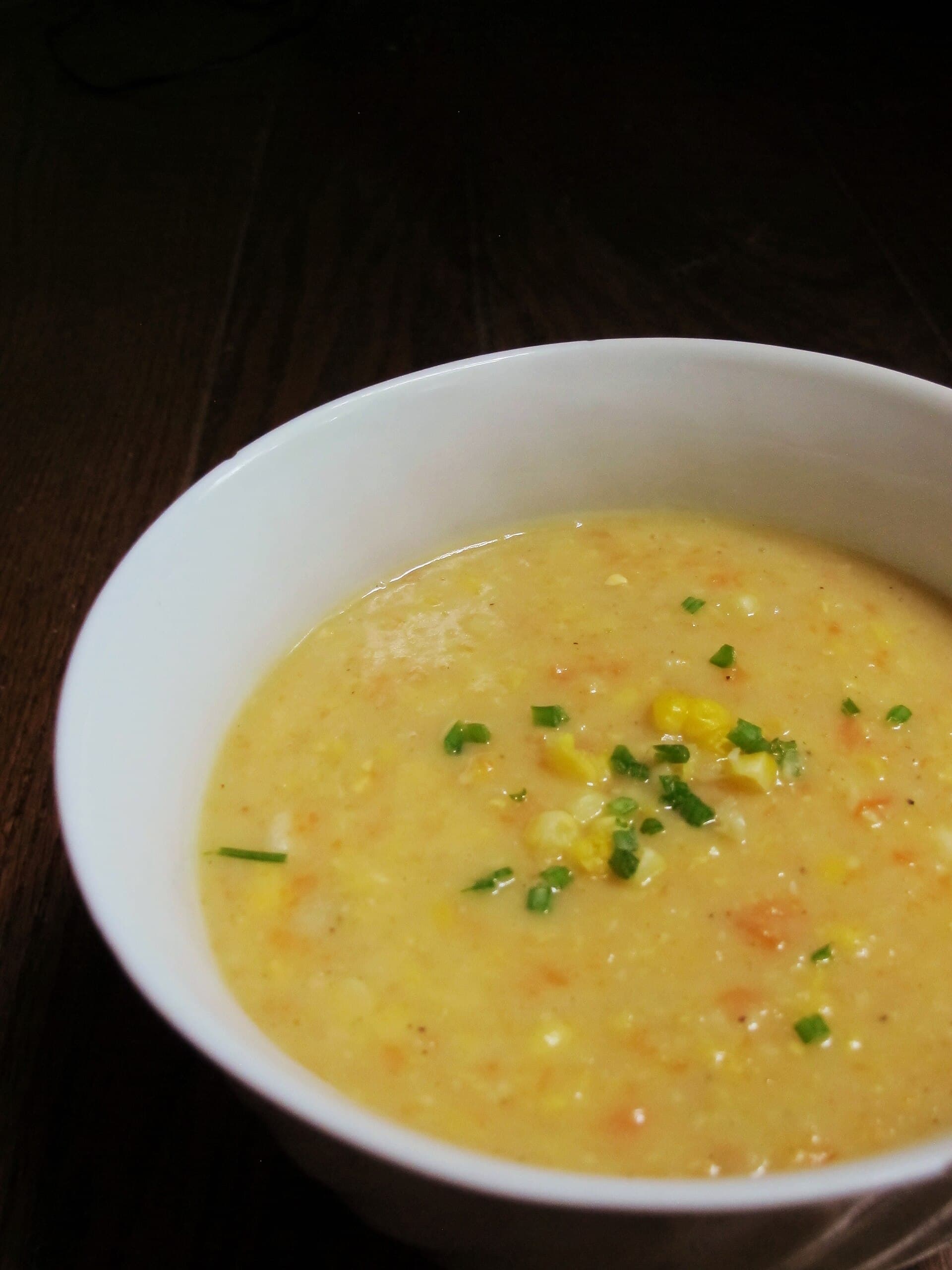
1700s-present
Corn chowder is a creamy and filling soup showcasing fresh or canned corn with potatoes, onions, and occasionally bacon or salt pork, enjoyed across the United States over multiple eras.
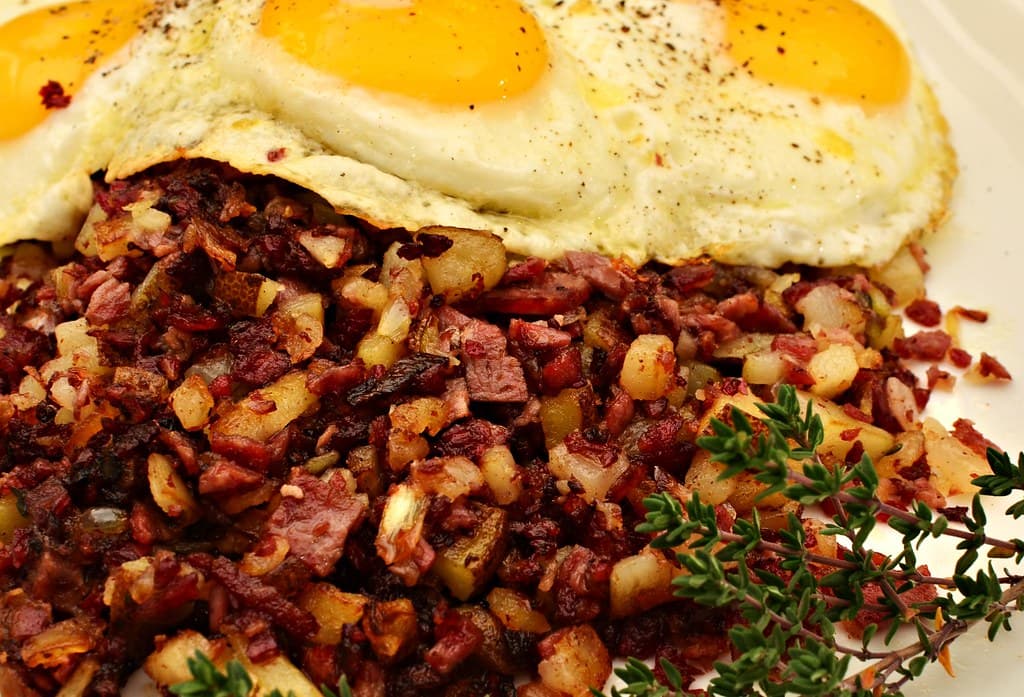
1900s-present
Corned beef hash is a simple blend of chopped corned beef, potatoes, and onions, pan-fried to a crispy breakfast dish popular on the World War II home front.