
Recipe archive
Loading
Setting the table...
Fetching the latest recipes from the archive.
Loading
Fetching the latest recipes from the archive.
Recipe archive
America's Melting Pot
Cornmeal-Crusted Trout hero image coming soon
1800-1860 - Colonial American cooks and early settlers
Cornmeal-crusted trout is a simple early American dish where fresh trout fillets are coated in seasoned cornmeal and pan-fried, common during the Revolutionary period.
No featured photo yet. Upload a photo with your review. The highest-rated community photo may become this recipe's hero image.
Difficulty
Easy
Prep time
10 minutes
Cook time
15 minutes
Total time
25 minutes
Servings
4
Region
Southern Appalachian mountain-stream and camp kitchens
Era introduced
1800-1860
Introduced by
Colonial American cooks and early settlers
Recipe tools
Log in to save this recipe to a collection.
In the late 18th century, fresh fish like trout were plentiful in American waterways and prepared simply by coating in cornmeal and pan-frying. This method added texture and flavor while making use of the widely available cornmeal staple. Cornmeal-crusted trout exemplifies the practical, no-frills cooking of the Revolutionary era, showcasing native species and colonial ingredients in daily diets.
Share family changes, regional twists, or pantry-friendly adaptations as full community recipes.
Log in to submit a community recipe.
No community recipes yet. Submitted recipes are published right away.
Rate this recipe and share how it worked at your table.
Log in to review this recipe.
No reviews yet. Be the first to rate this recipe.
Recipes matched by era, region, occasion, ingredients, and cultural roots from the archive.
Same era
America's Melting Pot
Acorn Bread photo coming soon
1800-1860
A nutty, lightly sweet quick bread made with properly leached acorn flour, cornmeal, and wheat flour.
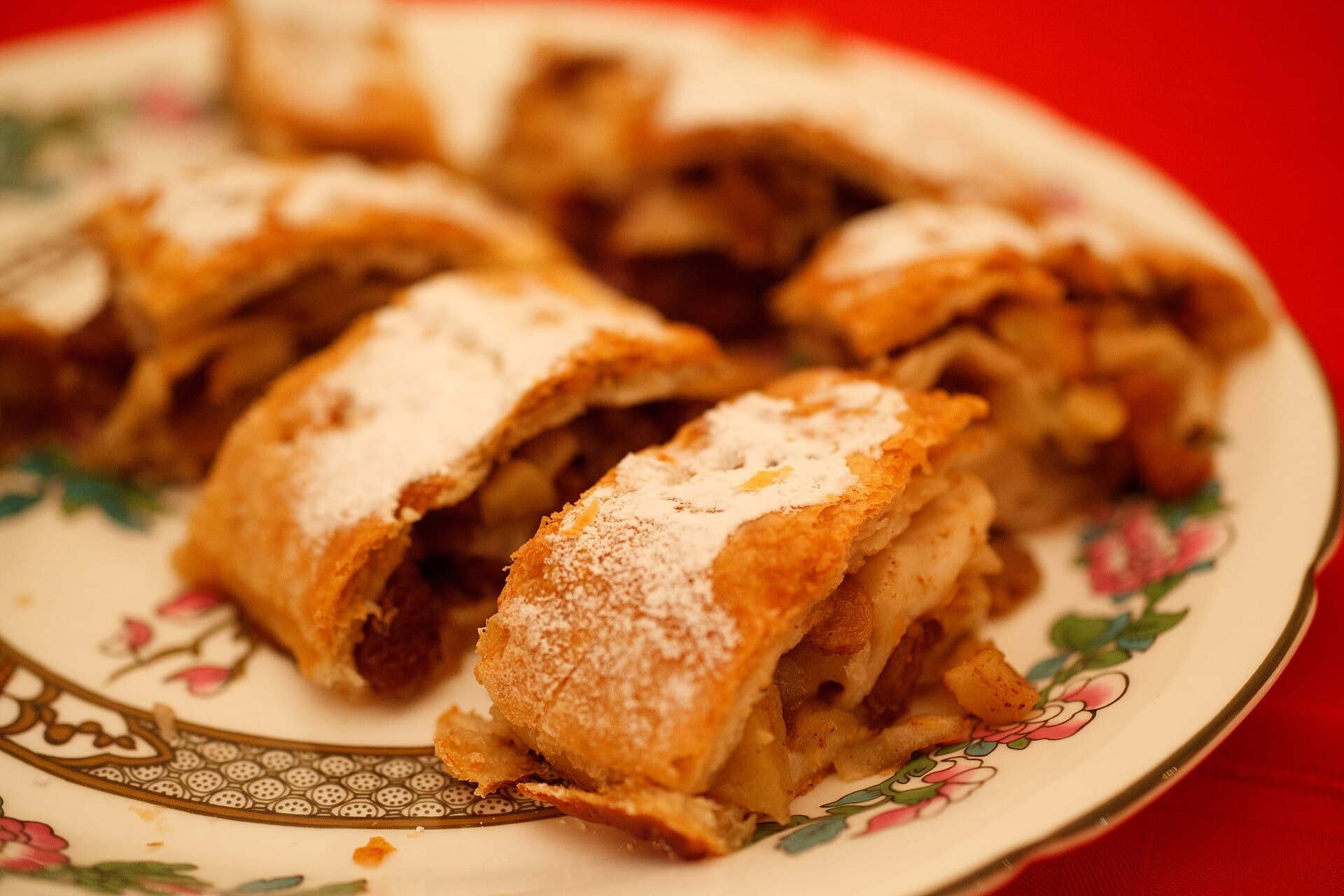
1800-1860
A German-American apple strudel made with crisp apples, raisins, cinnamon, buttered crumbs, and flaky phyllo for a practical home version of a Central European pastry.
America's Melting Pot
Asparagus photo coming soon
1800s/early 1900s-present
A bright American Easter asparagus side, quickly cooked and dressed with lemon butter, herbs, and hard-cooked egg in the spirit of old spring-table recipes.
Same region
America's Melting Pot
Trout with Cornmeal Crust photo coming soon
1800s-present
This recipe features fresh trout coated in a crispy cornmeal crust, a favored preparation method in American hunting and fishing camps. Showcasing simple ingredients and straightforward technique, it highlights the rustic flavors celebrated in cabin and outdoor cooking traditions.
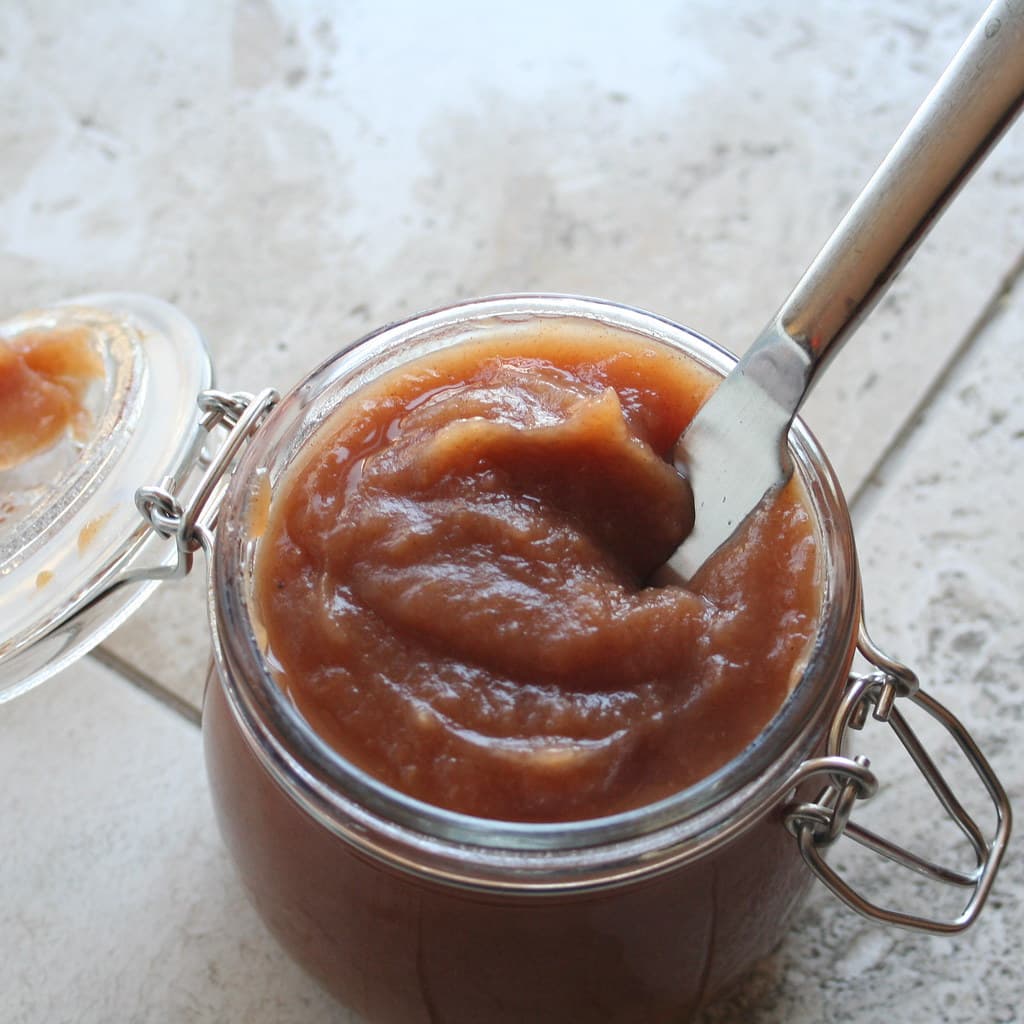
1700s-present
Apples cooked down with cider, sugar, and warm spices into a dark, spreadable fruit butter.
America's Melting Pot
Apple Butter on Biscuits photo coming soon
1700s-present
Warm buttermilk biscuits split and served with butter and spiced apple butter.
Same table
America's Melting Pot
Cornbread and Milk photo coming soon
1800-1860
Cornbread and milk represent a modest, nourishing staple from Appalachian frontier kitchens between 1800 and 1860. This pairing reflects the daily diets of settlers who relied on readily available cornmeal and dairy.
America's Melting Pot
Cornbread and Beans photo coming soon
1930s-present
Cornbread and beans was a nutritional and affordable meal staple during the Great Depression, combining inexpensive ingredients to create a filling dish. Beans, often pinto or kidney varieties, provided protein and fiber, while cornbread offered a comforting starch. This pairing sustained many American families through economic hardship and is now a symbolic representation of depression-era resourcefulness in foodways.
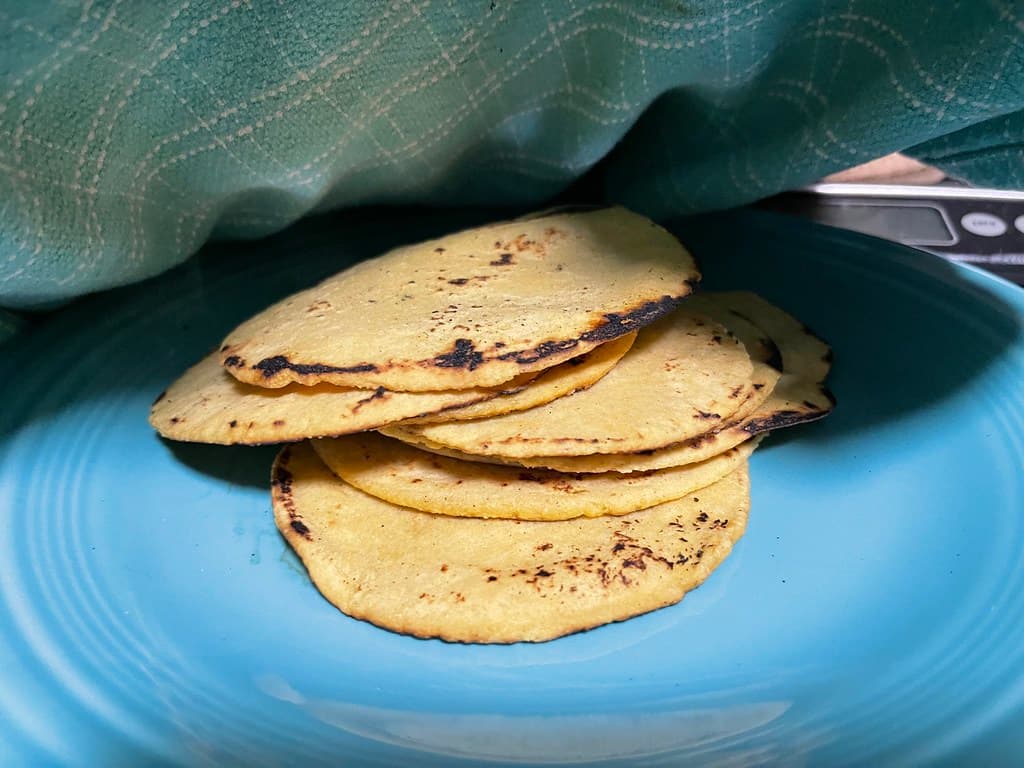
1800-1860
Corn tortillas are a fundamental staple of Mexican and Southwestern cuisine, made from nixtamalized corn masa. In the early 19th century, these tortillas were widely consumed in Spanish borderlands and Mexican-American communities, providing a versatile bread substitute.