
Recipe archive
Loading
Setting the table...
Fetching the latest recipes from the archive.
Loading
Fetching the latest recipes from the archive.
Recipe archive
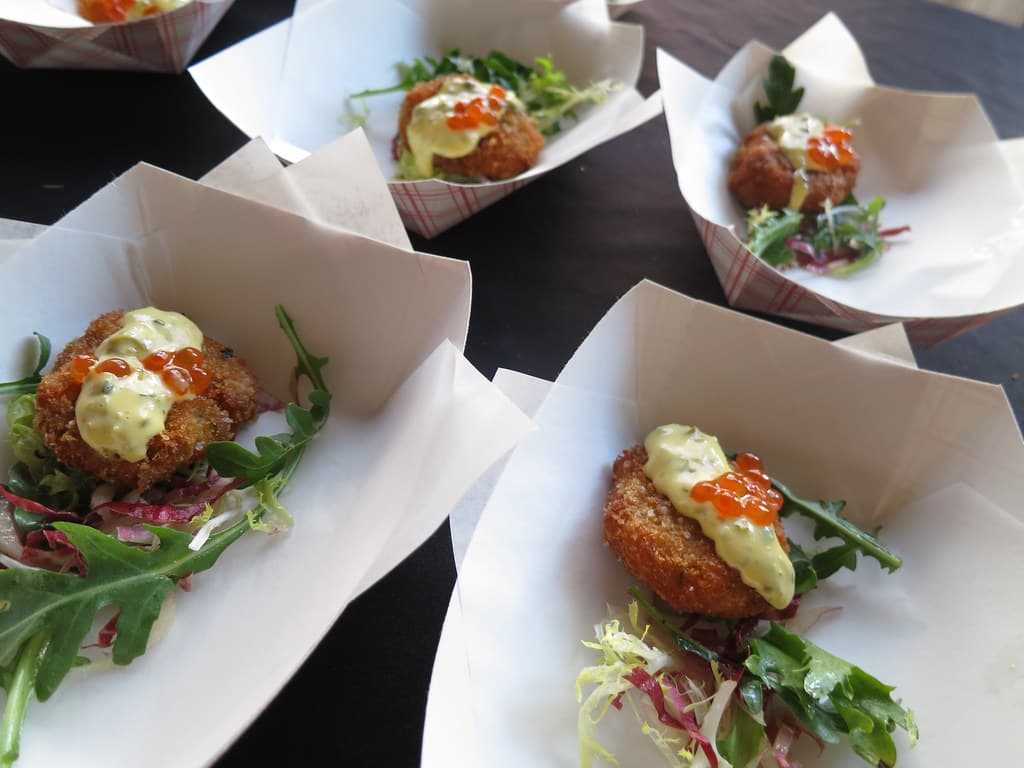
1861-1900 - Seafood cooks and coastal communities of the Pacific Northwest and Mid-Atlantic regions.
Dungeness crab cakes are a regional specialty drawing on the abundant seafood of the Pacific Northwest and Mid-Atlantic coasts. These crab cakes combine fresh Dungeness crab meat with breadcrumbs and seasonings, lightly pan-fried to showcase local marine bounty in approachable American appetizers.
Community-powered photos. Reviewers can upload dish photos, and the highest-rated community image may be featured here.
Difficulty
Medium
Prep time
20 minutes
Cook time
15 minutes
Total time
35 minutes
Servings
4
Region
Puget Sound and Pacific Northwest coast
Era introduced
1861-1900
Introduced by
Seafood cooks and coastal communities of the Pacific Northwest and Mid-Atlantic regions.
Recipe tools
Log in to save this recipe to a collection.
The Dungeness crab cake draws on the Pacific Northwest's rich seafood tradition, utilizing freshly caught Dungeness crab meat mixed with binding ingredients and herbs. The cakes became popular appetizers in coastal states, including Mid-Atlantic regions with similar seafood practices. Their pan-fried preparations highlight local ingredients and the American ability to adapt regional specialties into widely appreciated dishes.
Share family changes, regional twists, or pantry-friendly adaptations as full community recipes.
Log in to submit a community recipe.
No community recipes yet. Submitted recipes are published right away.
Rate this recipe and share how it worked at your table.
Log in to review this recipe.
No reviews yet. Be the first to rate this recipe.
Recipes matched by era, region, occasion, ingredients, and cultural roots from the archive.
Same era
America's Melting Pot
Army Bean Soup photo coming soon
1861-1900
A hearty military-style bean soup built on navy beans, smoked ham hock, onion, celery, carrot, and bay leaf, adapted for a home pot from large-batch service traditions.
1861-1900
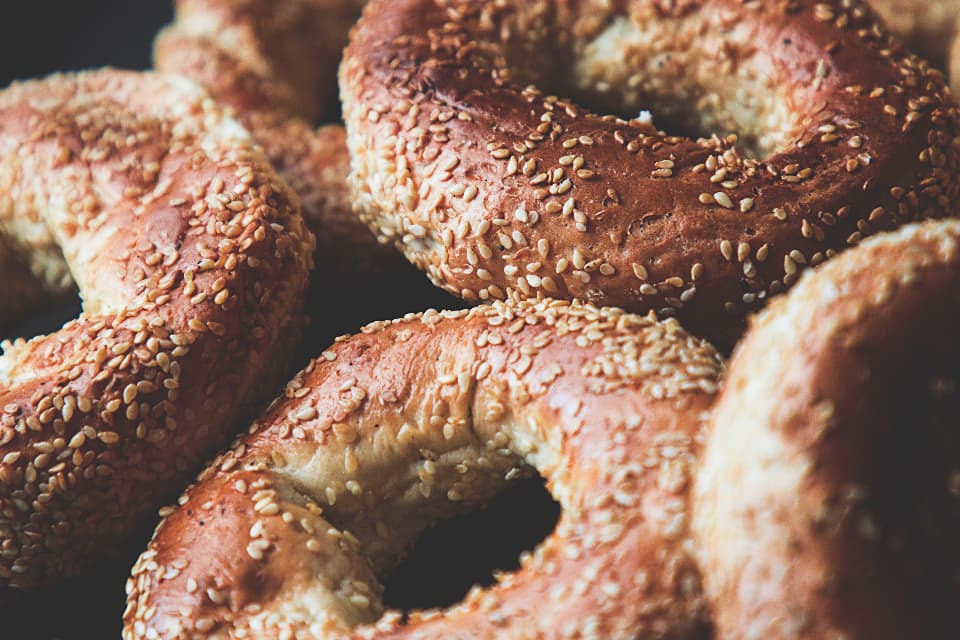
A basic homemade bagel recipe using high-protein flour, malt or brown sugar, a short boil, and a hot bake for chewy New York-style results.
America's Melting Pot
Bagels with Schmear photo coming soon
1861-1900
A deli-style bagel with a thick schmear of plain or scallion cream cheese, with optional onion, capers, tomato, and cucumber.
Same region
America's Melting Pot
Acai Bowl Smoothie Base photo coming soon
1970s-present
Acai Bowl Smoothie Base brings juice-bar color and American smoothie-counter energy to the glass: California/Hawaii/fitness culture.
1937-2026
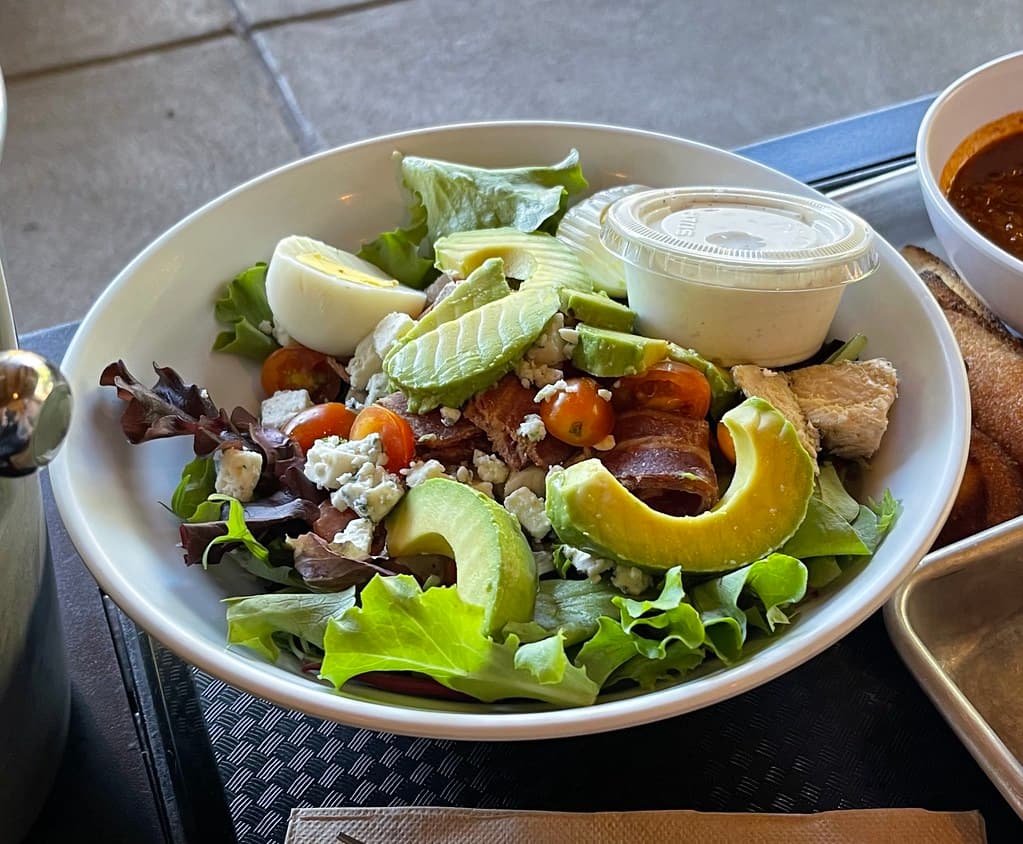
The Cobb salad is closely tied to the Brown Derby restaurant in Hollywood and Bob Cobb in the 1930s. Its rows of chopped ingredients made it a California restaurant icon: hearty enough for a meal, bright with avocado and tomato, and theatrical enough for Hollywood.
America's Melting Pot
California Date Shake photo coming soon
1900s-present
California Date Shake salutes regional fruit country and the American dairy-stand tradition: Coachella Valley/Palm Springs.
Same table
America's Melting Pot
BBQ Meatballs photo coming soon
1960s-present
BBQ meatballs are a descendant of midcentury cocktail meatballs, especially the grape-jelly-and-chili-sauce party formula that kept showing up at buffets and church gatherings. Swapping in barbecue sauce made the dish feel at home on game-day tables: easy to spear with toothpicks, easy to keep warm, and unapologetically sweet-savory.
America's Melting Pot
Meatballs photo coming soon
1880s-present
Hearty meatballs made of ground beef, pork, or a blend, mixed with breadcrumbs, herbs, and seasonings. Popularized in Italian-American communities during the late 19th century, often served with tomato sauce and pasta or bread.
America's Melting Pot
Meatless Loaf photo coming soon
1930s-1940s
A savory meatless loaf made using vegetables, cereals, and binders to substitute for meat during wartime rationing. Reflects home front innovation during World War II to stretch limited protein resources.