
Recipe archive
Loading
Setting the table...
Fetching the latest recipes from the archive.
Loading
Fetching the latest recipes from the archive.
Recipe archive
America's Melting Pot
Teriyaki Bowls hero image coming soon
1945-2000 - West Coast Asian-American restaurants and communities.
Teriyaki Bowls are a popular West Coast dish featuring marinated teriyaki-glazed meats served over rice with vegetables. This dish exemplifies the fusion of Asian flavors and American tastes prevalent on the West Coast. Customizable and convenient, Teriyaki Bowls reflect the region's culinary diversity and casual dining culture.
No featured photo yet. Upload a photo with your review. The highest-rated community photo may become this recipe's hero image.
Difficulty
Easy
Prep time
20 minutes
Cook time
20 minutes
Total time
40 minutes
Servings
4 servings
Region
Seattle, Washington
Era introduced
1945-2000
Introduced by
West Coast Asian-American restaurants and communities.
Recipe tools
Log in to save this recipe to a collection.
Teriyaki Bowls originated and gained popularity on the West Coast of the United States, where Asian culinary traditions blended with local ingredients and American dining habits. The dish features teriyaki-glazed protein, commonly chicken or beef, over steamed rice with fresh or steamed vegetables. It exemplifies fusion cooking and accessible, quick meals common from the late 20th century onward. The balance of sweet-savory teriyaki sauce and wholesome sides makes it a favorite for casual eat-in or takeout meals on the West Coast.
Share family changes, regional twists, or pantry-friendly adaptations as full community recipes.
Log in to submit a community recipe.
No community recipes yet. Submitted recipes are published right away.
Rate this recipe and share how it worked at your table.
Log in to review this recipe.
No reviews yet. Be the first to rate this recipe.
Recipes matched by era, region, occasion, ingredients, and cultural roots from the archive.
Same era
America's Melting Pot
Chili and Cinnamon Rolls photo coming soon
1944/1940s-present
Chili and Cinnamon Rolls is a unique Midwestern comfort food pairing commonly found in school cafeterias and concession stands. Combining a warm bowl of chili with sweet, soft cinnamon rolls offers a blend of savory and sweet flavors reflecting regional preferences in informal or institutional American dining. This meal represents practical, hearty food designed for broad appeal and sustenance in communal eating contexts.
America's Melting Pot
Cinnamon Rolls with Chili photo coming soon
1944/1940s-present
A unique breakfast combining the sweet, soft cinnamon roll with a spicy chili twist, reflecting flavor fusions from the Great Plains region influenced by Mexican-American and Southwestern cuisines. This dish pairs the warming spices of cinnamon with hearty chili for a tasty and filling meal that honors regional culinary blending.
America's Melting Pot
Coffee Shop Scones photo coming soon
1980s-present
Coffee shop scones are tender, buttery pastries with a crisp exterior and soft crumb, popular in Pacific Northwest cafes. Typically served with coffee, these scones reflect regional preferences and European pastry influences adapted to local tastes across eras.
Same region
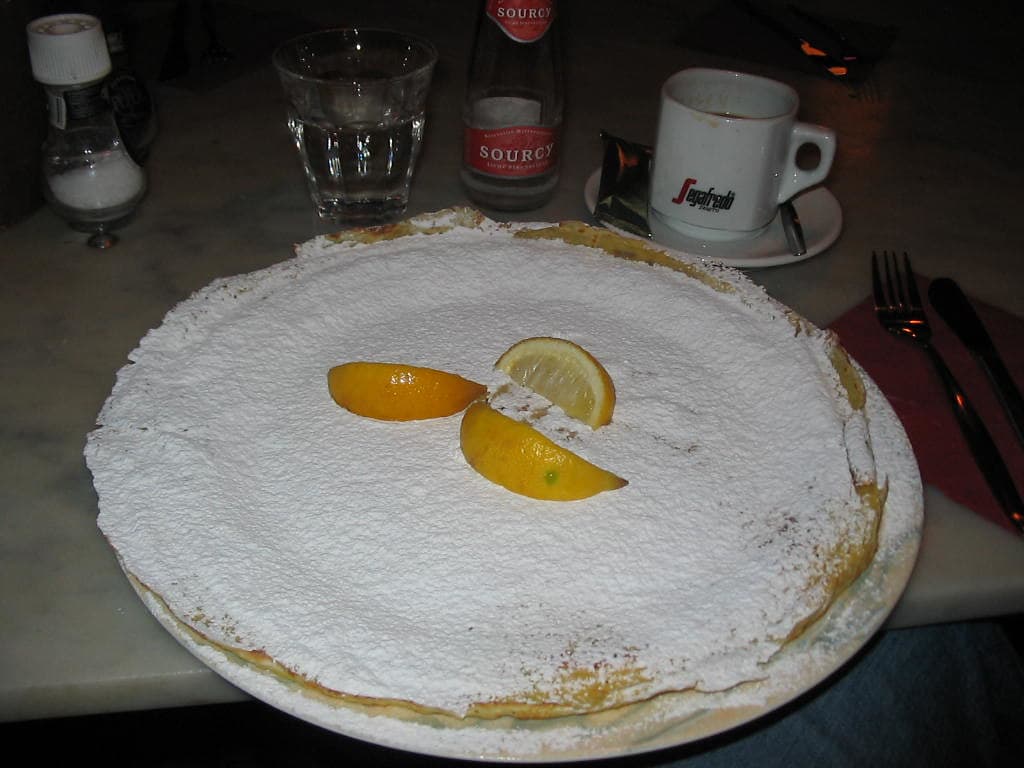
early 1900s-present
The Dutch Baby is a large, puffy, oven-baked pancake known for its golden, crisp edges and soft, custardy center. It is typically flavored with lemon or powdered sugar and served hot. Thought to have origins tied to German pancakes and popularized in American brunch culture, it offers a simple yet impressive breakfast treat.
America's Melting Pot
Acai Bowl Smoothie Base photo coming soon
1970s-present
Acai Bowl Smoothie Base brings juice-bar color and American smoothie-counter energy to the glass: California/Hawaii/fitness culture.
America's Melting Pot
Air Fryer Brussels Sprouts photo coming soon
2010s-present
Trimmed Brussels sprouts air-fried with a little oil until crisp at the edges and tender in the center.
Same table
America's Melting Pot
Teriyaki Chicken Bowl photo coming soon
1990-2009
This Teriyaki Chicken Bowl represents an immigrant-influenced, suburban adaptation of Asian flavors, combining grilled teriyaki chicken, rice, and fresh vegetables into a convenient bowl meal. Popularized in global American dining from the 1990s through the 2000s on the West Coast, these bowls cater to fast casual tastes and evolving food networks.
America's Melting Pot
Spicy Tuna Roll photo coming soon
1980s-present
The spicy tuna roll is a sushi roll popularized in American suburbs and restaurants during the 1990s and 2000s. Combining raw tuna with spicy mayonnaise and rice wrapped in seaweed, it reflects globalization and immigrant food fusions in convenience dining.
America's Melting Pot
Teriyaki Chicken Bowls photo coming soon
1970-1989
Teriyaki Chicken Bowls, combining marinated grilled chicken, rice, and vegetables, became popular in malls and fast food venues on the West Coast during the 1970s and 80s. This dish reflects convenience, fusion flavors, and regional pride, favored for tailgate events and casual gatherings.