
Recipe archive
Loading
Setting the table...
Fetching the latest recipes from the archive.
Loading
Fetching the latest recipes from the archive.
Recipe archive
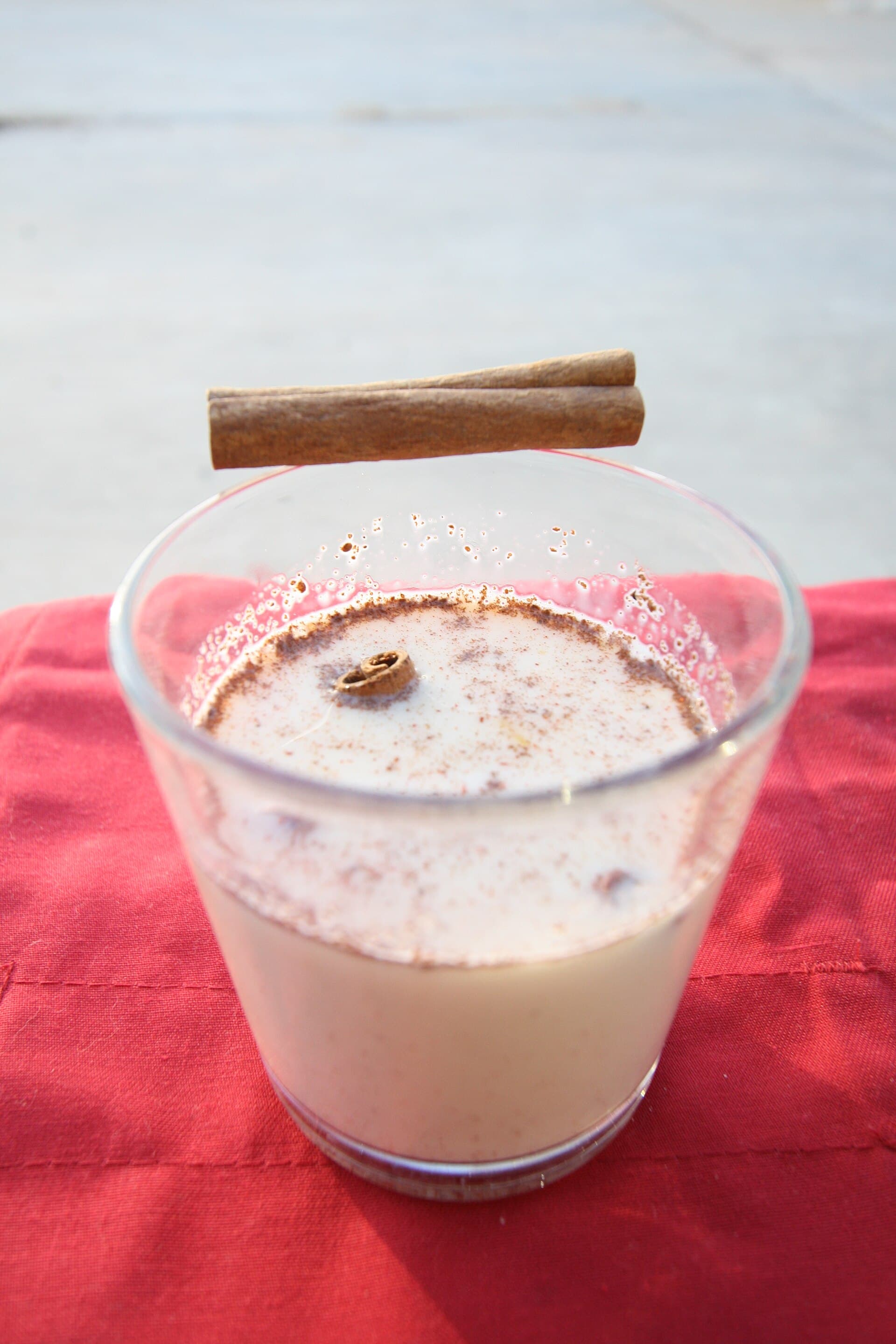
1776-1800 - Colonial American households and holiday host traditions.
Eggnog is a rich, creamy holiday beverage made from milk or cream, beaten eggs, sugar, and often spiked with spirits such as brandy or rum. Served chilled, it is a festive treat deeply associated with Christmas celebrations across the United States, with colonial roots.
Community-powered photos. Reviewers can upload dish photos, and the highest-rated community image may be featured here.
Difficulty
Medium
Prep time
15 minutes
Cook time
10 minutes
Total time
25 minutes
Servings
6
Region
Mount Vernon, Virginia and Chesapeake holiday kitchens
Era introduced
1776-1800
Introduced by
Colonial American households and holiday host traditions.
Recipe tools
Log in to save this recipe to a collection.
Eggnog has its origins in colonial America, adapted from European posset and egg-and-milk drinks. It became a traditional Christmas-season beverage, combining dairy, eggs, sugar, and festive spices, often enriched with spirits like rum or brandy. Eggnog's rich texture and warming spices have helped it become synonymous with American holiday celebration, evoking nostalgic communal gatherings and seasonal cheer.
Share family changes, regional twists, or pantry-friendly adaptations as full community recipes.
Log in to submit a community recipe.
No community recipes yet. Submitted recipes are published right away.
Rate this recipe and share how it worked at your table.
Log in to review this recipe.
No reviews yet. Be the first to rate this recipe.
Recipes matched by era, region, occasion, ingredients, and cultural roots from the archive.
Same era
America's Melting Pot
Deviled Egg Filling photo coming soon
1700s-present
Deviled Egg Filling is a spread with real American table personality: Not exactly a sauce, but a condiment-like American picnic food. It brings flavor from coast-to-coast American tables to cookouts, counters, lunch plates, potlucks, and weeknight suppers.
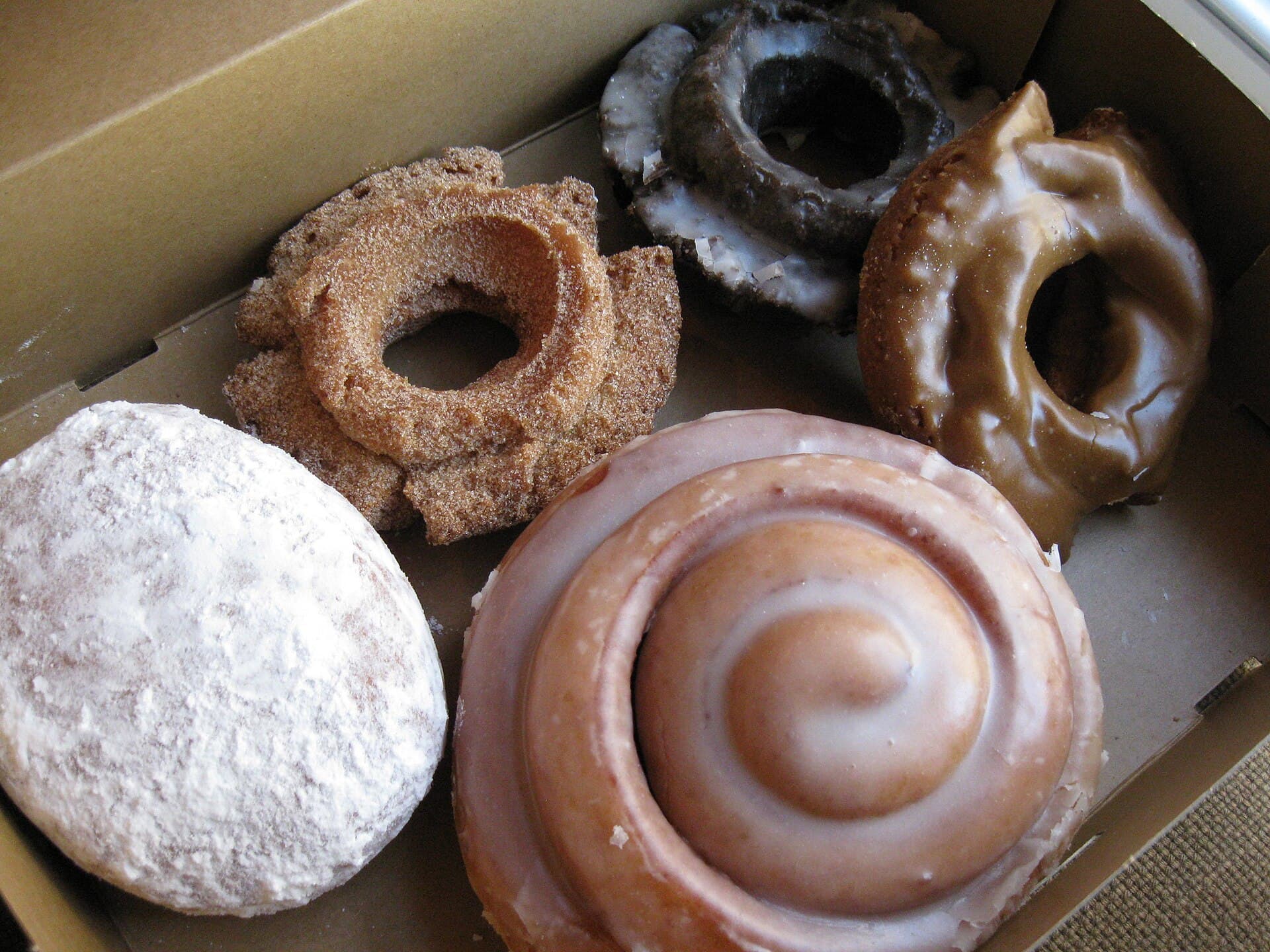
1700s-1800s
Doughnuts are a beloved American breakfast and snack originating from various immigrant influences, consisting of fried dough rings or balls coated in sugar or glaze. The recipe has evolved over centuries and become a cross-era staple with numerous regional variations.
America's Melting Pot
Fried Oysters photo coming soon
1700s-present
Fried oysters are oysters breaded or battered and pan-fried or deep-fried until crispy. A popular dish in the late 18th century, fried oysters were enjoyed as a fresh, flavorful way to prepare abundant coastal seafood during the Revolutionary era.
Same region
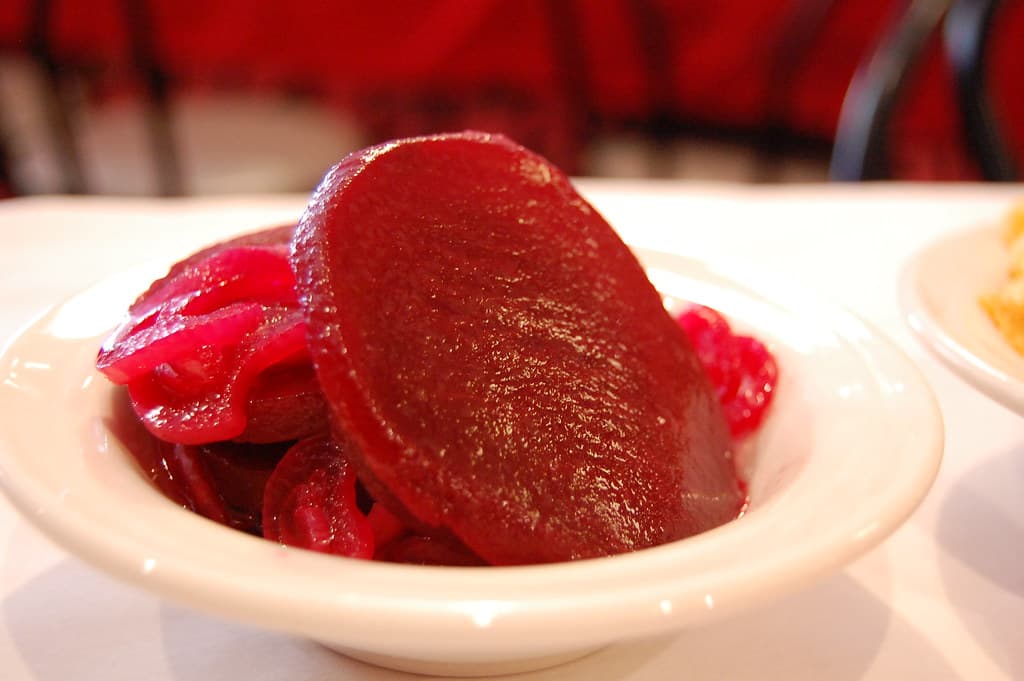
1700s-present
Pickled beets are a preserved vegetable side dish common in late 18th-century America. Offering earthy sweetness balanced with vinegar tang, they were a way to extend the harvest and enliven the winter table.
America's Melting Pot
Shrub photo coming soon
1700s-present
Shrub is a vinegar-based syrup mixed with fruit juice or water to create a refreshing beverage. It was popular in Revolutionary-era America as a preserved fruit drink and early cocktail mixer.
America's Melting Pot
Turtle Soup photo coming soon
1750s-1900s
Turtle soup was a prized and elegant dish in colonial and early United States dinners, especially around the Revolutionary period. Using snapping turtle meat, it was considered both a delicacy and sustenance, reflecting early American culinary practices and resource utilization.
Same table
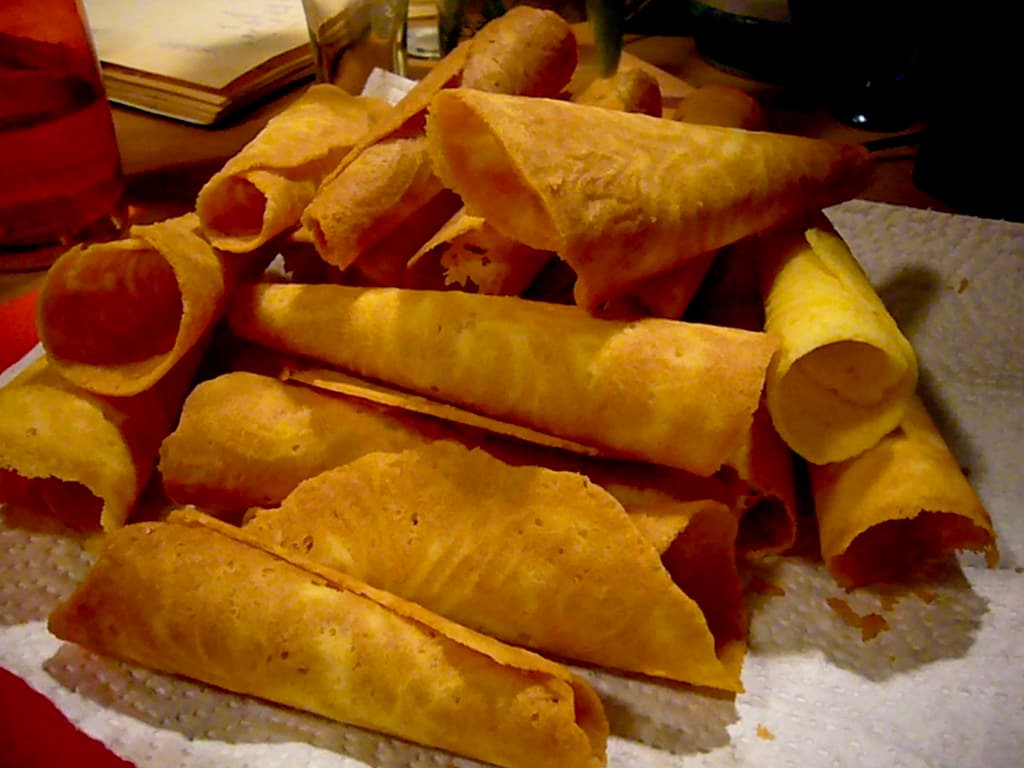
1861-1900
Krumkake are thin, crisp Norwegian waffle cookies rolled into cones, often filled with whipped cream or preserved fruit. Introduced by Scandinavian settlers to the Midwest in the late 19th century, krumkake became holiday staples for Christmas and family celebrations, highlighting continuity of heritage and festive customs.
America's Melting Pot
Breakfast Casserole photo coming soon
1950-2026
Breakfast casserole is built for mornings when the cook wants the work done early. Midcentury casserole culture, church cookbooks, and holiday hosting made the overnight egg, bread, sausage, and cheese bake a reliable American brunch dish.
America's Melting Pot
Kringla photo coming soon
1861-1900
Kringla is a lightly sweet, buttery Scandinavian cookie shaped like a pretzel, traditionally associated with church and holiday celebrations in the Midwest. Norwegian immigrants brought this recipe during the 19th century, where it became part of Christmas and Easter gatherings, symbolizing cultural continuity in immigrant farming communities.