
Recipe archive
Loading
Setting the table...
Fetching the latest recipes from the archive.
Loading
Fetching the latest recipes from the archive.
Recipe archive
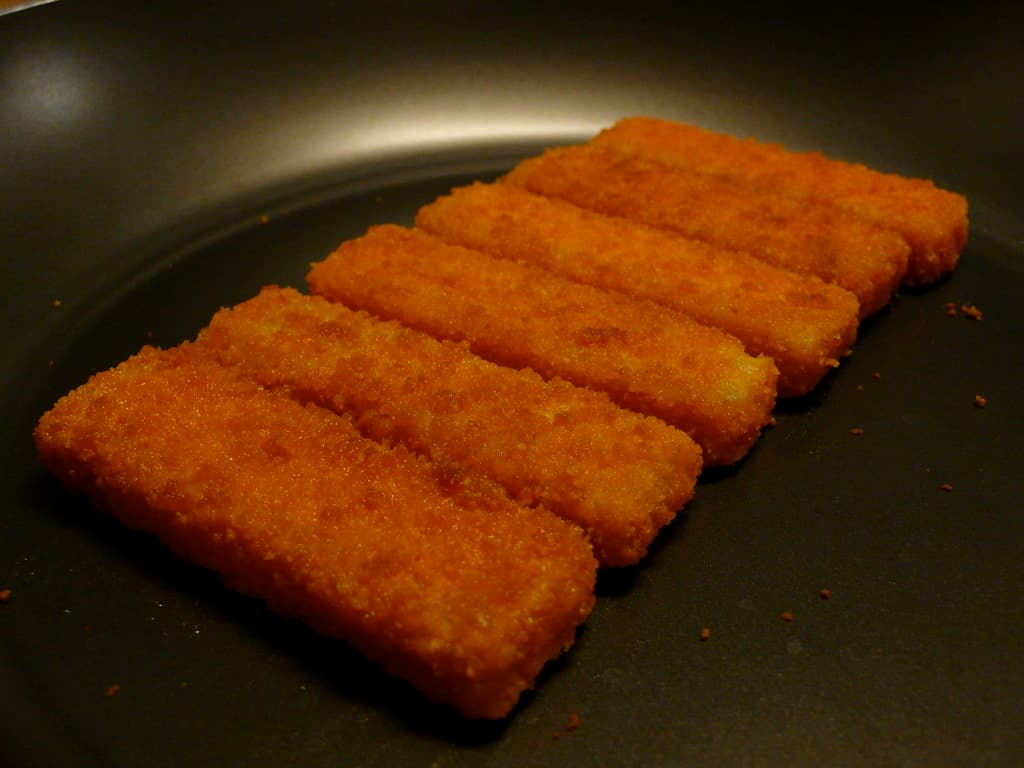
1946-1969 - American food manufacturers and suburban families during the postwar era.
Fish Sticks are small breaded and fried or baked fish pieces packaged typically as kid-friendly convenience food. Popularized in the postwar suburban period during 1946-1969, fish sticks became a staple in American school lunches and home freezers as easy-to-prepare main dishes.
Community-powered photos. Reviewers can upload dish photos, and the highest-rated community image may be featured here.
Difficulty
Easy
Prep time
10 minutes
Cook time
15 minutes
Total time
25 minutes
Servings
4
Region
Gloucester, Massachusetts frozen-seafood plants
Era introduced
1946-1969
Introduced by
American food manufacturers and suburban families during the postwar era.
Recipe tools
Log in to save this recipe to a collection.
Fish Sticks gained prominence in American suburban households and school cafeterias during the postwar prosperity era of 1946 to 1969. Sold as frozen precooked breaded fish pieces, they provided a convenient, child-friendly main course option fitting the era's growing freezer food and quick meal trends. Fish sticks exemplify the intersection of convenience foods and expanding seafood consumption during mid-20th century American family dining.
Share family changes, regional twists, or pantry-friendly adaptations as full community recipes.
Log in to submit a community recipe.
No community recipes yet. Submitted recipes are published right away.
Rate this recipe and share how it worked at your table.
Log in to review this recipe.
No reviews yet. Be the first to rate this recipe.
Recipes matched by era, region, occasion, ingredients, and cultural roots from the archive.
Same era
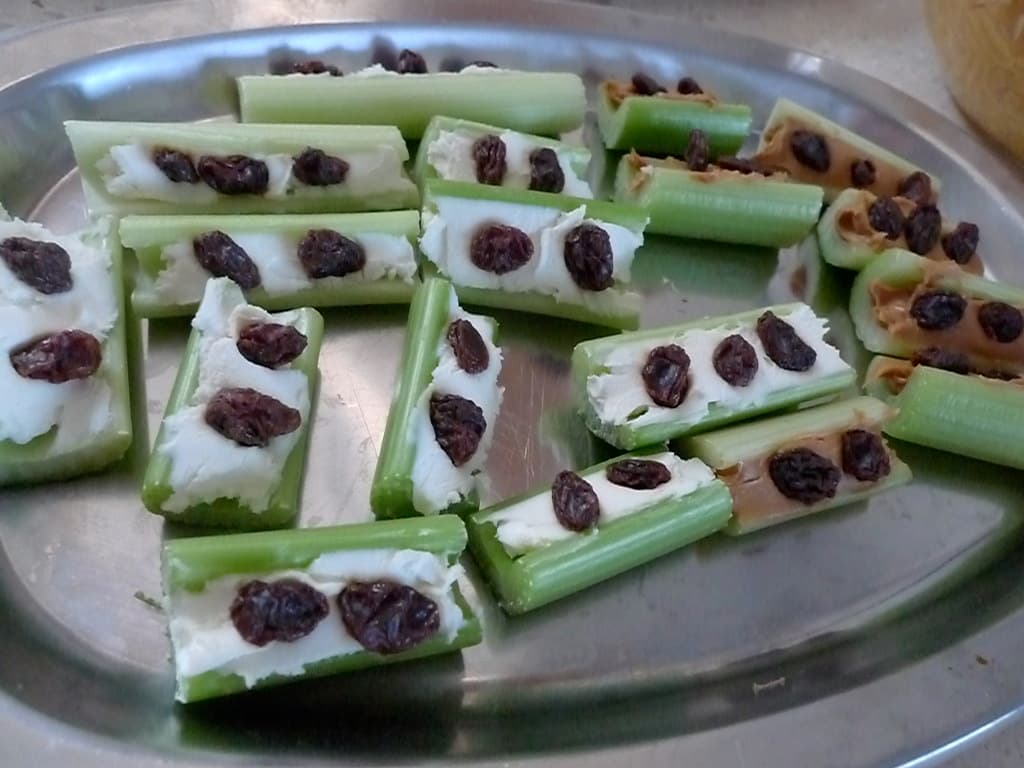
1950s-present
Celery sticks filled with peanut butter and topped with raisins, the classic American kid snack.
America's Melting Pot
Arby's-Style Horsey Sauce photo coming soon
1964-1970s
Arby's-Style Horsey Sauce is a sandwich sauce with real American table personality: Fast-food horseradish mayo tradition. It brings flavor from coast-to-coast American tables to cookouts, counters, lunch plates, potlucks, and weeknight suppers.
America's Melting Pot
Bacon-Wrapped Water Chestnuts photo coming soon
1946-1969
Crunchy water chestnuts wrapped in bacon, baked until crisp, and glazed with a brown sugar, soy, ketchup, and Worcestershire sauce.
Same region
America's Melting Pot
Acorn Bread photo coming soon
1800-1860
A nutty, lightly sweet quick bread made with properly leached acorn flour, cornmeal, and wheat flour.
America's Melting Pot
American French Dressing photo coming soon
1900s-present
American French Dressing is a dressing with real American table personality: The bright orange-red, sweet, tomatoey bottled dressing Americans call "French." Not very French, very American. It brings flavor from coast-to-coast American tables to cookouts, counters, lunch plates, potlucks, and weeknight suppers.
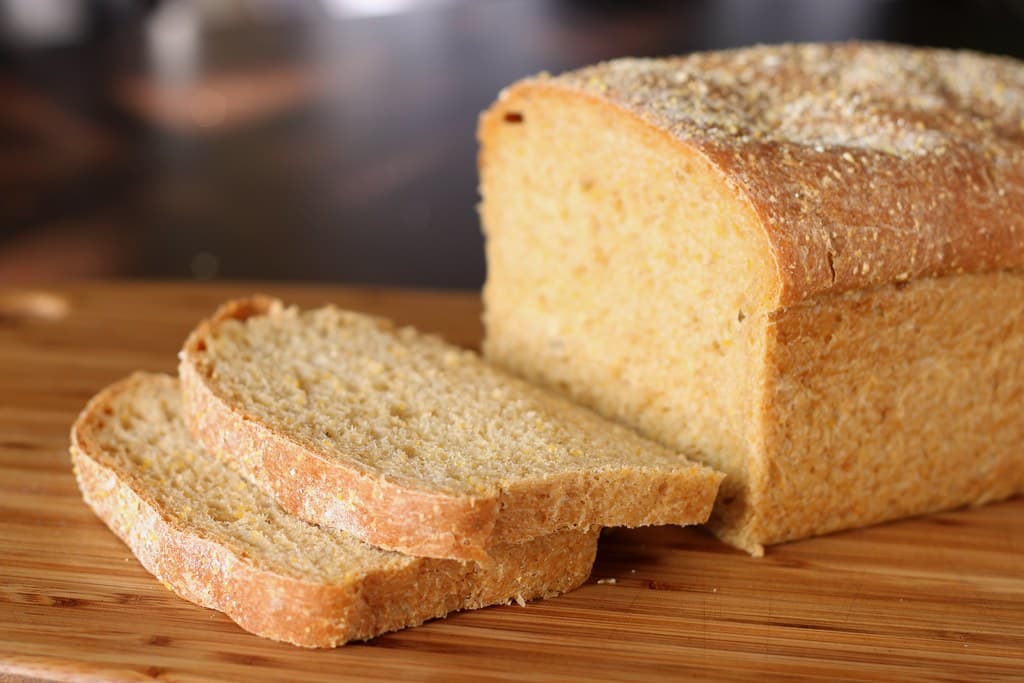
1800s-present
A lightly sweet New England loaf made with cornmeal, molasses, wheat flour, and yeast.
Same table
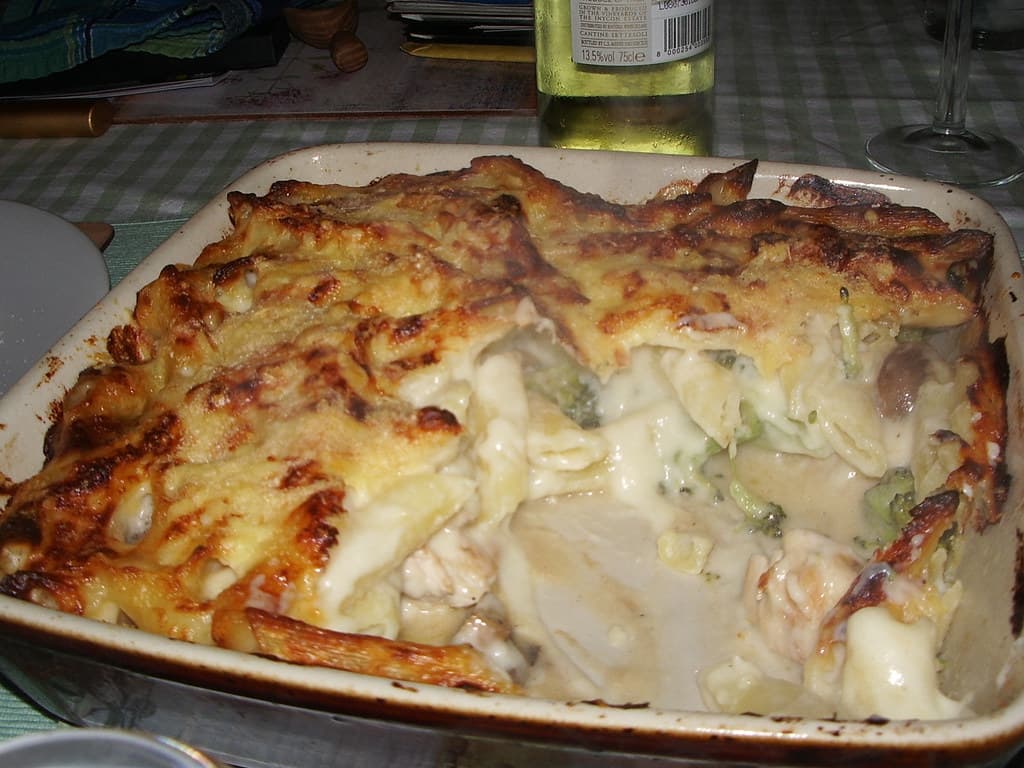
1840s-present
Fish Pie combines cooked fish and creamy sauce topped with mashed potatoes, baked into a savory pie. Brought by Irish immigrants to America during the 19th century, it represents adaptation of traditional Irish comfort foods using available seafood and pantry staples.
America's Melting Pot
Fried Catfish photo coming soon
1800-1860
Fried catfish is a beloved Southern staple featuring fresh catfish fillets coated in seasoned cornmeal and fried to a golden crisp. This dish reflects the region's rich freshwater fishing traditions and simple, hearty cooking methods popular during America's Expansion and early 19th century.
America's Melting Pot
Norwegian Meatballs photo coming soon
1861-1900
Norwegian Meatballs are tender, flavorful meatballs influenced by Scandinavian immigrants who settled in the American Midwest during the 19th century. Blended with traditional spices and baked or pan-fried, these meatballs reflect immigrant culinary adaptation in new lands, often served with gravy or lingonberry sauce.