
Recipe archive
Loading
Setting the table...
Fetching the latest recipes from the archive.
Loading
Fetching the latest recipes from the archive.
Recipe archive
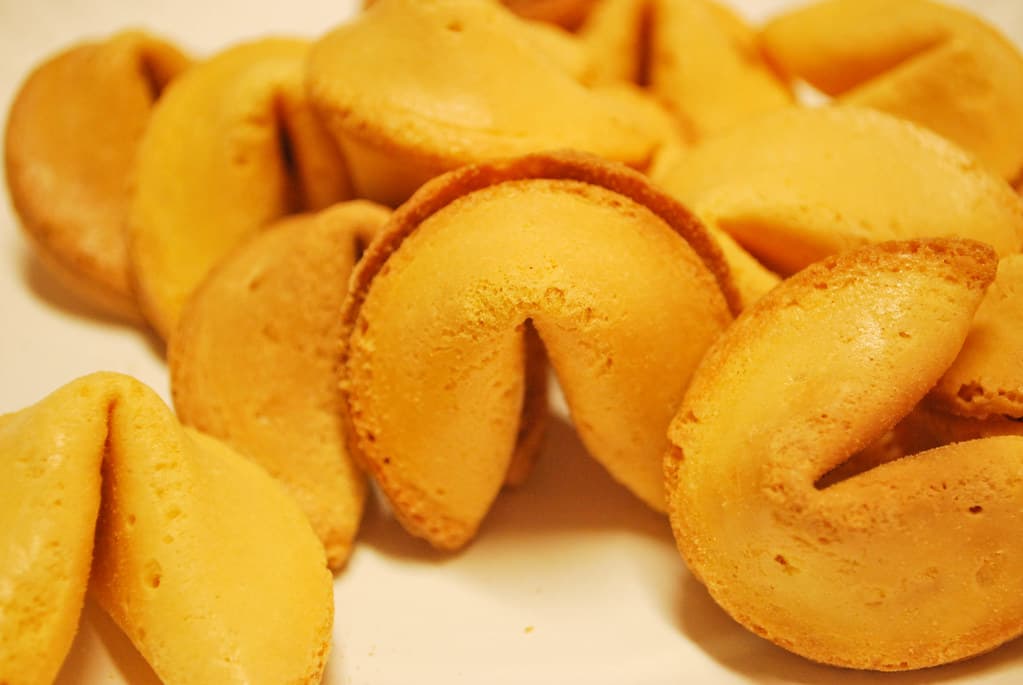
1900-1929 - Chinese-American restaurateurs and bakery operators in early 1900s immigrant cities.
Fortune cookies are thin, crisp cookies folded to hold a paper slip with a message or fortune inside. Although commonly associated with Chinese-American restaurants, their origins trace back to early 20th-century immigrant communities, blending Asian and American culinary influences.
Community-powered photos. Reviewers can upload dish photos, and the highest-rated community image may be featured here.
Difficulty
Medium
Prep time
15 minutes
Cook time
10 minutes
Total time
25 minutes
Servings
12 cookies
Region
San Francisco and Los Angeles Japanese American bakery kitchens
Era introduced
1900-1929
Introduced by
Chinese-American restaurateurs and bakery operators in early 1900s immigrant cities.
Recipe tools
Log in to save this recipe to a collection.
Fortune cookies appeared in Chinese-American communities in the early 1900s, gaining popularity in diners, state fairs, and casual eateries. Derived from earlier Japanese and American cookie recipes, they contain inspirational or humorous messages and became a signature treat concluding meals. The cookie symbolizes the fusion of Asian and American food cultures, with disputed origins but clear cultural significance in immigrant dining.
Share family changes, regional twists, or pantry-friendly adaptations as full community recipes.
Log in to submit a community recipe.
No community recipes yet. Submitted recipes are published right away.
Rate this recipe and share how it worked at your table.
Log in to review this recipe.
No reviews yet. Be the first to rate this recipe.
Recipes matched by era, region, occasion, ingredients, and cultural roots from the archive.
Same era
America's Melting Pot
American French Dressing photo coming soon
1900s-present
American French Dressing is a dressing with real American table personality: The bright orange-red, sweet, tomatoey bottled dressing Americans call "French." Not very French, very American. It brings flavor from coast-to-coast American tables to cookouts, counters, lunch plates, potlucks, and weeknight suppers.
America's Melting Pot
Apple Pie Shake photo coming soon
1922-present
Apple Pie Shake brings drive-in, carhop, and fast-food dessert-counter energy to the table: Diner pie a la mode in a cup.
America's Melting Pot
Avgolemono Soup photo coming soon
1900-1929
A silky Greek-American chicken, rice, egg, and lemon soup made by tempering eggs into hot broth for a creamy dairy-free finish.
Same region
America's Melting Pot
Chinese Chicken Salad photo coming soon
1960s-1980s
Chinese Chicken Salad is an early Chinese-American creation blending crisp greens, shredded chicken, and crunchy elements with a tangy dressing influenced by Asian flavors. Gaining popularity in immigrant-rich urban diners and lunch counters during the early 20th century, particularly from 1900 to 1929, this salad represents the adaptation of Chinese ingredients to American salad formats, often served at city diners and state fairs as a fresh, portable dish.
America's Melting Pot
Chop Suey photo coming soon
1870s-1890s
Chop Suey is a stir-fried dish made with meat, vegetables, and a savory sauce, developed by Chinese-American cooks. It became a popular dish in American Chinese restaurants and diners during the early 1900s, adapting Chinese techniques and ingredients to American tastes and locally available produce.
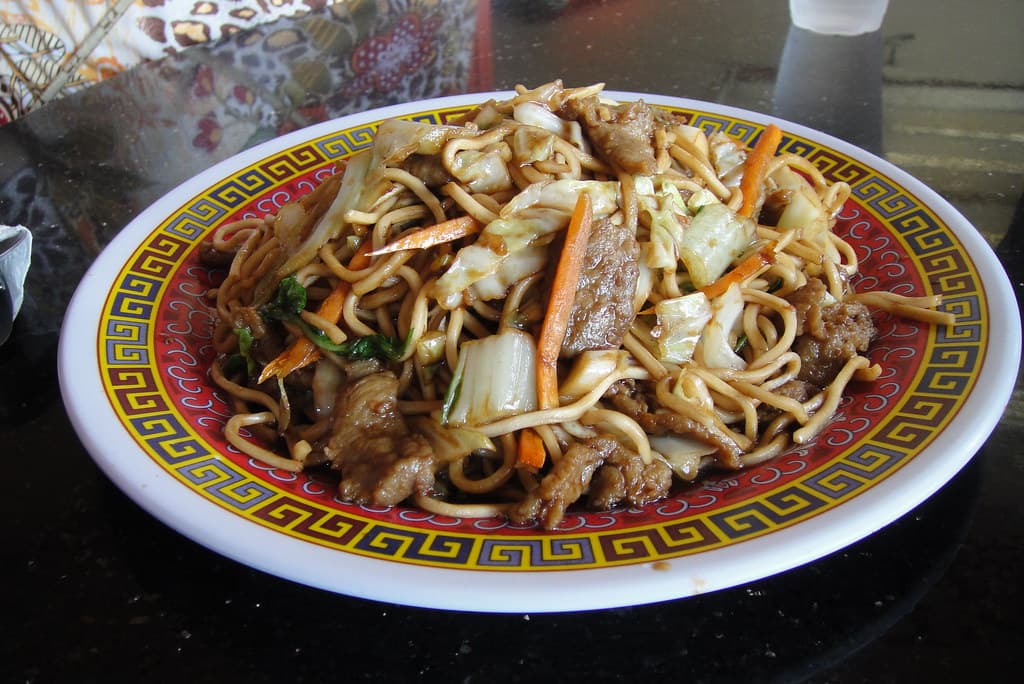
1850s-1920s
Chow Mein is a Chinese-American stir-fried noodle dish that became a fixture in early 20th-century immigrant cities and diners. Featuring crispy or soft egg noodles tossed with meat, vegetables, and a savory sauce, it was adapted to local tastes and ingredients, quickly becoming a diner and state fair favorite across the United States.
Same table
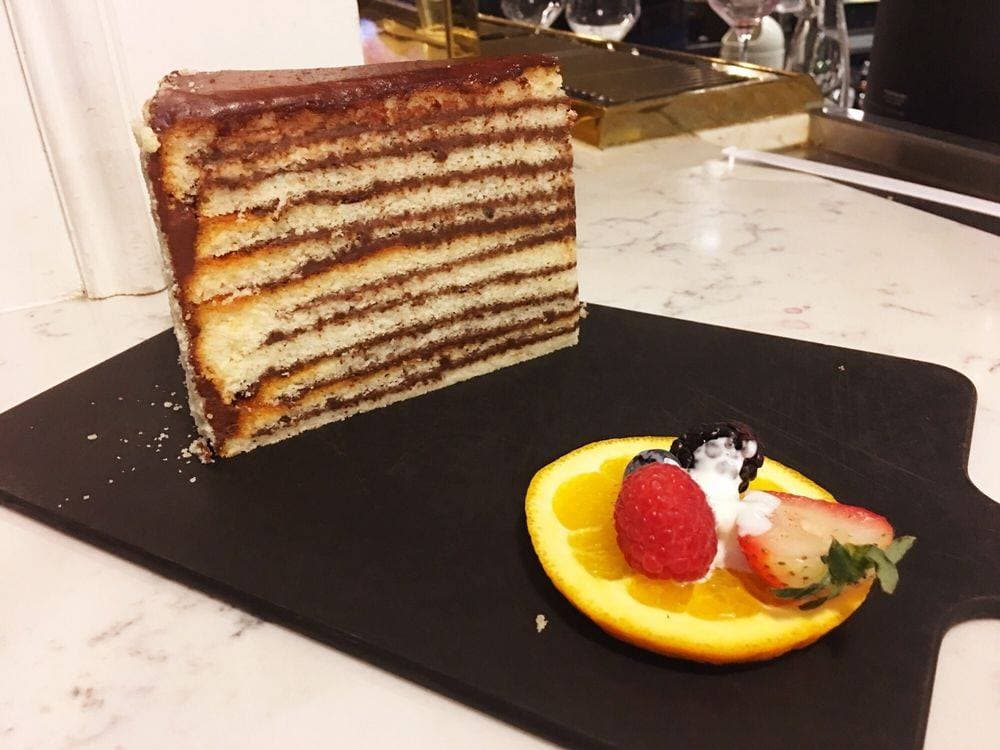
1800s-present
Smith Island Cake is a multi-layered cake originating from the Mid-Atlantic region, known for its numerous thin layers and rich chocolate frosting. This cake is the official state dessert of Maryland and reflects the baking traditions of the Chesapeake Bay area.
America's Melting Pot
Election Cake photo coming soon
1770s-present
Election Cake is a rich, spiced yeast-leavened cake traditionally baked for political celebrations in colonial and early American history. It combines dried fruits, warm spices, and nuts, symbolizing communal festivity around elections and gatherings.
America's Melting Pot
Washington Pie photo coming soon
1700s-present
Washington Pie is a layered dessert combining cake and fruit preserves, dating back to late 18th-century America. This simple yet elegant sweet features moist cake layers sandwiched with jam or jelly and optionally dusted with sugar, reflecting colonial baking practices and early American tastes for fruit desserts.