
Recipe archive
Loading
Setting the table...
Fetching the latest recipes from the archive.
Loading
Fetching the latest recipes from the archive.
Recipe archive
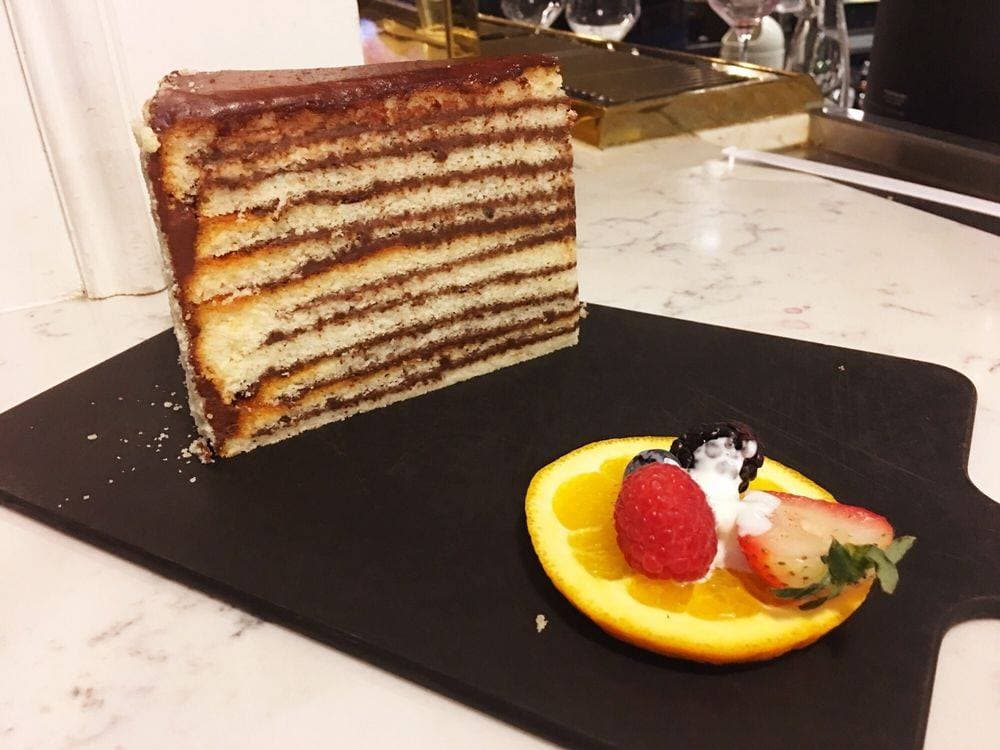
1800-1860 - Baking communities of Maryland's Chesapeake Bay region.
Smith Island Cake is a multi-layered cake originating from the Mid-Atlantic region, known for its numerous thin layers and rich chocolate frosting. This cake is the official state dessert of Maryland and reflects the baking traditions of the Chesapeake Bay area.
Community-powered photos. Reviewers can upload dish photos, and the highest-rated community image may be featured here.
Difficulty
Hard
Prep time
1 hour 30 minutes
Cook time
1 hour
Total time
2 hours 30 minutes
Servings
12 slices
Region
Smith Island, Maryland
Era introduced
1800-1860
Introduced by
Baking communities of Maryland's Chesapeake Bay region.
Recipe tools
Log in to save this recipe to a collection.
Smith Island Cake is a celebrated multi-layered dessert with origins tracing to Smith Island in Maryland's Chesapeake Bay. Known for its signature 8 to 10 thin layers of yellow and chocolate cake alternating with chocolate frosting, the cake illustrates the richness of Mid-Atlantic baking traditions. The dessert remains a symbol of local culinary pride and is often served at special celebrations and festivals throughout the region.
Share family changes, regional twists, or pantry-friendly adaptations as full community recipes.
Log in to submit a community recipe.
No community recipes yet. Submitted recipes are published right away.
Rate this recipe and share how it worked at your table.
Log in to review this recipe.
No reviews yet. Be the first to rate this recipe.
Recipes matched by era, region, occasion, ingredients, and cultural roots from the archive.
Same era
America's Melting Pot
Acorn Bread photo coming soon
1800-1860
A nutty, lightly sweet quick bread made with properly leached acorn flour, cornmeal, and wheat flour.
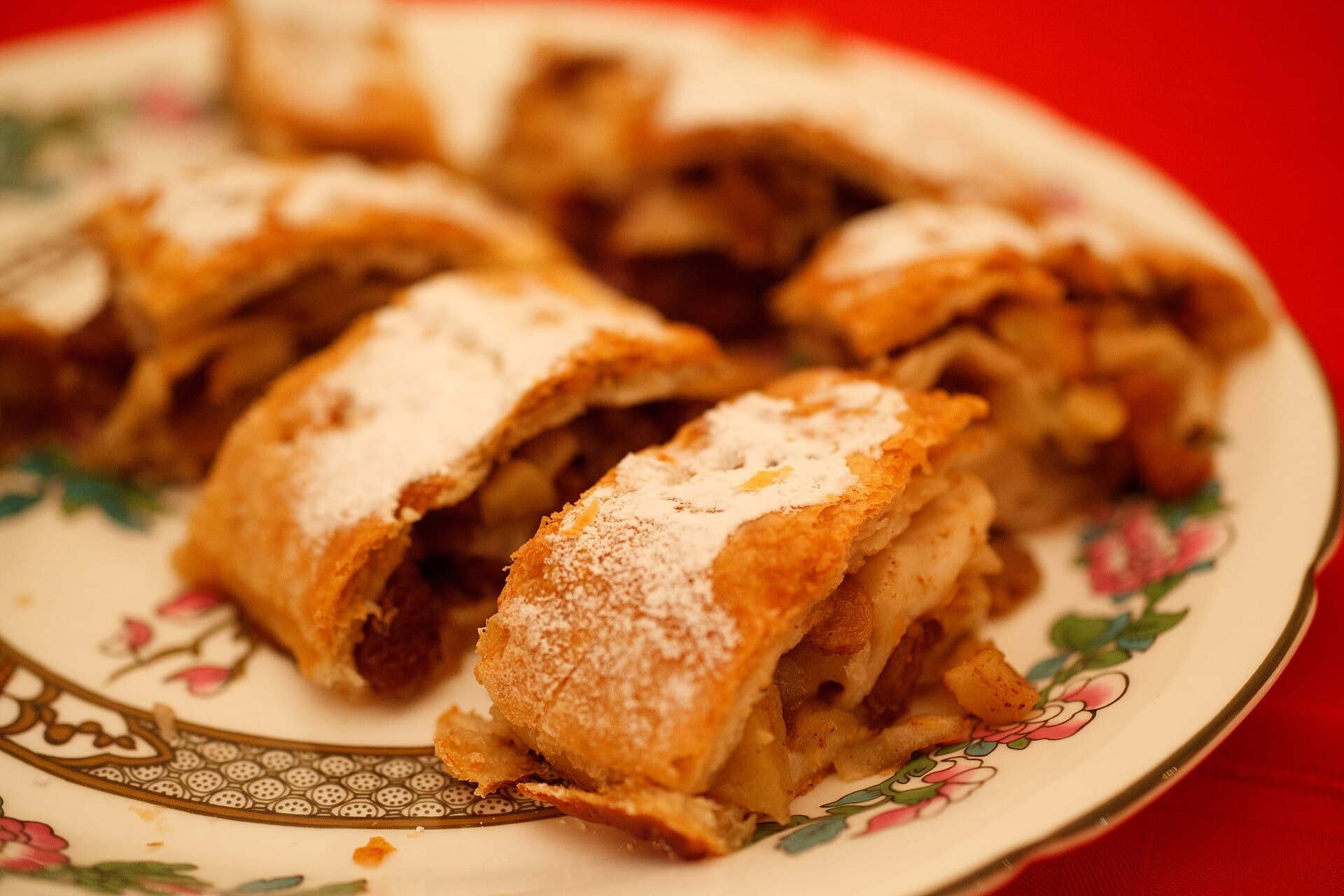
1800-1860
A German-American apple strudel made with crisp apples, raisins, cinnamon, buttered crumbs, and flaky phyllo for a practical home version of a Central European pastry.
America's Melting Pot
Asparagus photo coming soon
1800s/early 1900s-present
A bright American Easter asparagus side, quickly cooked and dressed with lemon butter, herbs, and hard-cooked egg in the spirit of old spring-table recipes.
Same region
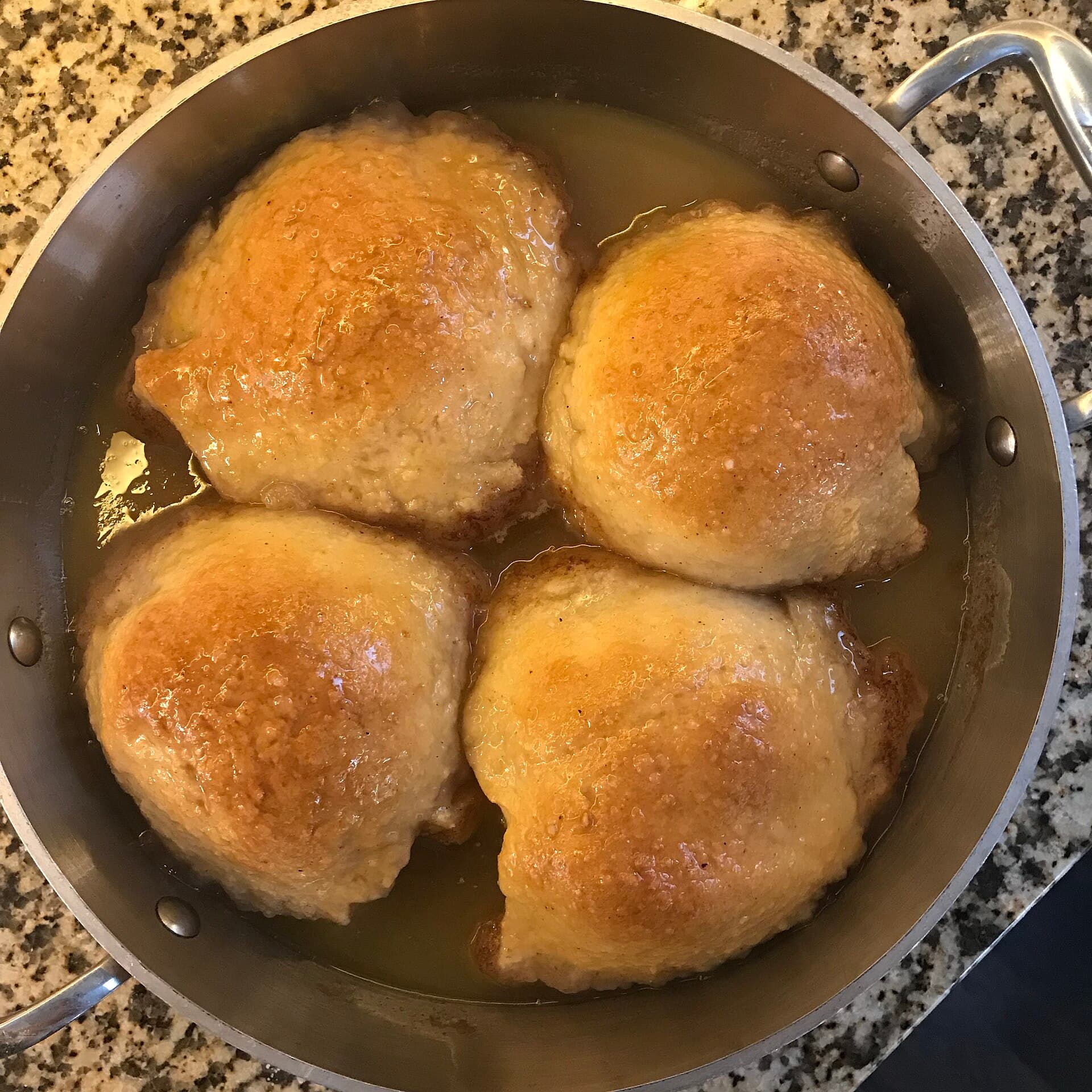
1800s-present
A Pennsylvania Dutch-style dessert of cored apples wrapped in dough and baked with brown sugar syrup.
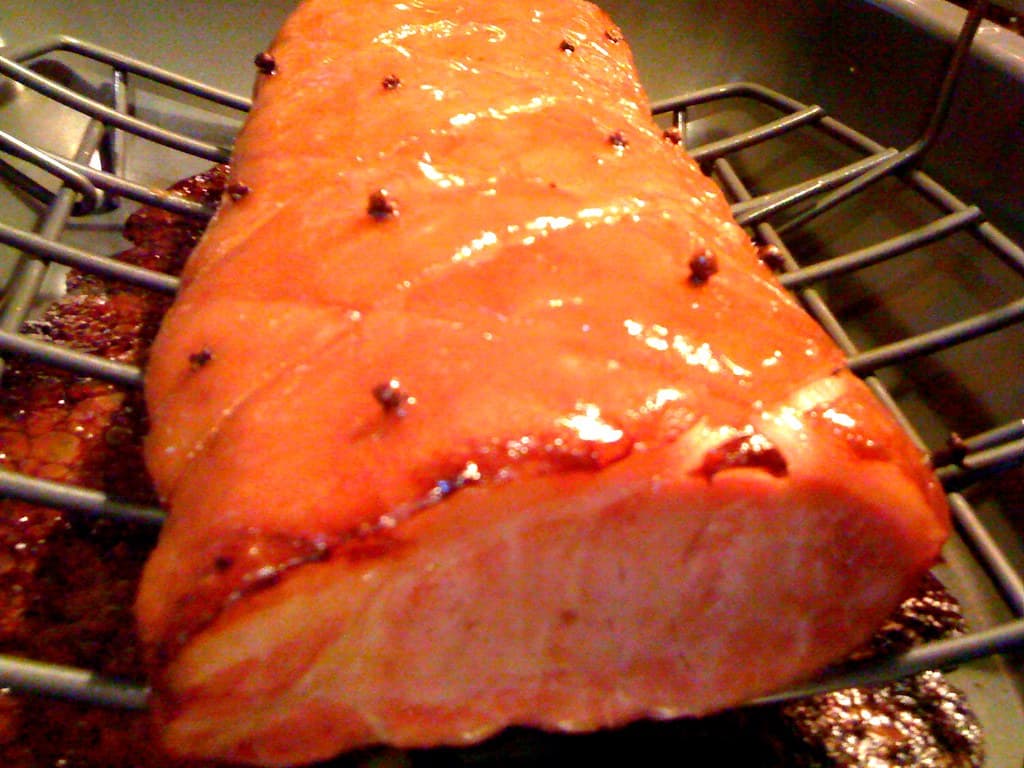
1900-2026
A Christmas and Easter baked ham glazed with brown sugar, mustard, cider vinegar, and cloves, baked until glossy and sliceable.
America's Melting Pot
Black and White Shake photo coming soon
1940s-present
Black and White Shake pours old-school malt-shop cheer into a cold glass: Vanilla ice cream with chocolate syrup, especially New York diner style.
Same table
America's Melting Pot
Washington Pie photo coming soon
1700s-present
Washington Pie is a layered dessert combining cake and fruit preserves, dating back to late 18th-century America. This simple yet elegant sweet features moist cake layers sandwiched with jam or jelly and optionally dusted with sugar, reflecting colonial baking practices and early American tastes for fruit desserts.
America's Melting Pot
Election Cake photo coming soon
1770s-present
Election Cake is a rich, spiced yeast-leavened cake traditionally baked for political celebrations in colonial and early American history. It combines dried fruits, warm spices, and nuts, symbolizing communal festivity around elections and gatherings.
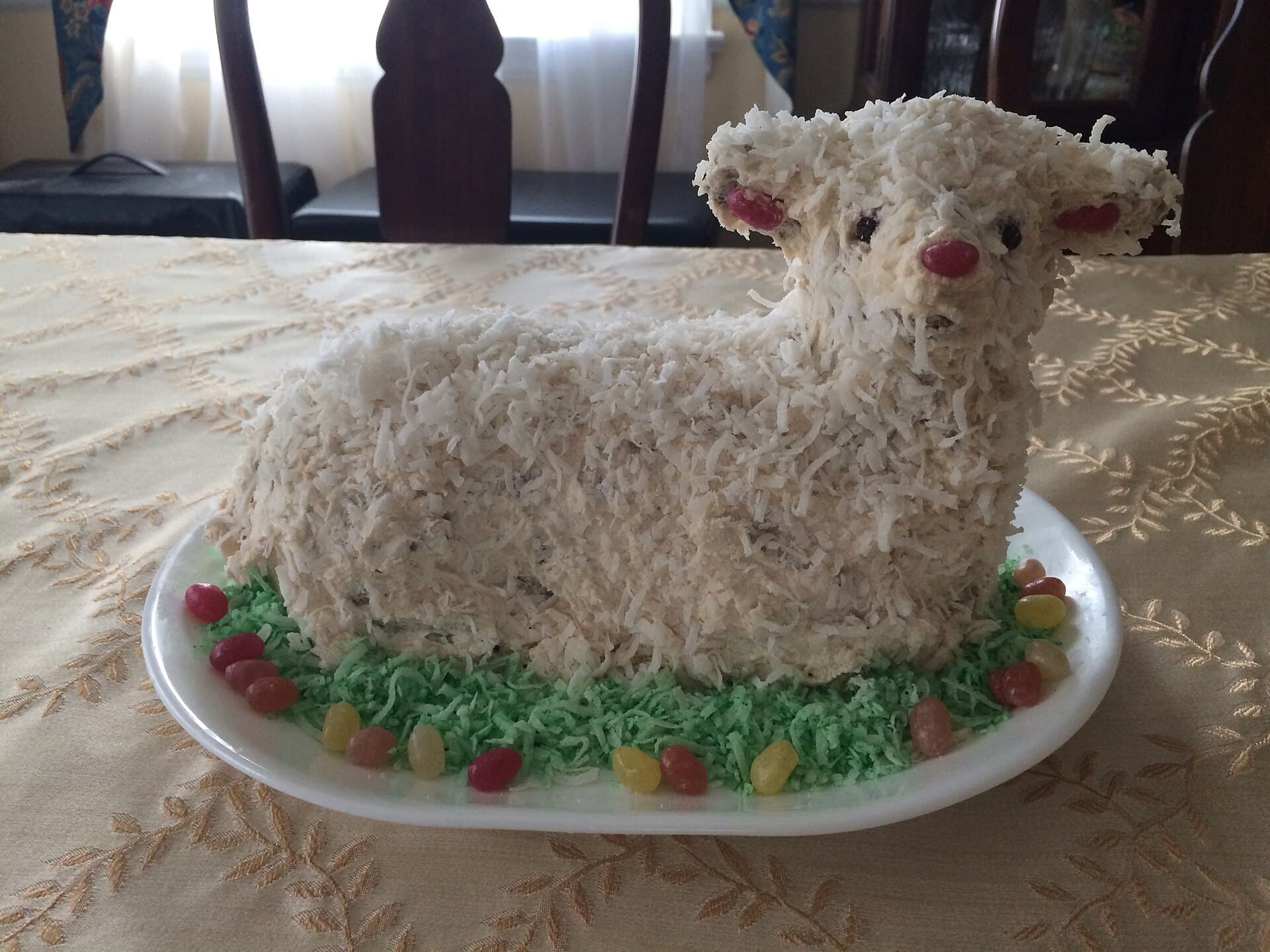
1900s-present
Lamb cake is a dessert shaped into a lamb, traditionally served at Easter celebrations in various American communities. The cake symbolizes purity and resurrection, often made using a molded pan and decorated with frosting to resemble wool. Its cross-era presence illustrates the blending of European Easter customs with American holiday traditions.