
Recipe archive
Loading
Setting the table...
Fetching the latest recipes from the archive.
Loading
Fetching the latest recipes from the archive.
Recipe archive
America's Melting Pot
Hawaiian Huli Huli Chicken hero image coming soon
1945-2000 - Hawaiian roadside vendors and home barbecuers.
Huli Huli chicken is a Hawaiian grilled chicken marinated in a sweet-savory teriyaki-style sauce, cooked on a spit or grill. It captures Hawaii's barbecue culture blending native and immigrant flavors and is a festive dish for outdoor gatherings.
No featured photo yet. Upload a photo with your review. The highest-rated community photo may become this recipe's hero image.
Difficulty
Medium
Prep time
15 minutes plus marinating
Cook time
45 minutes
Total time
1 hour
Servings
6
Region
Honolulu, Hawaii
Era introduced
1945-2000
Introduced by
Hawaiian roadside vendors and home barbecuers.
Recipe tools
Log in to save this recipe to a collection.
Huli Huli chicken originated in mid-20th-century Hawaii, where roadside stands began serving grilled chicken glazed with a distinctive sweet and smoky sauce. The dish reflects the multicultural mix of Hawaiian, Filipino, Japanese, and American influences. The name "Huli Huli" means "turn turn" in Hawaiian, referencing the turning of the bird on the grill. It remains a beloved symbol of Hawaiian barbecue, enjoyed at festivals, luaus, and family cookouts.
Share family changes, regional twists, or pantry-friendly adaptations as full community recipes.
Log in to submit a community recipe.
No community recipes yet. Submitted recipes are published right away.
Rate this recipe and share how it worked at your table.
Log in to review this recipe.
No reviews yet. Be the first to rate this recipe.
Recipes matched by era, region, occasion, ingredients, and cultural roots from the archive.
Same era
America's Melting Pot
Chili and Cinnamon Rolls photo coming soon
1944/1940s-present
Chili and Cinnamon Rolls is a unique Midwestern comfort food pairing commonly found in school cafeterias and concession stands. Combining a warm bowl of chili with sweet, soft cinnamon rolls offers a blend of savory and sweet flavors reflecting regional preferences in informal or institutional American dining. This meal represents practical, hearty food designed for broad appeal and sustenance in communal eating contexts.
America's Melting Pot
Cinnamon Rolls with Chili photo coming soon
1944/1940s-present
A unique breakfast combining the sweet, soft cinnamon roll with a spicy chili twist, reflecting flavor fusions from the Great Plains region influenced by Mexican-American and Southwestern cuisines. This dish pairs the warming spices of cinnamon with hearty chili for a tasty and filling meal that honors regional culinary blending.
America's Melting Pot
Coffee Shop Scones photo coming soon
1980s-present
Coffee shop scones are tender, buttery pastries with a crisp exterior and soft crumb, popular in Pacific Northwest cafes. Typically served with coffee, these scones reflect regional preferences and European pastry influences adapted to local tastes across eras.
Same region
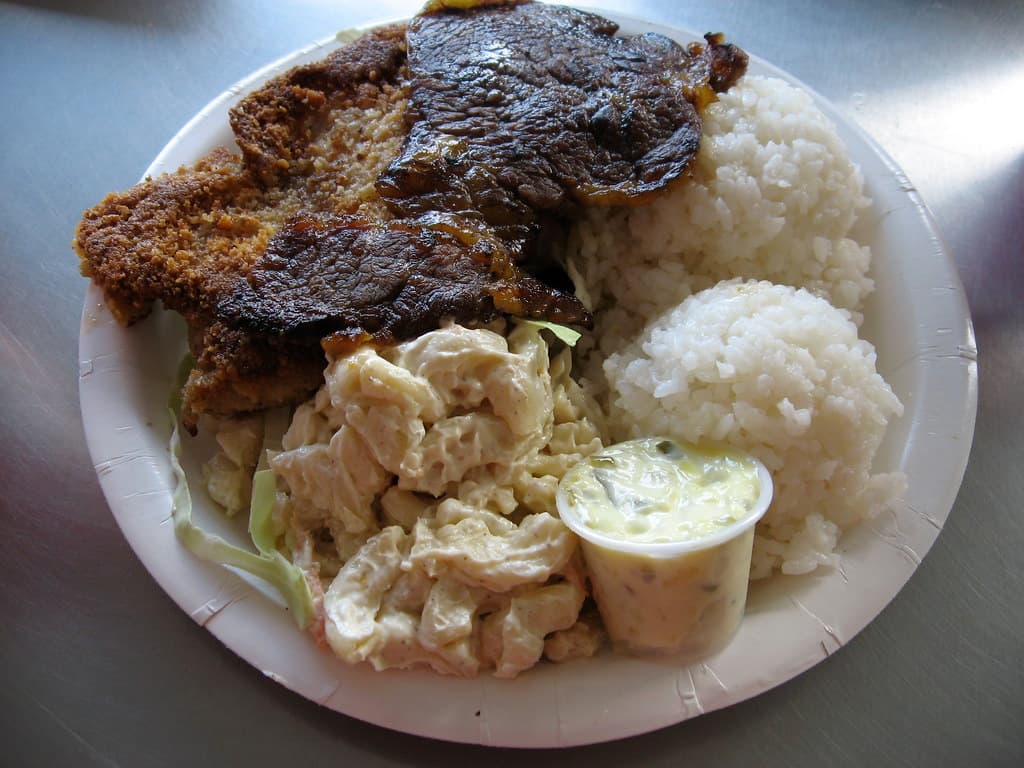
1880s-present
Plate Lunch is a Hawaiian staple featuring a protein portion served with rice and macaroni salad, showcasing Asian-Pacific, Hawaiian, and Portuguese influences. It embodies Hawaii's multicultural heritage by combining native and immigrant culinary traditions accessible throughout the islands.
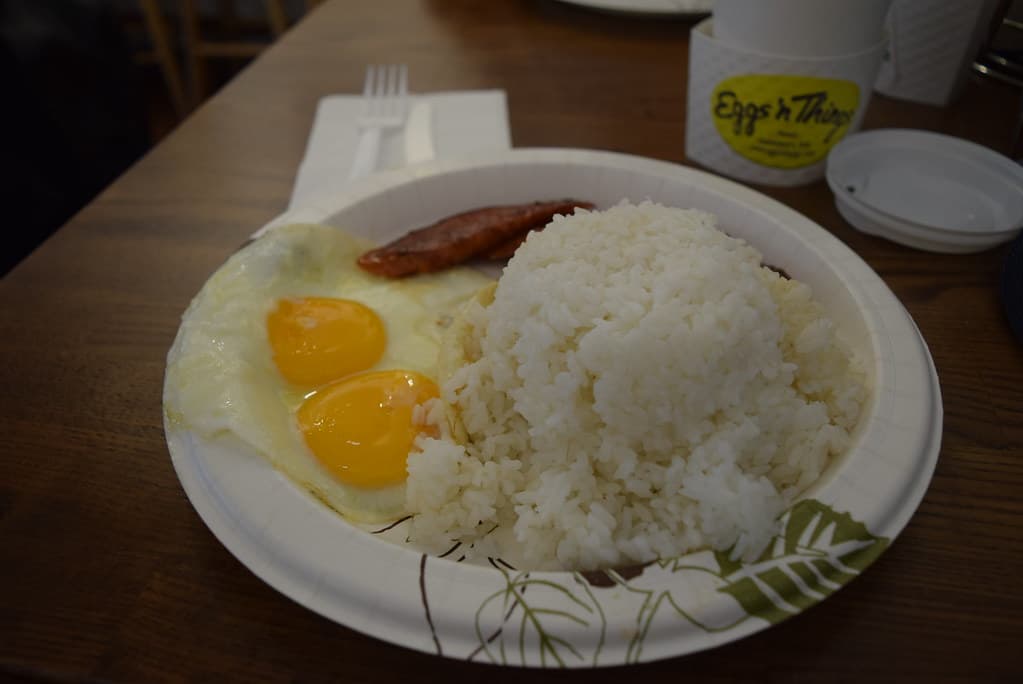
1878/1900s-present
Portuguese Sausage and Eggs is a popular traditional breakfast in Hawaii combining savory Portuguese sausage with fried eggs to reflect immigrant influence on local food culture.
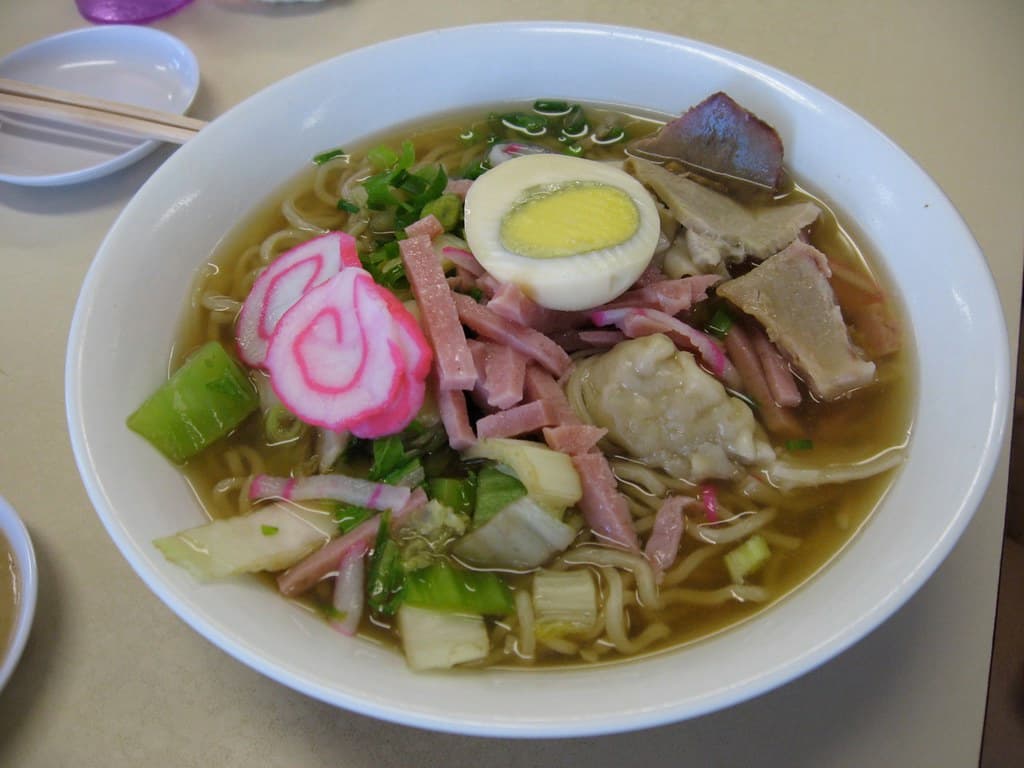
1908-present
Saimin is a noodle soup combining wheat noodles in a light broth with garnishes such as green onions, char siu pork, and seaweed. It emerged in Hawaii through fusion of Hawaiian, Asian-Pacific American, and Portuguese-American culinary traditions reflecting diverse immigration patterns.
Same table
America's Melting Pot
Grilled Chicken Salad photo coming soon
1990s-present
Grilled Chicken Salad became popular in American suburbs and coffee shops during the 1990s-2000s as a health-oriented dish. Featuring marinated grilled chicken over mixed greens with fresh vegetables and vinaigrette, it is common at Super Bowl gatherings and casual dining venues.
America's Melting Pot
Lexington-Style Pork Shoulder photo coming soon
1919/1920s-present
Lexington-Style Pork Shoulder is a North Carolina barbecue dish featuring slow-cooked pork shoulder served with a tangy vinegar and tomato-based sauce. This distinct style is a regional barbecue tradition, emphasizing sharp, bright, and spicy flavors.
America's Melting Pot
Memphis Ribs photo coming soon
1950s-present
Memphis ribs are a hallmark of American barbecue tradition, featuring tender pork ribs seasoned with a dry rub or coated in tangy barbecue sauce and slow-cooked over indirect heat. This recipe highlights the deep smoky flavors and rich history of Tennessee barbecue.