
Recipe archive
Loading
Setting the table...
Fetching the latest recipes from the archive.
Loading
Fetching the latest recipes from the archive.
Recipe archive
America's Melting Pot
Cinnamon Rolls with Chili hero image coming soon
1945-2000 - Texan and Southwestern cooks blending Mexican-American and regional breakfast traditions
A unique breakfast combining the sweet, soft cinnamon roll with a spicy chili twist, reflecting flavor fusions from the Great Plains region influenced by Mexican-American and Southwestern cuisines. This dish pairs the warming spices of cinnamon with hearty chili for a tasty and filling meal that honors regional culinary blending.
No featured photo yet. Upload a photo with your review. The highest-rated community photo may become this recipe's hero image.
Difficulty
Medium
Prep time
25 minutes
Cook time
35 minutes
Total time
1 hour
Servings
6
Region
Iowa, Nebraska, Kansas, and Great Plains school cafeterias
Era introduced
1945-2000
Introduced by
Texan and Southwestern cooks blending Mexican-American and regional breakfast traditions
Recipe tools
Log in to save this recipe to a collection.
Cinnamon Rolls with Chili combine two contrasting flavors emblematic of the Great Plains cuisine, where Mexican-American and Southwestern influences intersect with traditional American breakfast fare. This pairing gained popularity as a hearty, flavorful start to the day, bringing sweet cinnamon rolls alongside spicy chili seasoned with chiles and cumin. The dish exemplifies cultural fusion across regional borders, integrating the comforting qualities of sweet pastry with the robust, savory heat of chili, which is especially enjoyed in Texas and surrounding states with mixed heritage foodways.
Share family changes, regional twists, or pantry-friendly adaptations as full community recipes.
Log in to submit a community recipe.
No community recipes yet. Submitted recipes are published right away.
Rate this recipe and share how it worked at your table.
Log in to review this recipe.
No reviews yet. Be the first to rate this recipe.
Recipes matched by era, region, occasion, ingredients, and cultural roots from the archive.
Same era
America's Melting Pot
Chili and Cinnamon Rolls photo coming soon
1944/1940s-present
Chili and Cinnamon Rolls is a unique Midwestern comfort food pairing commonly found in school cafeterias and concession stands. Combining a warm bowl of chili with sweet, soft cinnamon rolls offers a blend of savory and sweet flavors reflecting regional preferences in informal or institutional American dining. This meal represents practical, hearty food designed for broad appeal and sustenance in communal eating contexts.
America's Melting Pot
Coffee Shop Scones photo coming soon
1980s-present
Coffee shop scones are tender, buttery pastries with a crisp exterior and soft crumb, popular in Pacific Northwest cafes. Typically served with coffee, these scones reflect regional preferences and European pastry influences adapted to local tastes across eras.
America's Melting Pot
Farmers Market Salad photo coming soon
1977/1980s-present
Farmers Market Salad highlights fresh, seasonal vegetables often available at local markets on the West Coast. This salad emphasizes simplicity and freshness, popular as a healthy side dish that showcases regionally grown produce across eras.
Same region
America's Melting Pot
Chili and Cinnamon Rolls photo coming soon
1944/1940s-present
Chili and Cinnamon Rolls is a unique Midwestern comfort food pairing commonly found in school cafeterias and concession stands. Combining a warm bowl of chili with sweet, soft cinnamon rolls offers a blend of savory and sweet flavors reflecting regional preferences in informal or institutional American dining. This meal represents practical, hearty food designed for broad appeal and sustenance in communal eating contexts.
America's Melting Pot
Runza photo coming soon
1946-1969
Runza is a yeast-leavened bread pocket filled with seasoned ground beef, cabbage, onions, and spices. Of German-Russian origin, it became a regional favorite in the American Midwest and Great Plains, especially Nebraska, during the postwar era as a convenient savory meal.
America's Melting Pot
BBQ Beef Sandwiches photo coming soon
1970-2026
This sandwich turns pot roast into crowd food: cook beef until it pulls apart, simmer it in barbecue sauce, and serve it from a slow cooker or Dutch oven. It fits the late-20th-century world of booster clubs, church suppers, and game-day tables, where economical roasts could feed a line of hungry fans.
Same table
1985-present
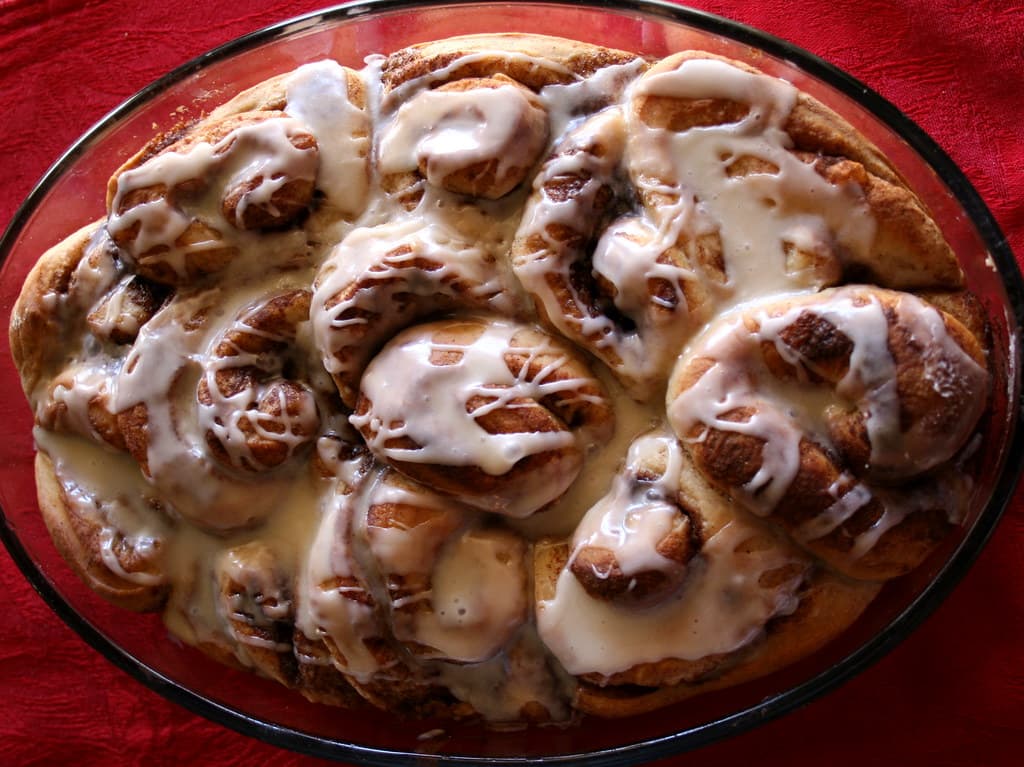
Classic American breakfast sweet rolls featuring a soft, fluffy dough swirled with cinnamon sugar and topped with a sweet glaze. Cinnamon rolls became popular as convenient and comforting treats at tailgate parties, booster clubs, and concession stands in late 20th-century America, especially from the 1970s through the 1980s. Their warm spices and sweetness mark them as a festive favorite around Christmas and other cold-weather celebrations.
1700-2026
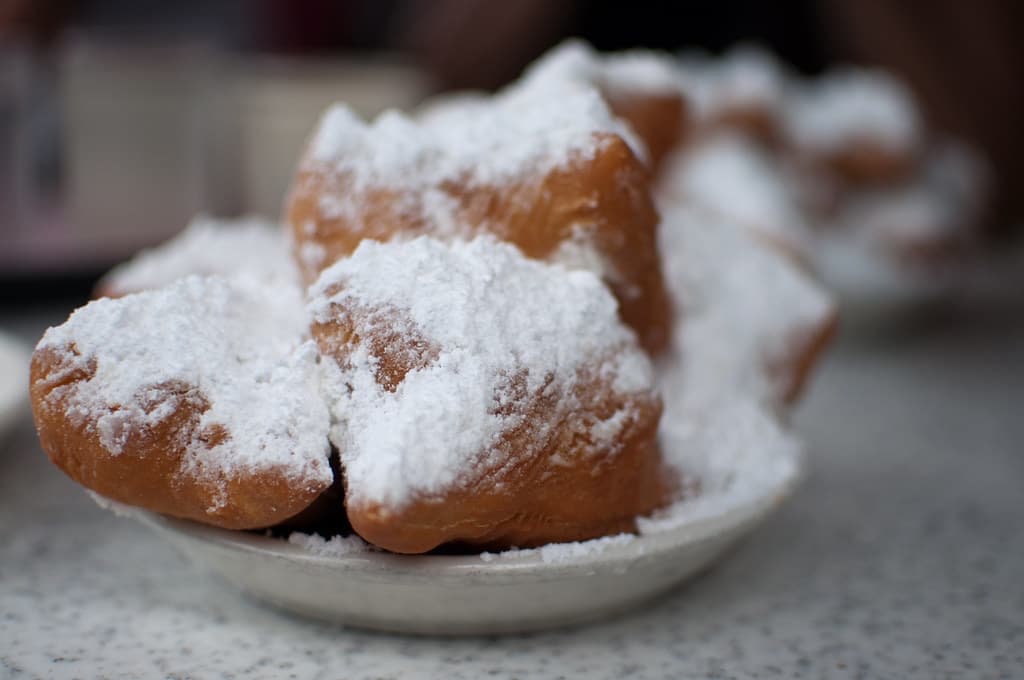
Beignets carry French and Acadian roots into Louisiana, where New Orleans coffee stands made them a breakfast and late-night ritual. The familiar square, sugar-dusted version is now inseparable from cafe au lait and the French Quarter.
America's Melting Pot
Buckwheat Cakes photo coming soon
1700-2026
Buckwheat cakes were once a cold-weather American breakfast staple, especially in Pennsylvania, Appalachia, and boardinghouses. Buckwheat grew well in poor soils, and an overnight batter gave the cakes a tangy flavor before modern baking powder pancakes took over.