
Recipe archive
Loading
Setting the table...
Fetching the latest recipes from the archive.
Loading
Fetching the latest recipes from the archive.
Recipe archive
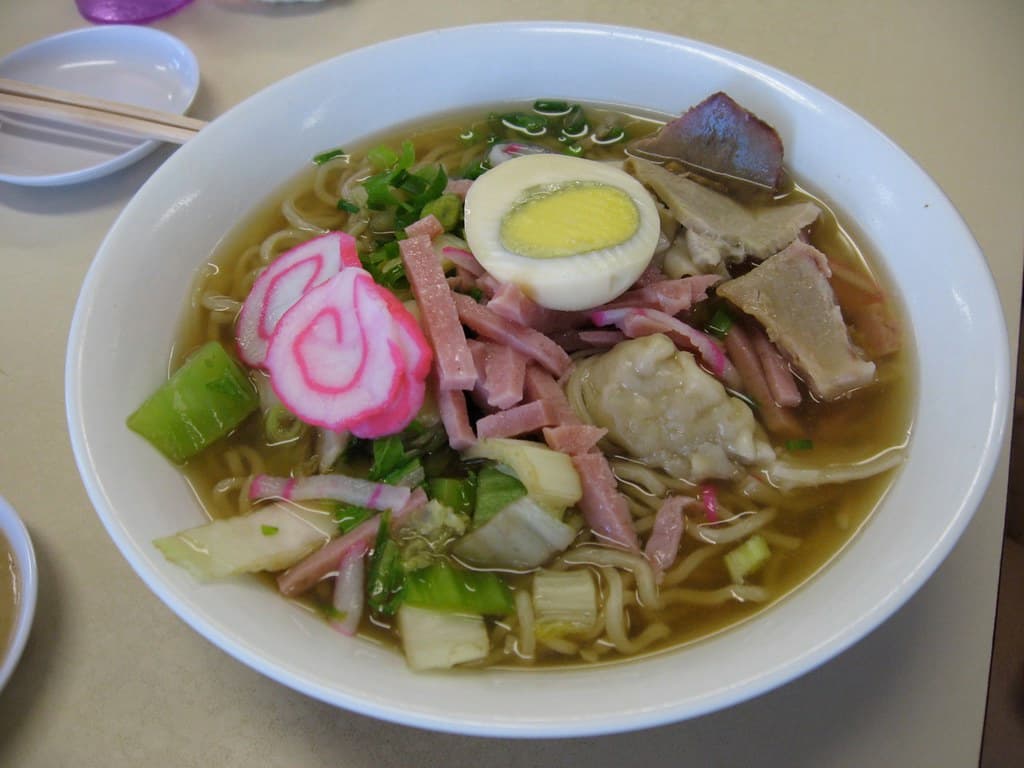
1900-1929 - Hawaiian multiracial communities including Asian-Pacific American and Portuguese-American immigrants
Saimin is a noodle soup combining wheat noodles in a light broth with garnishes such as green onions, char siu pork, and seaweed. It emerged in Hawaii through fusion of Hawaiian, Asian-Pacific American, and Portuguese-American culinary traditions reflecting diverse immigration patterns.
Community-powered photos. Reviewers can upload dish photos, and the highest-rated community image may be featured here.
Difficulty
Easy
Prep time
15 minutes
Cook time
20 minutes
Total time
35 minutes
Servings
4
Region
Hawaii plantation towns
Era introduced
1900-1929
Introduced by
Hawaiian multiracial communities including Asian-Pacific American and Portuguese-American immigrants
Recipe tools
Log in to save this recipe to a collection.
Saimin developed in Hawaii during the 20th century as a signature dish combining influences from immigrants including Chinese, Japanese, Filipino, and Portuguese communities. The dish features a clear broth, soft wheat noodles, and diverse garnishes that reflect Hawaii's multicultural heritage and island food culture. It remains a beloved local comfort food, served widely at lunch counters and family tables.
Share family changes, regional twists, or pantry-friendly adaptations as full community recipes.
Log in to submit a community recipe.
No community recipes yet. Submitted recipes are published right away.
Rate this recipe and share how it worked at your table.
Log in to review this recipe.
No reviews yet. Be the first to rate this recipe.
Recipes matched by era, region, occasion, ingredients, and cultural roots from the archive.
Same era
America's Melting Pot
American French Dressing photo coming soon
1900s-present
American French Dressing is a dressing with real American table personality: The bright orange-red, sweet, tomatoey bottled dressing Americans call "French." Not very French, very American. It brings flavor from coast-to-coast American tables to cookouts, counters, lunch plates, potlucks, and weeknight suppers.
America's Melting Pot
Apple Pie Shake photo coming soon
1922-present
Apple Pie Shake brings drive-in, carhop, and fast-food dessert-counter energy to the table: Diner pie a la mode in a cup.
America's Melting Pot
Avgolemono Soup photo coming soon
1900-1929
A silky Greek-American chicken, rice, egg, and lemon soup made by tempering eggs into hot broth for a creamy dairy-free finish.
Same region
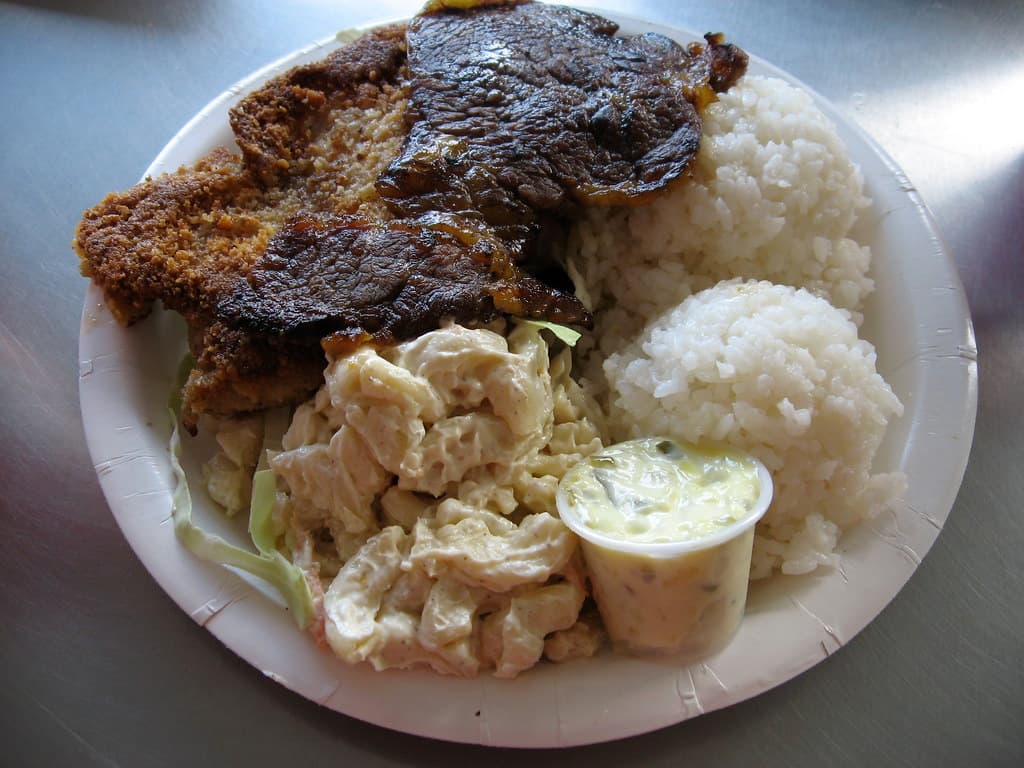
1880s-present
Plate Lunch is a Hawaiian staple featuring a protein portion served with rice and macaroni salad, showcasing Asian-Pacific, Hawaiian, and Portuguese influences. It embodies Hawaii's multicultural heritage by combining native and immigrant culinary traditions accessible throughout the islands.
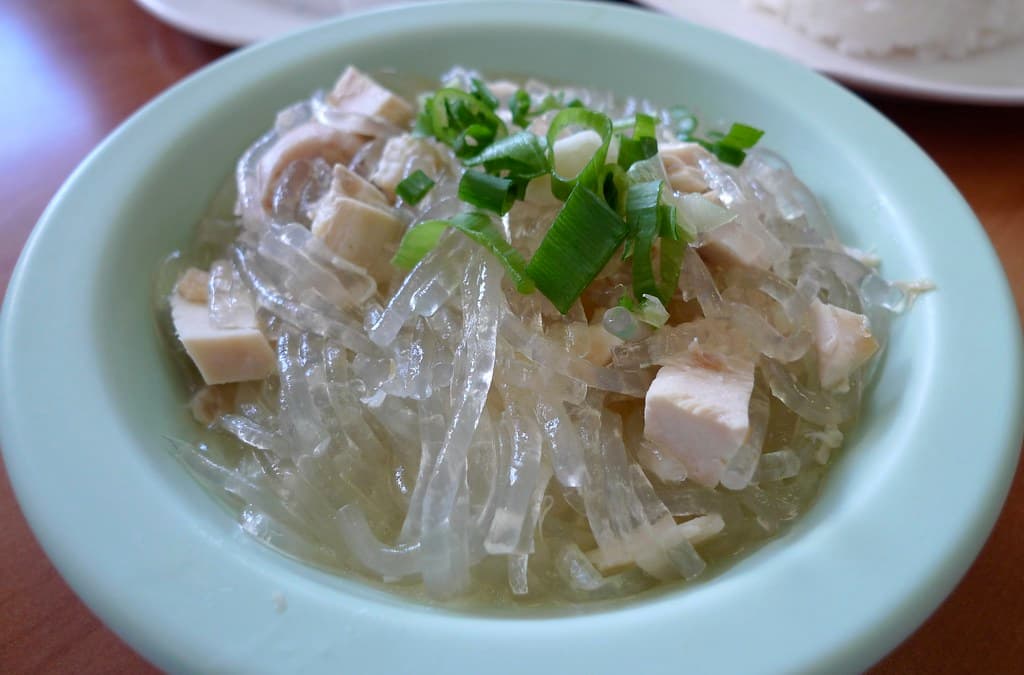
mid-1800s-present
Chicken Long Rice is a comforting Hawaiian side featuring clear mung bean noodles simmered in chicken broth with shredded chicken, garlic, and ginger. This dish evolved through Hawaiian local and immigrant communities, reflecting influences from Asian and Portuguese-American cuisines and becoming a staple at family gatherings.
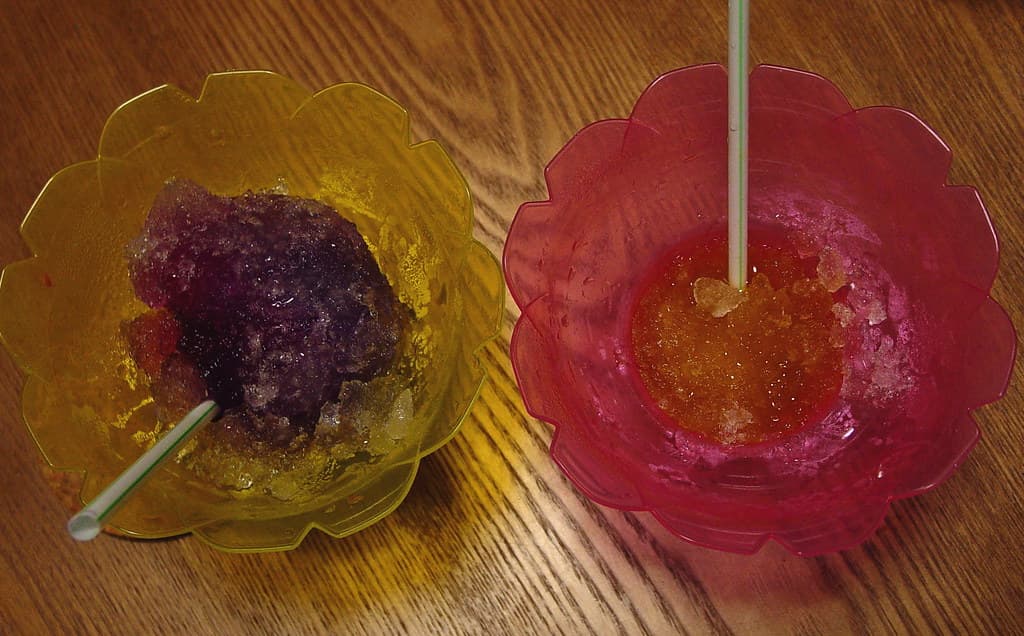
1920s-present
Shave Ice is a finely shaved ice dessert popular in Hawaii featuring colorful flavored syrups and often toppings such as sweetened beans or mochi. It reflects the blending of native Hawaiian, Asian-Pacific, and Portuguese-American influences and remains a beloved tropical refreshment.
Same table
mid-1800s-present
Chicken Long Rice is a comforting Hawaiian side featuring clear mung bean noodles simmered in chicken broth with shredded chicken, garlic, and ginger. This dish evolved through Hawaiian local and immigrant communities, reflecting influences from Asian and Portuguese-American cuisines and becoming a staple at family gatherings.
America's Melting Pot
Navy Bean Soup photo coming soon
1900s-present
Navy Bean Soup is a simple, hearty soup featuring white navy beans simmered with vegetables and ham or pork, widely consumed during the Great Depression and wartime for its affordability and sustenance. The soup became a staple in military and civilian kitchens alike.
America's Melting Pot
New Mexico Green Chile Stew photo coming soon
1800-1860
New Mexico Green Chile Stew is a traditional hearty stew made with pork, green chiles, potatoes, and spices, reflecting the culinary influences of Mexican-American and Southwestern cultures in the 19th century. It remains a popular regional comfort food known for its distinctive heat and flavor.