
Recipe archive
Loading
Setting the table...
Fetching the latest recipes from the archive.
Loading
Fetching the latest recipes from the archive.
Recipe archive
America's Melting Pot
Hominy hero image coming soon
1776-1800 - Indigenous American communities and Southern United States home cooks.
Hominy is dried maize kernels treated with an alkali to remove the hull and germ, a process known as nixtamalization. It has been a staple food for Indigenous peoples in North America and later incorporated widely into American cooking. This versatile ingredient appears in many traditional dishes across different regions, valued for its unique texture and nutritional content.
No featured photo yet. Upload a photo with your review. The highest-rated community photo may become this recipe's hero image.
Difficulty
Easy
Prep time
10 minutes (prep) plus soaking time
Cook time
1 to 2 hours
Total time
12 hours (including soaking)
Servings
4
Region
Texas and the Southwest
Era introduced
1776-1800
Introduced by
Indigenous American communities and Southern United States home cooks.
Recipe tools
Log in to save this recipe to a collection.
Hominy is a product of processing dried corn through nixtamalization, a technique with deep Indigenous American origins. The process enhances the nutritional value and digestibility of the corn, and hominy became a fundamental ingredient in a variety of dishes like stews, breads, and porridges. European settlers adapted hominy into regional cuisines after contact, making it a lasting staple in Southern and Southwestern American foodways.
Share family changes, regional twists, or pantry-friendly adaptations as full community recipes.
Log in to submit a community recipe.
No community recipes yet. Submitted recipes are published right away.
Rate this recipe and share how it worked at your table.
Log in to review this recipe.
No reviews yet. Be the first to rate this recipe.
Recipes matched by era, region, occasion, ingredients, and cultural roots from the archive.
Same era
America's Melting Pot
Ash Cakes photo coming soon
1776-1800
A plain cornmeal-and-water ash cake inspired by Revolutionary-era field cooking, adapted for a skillet or campfire with salt and a little fat for modern eatability.
America's Melting Pot
Bean Porridge photo coming soon
1776-1800
Bean porridge sits close to the everyday cooking of early America: beans or peas, water, a little meat when available, and meal to thicken the pot. It was plain food, but practical food, made in a kettle and stretched for households that needed warmth, calories, and thrift more than ceremony.
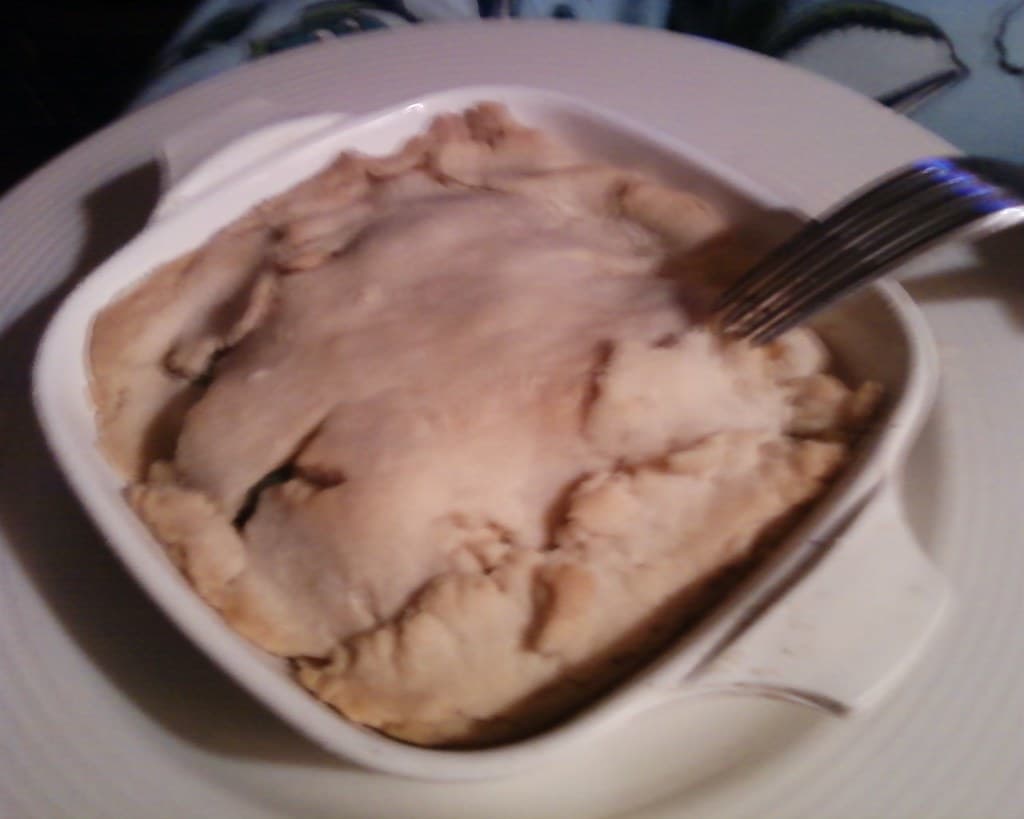
1700s-1800s
Chicken Pie is a hearty savory pie made with cooked chicken, vegetables, and a flaky pastry crust. Rooted in mid to late 19th-century railroad and boardinghouse cooking, it offered a portable, filling meal for workers and travelers during the Civil War and Reconstruction period, blending practicality with comforting flavors.
Same region
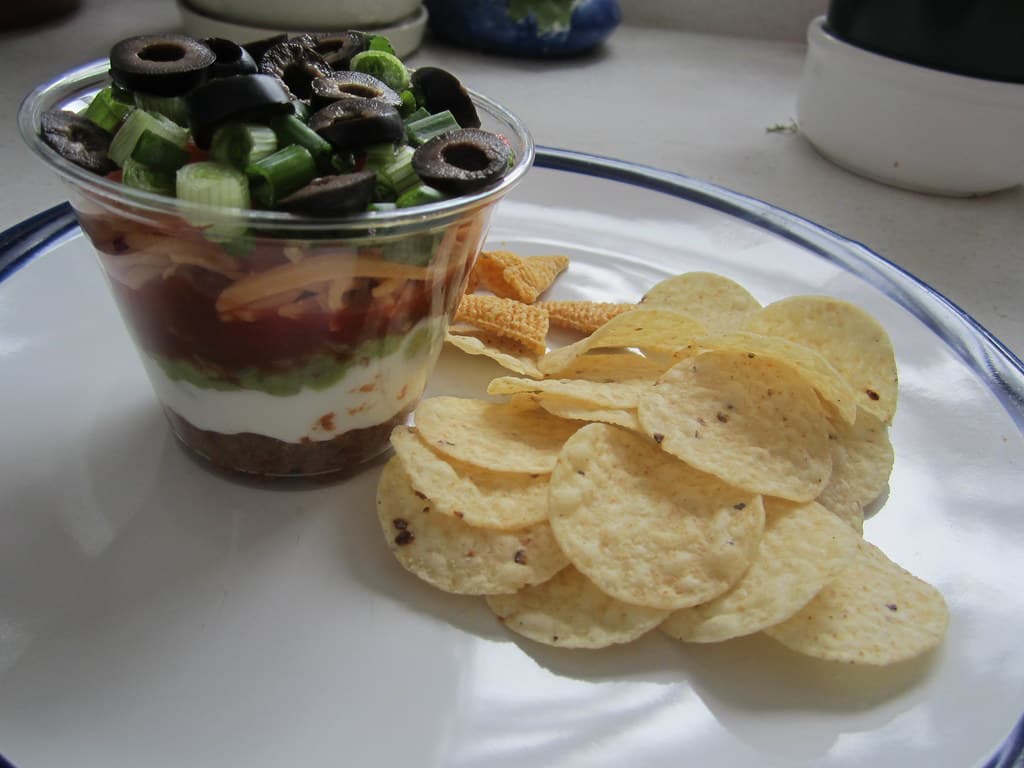
1900s-present
7-Layer Dip is a party dip with real American table personality: Tex-Mex party dish. It brings flavor from Texas and the Southwest to cookouts, counters, lunch plates, potlucks, and weeknight suppers.
America's Melting Pot
American Cocktail Sauce photo coming soon
1900s-present
American Cocktail Sauce is a seafood sauce with real American table personality: Ketchup/chili sauce plus horseradish; shrimp cocktail, oysters, crab claws. It brings flavor from Texas and the Southwest to cookouts, counters, lunch plates, potlucks, and weeknight suppers.
America's Melting Pot
Banana Licuado photo coming soon
1900s-present
Banana Licuado salutes regional fruit country and the American dairy-stand tradition: Mexican-American breakfast drink.
Same table
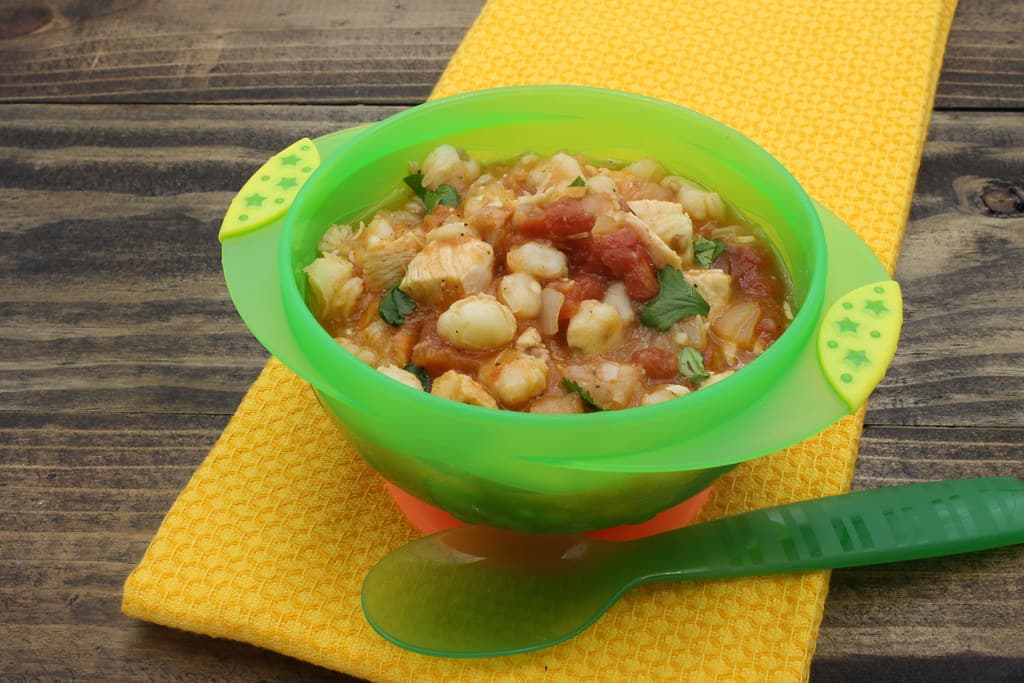
pre-1776-present
Hominy stew is a traditional Indigenous American dish combining hominy with meat and vegetables to create a hearty, nourishing meal. This recipe reflects how Indigenous foodways influenced American cooking during the 1800-1860 period, using local ingredients and slow cooking methods.
America's Melting Pot
Hoover Stew photo coming soon
1929-1939
Hoover Stew emerged during the Great Depression as a simple, affordable, and nourishing meal using available pantry staples. Named (sometimes colloquially) after President Hoover, it typifies Depression-era cooking that utilized minimal ingredients stretched for multiple servings. The stew often combines canned goods and inexpensive proteins to create a filling dish suited to hard times.
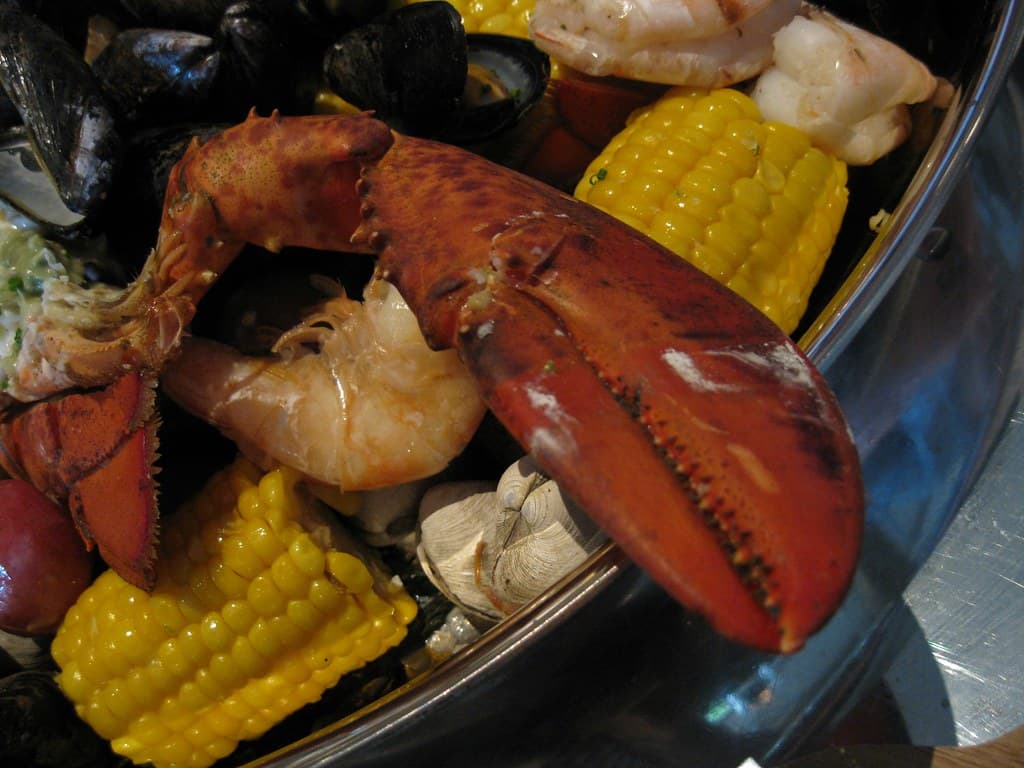
post-Civil War-present
Clam Bake is a communal outdoor cooking method from New England that involves steaming clams, fish, corn, potatoes, and sometimes other shellfish in a pit or pot layered with seaweed. This method celebrates coastal regional ingredients and social dining, historically practiced by Native Americans and adopted by European settlers to feature the bounty of the Atlantic. It remains a hallmark of summer gatherings and fishing camp meals in New England.