
Recipe archive
Loading
Setting the table...
Fetching the latest recipes from the archive.
Loading
Fetching the latest recipes from the archive.
Recipe archive
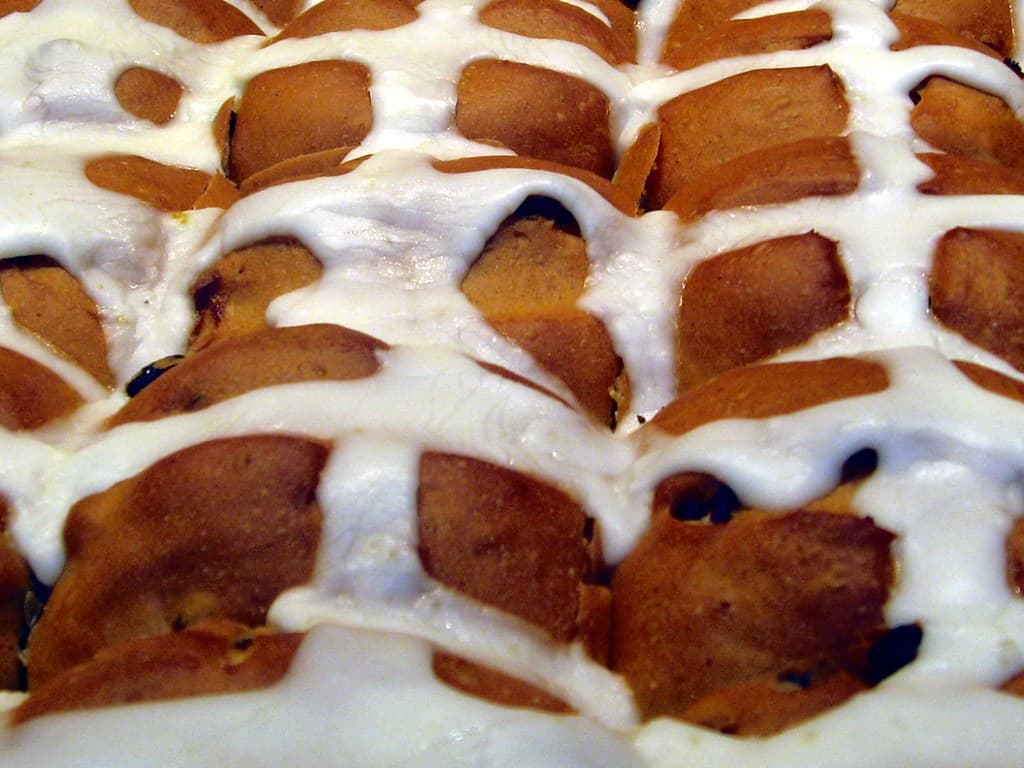
1800-1860 - American home bakers and Easter holiday traditions influenced by English baking.
Hot cross buns are spiced sweet buns traditionally eaten during Easter in the United States and many other countries. The buns include dried fruit and are marked with a cross on top, symbolizing the holiday's Christian significance. This recipe reflects longstanding transatlantic baking traditions incorporated into American holiday cuisine.
Community-powered photos. Reviewers can upload dish photos, and the highest-rated community image may be featured here.
Difficulty
Medium
Prep time
30 minutes (plus rising)
Cook time
20 minutes
Total time
2 hours
Servings
12 buns
Region
Pennsylvania and New York Easter bakery kitchens
Era introduced
1800-1860
Introduced by
American home bakers and Easter holiday traditions influenced by English baking.
Recipe tools
Log in to save this recipe to a collection.
Hot cross buns have roots in English baking traditions brought to America and integrated into Easter celebrations. These spiced buns with currants or raisins and a symbolic cross on top are consumed during Lent leading up to Easter, embodying Christian symbolism. They represent one of the many ways international holiday traditions have merged into the American festive culinary landscape.
Share family changes, regional twists, or pantry-friendly adaptations as full community recipes.
Log in to submit a community recipe.
No community recipes yet. Submitted recipes are published right away.
Rate this recipe and share how it worked at your table.
Log in to review this recipe.
No reviews yet. Be the first to rate this recipe.
Recipes matched by era, region, occasion, ingredients, and cultural roots from the archive.
Same era
America's Melting Pot
Acorn Bread photo coming soon
1800-1860
A nutty, lightly sweet quick bread made with properly leached acorn flour, cornmeal, and wheat flour.
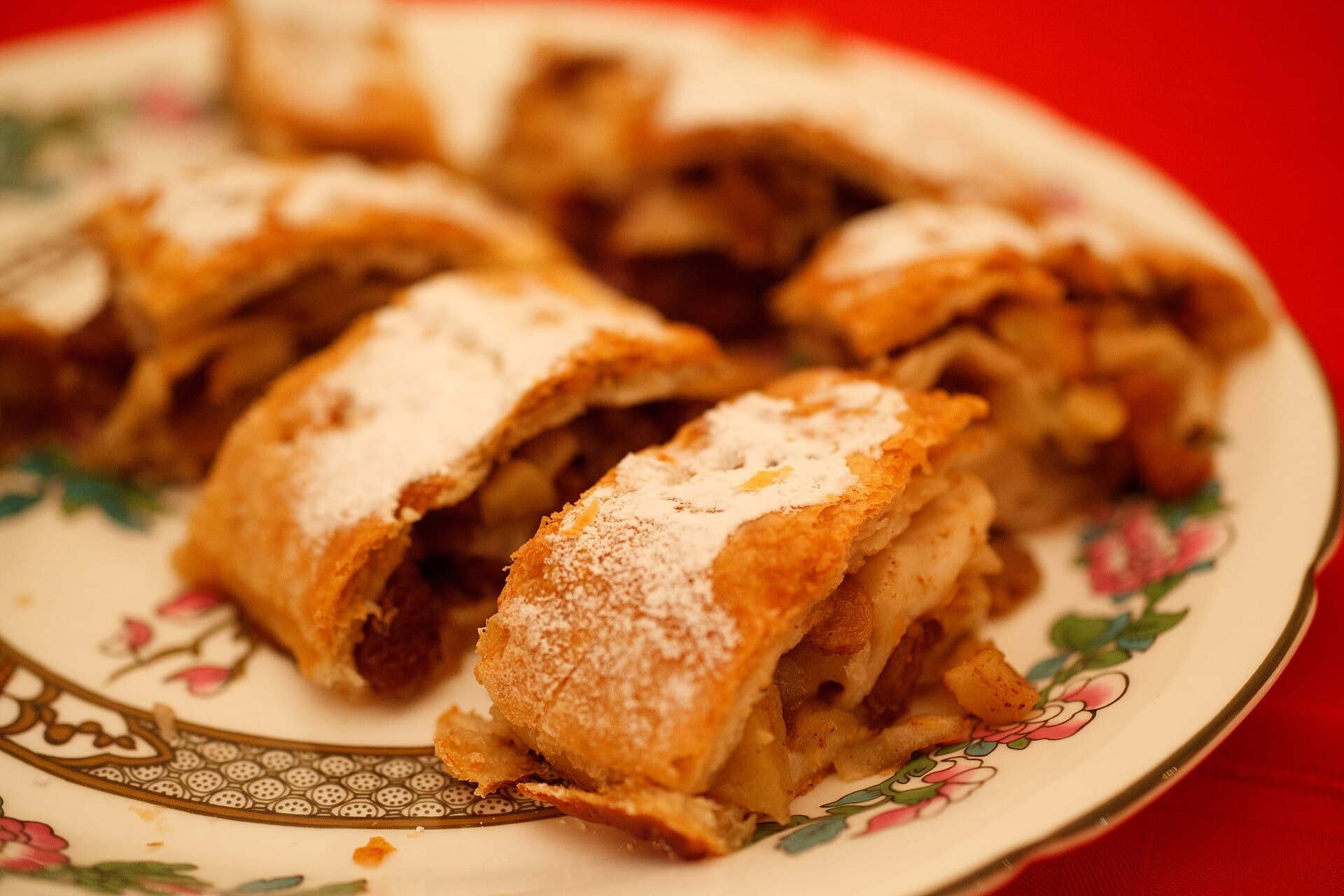
1800-1860
A German-American apple strudel made with crisp apples, raisins, cinnamon, buttered crumbs, and flaky phyllo for a practical home version of a Central European pastry.
America's Melting Pot
Asparagus photo coming soon
1800s/early 1900s-present
A bright American Easter asparagus side, quickly cooked and dressed with lemon butter, herbs, and hard-cooked egg in the spirit of old spring-table recipes.
Same region
America's Melting Pot
Acorn Bread photo coming soon
1800-1860
A nutty, lightly sweet quick bread made with properly leached acorn flour, cornmeal, and wheat flour.
America's Melting Pot
Apple Cake photo coming soon
1800s-present
A tender apple-studded cake with cinnamon, butter, and a simple crumb topping.
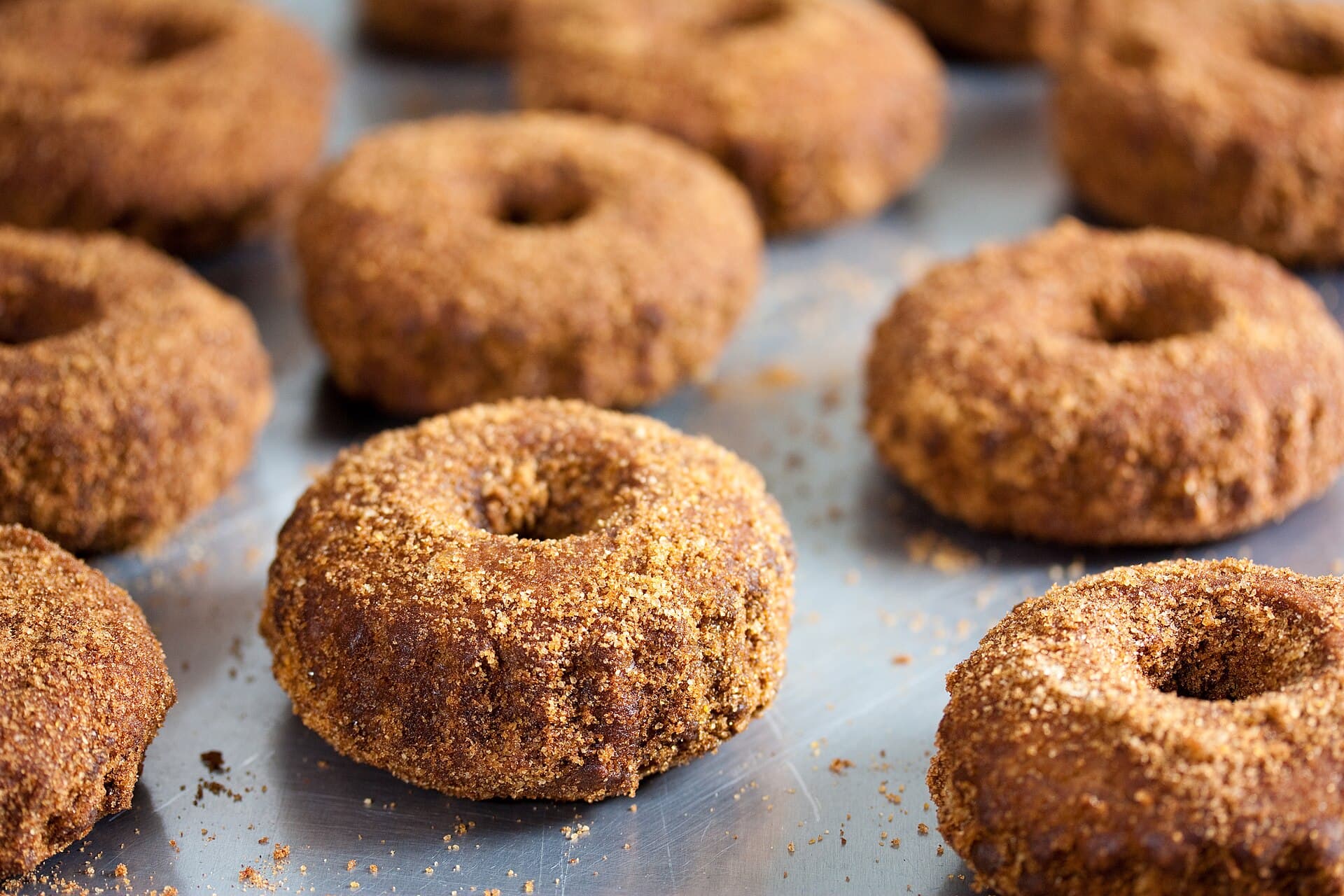
1900s-present
Cake doughnuts flavored with reduced apple cider and rolled in cinnamon sugar.
Same table

1800s-present
Scalloped Potatoes are thinly sliced potatoes baked in a creamy sauce, often with cheese or onions, making a popular side dish at schools, churches, and state fairs in early 20th century America. Its simple ingredients and hearty texture suited well to communal meals and holiday dinners.
America's Melting Pot
Asparagus photo coming soon
1800s/early 1900s-present
A bright American Easter asparagus side, quickly cooked and dressed with lemon butter, herbs, and hard-cooked egg in the spirit of old spring-table recipes.
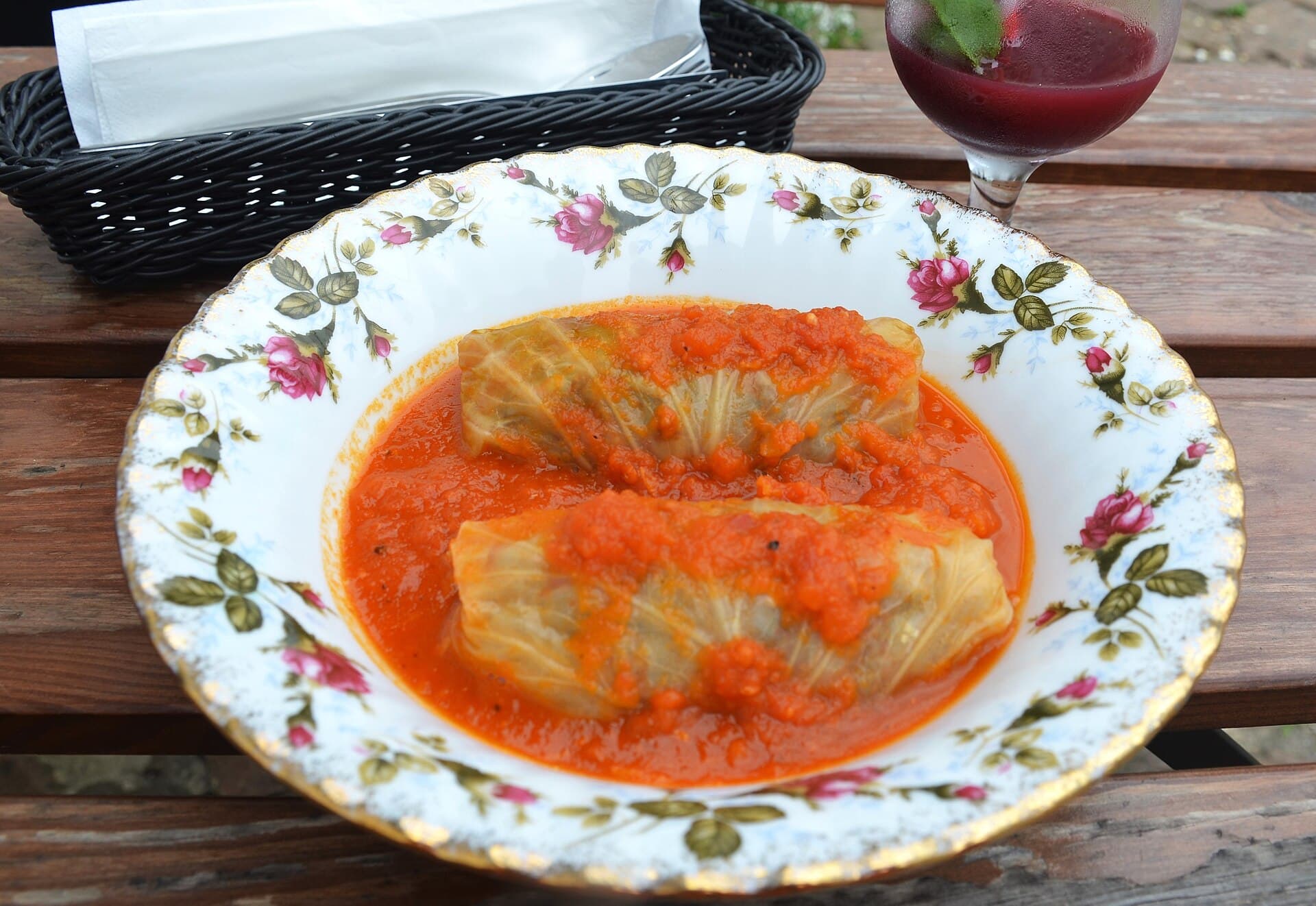
1900-2026
Cabbage rolls came to American tables through many Eastern European and Jewish immigrant communities. Polish golabki, Ukrainian holubtsi, Slovak holubky, Jewish holishkes, and related dishes all wrap humble cabbage around a filling that stretches meat with rice or grain.