
Recipe archive
Loading
Setting the table...
Fetching the latest recipes from the archive.
Loading
Fetching the latest recipes from the archive.
Recipe archive
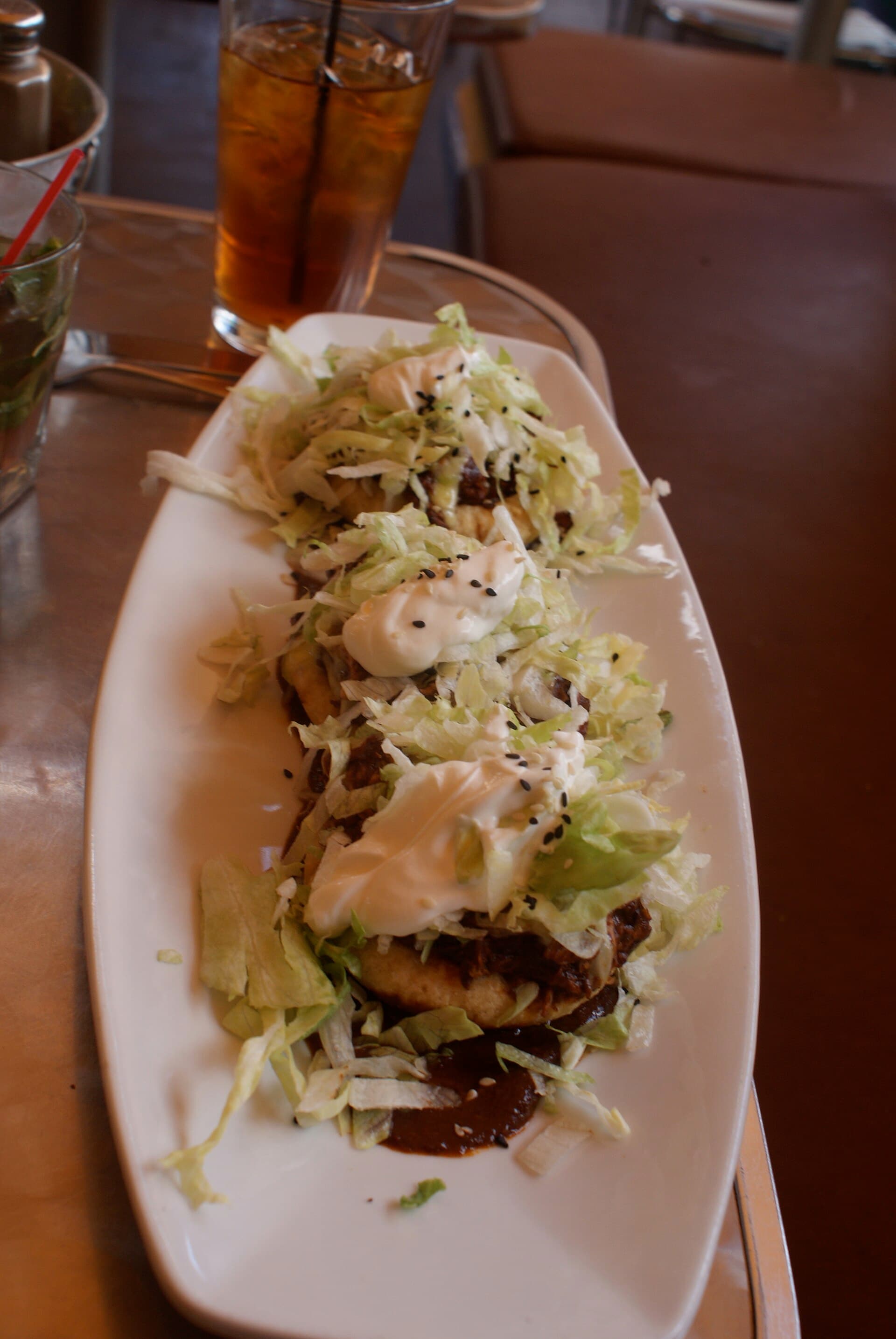
1900-1929 - Mexican-American and Indigenous communities at American state fairs and diners
Indian Tacos, served on frybread, gained popularity in early 20th century American state fairs and diners from 1900 to 1929. This dish represents a culinary adaptation blending Mexican-American taco ingredients with Indigenous frybread, making it a beloved carnival and diner food item.
Community-powered photos. Reviewers can upload dish photos, and the highest-rated community image may be featured here.
Difficulty
Medium
Prep time
30 minutes
Cook time
15 minutes
Total time
45 minutes
Servings
4 servings
Region
Texas and the Southwest
Era introduced
1900-1929
Introduced by
Mexican-American and Indigenous communities at American state fairs and diners
Recipe tools
Log in to save this recipe to a collection.
Indian Tacos combining frybread and taco toppings became a staple at American state fairs and diners in the early decades of the 1900s. This food grew out of Mexican-American culinary influence meeting Indigenous food identity, evolving into a popular, portable, and satisfying dish for public events and casual dining. Its continued presence at fairs and carnivals underscores the cultural convergence and festive spirit characteristic of these venues.
Share family changes, regional twists, or pantry-friendly adaptations as full community recipes.
Log in to submit a community recipe.
No community recipes yet. Submitted recipes are published right away.
Rate this recipe and share how it worked at your table.
Log in to review this recipe.
No reviews yet. Be the first to rate this recipe.
Recipes matched by era, region, occasion, ingredients, and cultural roots from the archive.
Same era
America's Melting Pot
American French Dressing photo coming soon
1900s-present
American French Dressing is a dressing with real American table personality: The bright orange-red, sweet, tomatoey bottled dressing Americans call "French." Not very French, very American. It brings flavor from coast-to-coast American tables to cookouts, counters, lunch plates, potlucks, and weeknight suppers.
America's Melting Pot
Apple Pie Shake photo coming soon
1922-present
Apple Pie Shake brings drive-in, carhop, and fast-food dessert-counter energy to the table: Diner pie a la mode in a cup.
America's Melting Pot
Avgolemono Soup photo coming soon
1900-1929
A silky Greek-American chicken, rice, egg, and lemon soup made by tempering eggs into hot broth for a creamy dairy-free finish.
Same region
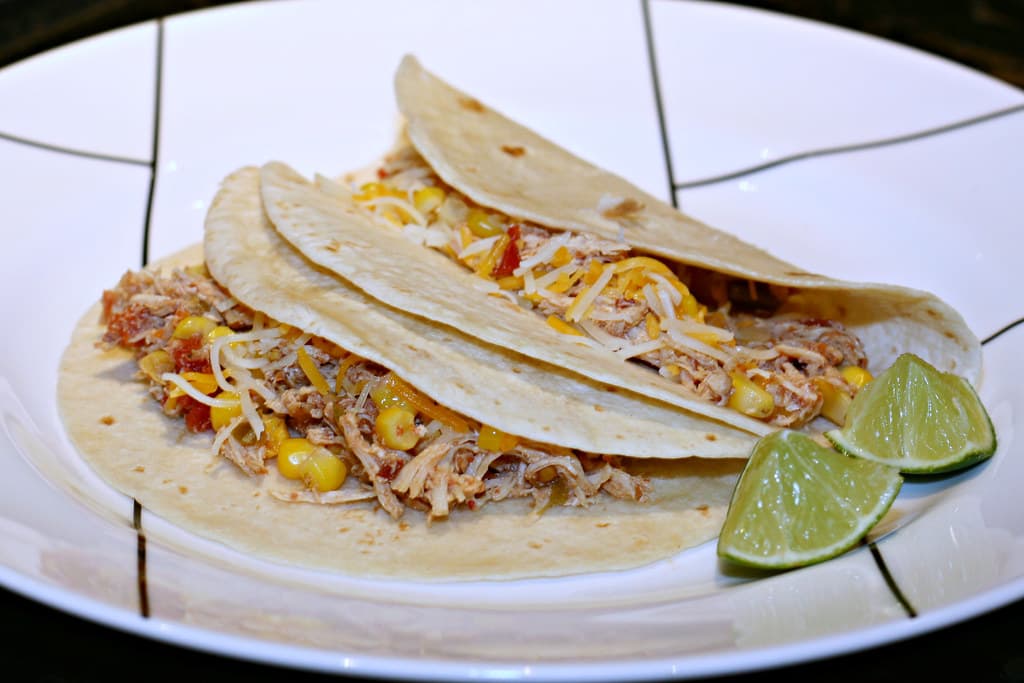
1970-1989
Crockpot Chicken Tacos offer a flavorful and simple way to prepare shredded chicken with Mexican-inspired seasonings in a slow cooker. The tender meat can be used for tacos, burritos, or other dishes, reflecting Mexican-American fusion and modern convenience cooking from the late 20th century.
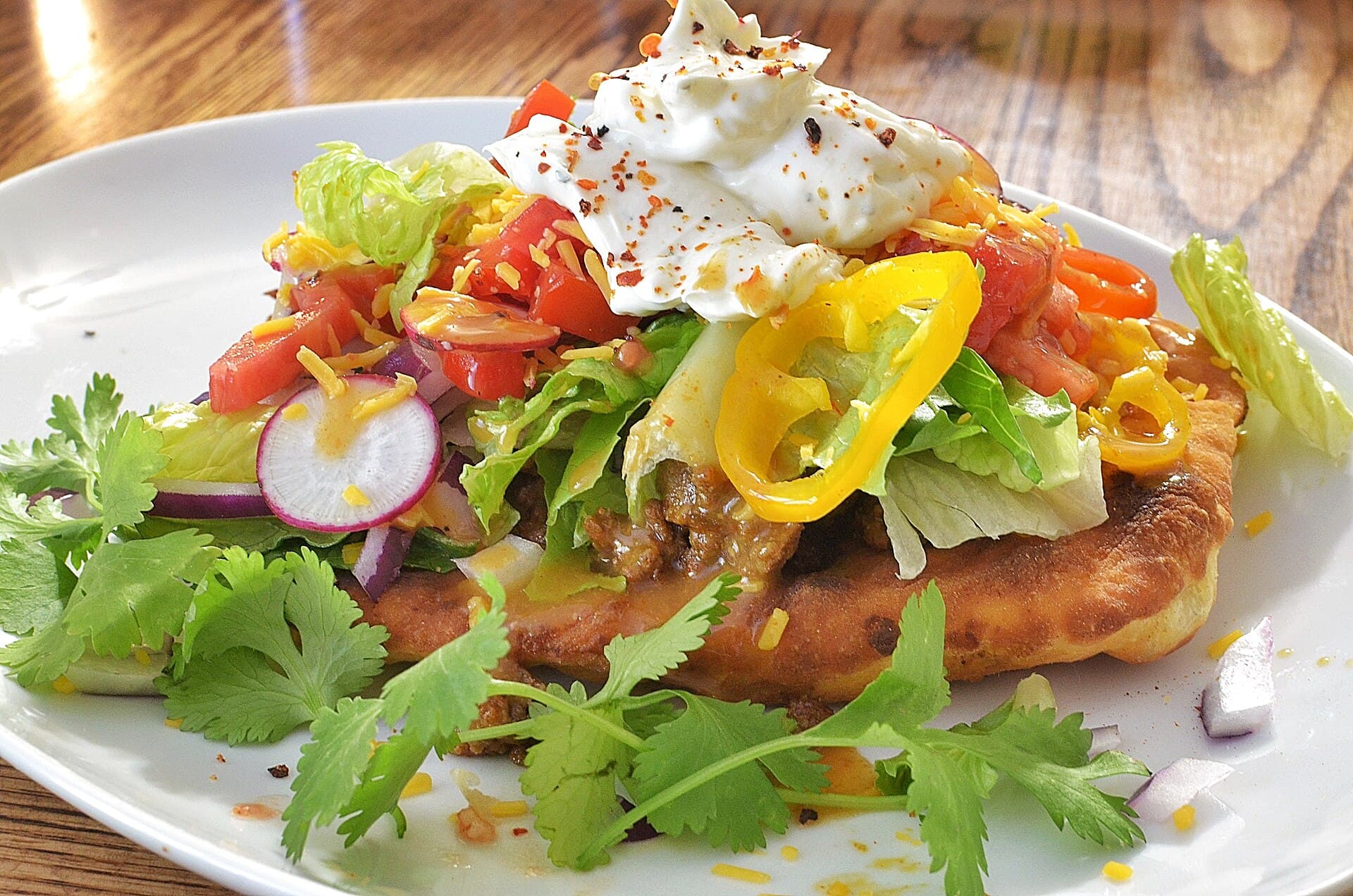
2010-2026
Fry bread tacos, also known as Indian tacos, feature classic fried bread topped with seasoned meat, beans, cheese, lettuce, and salsa. This dish combines Indigenous fry bread traditions with Mexican-American influences, popularized via food trucks and street vendors across the United States in recent decades.
America's Melting Pot
Hard-Shell Tacos photo coming soon
1970-1989
Hard-shell tacos feature crispy fried corn tortillas filled with seasoned ground beef, lettuce, cheese, and salsa. This Americanized version grew popular in the 1970s as convenience food and tailgate fare, blending Mexican culinary origins with fast food culture.
Same table
America's Melting Pot
Walking Pork Chop photo coming soon
1999-present
A breaded and fried pork chop served on a stick for easy eating at diners, fairs, and carnivals. This portable main dish exemplifies early 20th-century American street and fair foods.
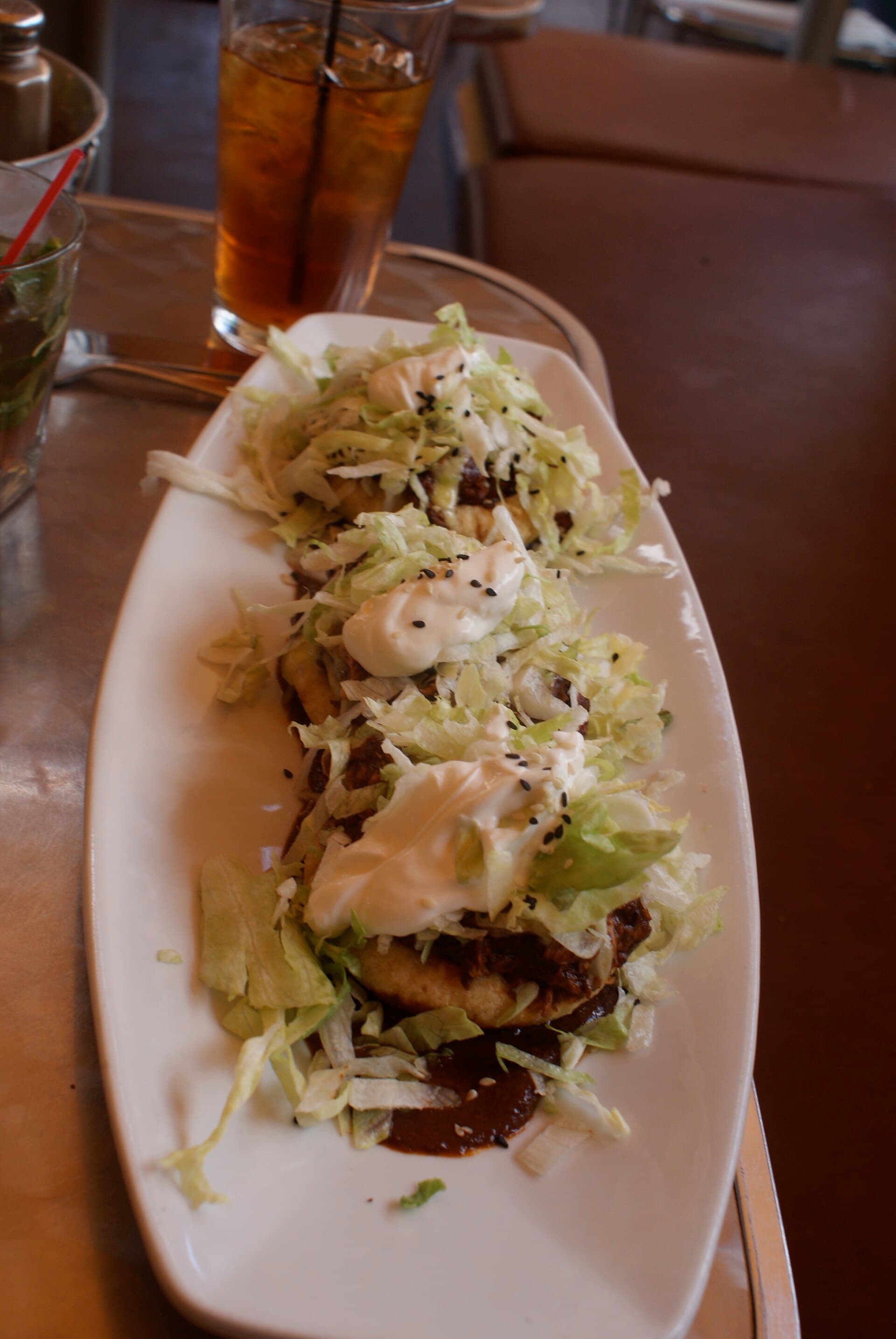
20th century-present
Indian tacos combine Native American frybread with taco toppings, reflecting a fusion of Mexican-American culinary influence and Indigenous food traditions in the Great Plains. This dish has evolved cross-era, maintaining cultural significance and popularity across generations.
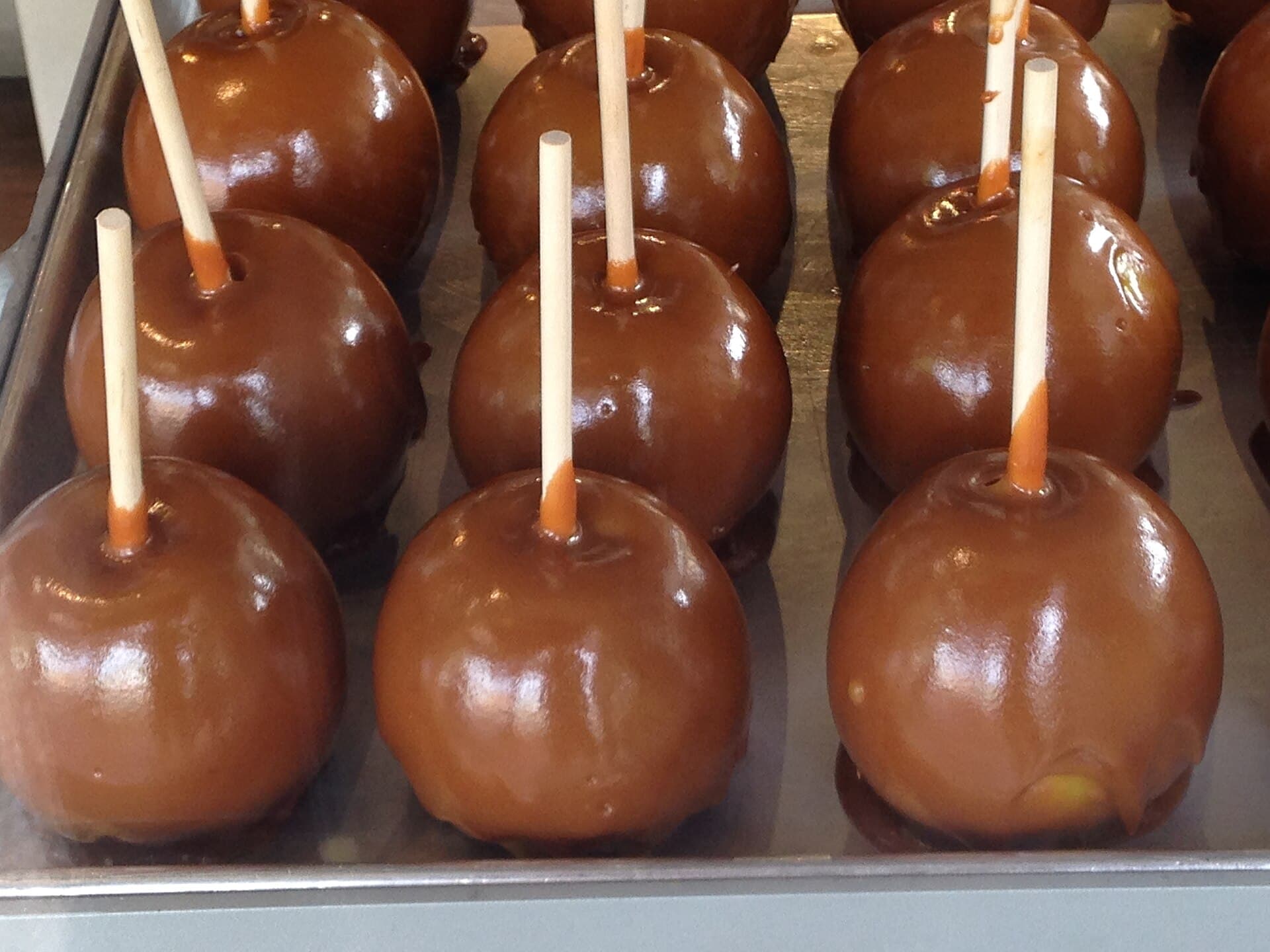
1950-2026
Caramel apples followed candy apples but became their own American fall tradition. Kraft employee Dan Walker is widely credited with developing the caramel apple in the 1950s while experimenting with leftover Halloween caramels.