
Recipe archive
Loading
Setting the table...
Fetching the latest recipes from the archive.
Loading
Fetching the latest recipes from the archive.
Recipe archive
1946-1969 - Italian-American delis and eateries of Chicago.
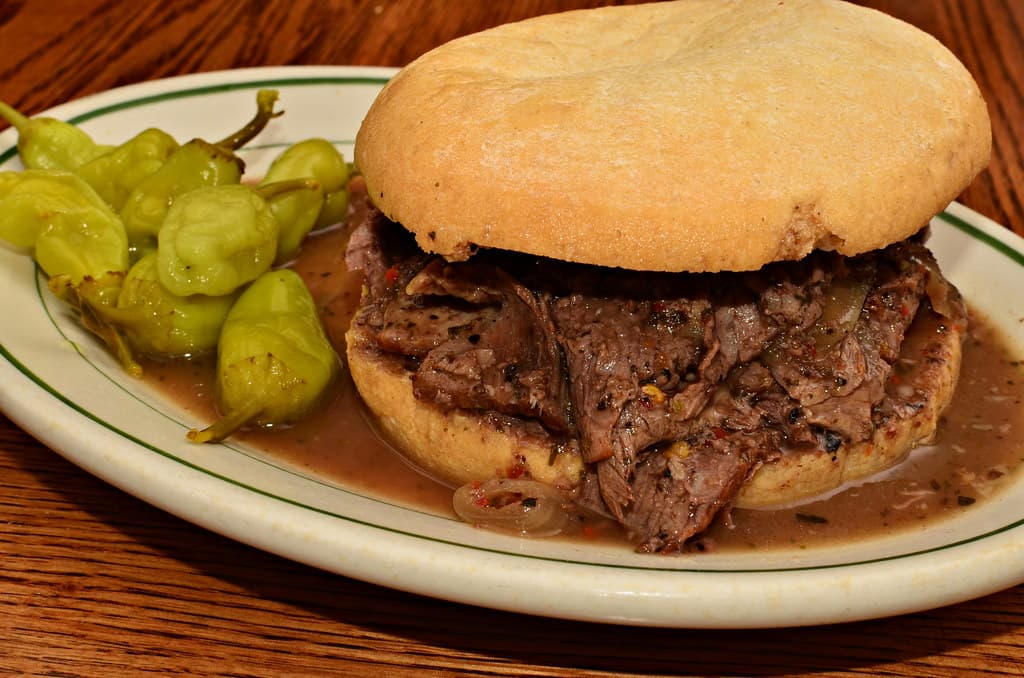
A staple of Chicago cuisine, this Italian beef sandwich features thinly sliced seasoned roast beef dipped in its own jus, served on a roll with optional giardiniera or sweet peppers.
Community-powered photos. Reviewers can upload dish photos, and the highest-rated community image may be featured here.
Difficulty
Medium
Prep time
20 minutes
Cook time
3 hours
Total time
3 hours 30 minutes
Servings
6
Region
Illinois, Iowa, and the Upper Midwest
Era introduced
1946-1969
Introduced by
Italian-American delis and eateries of Chicago.
Recipe tools
Log in to save this recipe to a collection.
The Italian beef sandwich originated in Chicago in the mid-20th century as a working-class favorite, featuring seasoned, slow-cooked roast beef served on an Italian roll soaked in flavorful jus. Popularized in Italian-American neighborhoods by postwar food establishments, the sandwich embodies immigrant ingenuity and the adaptability of Italian culinary traditions to American ingredients and preferences.
Share family changes, regional twists, or pantry-friendly adaptations as full community recipes.
Log in to submit a community recipe.
No community recipes yet. Submitted recipes are published right away.
Rate this recipe and share how it worked at your table.
Log in to review this recipe.
No reviews yet. Be the first to rate this recipe.
Recipes matched by era, region, occasion, ingredients, and cultural roots from the archive.
Same era
1950s-present
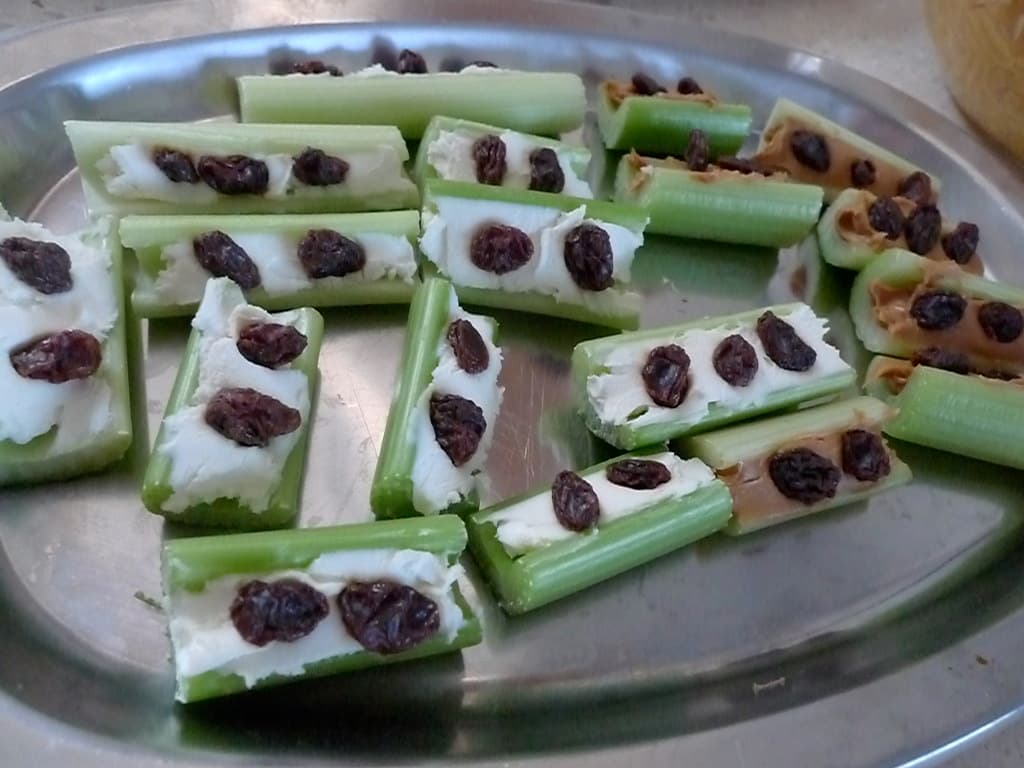
Celery sticks filled with peanut butter and topped with raisins, the classic American kid snack.
America's Melting Pot
Arby's-Style Horsey Sauce photo coming soon
1964-1970s
Arby's-Style Horsey Sauce is a sandwich sauce with real American table personality: Fast-food horseradish mayo tradition. It brings flavor from coast-to-coast American tables to cookouts, counters, lunch plates, potlucks, and weeknight suppers.
America's Melting Pot
Bacon-Wrapped Water Chestnuts photo coming soon
1946-1969
Crunchy water chestnuts wrapped in bacon, baked until crisp, and glazed with a brown sugar, soy, ketchup, and Worcestershire sauce.
Same region
1946-1969
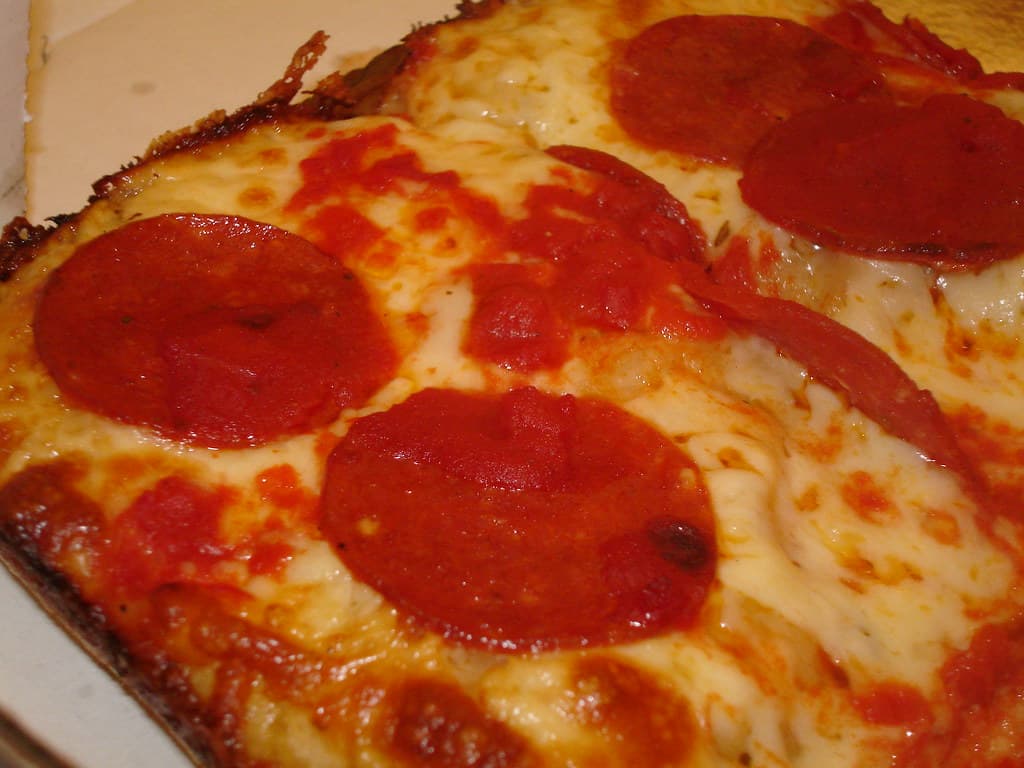
Detroit-style pizza originated post-World War II as a regional midwestern specialty distinguished by its rectangular shape, thick crust, crispy caramelized cheese edges, and layering of toppings. An Italian-American innovation aligned with suburban and industrial growth after 1946.
America's Melting Pot
Detroit-Style Pizza Revival photo coming soon
2010-2026
The Detroit-style pizza revival reflects renewed interest in this midwestern classic, showcased by food trucks and viral food media, featuring artisan cheeses, innovative toppings, and updated versions of the traditional crispy cheese edges.

1990s-present
Fruit pizza is a sweet dessert featuring a cookie or sugar cookie crust topped with a layer of cream cheese icing and fresh fruit. Born from Italian-American culinary creativity, this versatile treat combines the fun of pizza presentation with fresh and colorful fruits, perfect for celebrations and summer gatherings.
Same table
1990s/2000s-present
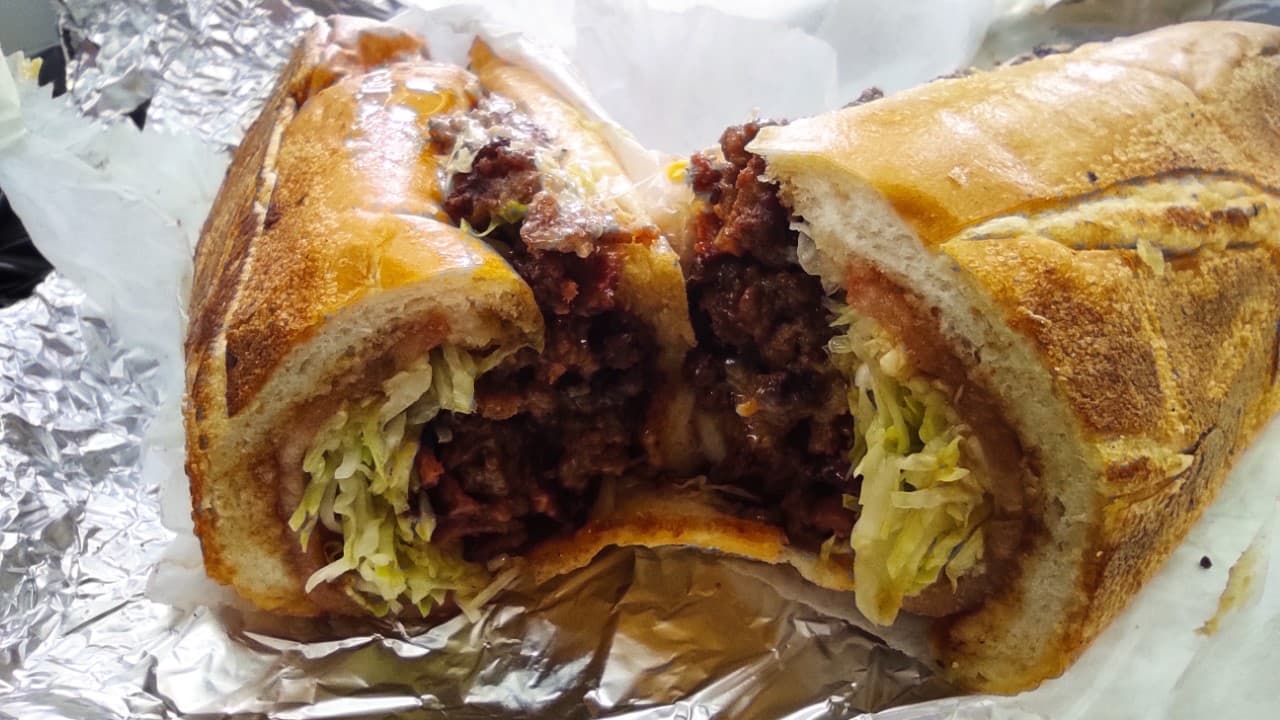
Chopped Cheese is a popular sandwich that originated in New York City bodegas. It features ground beef, onions, peppers, and melted cheese chopped together on a grill and served on a hero roll with usual sandwich fixings. This hearty sandwich reflects the vibrant street food culture and the influence of diverse immigrant communities in urban America.
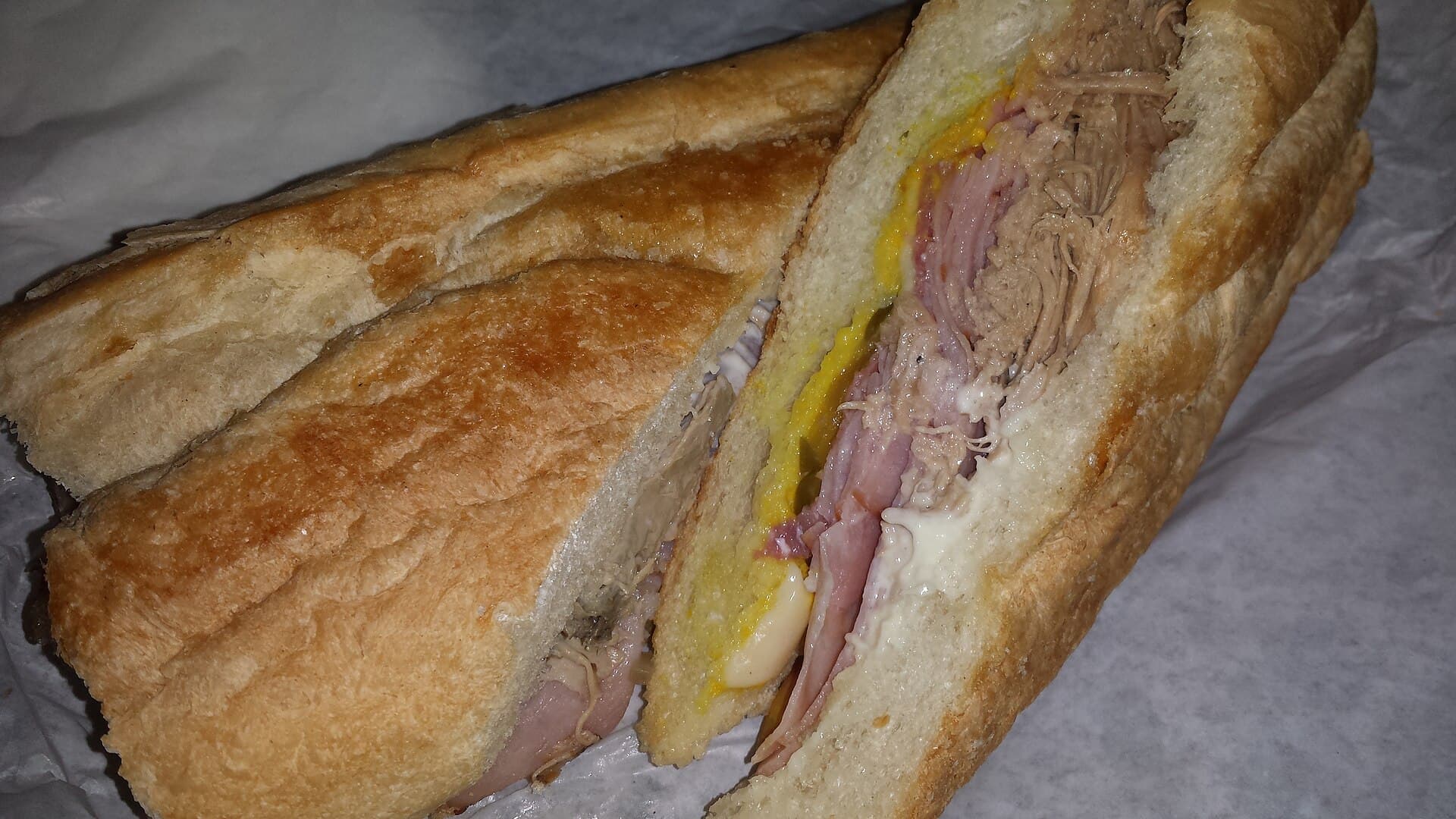
1990-2009
The Cuban Sandwich combines roast pork, ham, Swiss cheese, pickles, and mustard on Cuban bread, pressed to produce a warm, crispy sandwich iconic in Cuban-American communities and broader American suburban food culture.
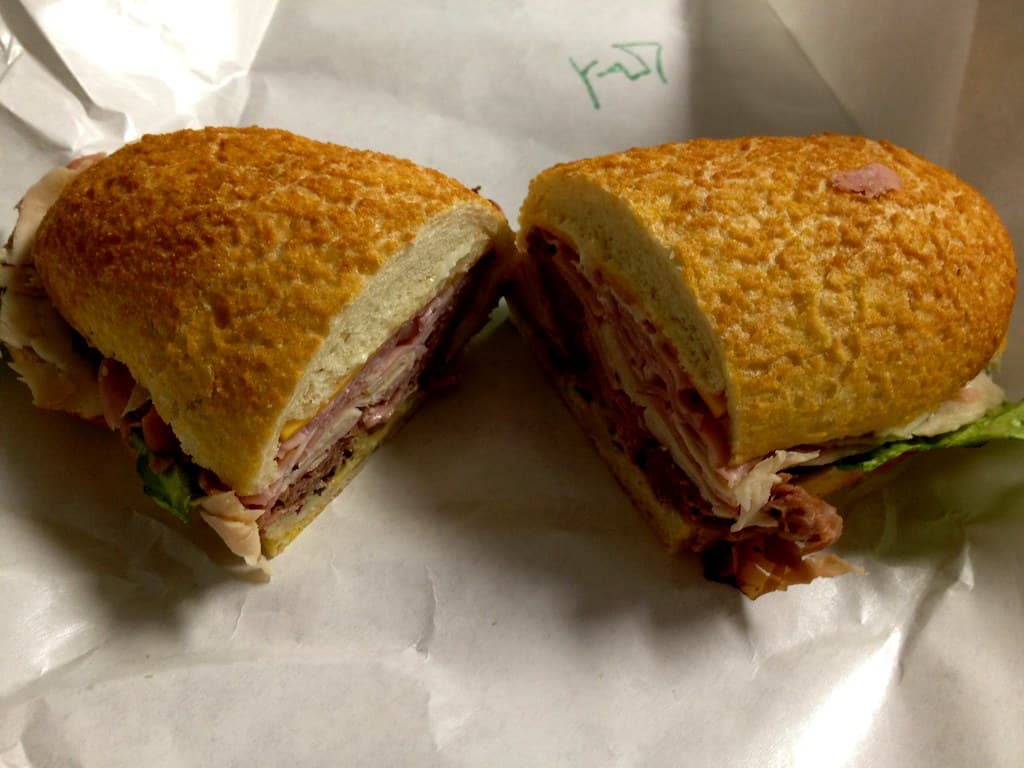
1935/late-20th-century Bay Area-present
A sandwich made with Dutch Crunch bread, characterized by its crackly, mottled crust. Filled typically with deli meats, cheese, and vegetables, this sandwich is a West Coast regional favorite named for its distinctive bread texture rather than any Dutch origin.