
Recipe archive
Loading
Setting the table...
Fetching the latest recipes from the archive.
Loading
Fetching the latest recipes from the archive.
Recipe archive
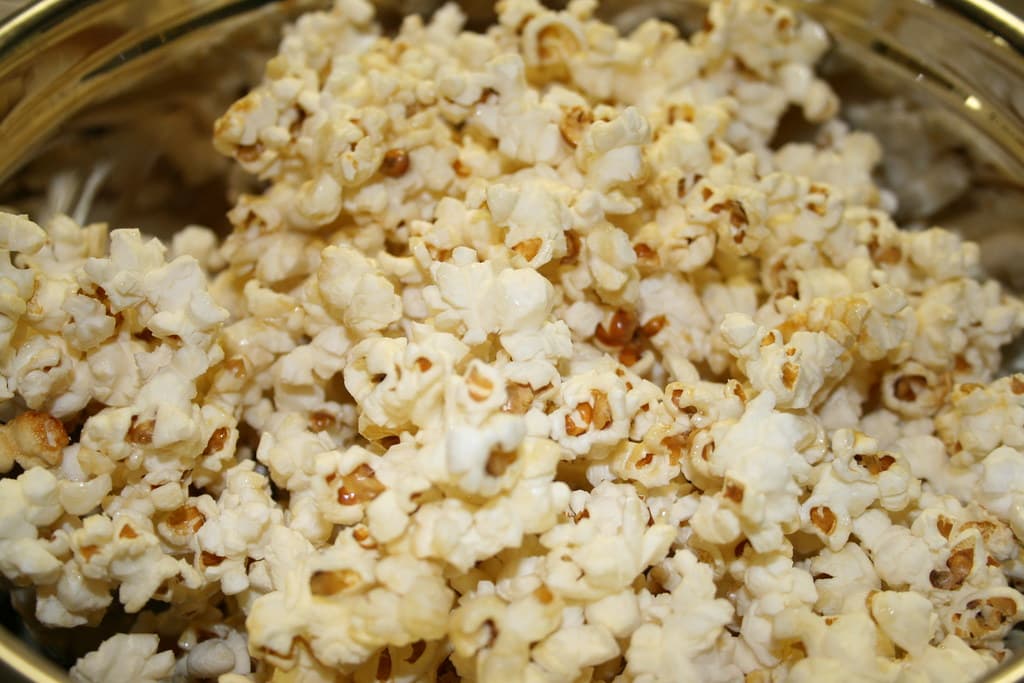
1776-1800 - Early 20th Century American State Fair Vendors and Immigrant Food Sellers
Kettle corn is a lightly sweetened, salted popcorn snack traditionally prepared by cooking popcorn with sugar and salt in a large kettle. Popular at early 20th-century state fairs and carnivals, kettle corn represents an entertaining snack reflecting immigrant adaptations and commercial fair foods in the United States.
Community-powered photos. Reviewers can upload dish photos, and the highest-rated community image may be featured here.
Difficulty
Easy
Prep time
5 minutes
Cook time
10 minutes
Total time
15 minutes
Servings
6
Region
Pennsylvania Dutch fairs and farm markets
Era introduced
1776-1800
Introduced by
Early 20th Century American State Fair Vendors and Immigrant Food Sellers
Recipe tools
Log in to save this recipe to a collection.
Kettle corn dates to American immigrant cities and fairgrounds in the early 1900s where vendors cooked popcorn with sugar and salt in kettles to create an addictive sweet-and-salty treat. Its simplicity, portability, and distinctive flavor made it a staple of state fairs, dineries, and carnivals, embodying the communal food culture of American public events.
Share family changes, regional twists, or pantry-friendly adaptations as full community recipes.
Log in to submit a community recipe.
No community recipes yet. Submitted recipes are published right away.
Rate this recipe and share how it worked at your table.
Log in to review this recipe.
No reviews yet. Be the first to rate this recipe.
Recipes matched by era, region, occasion, ingredients, and cultural roots from the archive.
Same era
America's Melting Pot
Ash Cakes photo coming soon
1776-1800
A plain cornmeal-and-water ash cake inspired by Revolutionary-era field cooking, adapted for a skillet or campfire with salt and a little fat for modern eatability.
America's Melting Pot
Bean Porridge photo coming soon
1776-1800
Bean porridge sits close to the everyday cooking of early America: beans or peas, water, a little meat when available, and meal to thicken the pot. It was plain food, but practical food, made in a kettle and stretched for households that needed warmth, calories, and thrift more than ceremony.
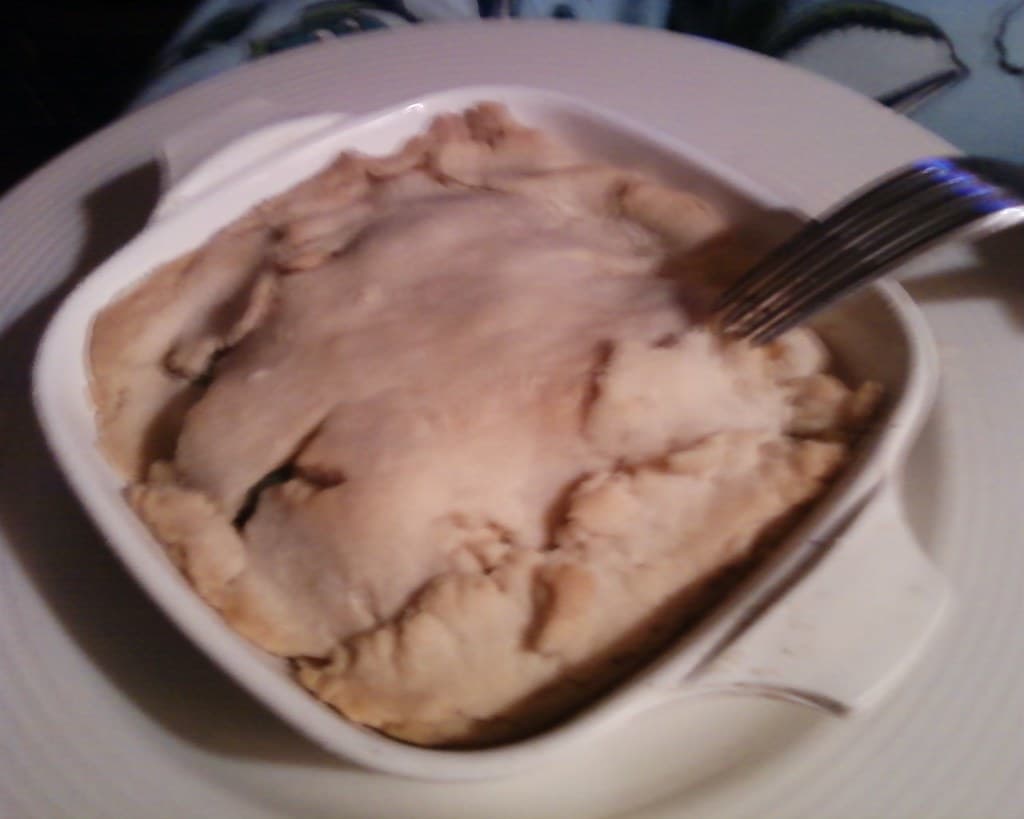
1700s-1800s
Chicken Pie is a hearty savory pie made with cooked chicken, vegetables, and a flaky pastry crust. Rooted in mid to late 19th-century railroad and boardinghouse cooking, it offered a portable, filling meal for workers and travelers during the Civil War and Reconstruction period, blending practicality with comforting flavors.
Same region
America's Melting Pot
Acorn Bread photo coming soon
1800-1860
A nutty, lightly sweet quick bread made with properly leached acorn flour, cornmeal, and wheat flour.
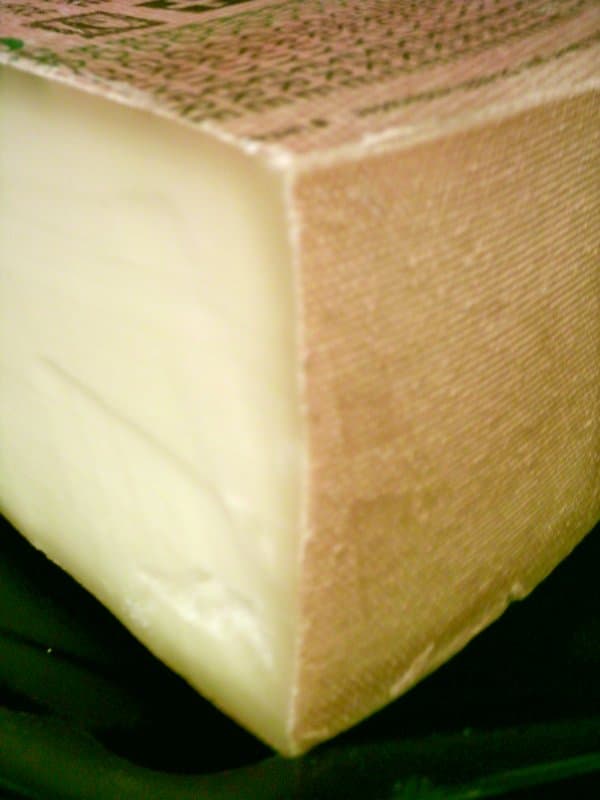
1800s-present
American Alpine-style Farmstead Cheese is a cooked-curd American Alpine or grating-style cheese with thermophilic culture, firm pressing, brining, and controlled aging.
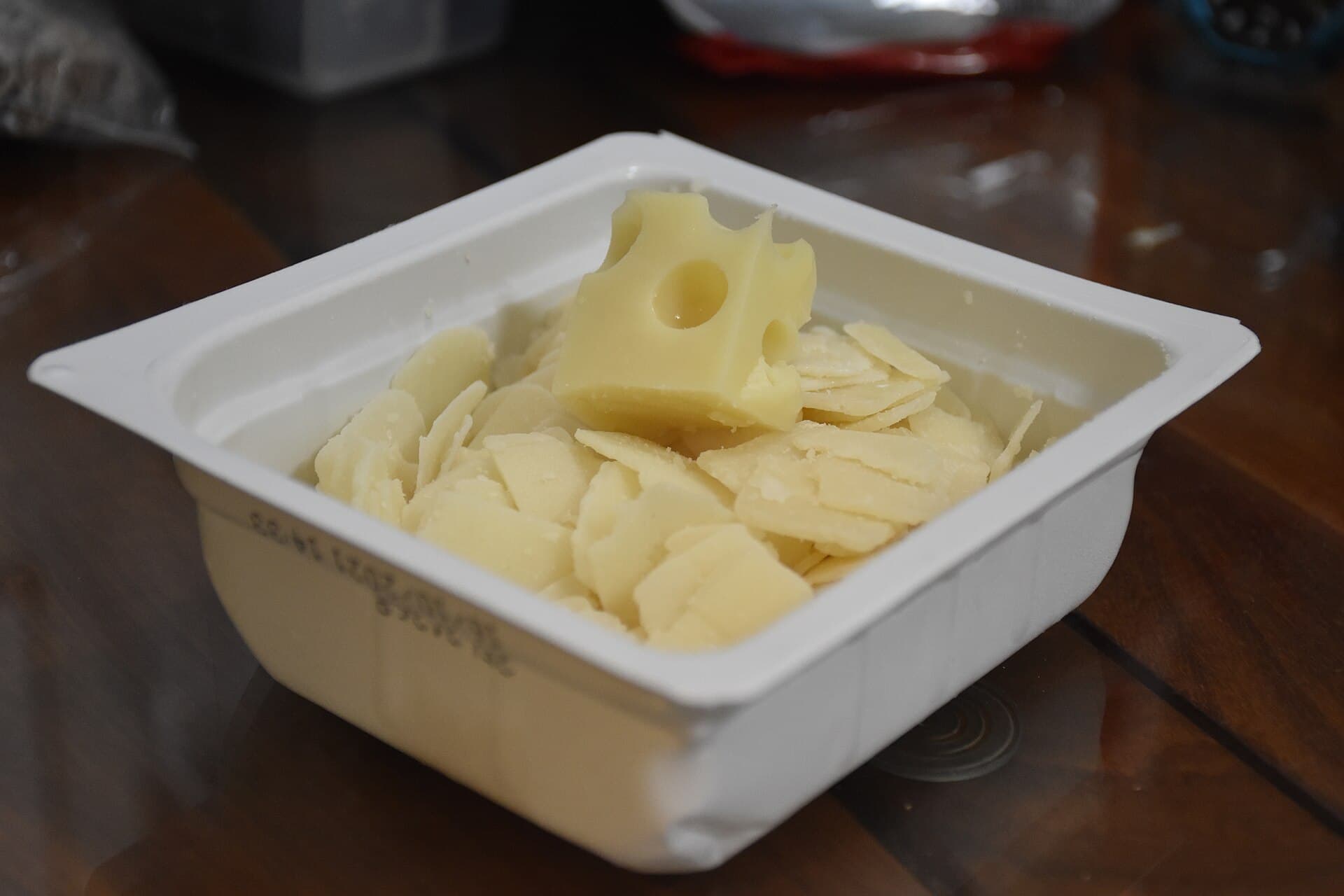
1800s-present
American Swiss / Deli Swiss is a home-scale Swiss-style American cheese with thermophilic culture, propionic culture, pressing, brining, and controlled warm-room eye development.
Same table
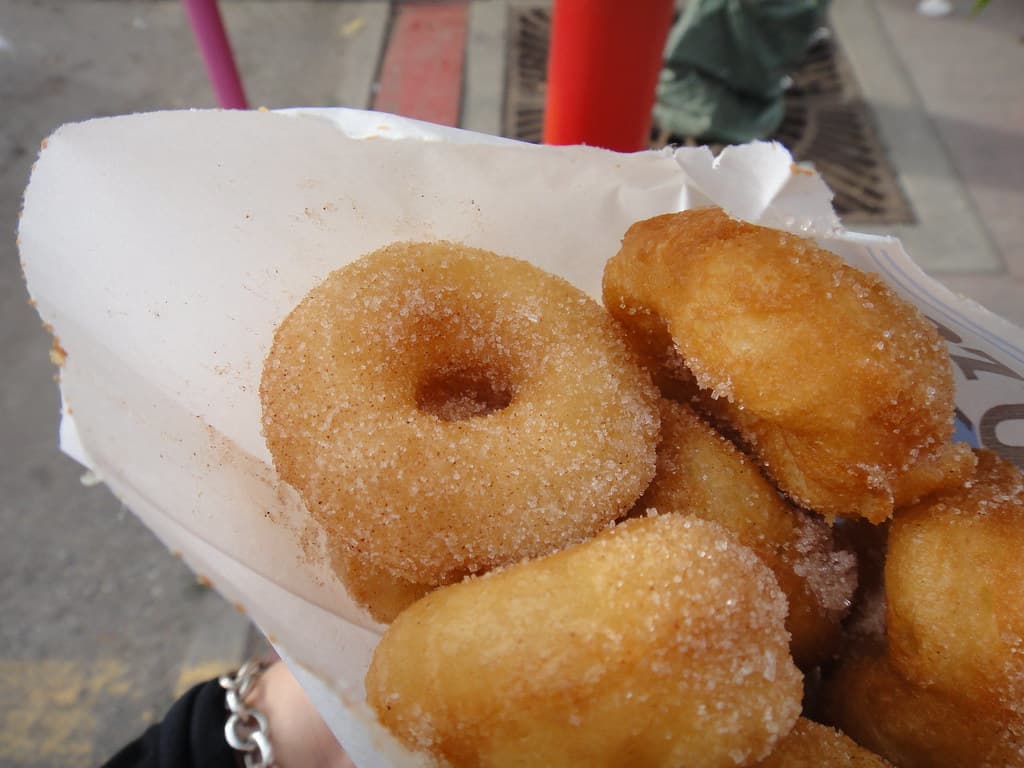
1700s-1800s
Mini donuts are tiny, fried doughnuts commonly enjoyed at American state fairs, carnivals, and diners during the early 20th century. Their small size made them a convenient treat for fairgoers and lunch counter patrons. This recipe captures the simplicity and nostalgic appeal of these sweet bites, featuring a light dough fried to golden perfection and lightly dusted with cinnamon sugar.
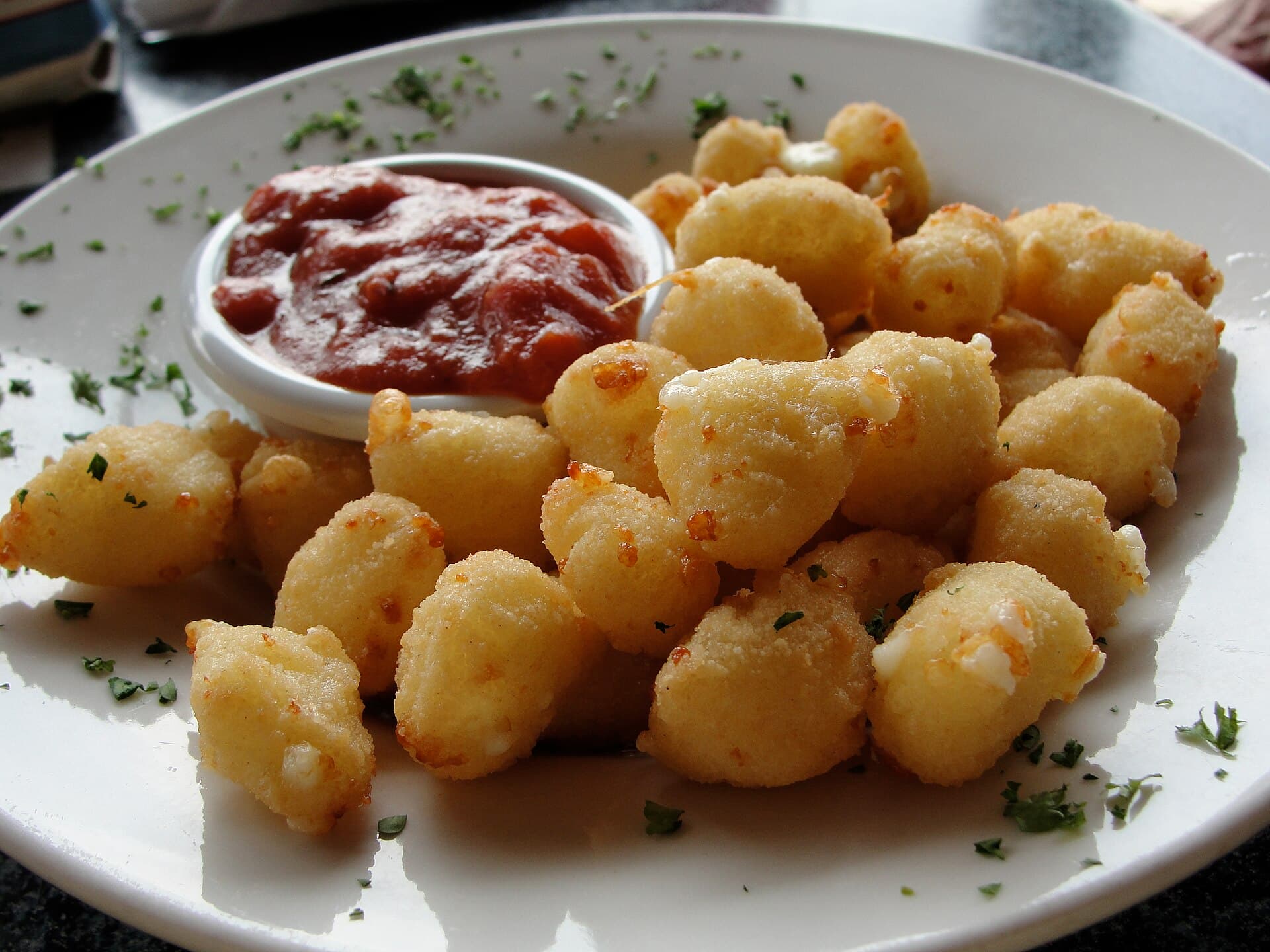
1900-1929
Fried cheese curds are a popular snack in the Midwest featuring bite-sized fresh cheese curds, breaded and deep fried until golden and melty. Often found at state fairs and diners, this dish showcases immigrant-influenced comfort food from early 20th century America.
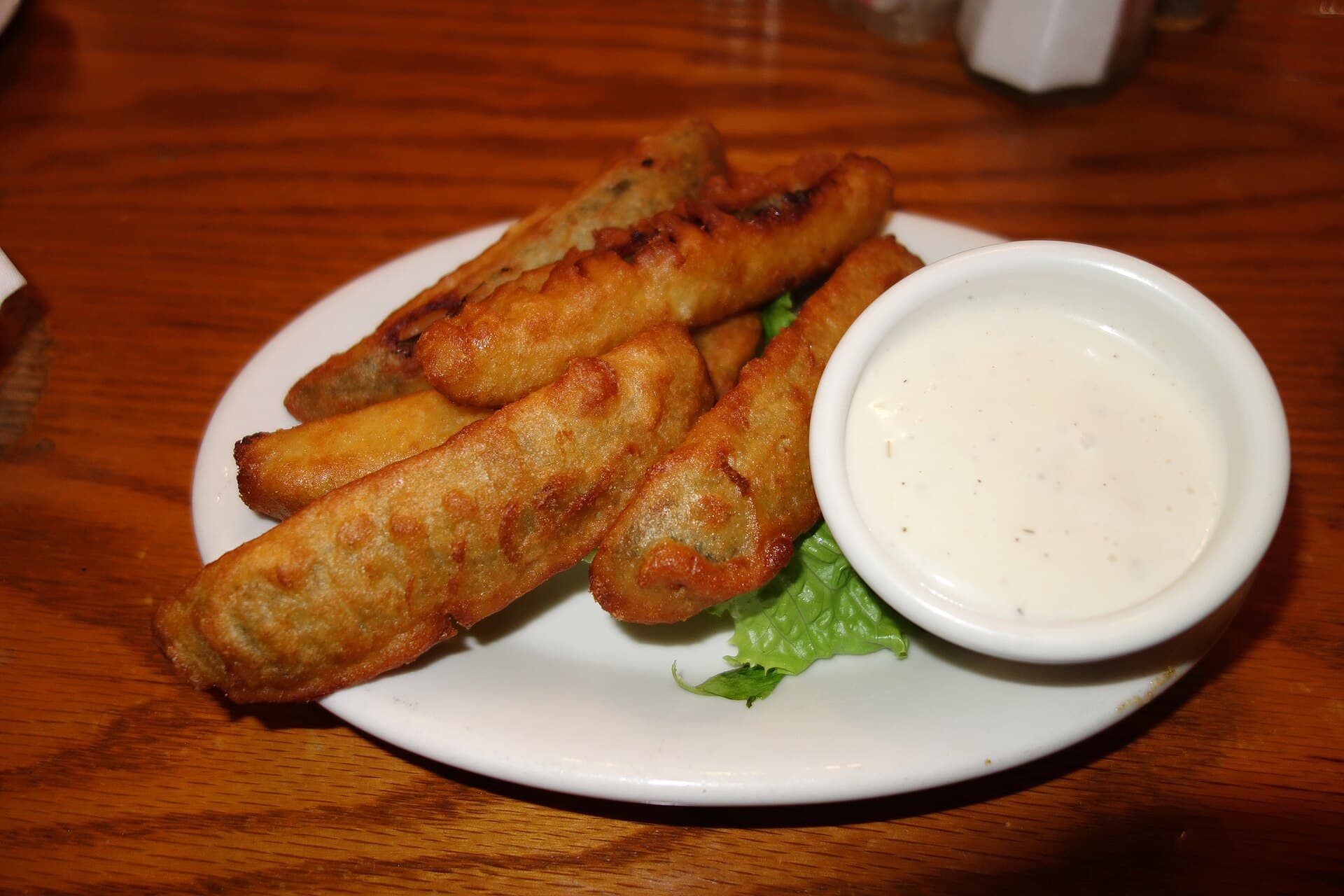
1900-1929
Fried pickles are sliced dill pickles coated in seasoned batter or cornmeal and fried until crispy. This snack food became popular at fairs and diners in the early 20th century and remains a Southern delicacy today.