
Recipe archive
Loading
Setting the table...
Fetching the latest recipes from the archive.
Loading
Fetching the latest recipes from the archive.
Recipe archive
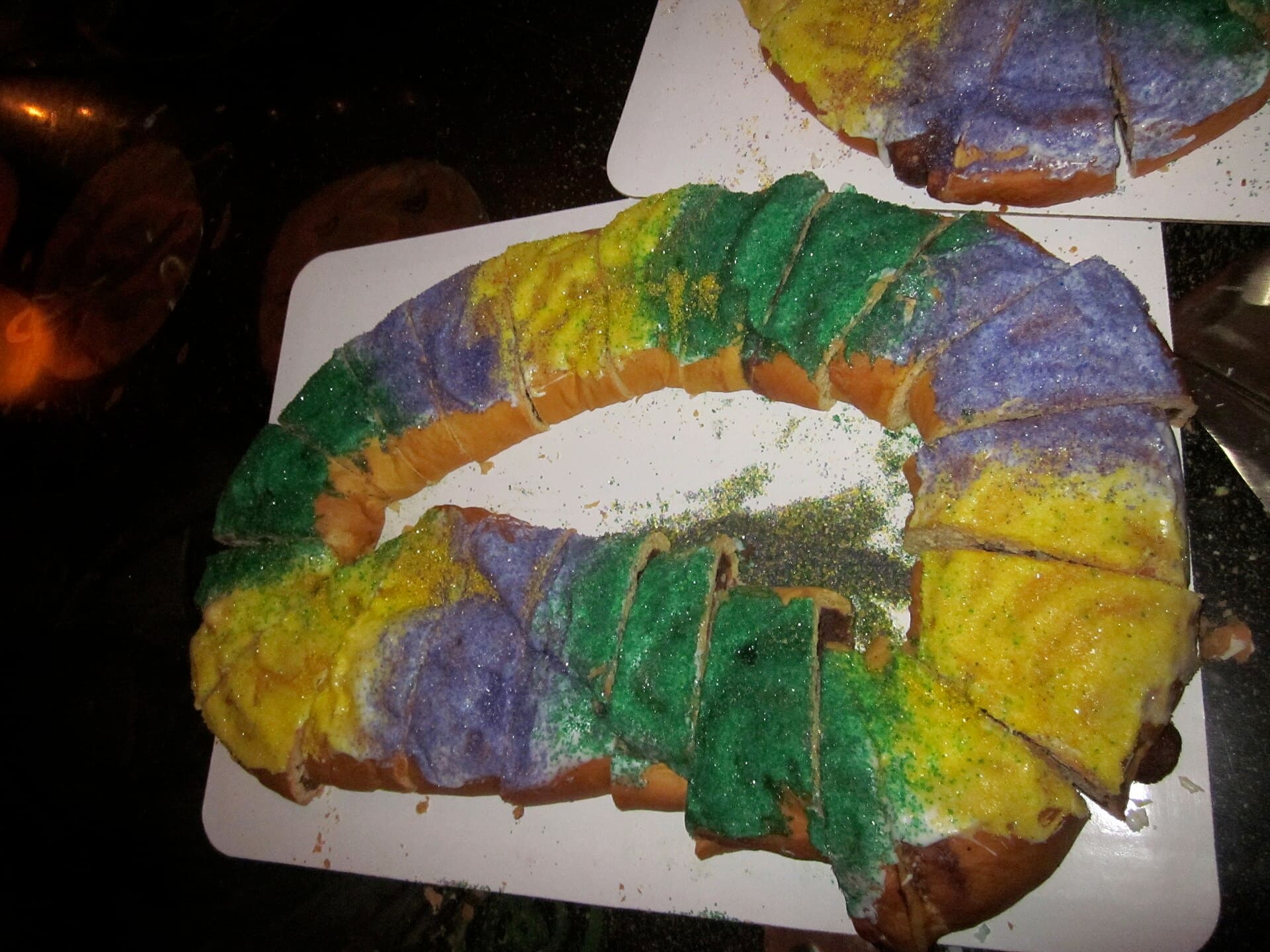
1861-1900 - New Orleans Bakeries and Mardi Gras Revelers
King cake is a sweet, ring-shaped cake traditionally decorated in purple, green, and gold sugars, associated with Mardi Gras and New Year's celebrations. Originating from European Epiphany customs, the king cake became an emblem of holiday festivity in the southern United States, especially New Orleans, blending cultural symbolism with regional baking.
Community-powered photos. Reviewers can upload dish photos, and the highest-rated community image may be featured here.
Difficulty
Medium
Prep time
30 minutes
Cook time
25 minutes
Total time
3 hours including rising
Servings
12
Region
New Orleans, Louisiana
Era introduced
1861-1900
Introduced by
New Orleans Bakeries and Mardi Gras Revelers
Recipe tools
Log in to save this recipe to a collection.
King cake has deep roots in European Epiphany celebrations but was adapted in the southern United States, particularly Louisiana, where it became central to Mardi Gras festivities. The colorful sugars represent faith, power, and justice, while the cake's circular form symbolizes unity and the cycle of the year. Hidden trinkets inside the cake determine the 'king' or 'queen' of the feast, embodying community and celebration.
Share family changes, regional twists, or pantry-friendly adaptations as full community recipes.
Log in to submit a community recipe.
No community recipes yet. Submitted recipes are published right away.
Rate this recipe and share how it worked at your table.
Log in to review this recipe.
No reviews yet. Be the first to rate this recipe.
Recipes matched by era, region, occasion, ingredients, and cultural roots from the archive.
Same era
America's Melting Pot
Army Bean Soup photo coming soon
1861-1900
A hearty military-style bean soup built on navy beans, smoked ham hock, onion, celery, carrot, and bay leaf, adapted for a home pot from large-batch service traditions.
1861-1900
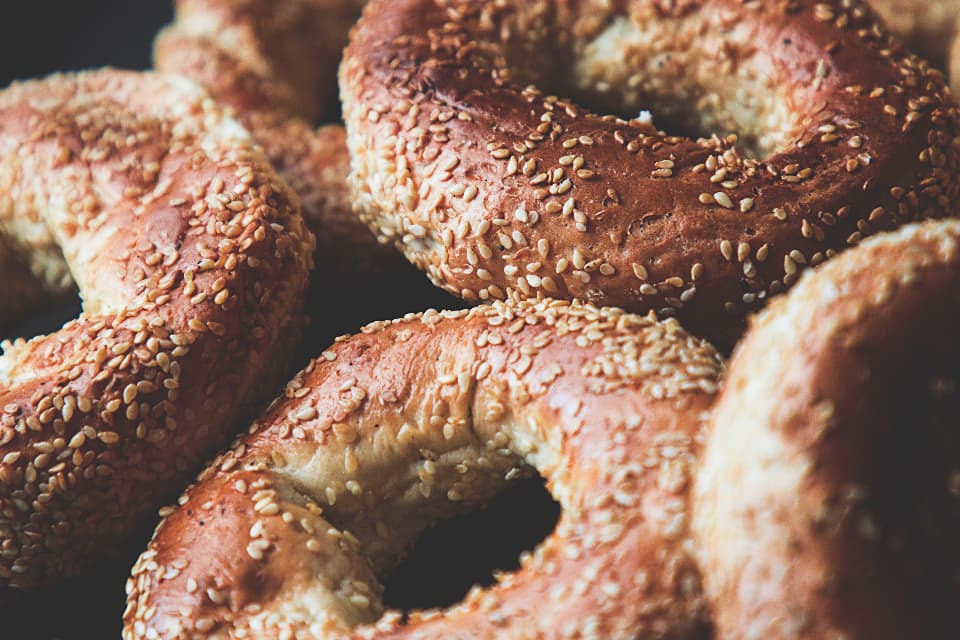
A basic homemade bagel recipe using high-protein flour, malt or brown sugar, a short boil, and a hot bake for chewy New York-style results.
America's Melting Pot
Bagels with Schmear photo coming soon
1861-1900
A deli-style bagel with a thick schmear of plain or scallion cream cheese, with optional onion, capers, tomato, and cucumber.
Same region
1700-2026
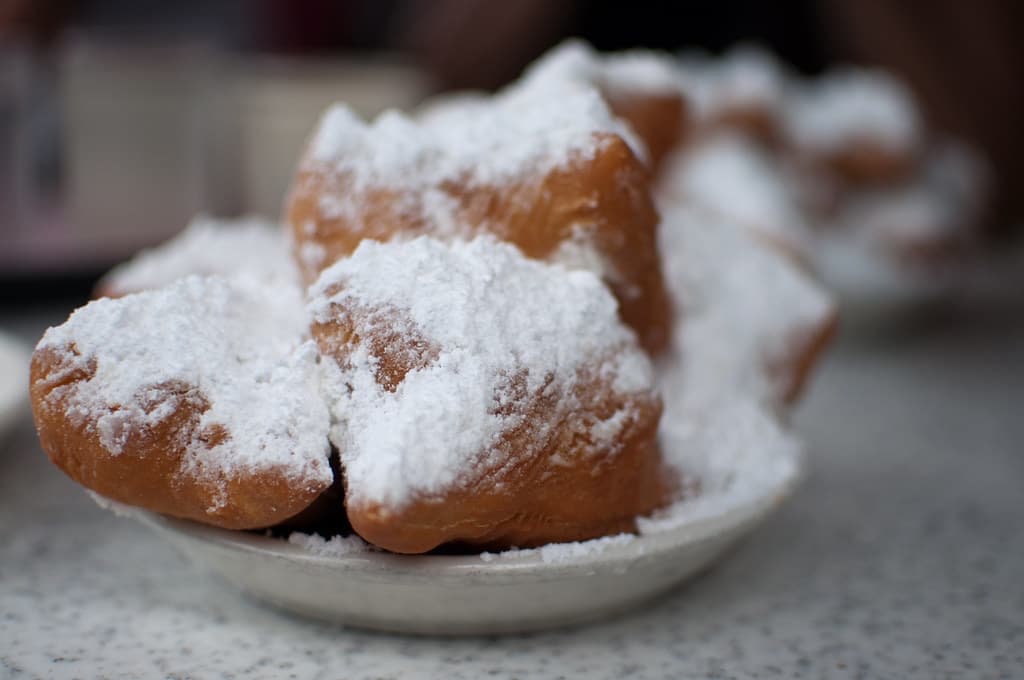
Beignets carry French and Acadian roots into Louisiana, where New Orleans coffee stands made them a breakfast and late-night ritual. The familiar square, sugar-dusted version is now inseparable from cafe au lait and the French Quarter.
1900s-present
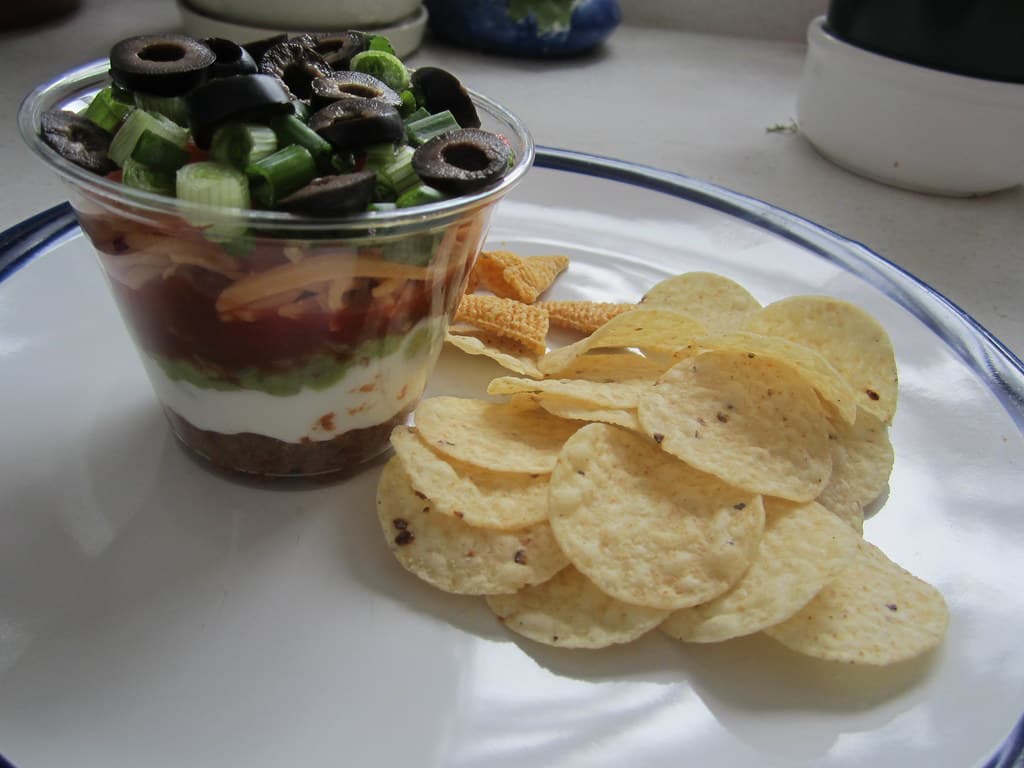
7-Layer Dip is a party dip with real American table personality: Tex-Mex party dish. It brings flavor from Texas and the Southwest to cookouts, counters, lunch plates, potlucks, and weeknight suppers.
America's Melting Pot
Air Fryer Pickles photo coming soon
2010-2026
Dill pickle chips breaded with seasoned panko and air-fried into a tangy, crunchy snack.
Same table
America's Melting Pot
Greens photo coming soon
1700s-present
Cooked greens have been a traditional Southern American dish associated with New Year's and good luck. Derived from African American and Southern settlements, the dish typically involves collard, mustard, or turnip greens slow-cooked with smoked meat for rich flavor. Its cultural significance endures.
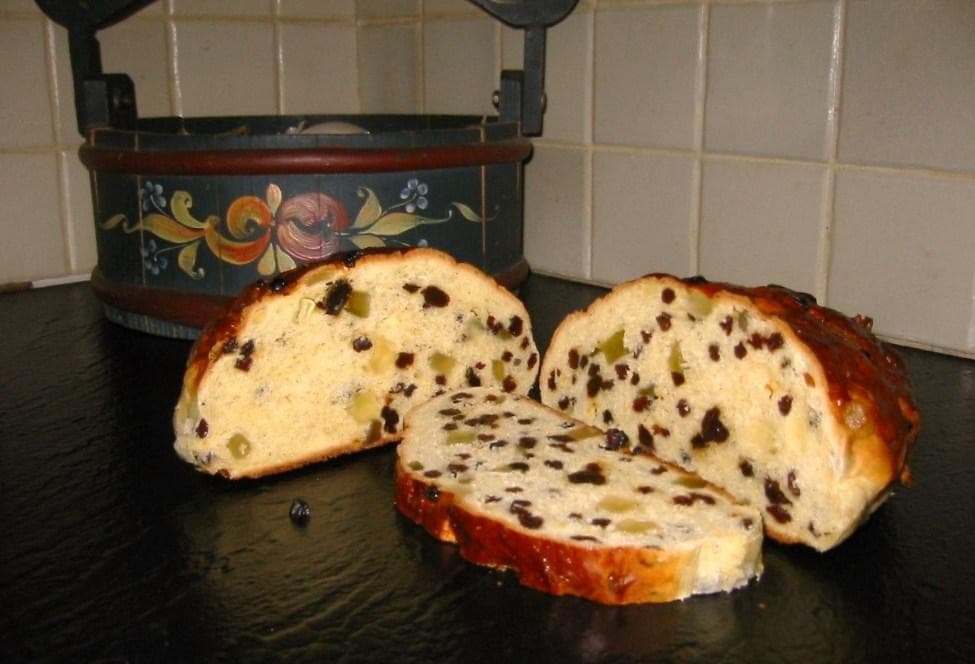
1861-1900
Julekake is a traditional Norwegian Christmas bread flavored with cardamom, studded with raisins, candied citrus peel, and sometimes almonds. Brought to the American Midwest by Scandinavian immigrants between 1861 and 1900, it remains a festive bread symbolizing heritage and holiday celebration.
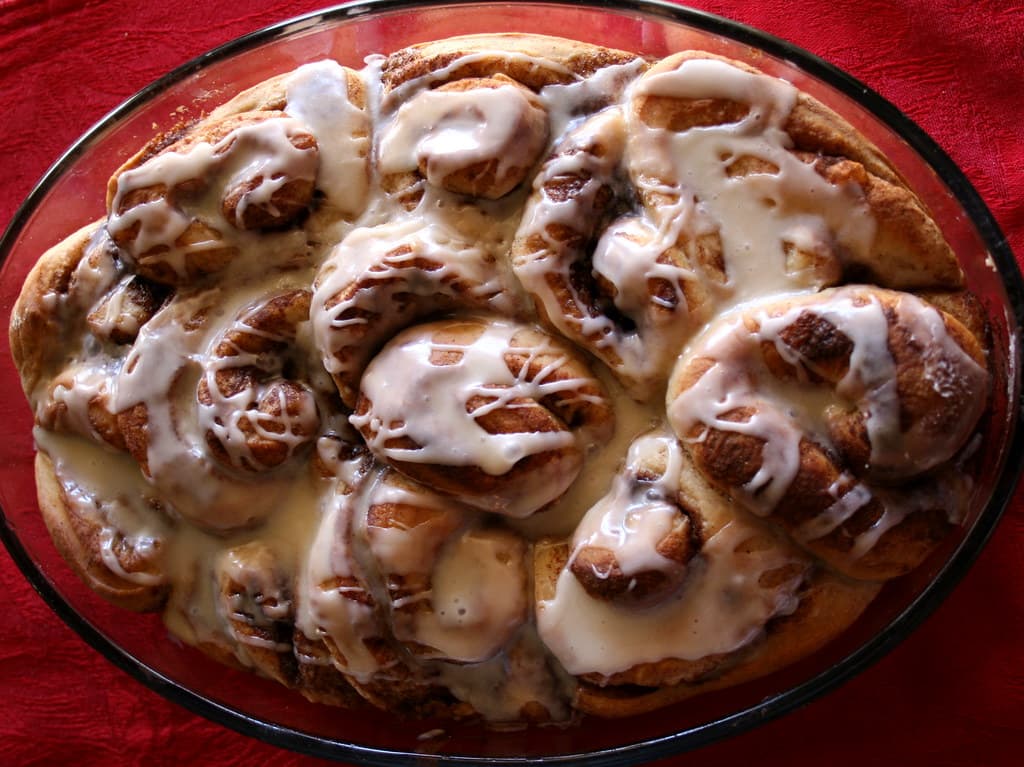
1985-present
Classic American breakfast sweet rolls featuring a soft, fluffy dough swirled with cinnamon sugar and topped with a sweet glaze. Cinnamon rolls became popular as convenient and comforting treats at tailgate parties, booster clubs, and concession stands in late 20th-century America, especially from the 1970s through the 1980s. Their warm spices and sweetness mark them as a festive favorite around Christmas and other cold-weather celebrations.