
Recipe archive
Loading
Setting the table...
Fetching the latest recipes from the archive.
Loading
Fetching the latest recipes from the archive.
Recipe archive
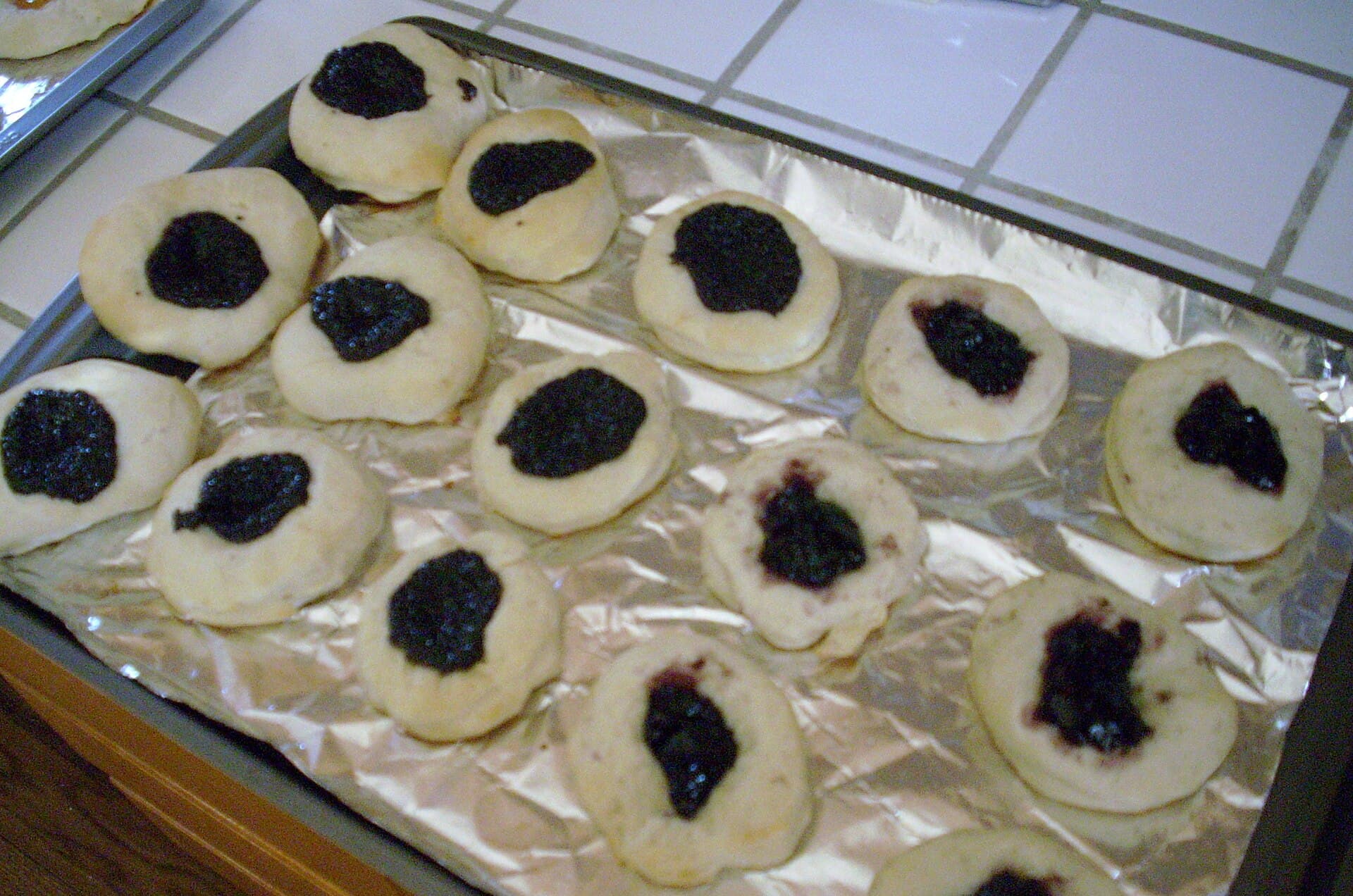
1900-1929 - Polish-American, Czech-American, and Slovak-American immigrant communities in the Great Plains.
Kolaches are soft yeast dough pastries filled with fruit jams, cream cheese, or savory meats. They became popular in the Great Plains through Polish, Czech, Slovak, and other Eastern European immigrant communities. These treats are traditionally enjoyed at church gatherings, state fairs, and holiday celebrations like Easter, symbolizing community and heritage.
Community-powered photos. Reviewers can upload dish photos, and the highest-rated community image may be featured here.
Difficulty
Medium
Prep time
2 hours
Cook time
20 minutes
Total time
2 hours 20 minutes
Servings
12 pastries
Region
Great Plains
Era introduced
1900-1929
Introduced by
Polish-American, Czech-American, and Slovak-American immigrant communities in the Great Plains.
Recipe tools
Log in to save this recipe to a collection.
Kolaches entered American food culture through Eastern European immigrant communities settling in the Great Plains around the early 20th century. These sweet and savory pastries meld Slavic baking traditions with local American ingredients, becoming popular at churches and state fairs. Their simple yeast dough and diverse fillings reflect both adaptability and cultural preservation, making kolaches a cherished symbol of heritage and community gatherings across this region.
Share family changes, regional twists, or pantry-friendly adaptations as full community recipes.
Log in to submit a community recipe.
No community recipes yet. Submitted recipes are published right away.
Rate this recipe and share how it worked at your table.
Log in to review this recipe.
No reviews yet. Be the first to rate this recipe.
Recipes matched by era, region, occasion, ingredients, and cultural roots from the archive.
Same era
America's Melting Pot
American French Dressing photo coming soon
1900s-present
American French Dressing is a dressing with real American table personality: The bright orange-red, sweet, tomatoey bottled dressing Americans call "French." Not very French, very American. It brings flavor from coast-to-coast American tables to cookouts, counters, lunch plates, potlucks, and weeknight suppers.
America's Melting Pot
Apple Pie Shake photo coming soon
1922-present
Apple Pie Shake brings drive-in, carhop, and fast-food dessert-counter energy to the table: Diner pie a la mode in a cup.
America's Melting Pot
Avgolemono Soup photo coming soon
1900-1929
A silky Greek-American chicken, rice, egg, and lemon soup made by tempering eggs into hot broth for a creamy dairy-free finish.
Same region
America's Melting Pot
Bierocks photo coming soon
1870-2026
Bierocks traveled with Volga German communities into Kansas, Nebraska, and the Great Plains. They are field food and comfort food at once: portable bread pockets filled with seasoned beef and cabbage, closely related to Nebraska runzas.
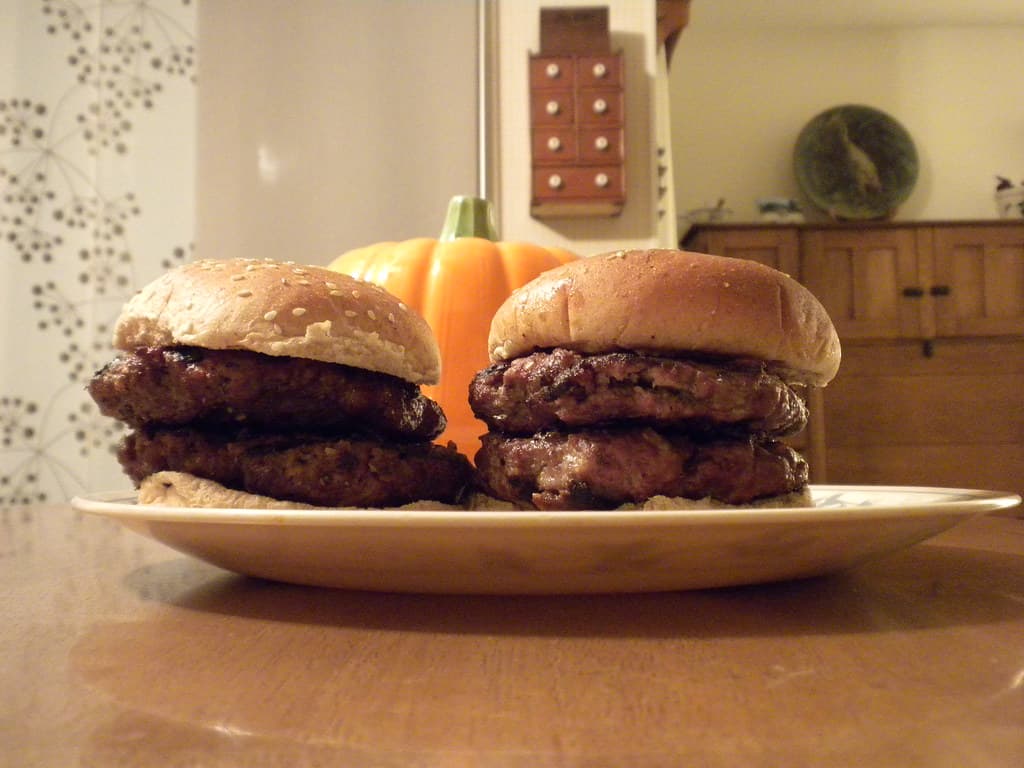
1980-2026
Bison burgers are a modern restaurant and backyard form of a much older Great Plains food story. Bison sustained Indigenous nations for centuries; after near-destruction in the 19th century, ranching and restoration made bison meat more available again.
America's Melting Pot
Cherry Limeade photo coming soon
1970s-present
Cherry Limeade brings juice-bar color and American smoothie-counter energy to the glass: Drive-in drink, especially Sonic-style culture.
Same table
America's Melting Pot
City Chicken photo coming soon
1920s-1930s
City Chicken consists of cubes of pork or veal (sometimes a mix), skewered on sticks, breaded, and fried or baked to simulate roasted chicken. It became popular in American industrial cities with large Polish, Czech, Slovak, and other Eastern European immigrant populations in the early 20th century, especially where chicken was expensive or scarce. Served often at diners, lunch counters, and state fairs, it represents resourceful ethnic adaptation and immigrant influence on urban American foodways.
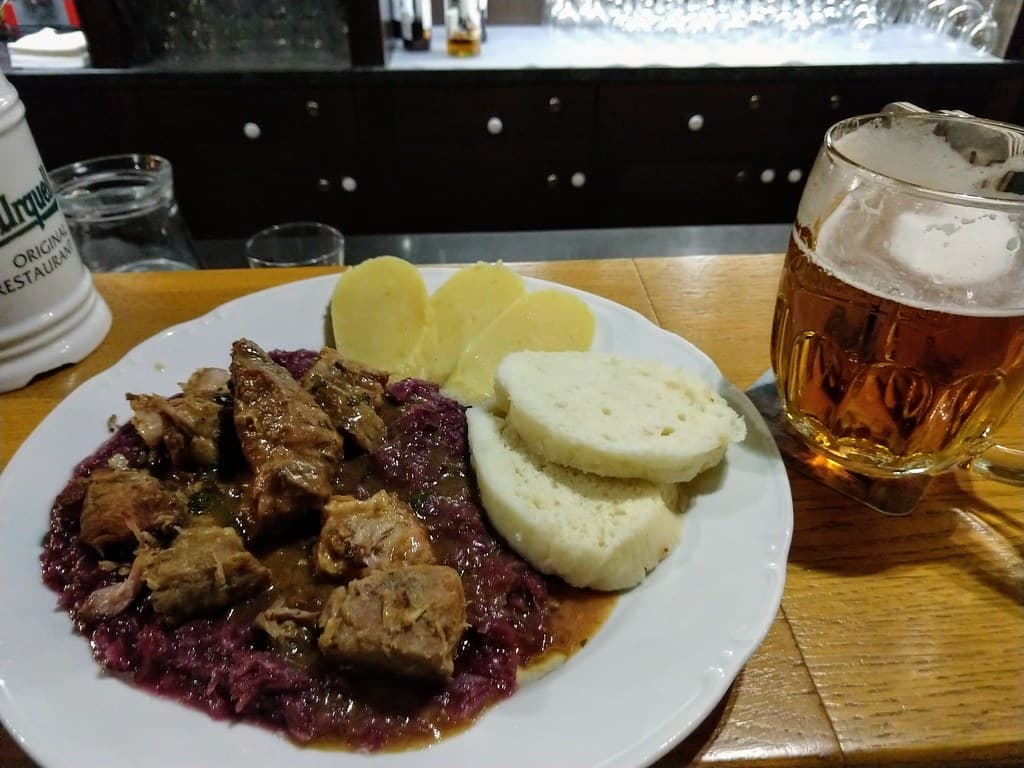
1850s-present
This hearty dish combines slow-roasted pork, delicate bread dumplings, and tangy sauerkraut, reflecting the culinary traditions of Czech and Slovak immigrants in early 20th-century America. It remains a beloved entree at diners and state fairs during festive occasions like Easter.
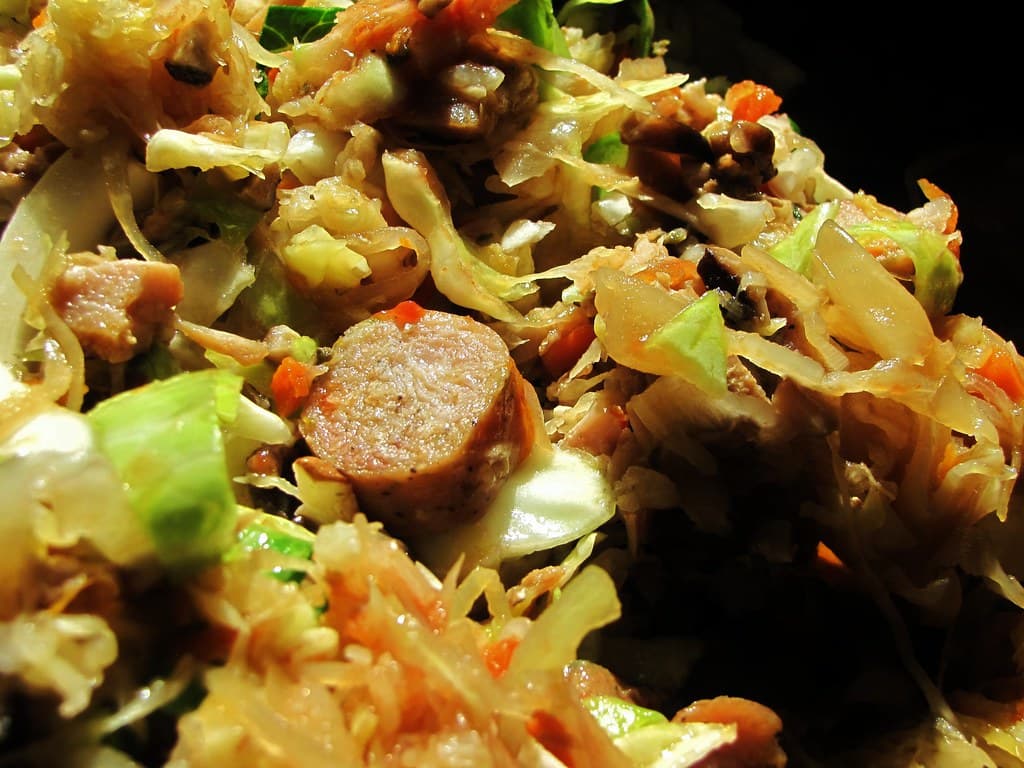
1880s-present
Kielbasa and sauerkraut is a traditional Eastern European dish combining smoked sausage with tangy fermented cabbage. Immigrant communities brought this hearty comfort food to American diners, state fairs, and holiday tables during the early 20th century, representing cultural preservation in new urban environments.