
Recipe archive
Loading
Setting the table...
Fetching the latest recipes from the archive.
Loading
Fetching the latest recipes from the archive.
Recipe archive
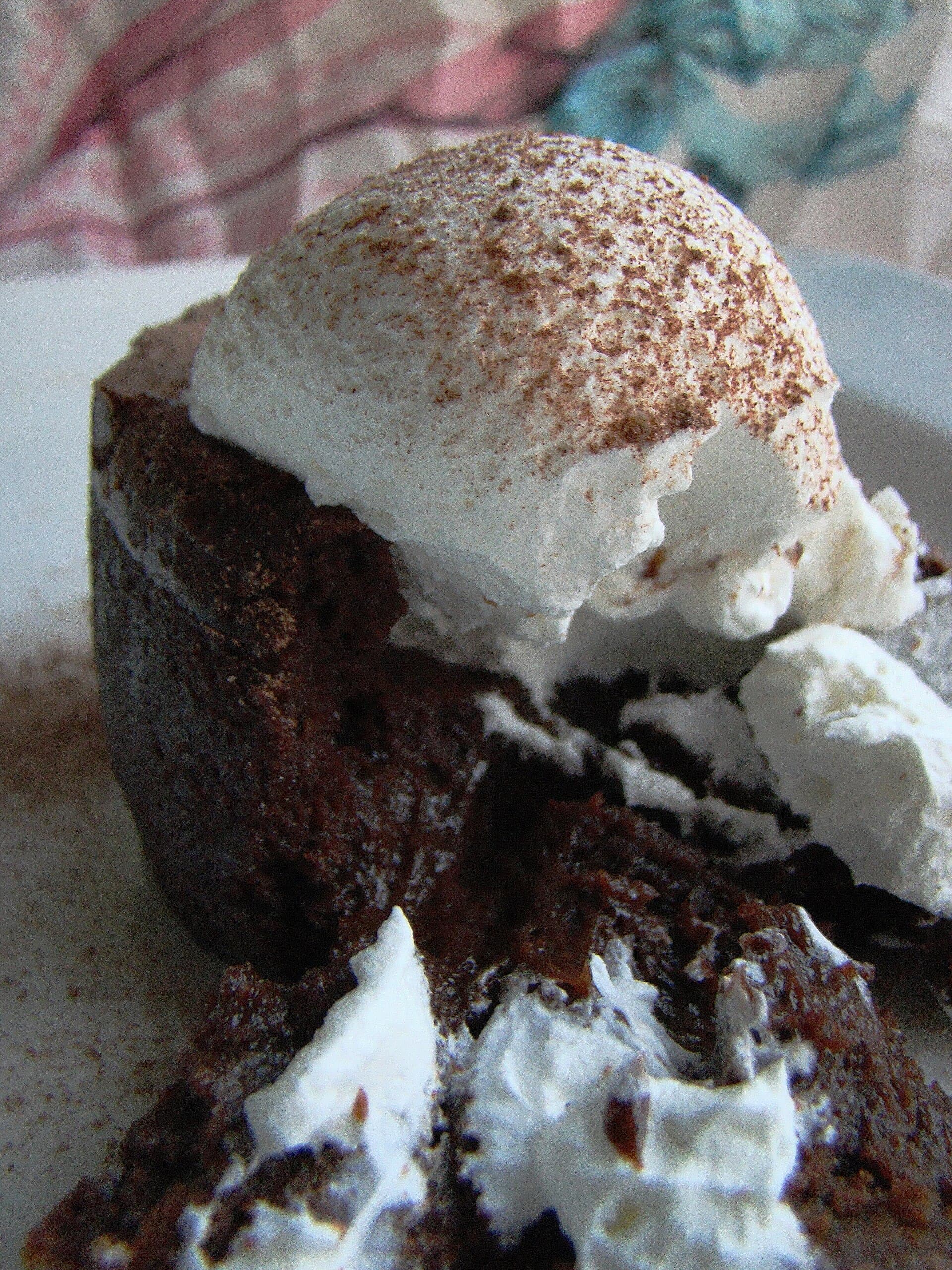
1990-2009 - Family restaurants and restaurant chains in the United States during the 1990s.
Lava cake is a rich dessert featuring individual chocolate cakes with a gooey molten center. Popularized in American family restaurants and chains from the 1990s onward, it uses minimal ingredients to create a dramatic dessert that combines chocolate cake and fondant-like filling, appealing broadly across age groups and occasions.
Community-powered photos. Reviewers can upload dish photos, and the highest-rated community image may be featured here.
Difficulty
Medium
Prep time
20 minutes
Cook time
12 minutes
Total time
32 minutes
Servings
4 servings
Region
New York City fine-dining restaurant kitchens
Era introduced
1990-2009
Introduced by
Family restaurants and restaurant chains in the United States during the 1990s.
Recipe tools
Log in to save this recipe to a collection.
Lava cake gained popularity in the United States during the 1990s and 2000s as a restaurant dessert that impressed with its molten chocolate interior. While inspired by French fondant au chocolat, the cake was adapted and popularized in family restaurants and chains, becoming a staple dessert that illustrates American culinary creativity and dessert trends.
Share family changes, regional twists, or pantry-friendly adaptations as full community recipes.
Log in to submit a community recipe.
No community recipes yet. Submitted recipes are published right away.
Rate this recipe and share how it worked at your table.
Log in to review this recipe.
No reviews yet. Be the first to rate this recipe.
Recipes matched by era, region, occasion, ingredients, and cultural roots from the archive.
Same era
America's Melting Pot
Acai Smoothie photo coming soon
1990s-present
Acai Smoothie brings juice-bar color and American smoothie-counter energy to the glass: Brazilian-rooted ingredient adapted by U.S. smoothie bars.
America's Melting Pot
Apple Spinach Smoothie photo coming soon
1990s-present
Apple Spinach Smoothie brings juice-bar color and American smoothie-counter energy to the glass: Green juice/smoothie crossover.
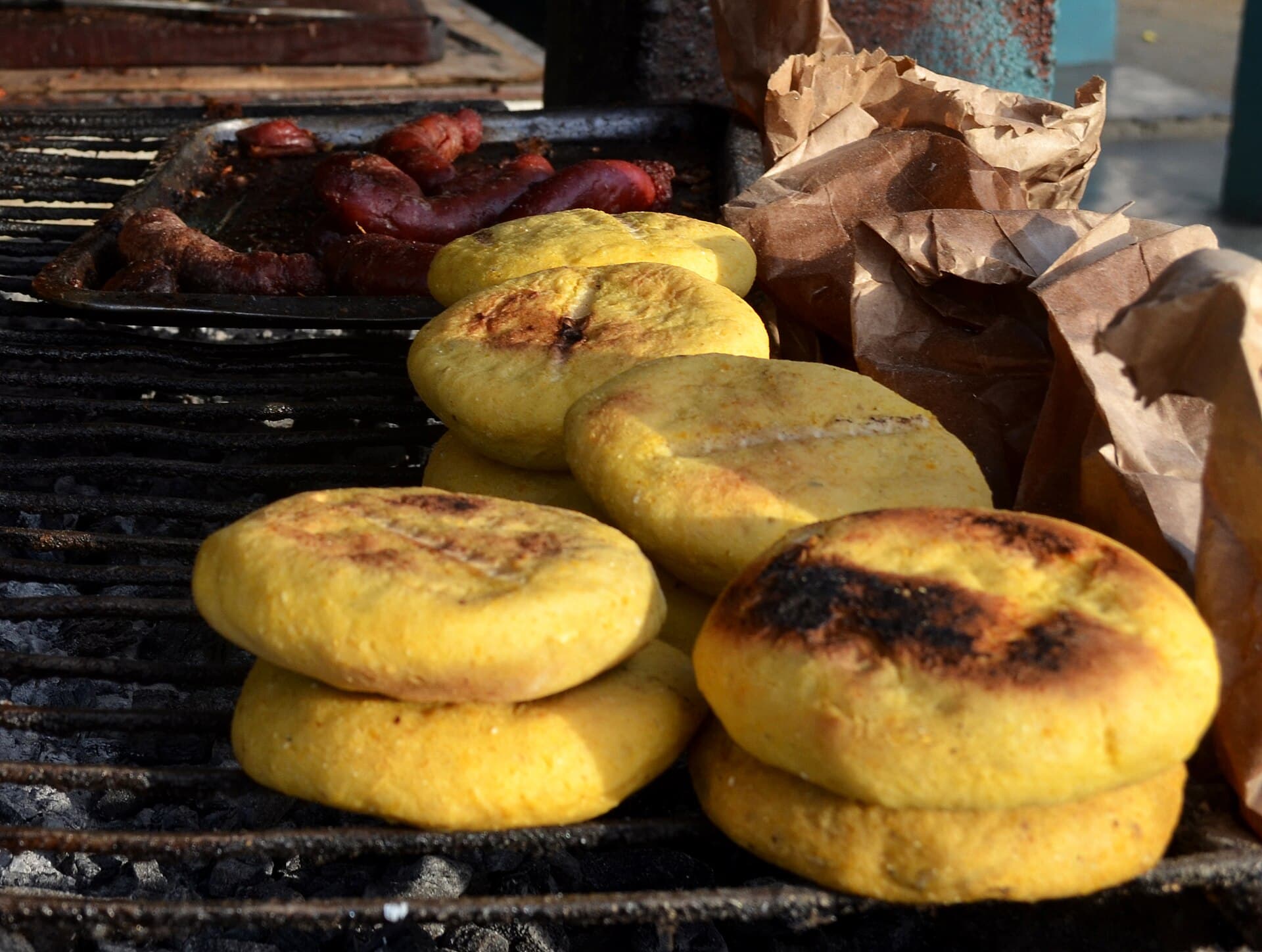
1990-2009
A basic arepa recipe made with masarepa, water, salt, and a hot skillet, ready to eat plain, buttered, cheesed, or split for fillings.
Same region
America's Melting Pot
Acorn Bread photo coming soon
1800-1860
A nutty, lightly sweet quick bread made with properly leached acorn flour, cornmeal, and wheat flour.
America's Melting Pot
Air Fryer Brussels Sprouts photo coming soon
2010s-present
Trimmed Brussels sprouts air-fried with a little oil until crisp at the edges and tender in the center.
America's Melting Pot
Air Fryer Chicken Tenders photo coming soon
2010s-present
Chicken tenderloins coated in seasoned crumbs and air-fried until crisp, juicy, and safely cooked to 165 degrees F.
Same table
America's Melting Pot
Cottage Cheese Pie photo coming soon
1930s-1945
Cottage cheese pie was a cost-effective and nutritious dessert during the Dust Bowl and Depression years. Utilizing simple, affordable ingredients, it provided a satisfying sweet treat in households facing economic constraints and rationing during the 1930s and 1940s.
America's Melting Pot
Crumbl-Style Cookies photo coming soon
2017-present
Crumbl-Style Cookies are soft-centered, thick cookies popularized by the Crumbl cookie chain, featuring a variety of rotating flavors but united by a chewy, buttery texture. These bakery-inspired cookies capture recent American dessert trends emphasizing shareability and novelty.
America's Melting Pot
Skillet Cookie photo coming soon
1990s-present
Skillet Cookie is a large, thick cookie baked in a cast-iron or oven-safe skillet, served warm and often topped with ice cream. It gained popularity in family restaurants and chain eateries during the 1990s and early 2000s.