
Recipe archive
Loading
Setting the table...
Fetching the latest recipes from the archive.
Loading
Fetching the latest recipes from the archive.
Recipe archive
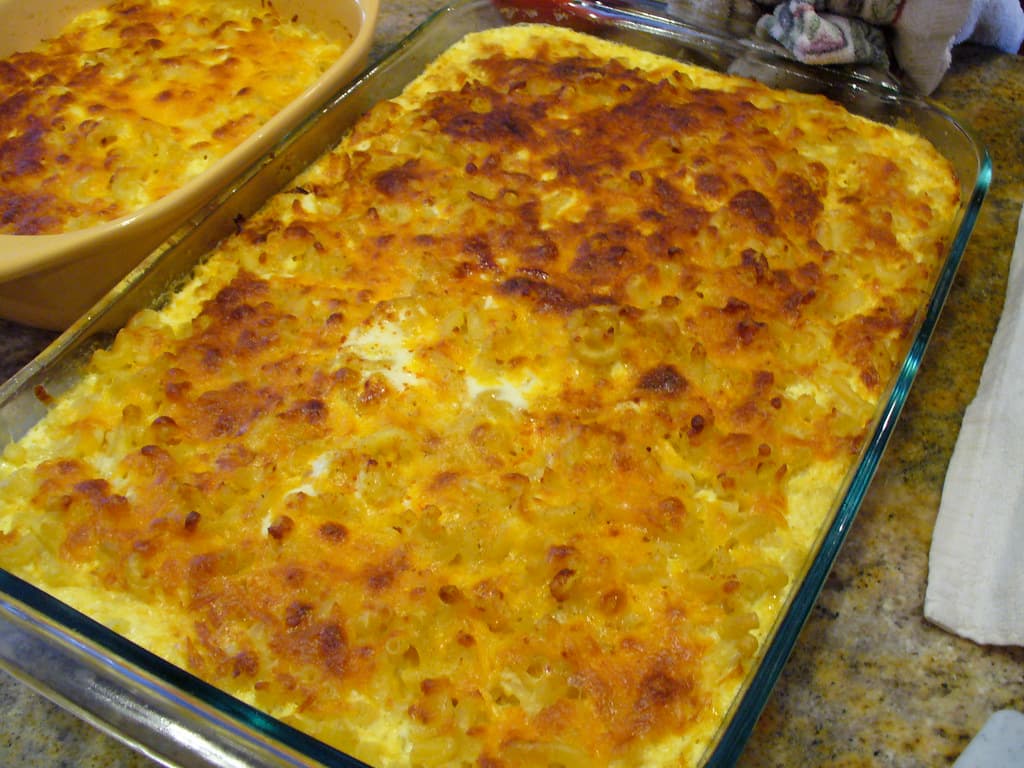
1776-1800 - American home cooks and school lunch programs during Depression and World War II.
Macaroni and cheese became a beloved American staple during the Great Depression and World War II through its affordability, ease of preparation, and comfort. Featuring tender macaroni enveloped in creamy cheese sauce, this dish was served in schools, homes, and holiday tables, reflecting both economic frugality and festive tradition.
Community-powered photos. Reviewers can upload dish photos, and the highest-rated community image may be featured here.
Difficulty
Easy
Prep time
10 minutes
Cook time
20 minutes
Total time
30 minutes
Servings
6
Region
Monticello and Virginia elite-household kitchens
Era introduced
1776-1800
Introduced by
American home cooks and school lunch programs during Depression and World War II.
Recipe tools
Log in to save this recipe to a collection.
During the economic hardships of the 1930s and the rationing of the 1940s, macaroni and cheese emerged as a budget-friendly, nutritious dish that could be prepared with pantry staples like pasta and processed cheese. It gained popularity in school cafeterias as a filling lunch option and became a holiday favorite, offering warm comfort during challenging times. Its simple preparation and adaptability helped secure macaroni and cheese as a long-standing symbol of American home cooking and communal dining.
Share family changes, regional twists, or pantry-friendly adaptations as full community recipes.
Log in to submit a community recipe.
No community recipes yet. Submitted recipes are published right away.
Rate this recipe and share how it worked at your table.
Log in to review this recipe.
No reviews yet. Be the first to rate this recipe.
Recipes matched by era, region, occasion, ingredients, and cultural roots from the archive.
Same era
America's Melting Pot
Ash Cakes photo coming soon
1776-1800
A plain cornmeal-and-water ash cake inspired by Revolutionary-era field cooking, adapted for a skillet or campfire with salt and a little fat for modern eatability.
America's Melting Pot
Bean Porridge photo coming soon
1776-1800
Bean porridge sits close to the everyday cooking of early America: beans or peas, water, a little meat when available, and meal to thicken the pot. It was plain food, but practical food, made in a kettle and stretched for households that needed warmth, calories, and thrift more than ceremony.
1700s-1800s
Chicken Pie is a hearty savory pie made with cooked chicken, vegetables, and a flaky pastry crust. Rooted in mid to late 19th-century railroad and boardinghouse cooking, it offered a portable, filling meal for workers and travelers during the Civil War and Reconstruction period, blending practicality with comforting flavors.
Same region
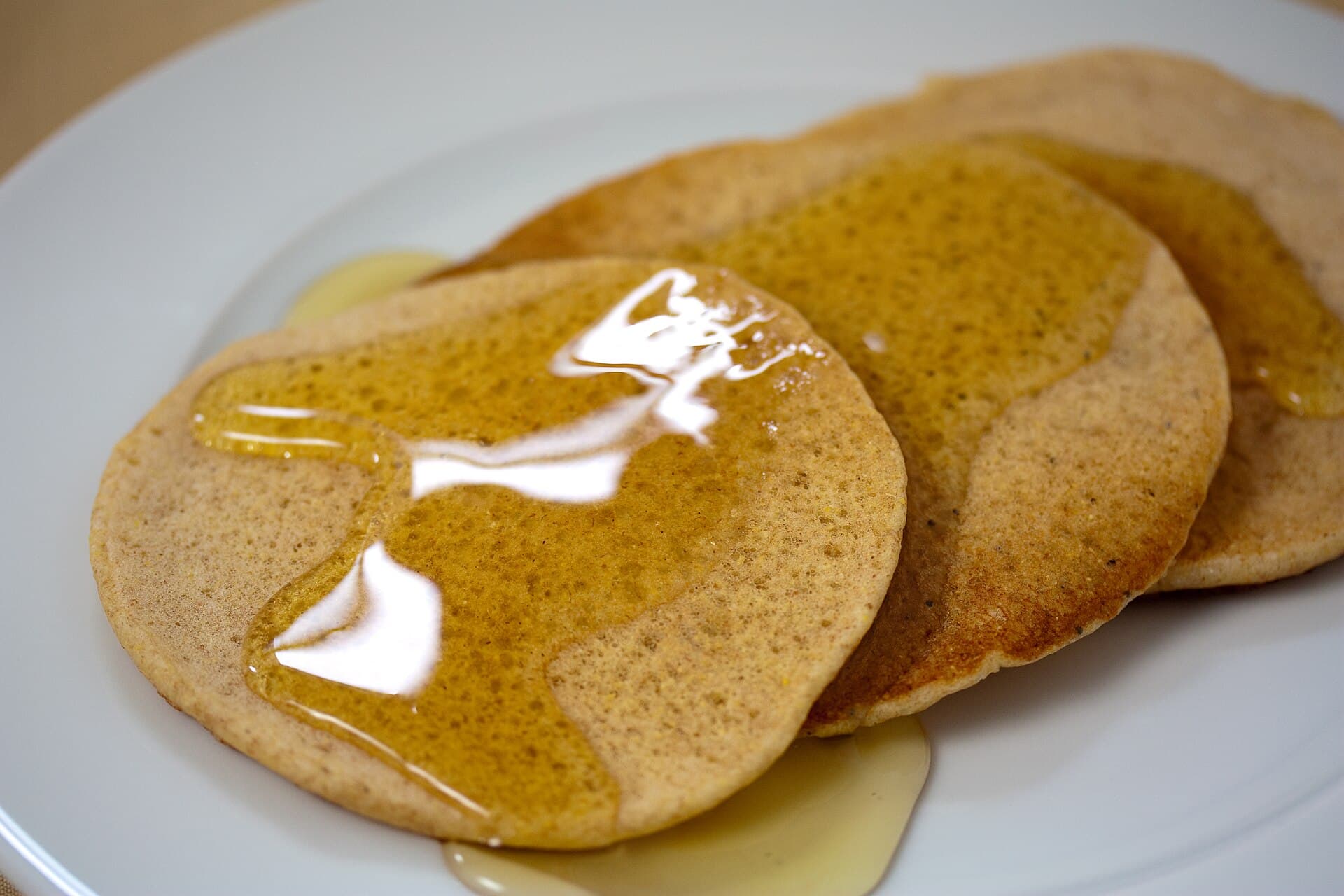
1600s-present
Cornmeal pancakes were a practical and hearty breakfast staple during the Depression and Dust Bowl years, offering an affordable, nourishing start to the day in rural and urban kitchens alike. Using simple pantry staples like cornmeal and flour, these pancakes sustained families through hard economic times and food shortages.
America's Melting Pot
Country Ham photo coming soon
1800-1860
Country ham is a dry-cured, aged ham typical of Southern United States foodways dating back to the early 19th century. It is preserved with salt and aging, resulting in a salty, flavorful meat served in traditional Southern meals.
America's Melting Pot
Ham photo coming soon
1600s-present
Ham is a traditional centerpiece in American holiday meals, especially during New Year's celebrations where it symbolizes good fortune and prosperity. Its preservation and curing methods vary regionally, reflecting diverse cultural influences across the United States. This recipe explores practical home preparation of ham suitable for festive occasions.
Same table
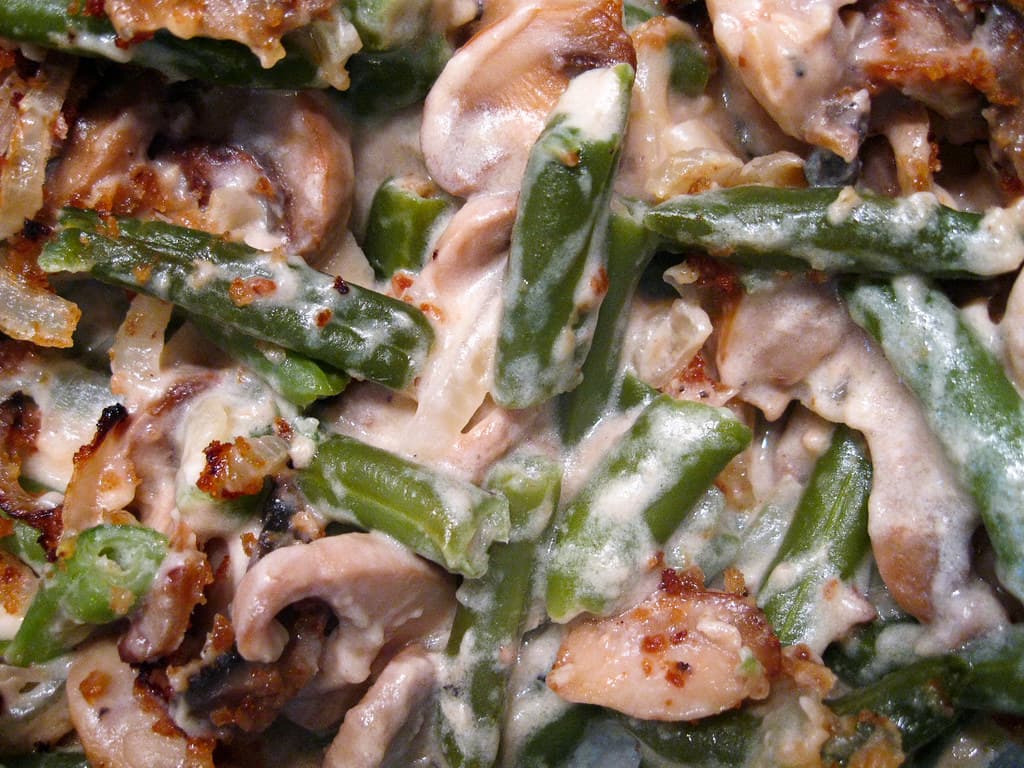
1900-1929
Green Bean Casserole is a staple side dish in Midwestern American holiday tables, church suppers, and school gatherings. Combining green beans, cream of mushroom soup, and crispy fried onions, it became widely popular in the early 20th century and remains a comforting, familiar casserole.

1800s-present
Scalloped Potatoes are thinly sliced potatoes baked in a creamy sauce, often with cheese or onions, making a popular side dish at schools, churches, and state fairs in early 20th century America. Its simple ingredients and hearty texture suited well to communal meals and holiday dinners.
1900-1929
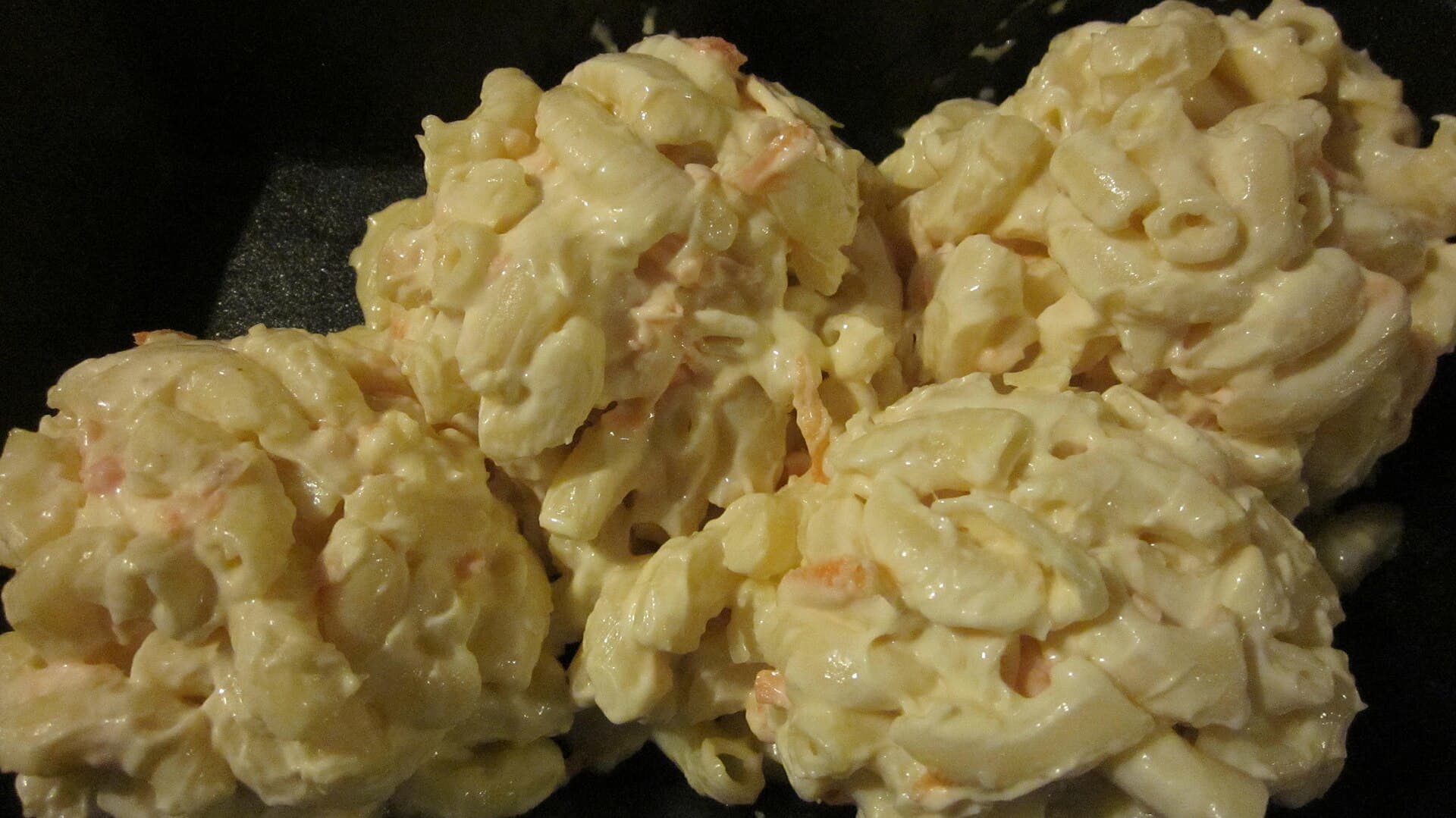
Macaroni salad is an essential side dish in Hawaii's multicultural cuisine, blending Asian-Pacific, Hawaiian, and Portuguese influences. Served at school functions, churches, and state fairs, it features tender macaroni with creamy mayonnaise dressing and subtle seasonings, making it a refreshing accompaniment for various Hawaiian meals and celebrations.