
Recipe archive
Loading
Setting the table...
Fetching the latest recipes from the archive.
Loading
Fetching the latest recipes from the archive.
Recipe archive
America's Melting Pot
Maid-Rite hero image coming soon
1900-1929 - Midwestern American diners and cafe cooks.
The Maid-Rite sandwich is a loose ground beef sandwich typically served on a bun without traditional burger toppings. Originating in the Midwest, it offered a quick, affordable alternative to hamburgers and became a steady favorite in casual dining, reflecting American innovation in sandwich culture with a focus on simple, savory meat served hot.
No featured photo yet. Upload a photo with your review. The highest-rated community photo may become this recipe's hero image.
Difficulty
Easy
Prep time
10 minutes
Cook time
15 minutes
Total time
25 minutes
Servings
4 sandwiches
Region
Muscatine, Iowa
Era introduced
1900-1929
Introduced by
Midwestern American diners and cafe cooks.
Recipe tools
Log in to save this recipe to a collection.
The Maid-Rite sandwich emerged in Midwestern America as a practical, affordable sandwich focusing on seasoned, loose ground beef served hot on a soft bun. Unlike a traditional hamburger patty, the meat is cooked loose, making eating the sandwich a unique experience. Popularized in Midwestern diners and cafes throughout the 20th century, the Maid-Rite became a regional symbol of casual comfort food and midday meals in a sandwich-centric culture.
Share family changes, regional twists, or pantry-friendly adaptations as full community recipes.
Log in to submit a community recipe.
No community recipes yet. Submitted recipes are published right away.
Rate this recipe and share how it worked at your table.
Log in to review this recipe.
No reviews yet. Be the first to rate this recipe.
Recipes matched by era, region, occasion, ingredients, and cultural roots from the archive.
Same era
America's Melting Pot
American French Dressing photo coming soon
1900s-present
American French Dressing is a dressing with real American table personality: The bright orange-red, sweet, tomatoey bottled dressing Americans call "French." Not very French, very American. It brings flavor from coast-to-coast American tables to cookouts, counters, lunch plates, potlucks, and weeknight suppers.
America's Melting Pot
Apple Pie Shake photo coming soon
1922-present
Apple Pie Shake brings drive-in, carhop, and fast-food dessert-counter energy to the table: Diner pie a la mode in a cup.
America's Melting Pot
Avgolemono Soup photo coming soon
1900-1929
A silky Greek-American chicken, rice, egg, and lemon soup made by tempering eggs into hot broth for a creamy dairy-free finish.
Same region
1920s-present
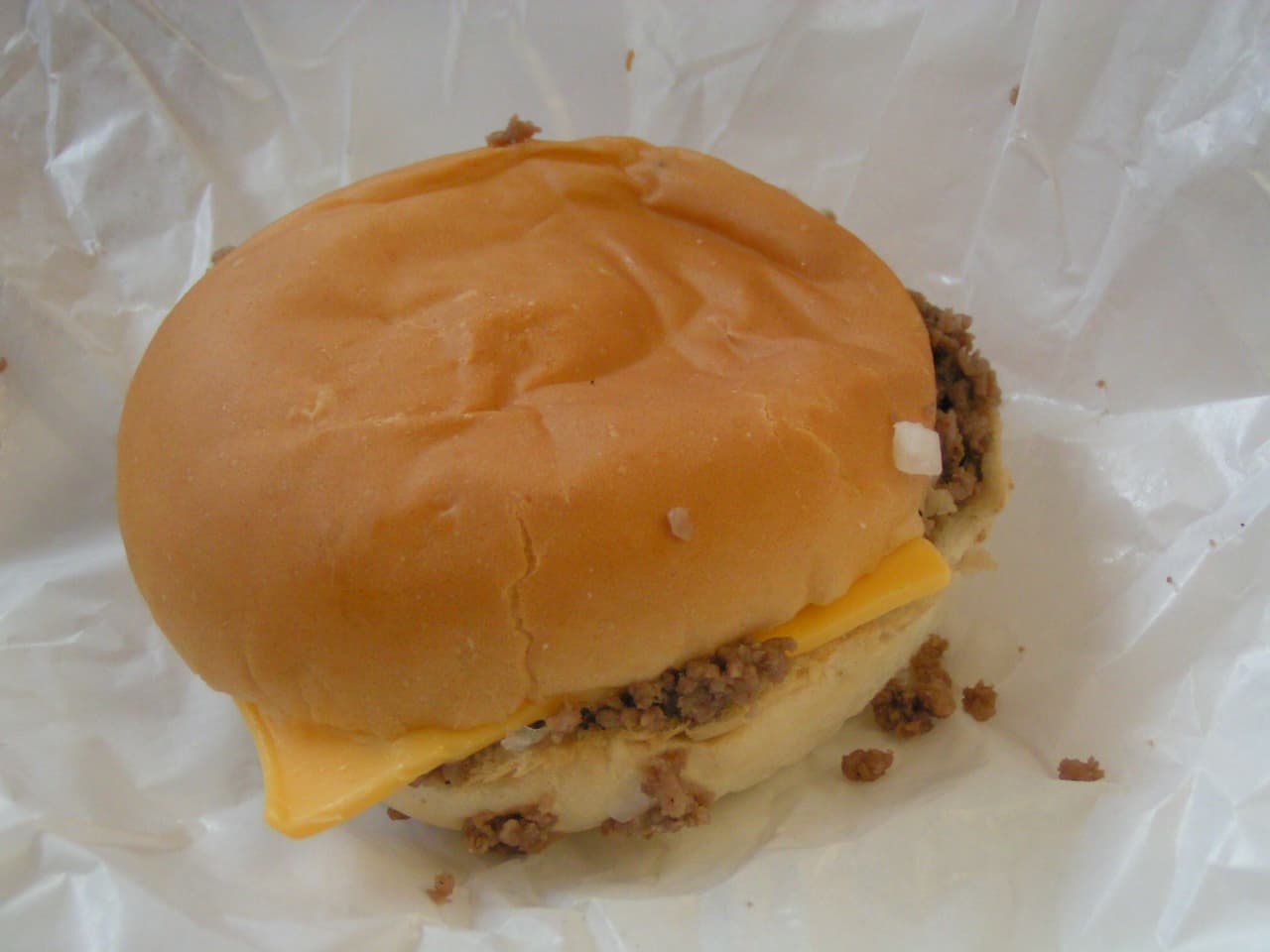
The loose meat sandwich features ground beef cooked with onions and seasonings served loose on a sandwich bun without forming a patty. Originating in the American Midwest, it is a precursor to the sloppy joe and enjoys popularity as a casual sandwich.
America's Melting Pot
Air Fryer Cheese Curds photo coming soon
2010-2026
Fresh cheese curds coated in seasoned panko, chilled, and air-fried until crisp outside and molten inside.
America's Melting Pot
Air Fryer Tater Tots photo coming soon
2010-2026
Frozen potato tots cooked in the air fryer until deeply crisp outside and fluffy inside.
Same table
1950s-present
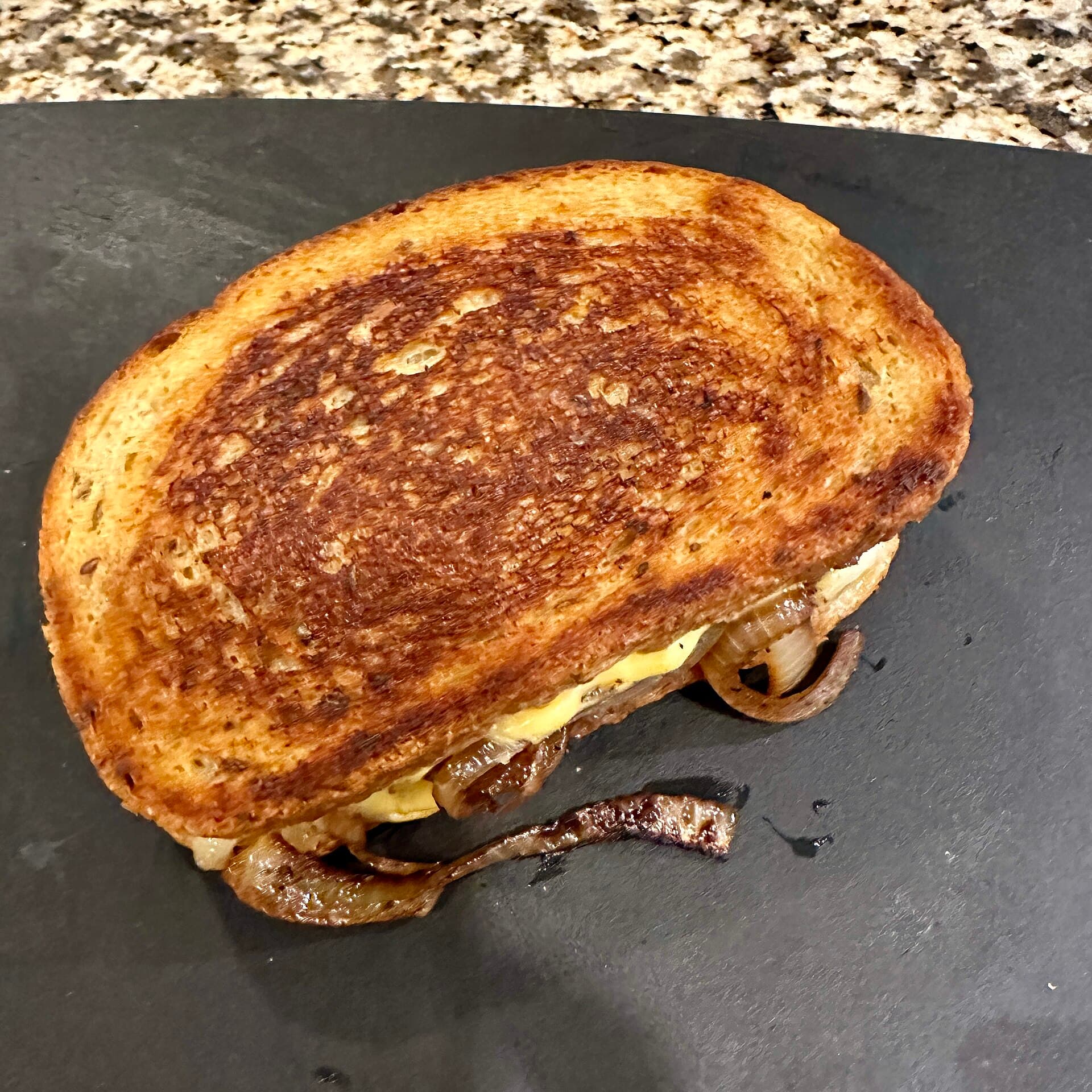
The patty melt is a classic American diner sandwich consisting of a seasoned ground beef patty grilled between slices of rye bread with melted cheese and sauteed onions, often served with pickles or fries.
1950s-present
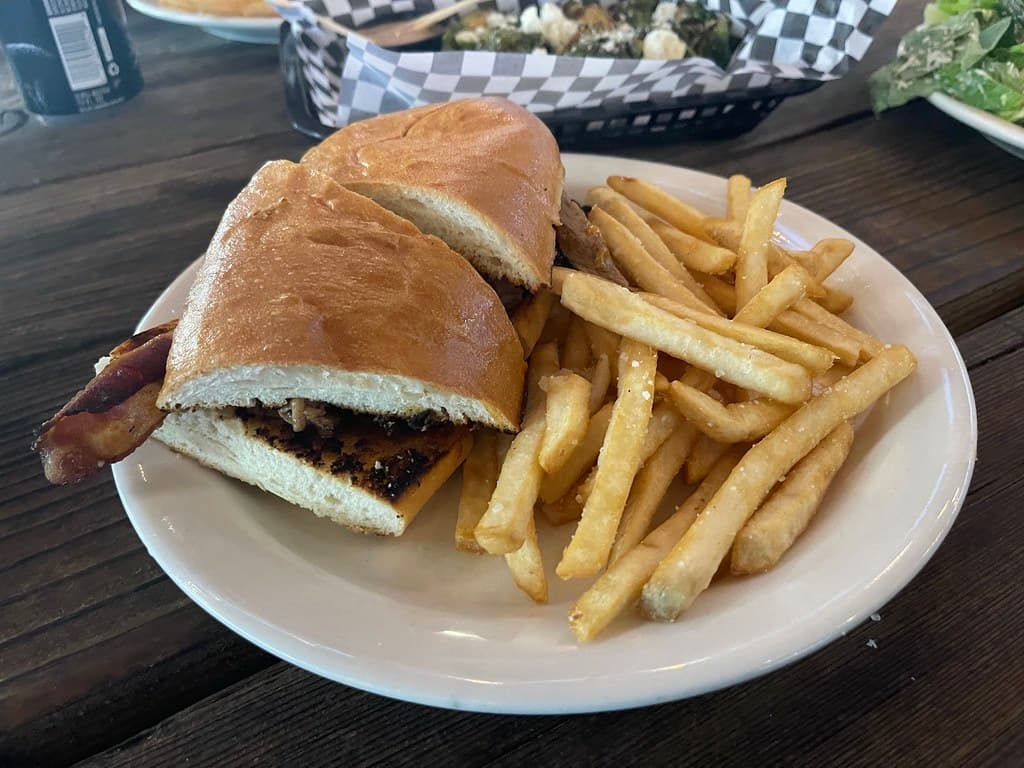
Tri-Tip Sandwiches feature flavorful grilled tri-tip beef served in sandwiches, popularized in contemporary food truck and farmers market cuisine across the United States. These sandwiches showcase local beef cuts and fusion flavors representative of recent American culinary trends emphasizing convenience and regional ingredients.
1920s-present
The loose meat sandwich features ground beef cooked with onions and seasonings served loose on a sandwich bun without forming a patty. Originating in the American Midwest, it is a precursor to the sloppy joe and enjoys popularity as a casual sandwich.