
Recipe archive
Loading
Setting the table...
Fetching the latest recipes from the archive.
Loading
Fetching the latest recipes from the archive.
Recipe archive
America's Melting Pot
Malt hero image coming soon
1900-1929 - American diner and lunch counter cooks in early 20th century immigrant cities.
Malt, or malted milkshake, was a staple of American diners, lunch counters, and state fairs from the early 1900s, offering a creamy, frothy beverage blending milk, malted milk powder, and ice cream. This nostalgic treat evokes the immigrant city food culture, where malt shops served as social hubs and classic American diner experiences.
No featured photo yet. Upload a photo with your review. The highest-rated community photo may become this recipe's hero image.
Difficulty
Easy
Prep time
5 minutes
Cook time
0
Total time
5 minutes
Servings
2
Region
Racine, Wisconsin and Chicago soda fountains
Era introduced
1900-1929
Introduced by
American diner and lunch counter cooks in early 20th century immigrant cities.
Recipe tools
Log in to save this recipe to a collection.
Malted milkshakes, or malts, rose to popularity in early 20th-century American urban centers, particularly in immigrant-rich cities with bustling diner cultures. Combining ice cream, milk, and malted barley powder, these frothy beverages were a favorite at diners, lunch counters, and state fairs, offering a sweet, nostalgic indulgence. Malt shops became social gathering points reflecting evolving American youth culture and the blending of immigrant influences with mainstream food trends during this era.
Share family changes, regional twists, or pantry-friendly adaptations as full community recipes.
Log in to submit a community recipe.
No community recipes yet. Submitted recipes are published right away.
Rate this recipe and share how it worked at your table.
Log in to review this recipe.
No reviews yet. Be the first to rate this recipe.
Recipes matched by era, region, occasion, ingredients, and cultural roots from the archive.
Same era
America's Melting Pot
American French Dressing photo coming soon
1900s-present
American French Dressing is a dressing with real American table personality: The bright orange-red, sweet, tomatoey bottled dressing Americans call "French." Not very French, very American. It brings flavor from coast-to-coast American tables to cookouts, counters, lunch plates, potlucks, and weeknight suppers.
America's Melting Pot
Apple Pie Shake photo coming soon
1922-present
Apple Pie Shake brings drive-in, carhop, and fast-food dessert-counter energy to the table: Diner pie a la mode in a cup.
America's Melting Pot
Avgolemono Soup photo coming soon
1900-1929
A silky Greek-American chicken, rice, egg, and lemon soup made by tempering eggs into hot broth for a creamy dairy-free finish.
Same region
America's Melting Pot
Banana Malt photo coming soon
1880s-1920s
Banana Malt pours old-school malt-shop cheer into a cold glass: Classic soda fountain variation.
America's Melting Pot
Black and White Malt photo coming soon
1880s-1920s
Black and White Malt pours old-school malt-shop cheer into a cold glass: Vanilla malt with chocolate syrup.
America's Melting Pot
Brownie Malt photo coming soon
1880s-1920s
Brownie Malt pours old-school malt-shop cheer into a cold glass: Modern dessert malt.
Same table
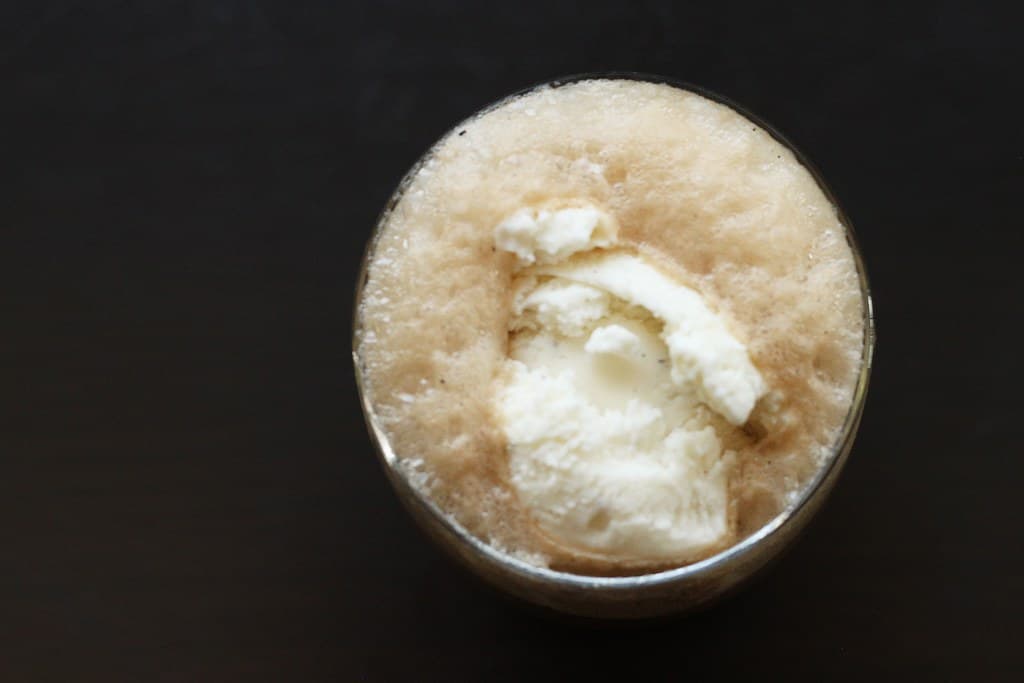
1893-present
The root beer float combines cold root beer with vanilla ice cream to create a creamy fizzy dessert drink popularized in early 20th-century American diners and soda fountains. This nostalgic treat remains a favorite for its simplicity and delightful flavors.
America's Melting Pot
Pie by the Slice photo coming soon
1900s-present
Pie by the Slice refers to the tradition of serving a single slice of pie as a dessert or snack in American diners, lunch counters, and state fairs. Popular from the early 20th century onward, this practice highlights the accessibility and communal spirit of pie as an all-American favorite, offering a variety of fruit, cream, or custard pies available by the slice for quick enjoyment.
America's Melting Pot
Fried Dough photo coming soon
1890s-present
Fried dough is a crispy, golden fried bread dough treat commonly sold at fairs, carnivals, and carnivals across the United States. Topped with powdered sugar or cinnamon sugar, it represents immigrant-influenced American carnival cuisine of the early 20th century.