
Recipe archive
Loading
Setting the table...
Fetching the latest recipes from the archive.
Loading
Fetching the latest recipes from the archive.
Recipe archive
America's Melting Pot
Mashed Turnips hero image coming soon
1776-1800 - Colonial American home cooks and early settlers
A simple mashed turnip recipe reflecting 18th-century American vegetable preparations. This dish offers a starchy alternative to potatoes and was commonly eaten during the Revolutionary War era.
No featured photo yet. Upload a photo with your review. The highest-rated community photo may become this recipe's hero image.
Difficulty
Easy
Prep time
15 minutes
Cook time
25 minutes
Total time
40 minutes
Servings
4 servings
Region
New England root-cellar and winter vegetable kitchens
Era introduced
1776-1800
Introduced by
Colonial American home cooks and early settlers
Recipe tools
Log in to save this recipe to a collection.
During the late 18th century, turnips were a common root vegetable in American households, particularly in rural and colonial contexts. Mashed turnips provided a nutritious side dish that complemented the simpler diets of the Revolutionary period. This recipe reflects the practical cooking approaches of American settlers who valued turnaround meals from available garden produce and root vegetables, served alongside meats and stews.
Share family changes, regional twists, or pantry-friendly adaptations as full community recipes.
Log in to submit a community recipe.
No community recipes yet. Submitted recipes are published right away.
Rate this recipe and share how it worked at your table.
Log in to review this recipe.
No reviews yet. Be the first to rate this recipe.
Recipes matched by era, region, occasion, ingredients, and cultural roots from the archive.
Same era
America's Melting Pot
Ash Cakes photo coming soon
1776-1800
A plain cornmeal-and-water ash cake inspired by Revolutionary-era field cooking, adapted for a skillet or campfire with salt and a little fat for modern eatability.
America's Melting Pot
Bean Porridge photo coming soon
1776-1800
Bean porridge sits close to the everyday cooking of early America: beans or peas, water, a little meat when available, and meal to thicken the pot. It was plain food, but practical food, made in a kettle and stretched for households that needed warmth, calories, and thrift more than ceremony.
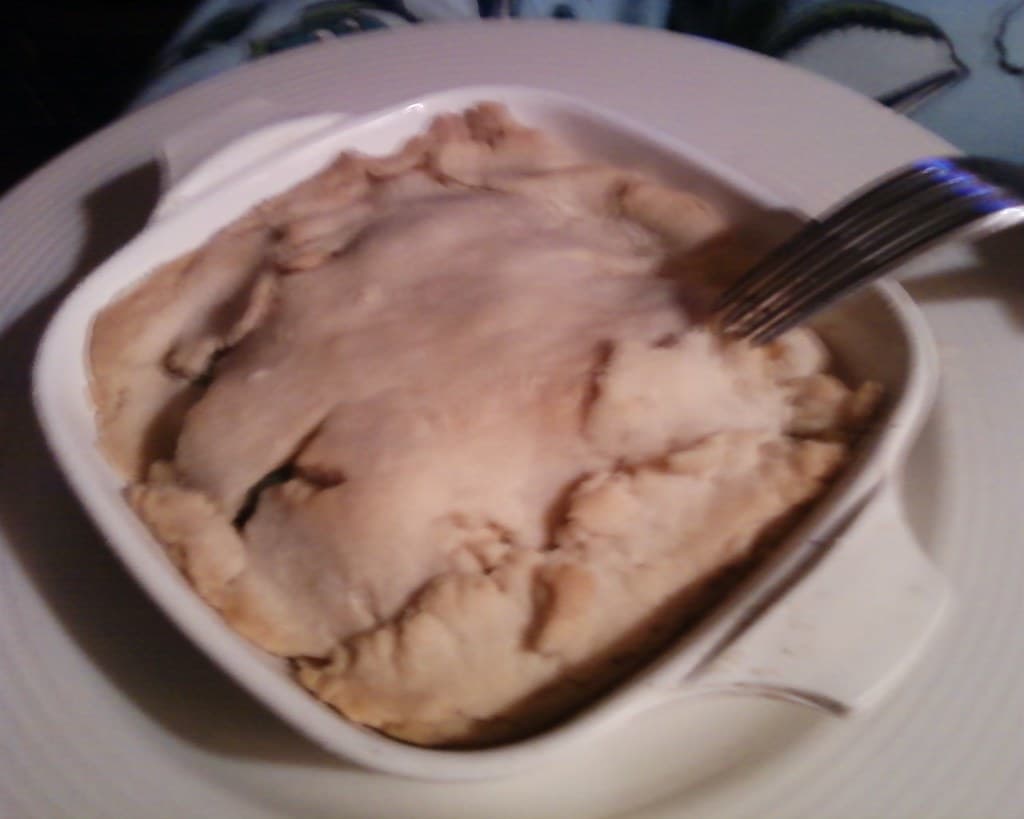
1700s-1800s
Chicken Pie is a hearty savory pie made with cooked chicken, vegetables, and a flaky pastry crust. Rooted in mid to late 19th-century railroad and boardinghouse cooking, it offered a portable, filling meal for workers and travelers during the Civil War and Reconstruction period, blending practicality with comforting flavors.
Same region
America's Melting Pot
Parsnip Cakes photo coming soon
1700s-present
Parsnip cakes are savory fried patties made from grated parsnips mixed with simple seasonings, common in late 18th-century American cooking. They highlight root vegetable use in early colonial diets, offering a wholesome side or dessert option depending on seasoning.
America's Melting Pot
Codfish Cakes photo coming soon
1776-1800
Codfish cakes are a traditional dish featuring salted cod blended with potatoes and seasonings, then fried to golden perfection. Reminiscent of early American coastal cooking around the Revolutionary period, these patties were a practical and flavorful way to enjoy preserved fish.
America's Melting Pot
Creamed Onions photo coming soon
1776-1800
Creamed Onions are a traditional side dish popular in late 18th-century America, featuring pearl onions simmered in a creamy, buttery sauce. Common at holiday tables, especially Thanksgiving, this dish reflects early American adaptations of European cooking techniques using accessible vegetables and dairy.
Same table
America's Melting Pot
Creamed Onions photo coming soon
1776-1800
Creamed Onions are a traditional side dish popular in late 18th-century America, featuring pearl onions simmered in a creamy, buttery sauce. Common at holiday tables, especially Thanksgiving, this dish reflects early American adaptations of European cooking techniques using accessible vegetables and dairy.
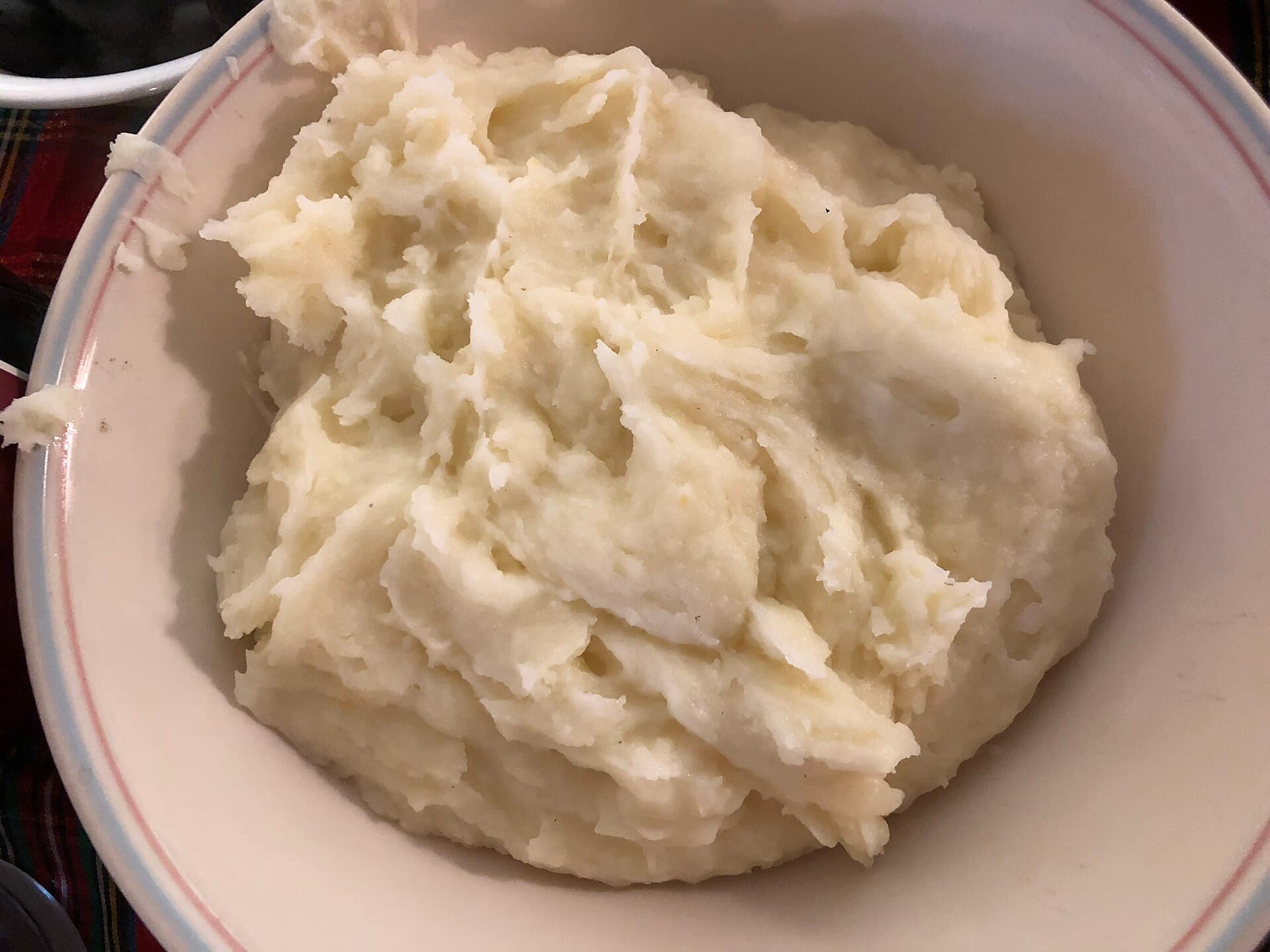
1800s-present
A creamy and comforting side dish popular across the United States, especially during Thanksgiving and other holiday meals. Mashed potatoes blend simple ingredients to create a satisfying accompaniment to main courses.
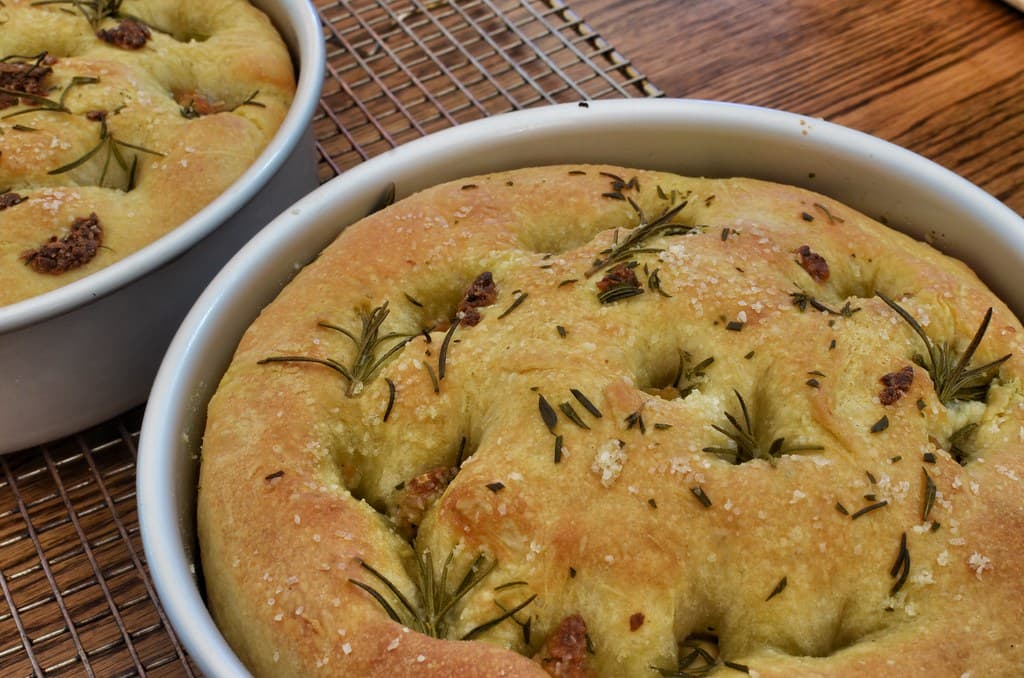
1900s-present
Focaccia is a flat Italian-style bread seasoned with olive oil, herbs, and often sea salt. Italian immigrants introduced focaccia to the United States during the late 19th century, adapting Old World baking techniques to American ingredients, thus becoming a beloved Italian-American staple bread.