
Recipe archive
Loading
Setting the table...
Fetching the latest recipes from the archive.
Loading
Fetching the latest recipes from the archive.
Recipe archive
America's Melting Pot
Codfish Cakes hero image coming soon
1776-1800 - New England coastal communities and colonial American cooks.
Codfish cakes are a traditional dish featuring salted cod blended with potatoes and seasonings, then fried to golden perfection. Reminiscent of early American coastal cooking around the Revolutionary period, these patties were a practical and flavorful way to enjoy preserved fish.
No featured photo yet. Upload a photo with your review. The highest-rated community photo may become this recipe's hero image.
Difficulty
Medium
Prep time
20 minutes
Cook time
15 minutes
Total time
35 minutes
Servings
4
Region
New England
Era introduced
1776-1800
Introduced by
New England coastal communities and colonial American cooks.
Recipe tools
Log in to save this recipe to a collection.
Codfish cakes emerged as a popular dish in colonial America, particularly in New England, where salted cod was an essential preserved food. Combining cod with mashed potatoes stretched limited protein supplies and reflected the resourceful nature of early American cooking. Fried until crispy, these cakes symbolized the melding of European fish preservation techniques with local American ingredients during the Revolutionary era. While recipes varied, the codfish cake became a staple for many households, bridging survival and taste in a time of upheaval and change.
Share family changes, regional twists, or pantry-friendly adaptations as full community recipes.
Log in to submit a community recipe.
No community recipes yet. Submitted recipes are published right away.
Rate this recipe and share how it worked at your table.
Log in to review this recipe.
No reviews yet. Be the first to rate this recipe.
Recipes matched by era, region, occasion, ingredients, and cultural roots from the archive.
Same era
America's Melting Pot
Ash Cakes photo coming soon
1776-1800
A plain cornmeal-and-water ash cake inspired by Revolutionary-era field cooking, adapted for a skillet or campfire with salt and a little fat for modern eatability.
America's Melting Pot
Bean Porridge photo coming soon
1776-1800
Bean porridge sits close to the everyday cooking of early America: beans or peas, water, a little meat when available, and meal to thicken the pot. It was plain food, but practical food, made in a kettle and stretched for households that needed warmth, calories, and thrift more than ceremony.
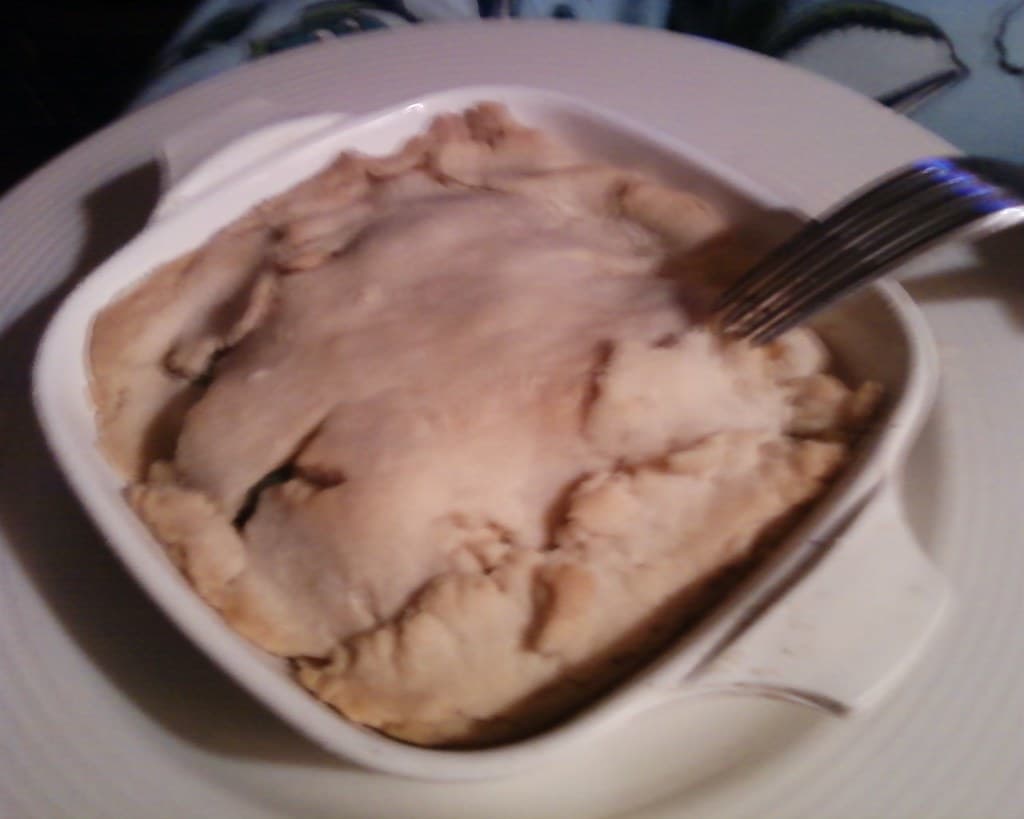
1700s-1800s
Chicken Pie is a hearty savory pie made with cooked chicken, vegetables, and a flaky pastry crust. Rooted in mid to late 19th-century railroad and boardinghouse cooking, it offered a portable, filling meal for workers and travelers during the Civil War and Reconstruction period, blending practicality with comforting flavors.
Same region
America's Melting Pot
Creamed Onions photo coming soon
1776-1800
Creamed Onions are a traditional side dish popular in late 18th-century America, featuring pearl onions simmered in a creamy, buttery sauce. Common at holiday tables, especially Thanksgiving, this dish reflects early American adaptations of European cooking techniques using accessible vegetables and dairy.
America's Melting Pot
Fried Apples photo coming soon
1776-1800
Fried apples are sliced apples cooked in butter with sugar and warm spices until soft and caramelized. A traditional American side dish since the late 18th century, they pair well with breakfast dishes and pork and reflect colonial and revolutionary era cooking.
America's Melting Pot
Indian Pudding photo coming soon
1776-1800
Indian pudding is a New England colonial-era dessert dating back to the late 18th century (1776-1800). Made with cornmeal, molasses, and dairy, it reflects early American adaptations of Native American and English influences, a testament to regional colonial foodways.
Same table
America's Melting Pot
Pickled Fish photo coming soon
1600s-present
Pickled fish were a common preservation method in late 18th-century America, allowing communities to enjoy fish long after catch. The preserved fish combine vinegar and spices to create a tangy side, reflective of colonial foodways.
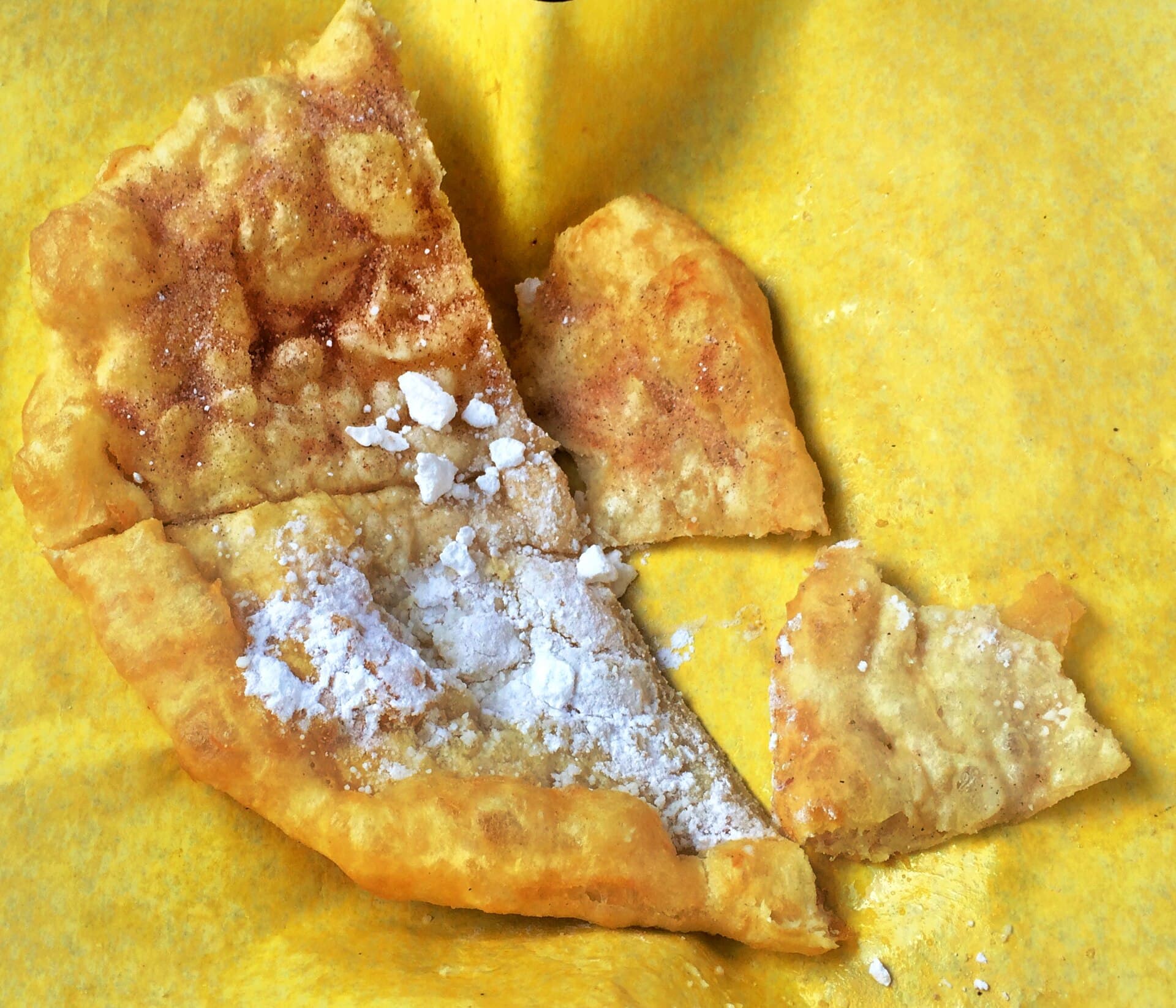
1800-1860
Fry bread is a soft, puffy fried bread with crispy edges, an iconic food in many Indigenous communities across the Great Plains and Alaska. Originating as a resourceful response to government-provided rations during the 19th century, fry bread today serves as both a staple and comfort food, featuring as a base for various toppings or eaten plain.
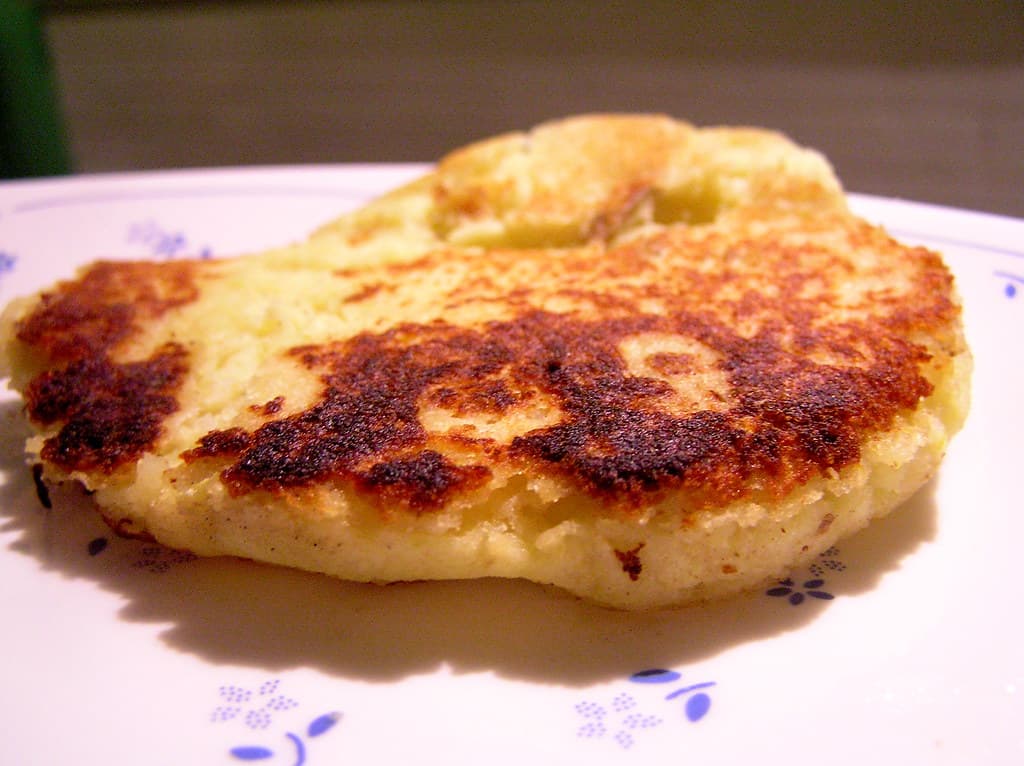
1800s-present
Potato Cakes are a practical, comforting dish made by frying mashed potato patties. Popular during the Depression and Dust Bowl decades, they exemplify resourceful cooking with staple ingredients under economic hardship.