
Recipe archive
Loading
Setting the table...
Fetching the latest recipes from the archive.
Loading
Fetching the latest recipes from the archive.
Recipe archive
America's Melting Pot
Oatcakes hero image coming soon
1800-1860 - Irish-American home cooks in immigrant communities.
Oatcakes are wholesome, crunchy biscuits or cookies associated with Irish culinary heritage and popular among Irish-American communities in the 19th century. Made with basic pantry ingredients, they make a satisfying dessert or tea accompaniment reflecting simpler times and immigrant food traditions.
No featured photo yet. Upload a photo with your review. The highest-rated community photo may become this recipe's hero image.
Difficulty
Easy
Prep time
10 minutes
Cook time
15 minutes
Total time
25 minutes
Servings
24 oatcakes
Region
Scottish American Appalachian and upland farm kitchens
Era introduced
1800-1860
Introduced by
Irish-American home cooks in immigrant communities.
Recipe tools
Log in to save this recipe to a collection.
Irish immigrants arriving in America during the expansion and immigration era brought with them traditional oatcake recipes. These simple baked oat biscuits made from oats, flour, and butter offered sustenance and a taste of home. Often enjoyed with tea or as a light dessert, oatcakes highlight how basic ingredients were creatively used to create comforting foods during the Young Republic period.
Share family changes, regional twists, or pantry-friendly adaptations as full community recipes.
Log in to submit a community recipe.
No community recipes yet. Submitted recipes are published right away.
Rate this recipe and share how it worked at your table.
Log in to review this recipe.
No reviews yet. Be the first to rate this recipe.
Recipes matched by era, region, occasion, ingredients, and cultural roots from the archive.
Same era
America's Melting Pot
Acorn Bread photo coming soon
1800-1860
A nutty, lightly sweet quick bread made with properly leached acorn flour, cornmeal, and wheat flour.
1800-1860
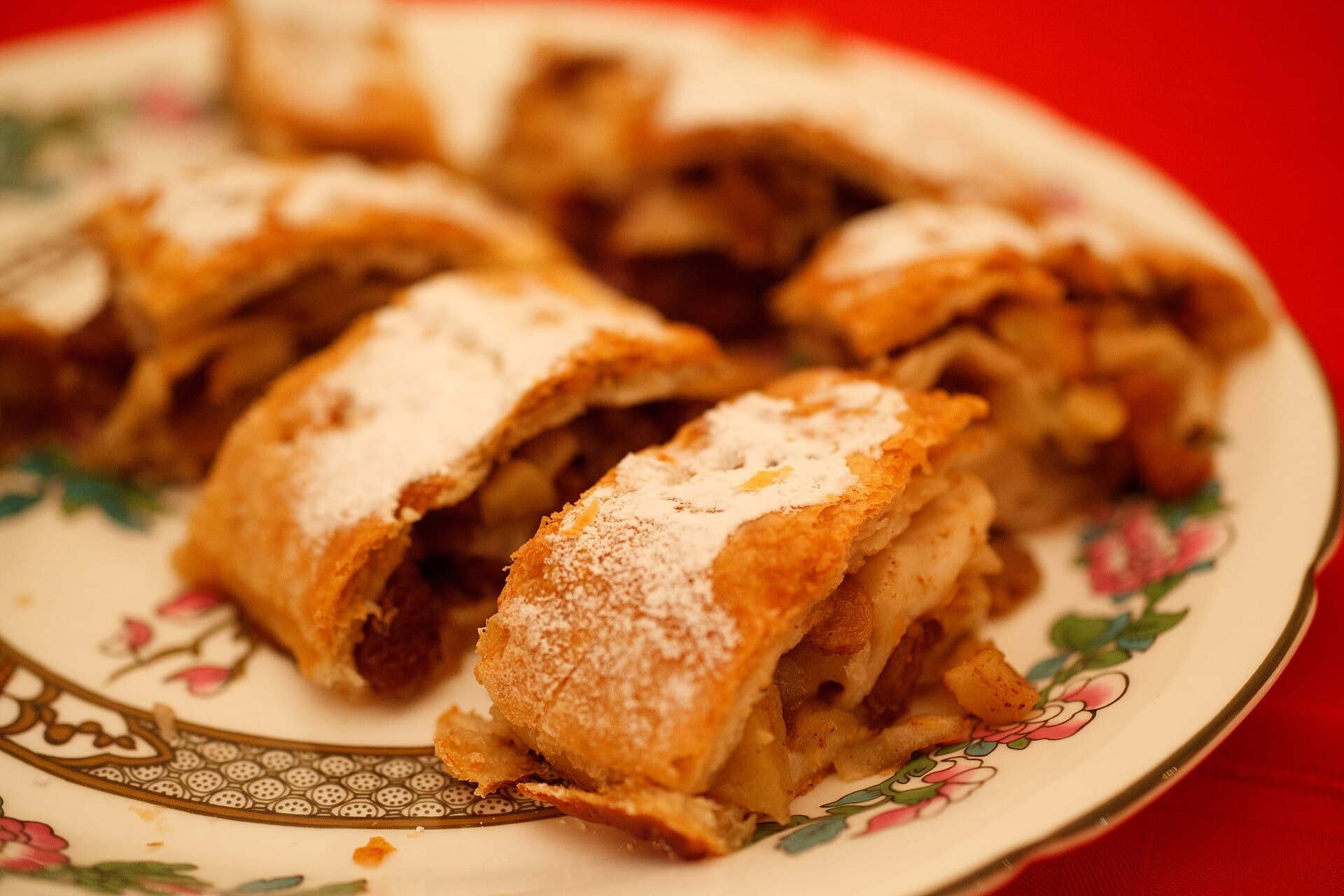
A German-American apple strudel made with crisp apples, raisins, cinnamon, buttered crumbs, and flaky phyllo for a practical home version of a Central European pastry.
America's Melting Pot
Asparagus photo coming soon
1800s/early 1900s-present
A bright American Easter asparagus side, quickly cooked and dressed with lemon butter, herbs, and hard-cooked egg in the spirit of old spring-table recipes.
Same region
1700s-present
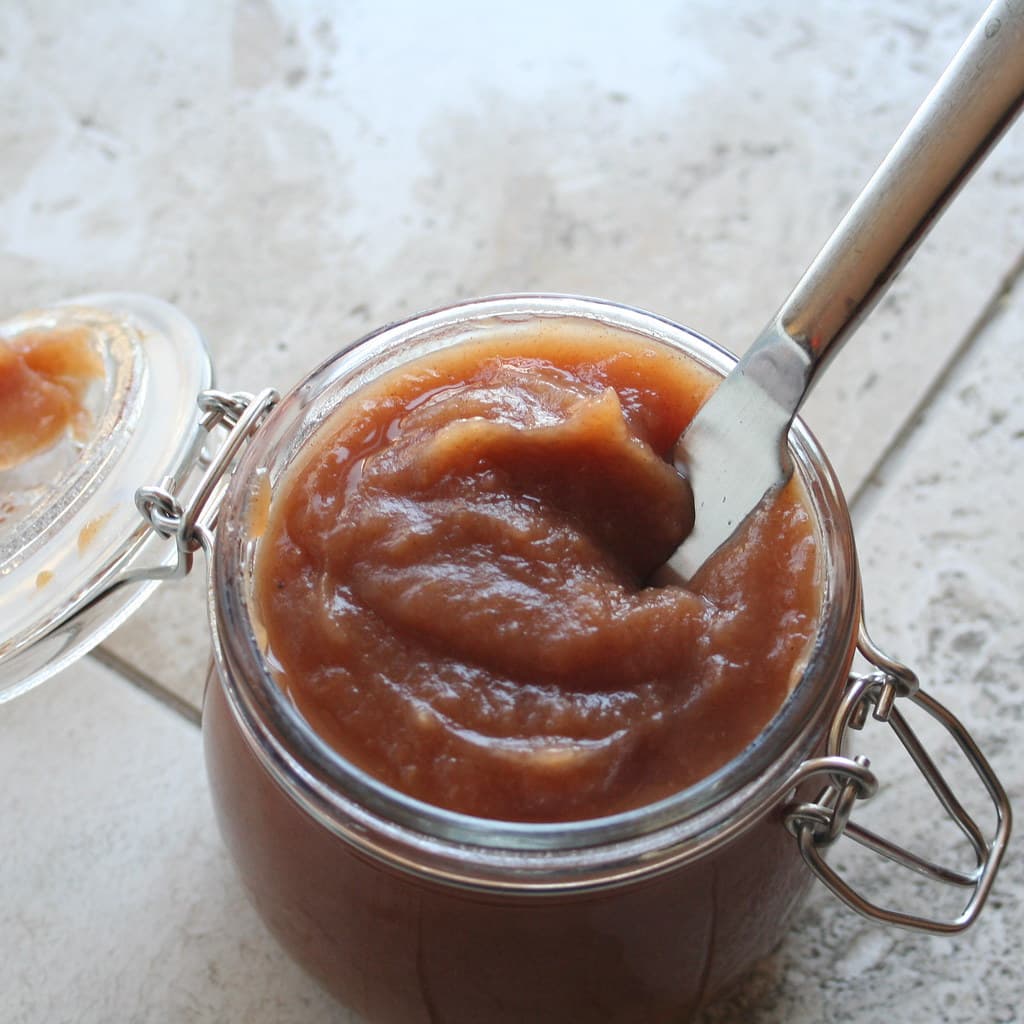
Apples cooked down with cider, sugar, and warm spices into a dark, spreadable fruit butter.
America's Melting Pot
Apple Butter on Biscuits photo coming soon
1700s-present
Warm buttermilk biscuits split and served with butter and spiced apple butter.
America's Melting Pot
Biscuits and Gravy photo coming soon
1800-2026
Biscuits and gravy grew from practical working food: cheap flour biscuits, pork drippings, milk, and enough richness to carry a hard morning. Modern sausage gravy is the familiar diner version, but older versions often used salt pork or any available pork fat.
Same table
America's Melting Pot
Banana Bars photo coming soon
1946-2026
Moist banana bars baked in a sheet pan and topped with cream cheese frosting, made for church basements, lunchrooms, and family potlucks.
1800-2026
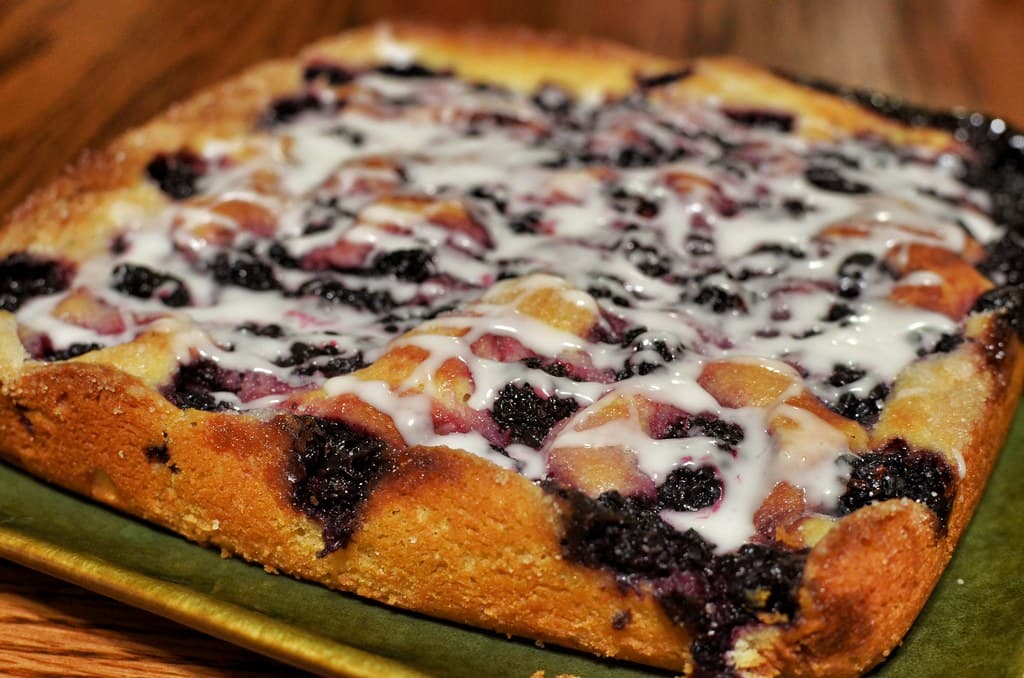
Blackberry cobbler is summer fruit economy: wild or cultivated berries, sugar, butter, flour, and enough heat to turn a picking bucket into dessert. Southern versions range from pour-over batter cobblers to biscuit-topped family recipes.
1950-2026
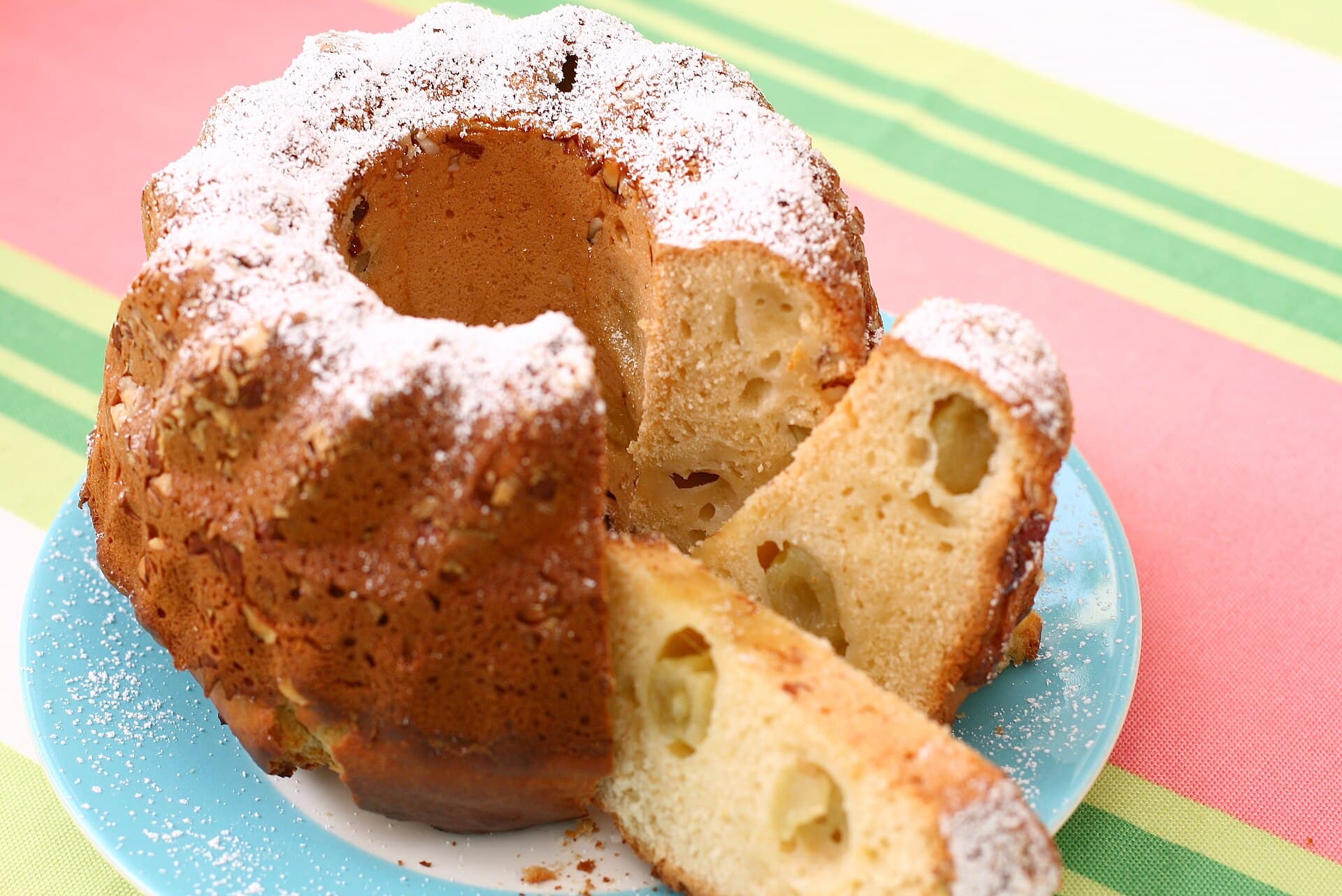
Bundt cake is as much about the pan as the batter. Nordic Ware created the Bundt pan in 1950 for home bakers seeking a kugelhopf-style shape, and Ella Helfrich's 1966 Tunnel of Fudge cake sent Bundt baking into American kitchens.