
Recipe archive
Loading
Setting the table...
Fetching the latest recipes from the archive.
Loading
Fetching the latest recipes from the archive.
Recipe archive
America's Melting Pot
Oyster Stuffing hero image coming soon
Before 1776 - Southern and Coastal American holiday cooks and family kitchens
Oyster stuffing is a classic American side dish often served during Thanksgiving and other holiday meals. It blends fresh oysters with breadcrumbs, herbs, and aromatics to create a flavorful accompaniment traditionally baked within poultry or as a separate dish.
No featured photo yet. Upload a photo with your review. The highest-rated community photo may become this recipe's hero image.
Difficulty
Medium
Prep time
20 minutes
Cook time
45 minutes
Total time
1 hour 5 minutes
Servings
6 servings
Region
Chesapeake Bay and coastal New England holiday kitchens
Era introduced
Before 1776
Introduced by
Southern and Coastal American holiday cooks and family kitchens
Recipe tools
Log in to save this recipe to a collection.
Oyster stuffing dates to early American holiday traditions when fresh oysters were plentiful and prized. It became especially popular in Southern and coastal regions where combining oysters with bread and regional herbs created a rich, savory side dish for holiday meals such as Thanksgiving. The dish reflects colonial and regional cooking practices, integrating native seafood with traditional stuffing techniques brought by European settlers, evolving into a celebratory comfort food enjoyed at festive tables.
Share family changes, regional twists, or pantry-friendly adaptations as full community recipes.
Log in to submit a community recipe.
No community recipes yet. Submitted recipes are published right away.
Rate this recipe and share how it worked at your table.
Log in to review this recipe.
No reviews yet. Be the first to rate this recipe.
Recipes matched by era, region, occasion, ingredients, and cultural roots from the archive.
Same era
America's Melting Pot
Blackstrap Molasses photo coming soon
1700s-present
Blackstrap Molasses is a sweet sauce with real American table personality: Baking, beans, gingerbread, wartime thrift. It brings flavor from coast-to-coast American tables to cookouts, counters, lunch plates, potlucks, and weeknight suppers.
1700s-present
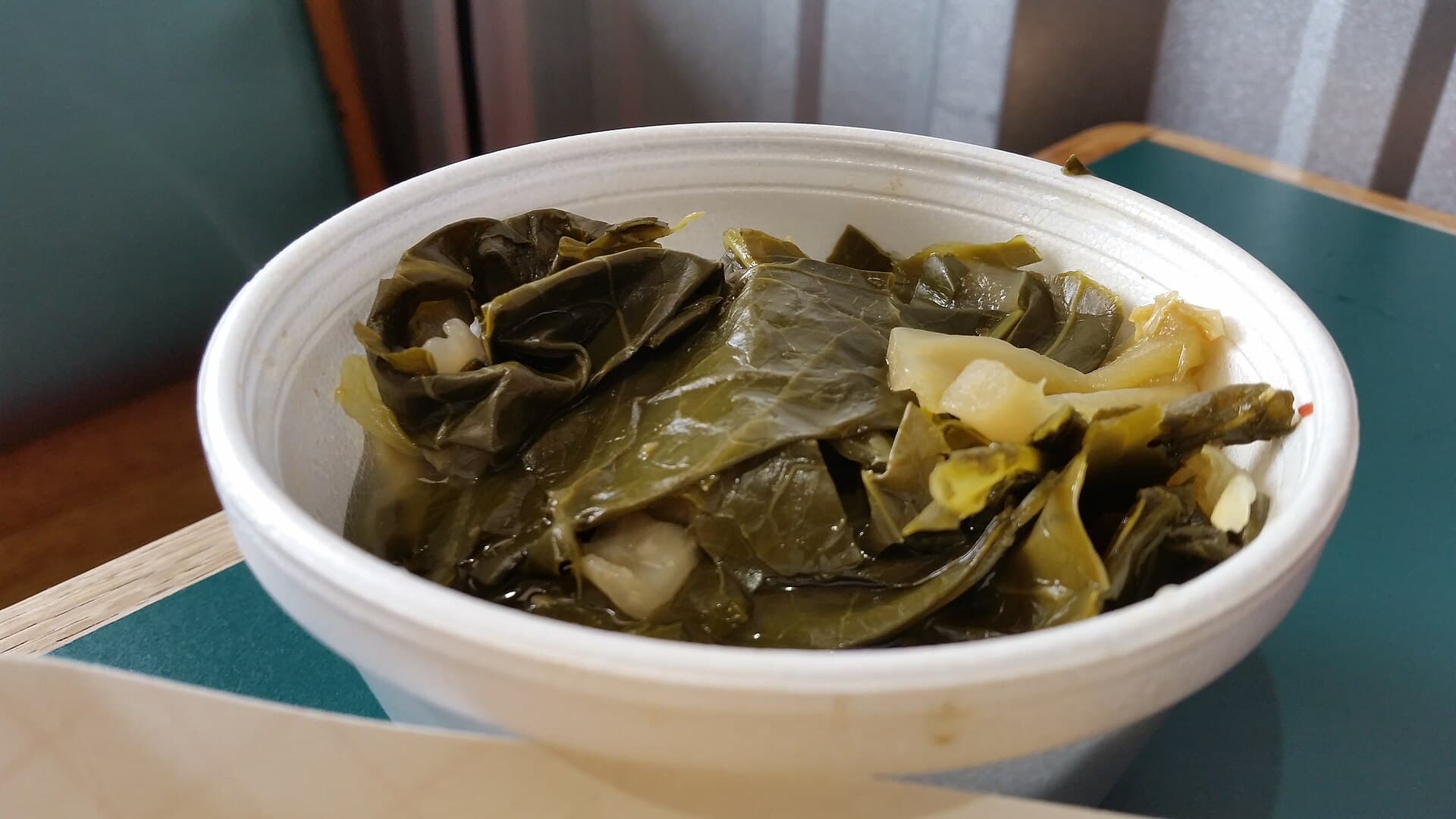
Collard greens are a Southern staple of slow-cooked leafy greens, often simmered with smoked meats and seasonings. Served frequently at Thanksgiving and other holidays, they reflect African American and Southern culinary traditions blending native and immigrant foodways. This versatile side dish is a symbol of Southern hospitality and cultural heritage.
America's Melting Pot
Eastern North Carolina Whole Hog photo coming soon
1700s-present
Eastern North Carolina Whole Hog barbecue is a traditional slow-cooked pork technique where an entire hog is cooked over wood coals and served with a tangy, vinegar-based sauce. This style emphasizes simplicity, smoky flavor, and communal preparation often associated with regional celebrations.
Same region
America's Melting Pot
Canned Oyster Stew photo coming soon
1860-2026
Oyster stew has long been part of American coastal, holiday, and Lenten cooking. Canned oysters made the dish possible far from oyster beds and useful for military, railroad, boardinghouse, and pantry meals.
America's Melting Pot
Ash Cakes photo coming soon
1776-1800
A plain cornmeal-and-water ash cake inspired by Revolutionary-era field cooking, adapted for a skillet or campfire with salt and a little fat for modern eatability.
1700-2026
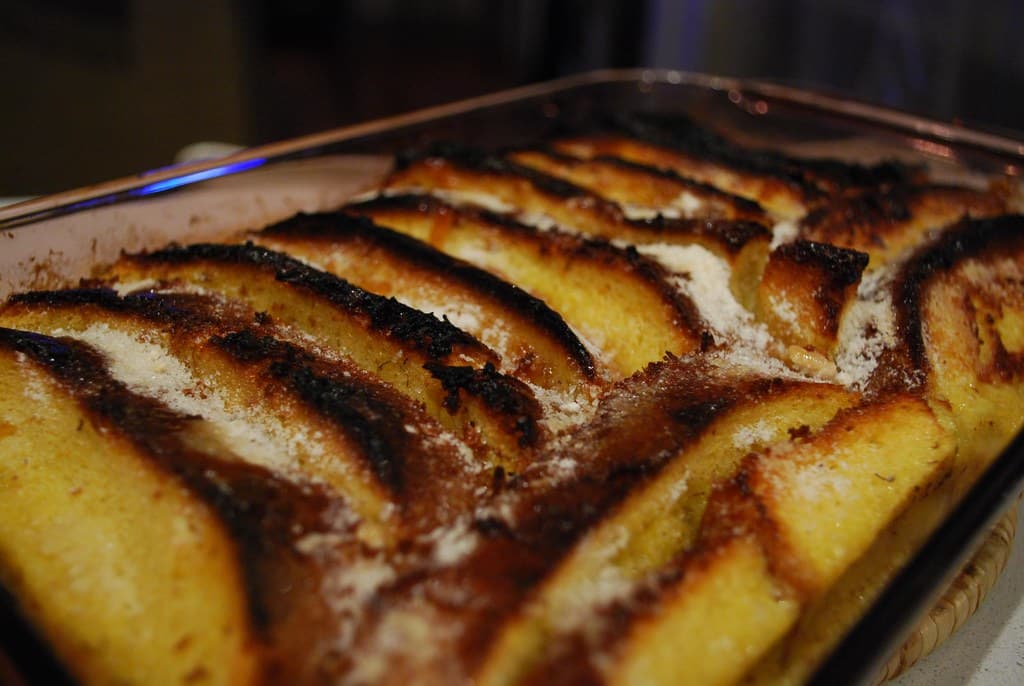
Bread pudding is one of the clearest examples of kitchen thrift becoming comfort food. English colonists brought bread-and-custard pudding habits to America, where cooks used stale bread, milk, eggs, sugar, and spices to make a dessert from leftovers.
Same table
1700-2026
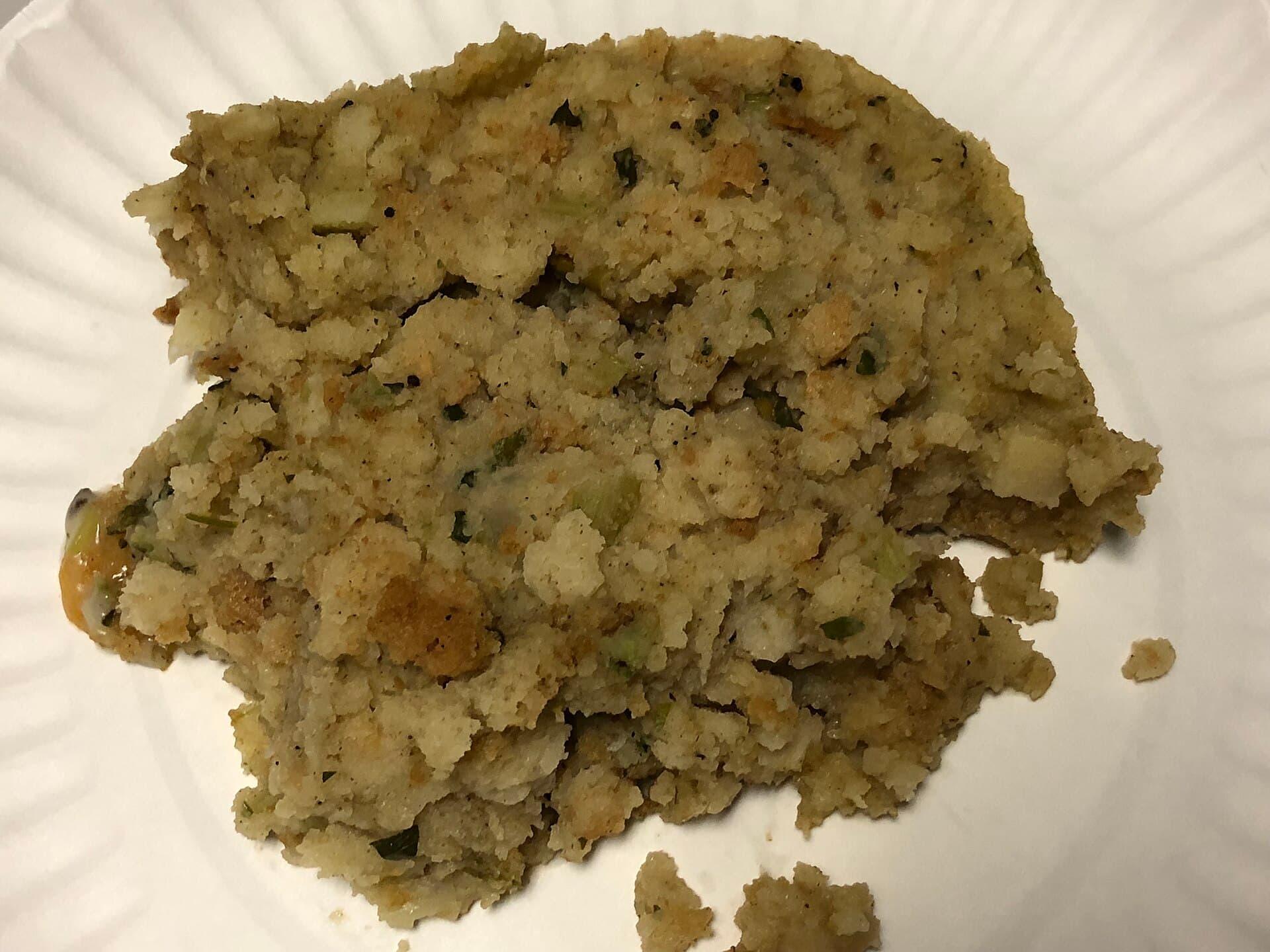
Bread stuffing is the Thanksgiving workhorse that turns stale bread into the part of the plate many people reach for first. Whether cooked inside the bird or baked separately as dressing, the core American formula is bread, aromatics, poultry herbs, and rich stock.
1860s-present
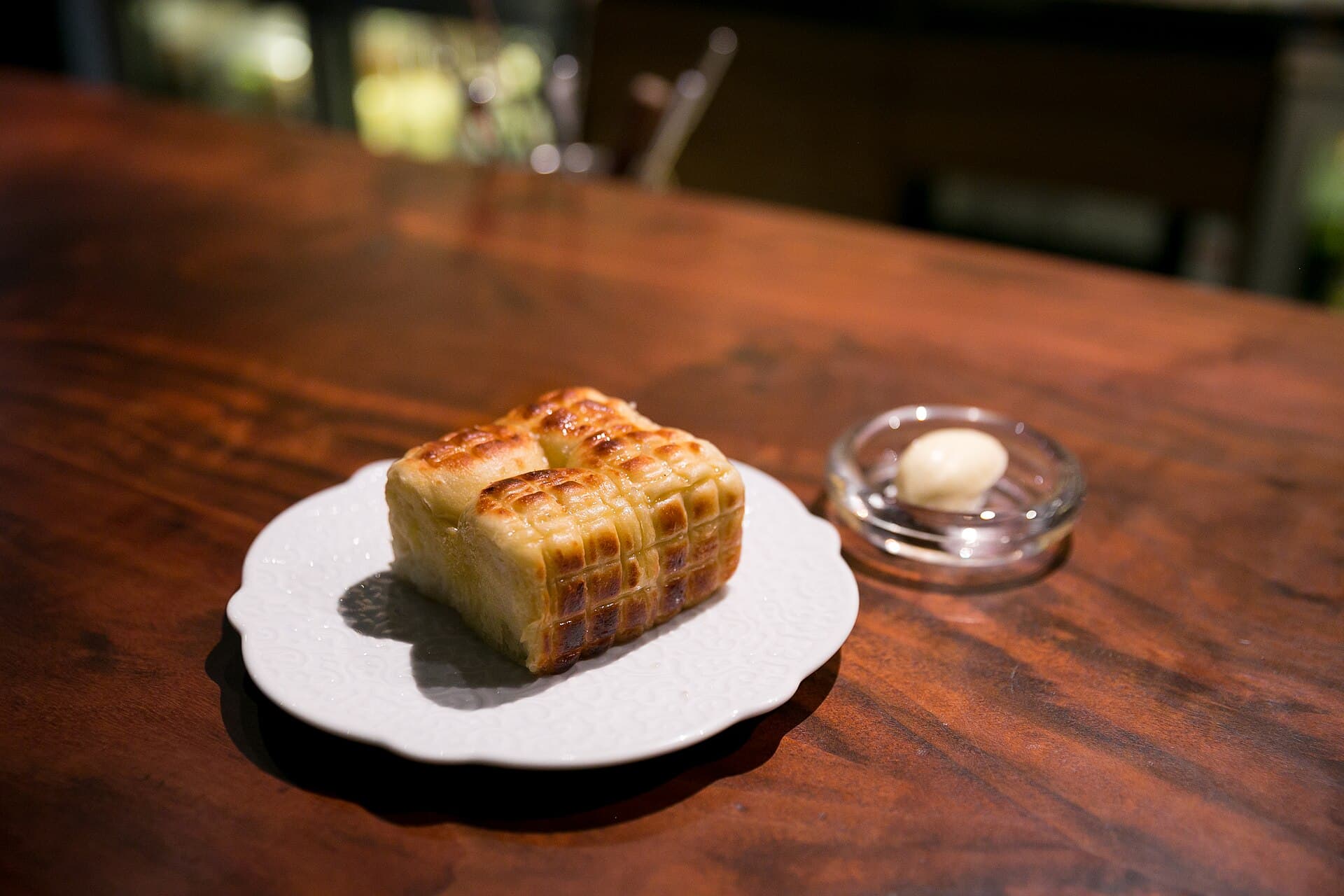
Parker House rolls are iconic American dinner rolls known for their soft interior and slightly crisp, buttery crust. They are often served during holiday dinners such as Thanksgiving and Easter, prized for their rich flavor and tender texture.
1700s-present
Collard greens are a Southern staple of slow-cooked leafy greens, often simmered with smoked meats and seasonings. Served frequently at Thanksgiving and other holidays, they reflect African American and Southern culinary traditions blending native and immigrant foodways. This versatile side dish is a symbol of Southern hospitality and cultural heritage.