
Recipe archive
Loading
Setting the table...
Fetching the latest recipes from the archive.
Loading
Fetching the latest recipes from the archive.
Recipe archive
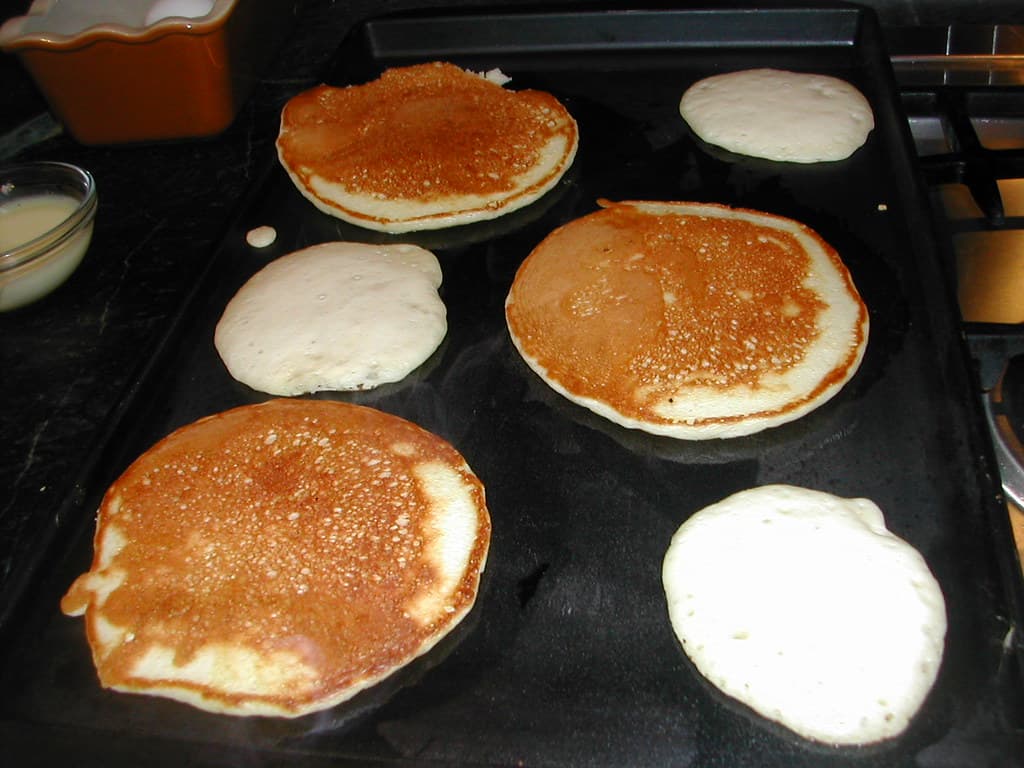
1776-1800 - American hunters, fishers, and campers
These pancakes reflect traditional camp and cabin cooking methods, using a straightforward batter cooked directly on a griddle or open fire. They are popular in hunting and fishing camps and rustic outdoor settings.
Community-powered photos. Reviewers can upload dish photos, and the highest-rated community image may be featured here.
Difficulty
Easy
Prep time
10 minutes
Cook time
10 minutes
Total time
20 minutes
Servings
4 servings
Region
New England and Mid-Atlantic griddle-cake kitchens
Era introduced
1776-1800
Introduced by
American hunters, fishers, and campers
Recipe tools
Log in to save this recipe to a collection.
Pancakes cooked on a griddle have been a practical and reliable breakfast option for hunters, fishers, and campers in American rural and frontier settings. The method uses minimal ingredients and equipment, reflecting resourcefulness in wilderness contexts. This style of pancake demonstrates traditional American outdoor cooking values where simplicity and heartiness are key.
Share family changes, regional twists, or pantry-friendly adaptations as full community recipes.
Log in to submit a community recipe.
No community recipes yet. Submitted recipes are published right away.
Rate this recipe and share how it worked at your table.
Log in to review this recipe.
No reviews yet. Be the first to rate this recipe.
Recipes matched by era, region, occasion, ingredients, and cultural roots from the archive.
Same era
America's Melting Pot
Deviled Egg Filling photo coming soon
1700s-present
Deviled Egg Filling is a spread with real American table personality: Not exactly a sauce, but a condiment-like American picnic food. It brings flavor from coast-to-coast American tables to cookouts, counters, lunch plates, potlucks, and weeknight suppers.
1700s-1800s
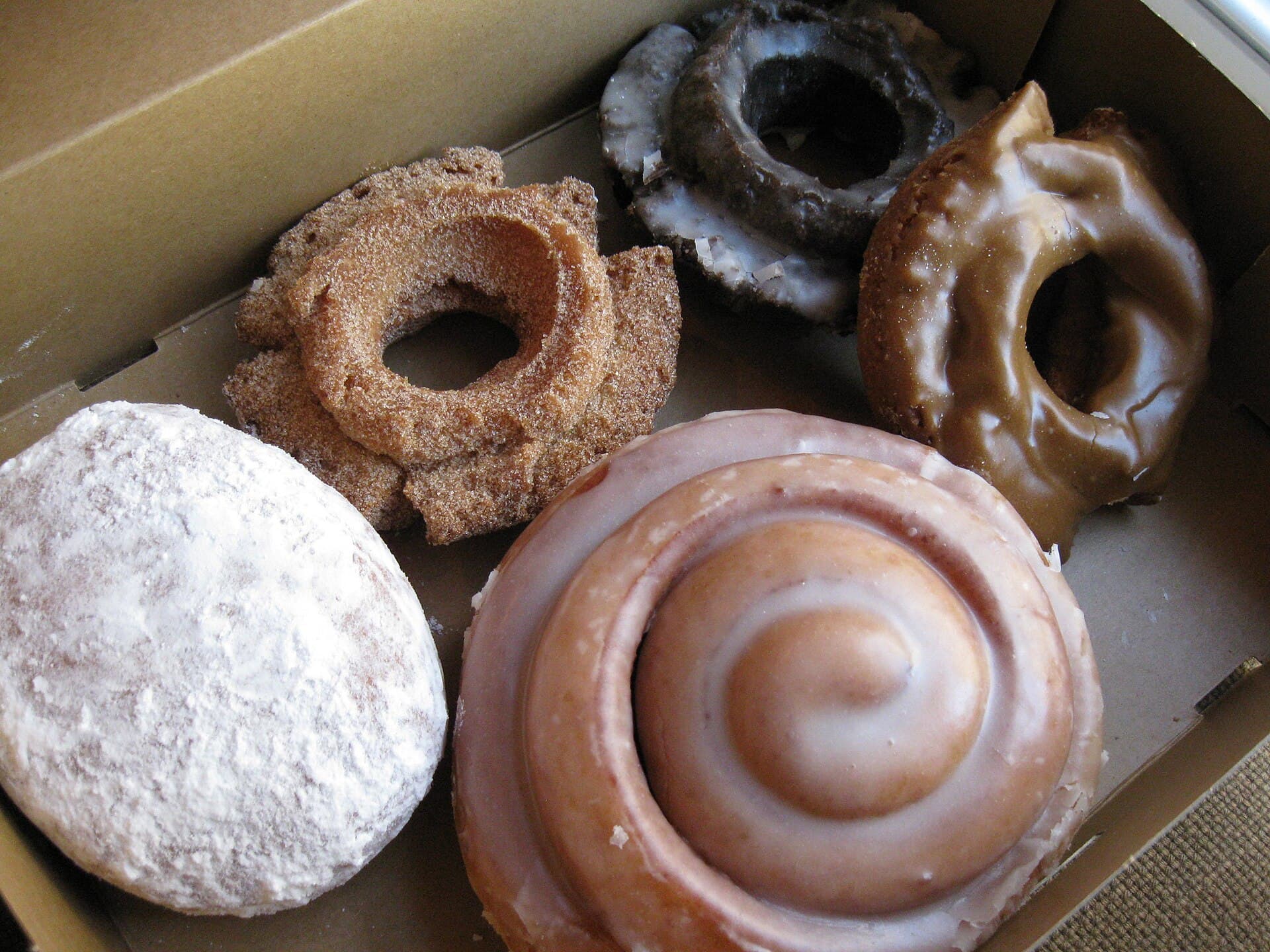
Doughnuts are a beloved American breakfast and snack originating from various immigrant influences, consisting of fried dough rings or balls coated in sugar or glaze. The recipe has evolved over centuries and become a cross-era staple with numerous regional variations.
1700s-present
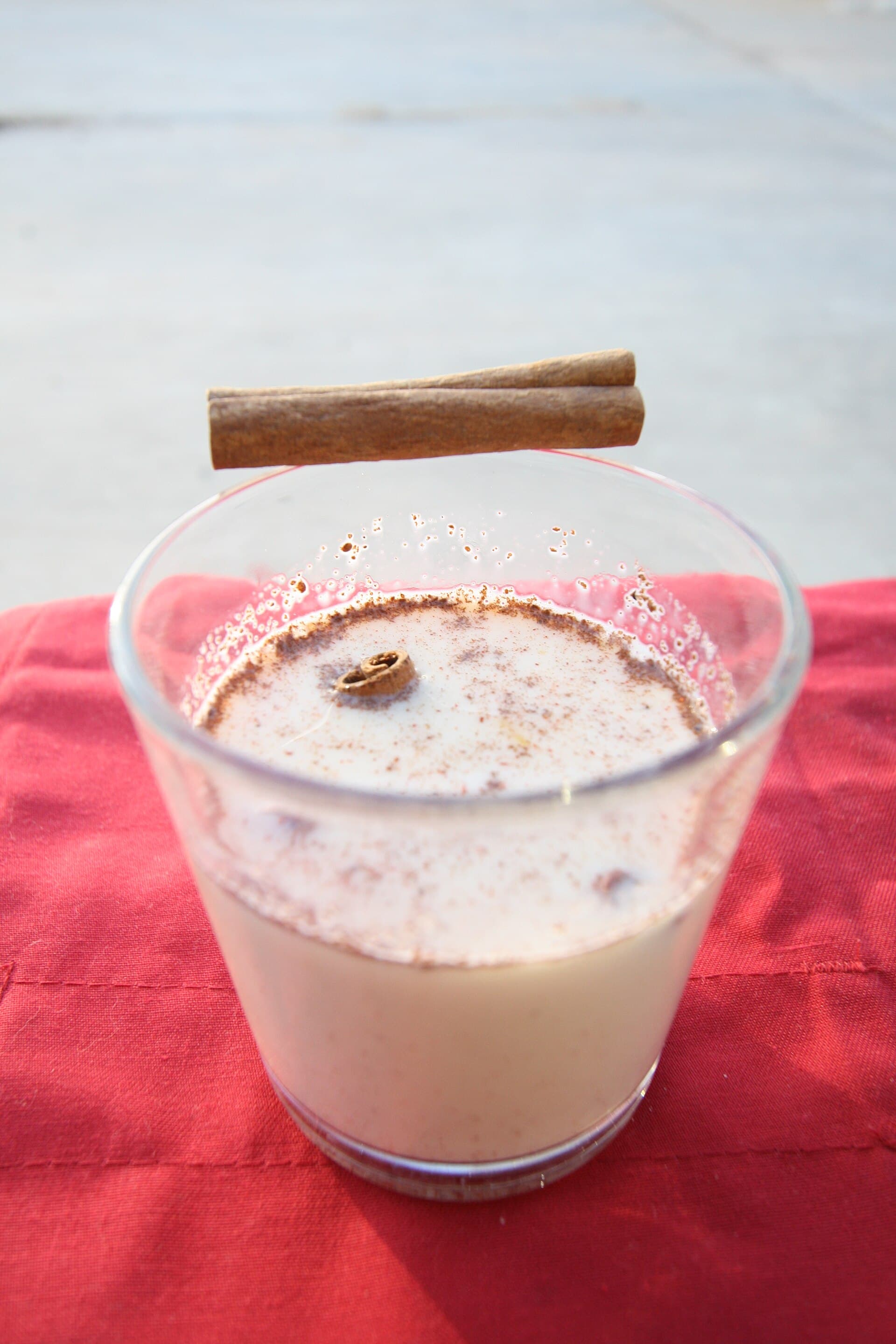
Eggnog is a rich, creamy holiday beverage made from milk or cream, beaten eggs, sugar, and often spiked with spirits such as brandy or rum. Served chilled, it is a festive treat deeply associated with Christmas celebrations across the United States, with colonial roots.
Same region
1700s-present
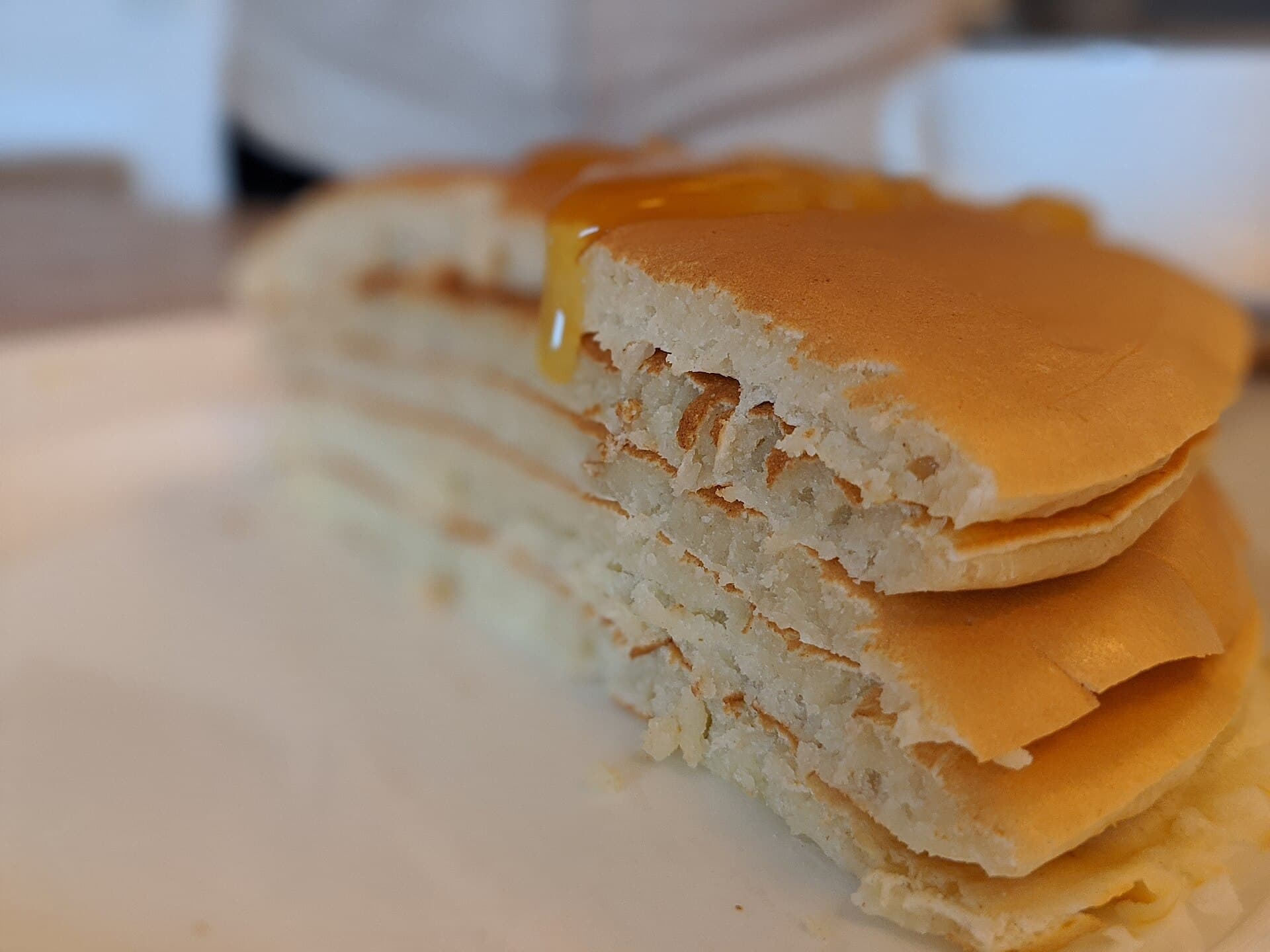
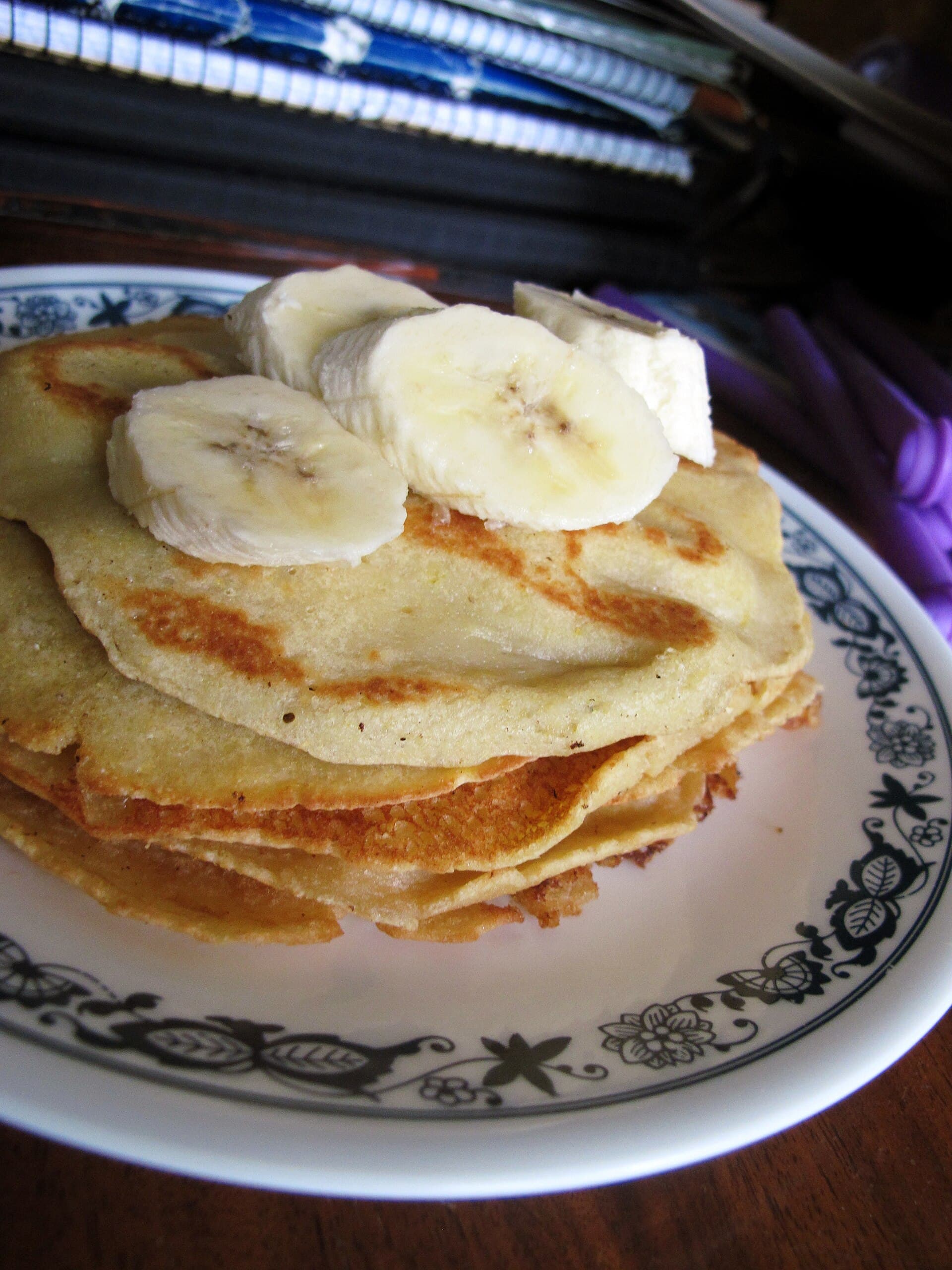
A tall stack of fluffy pancakes commonly served in American family restaurants and breakfast chains, often topped with butter, syrup, and sometimes fruit or whipped cream.
1700s-present
Pancakes are a quintessential American breakfast food consisting of flat, round cakes made from a simple batter of flour, eggs, milk, and leavening. They are typically cooked on a griddle and served with syrup, butter, or fruit toppings.
America's Melting Pot
Ash Cakes photo coming soon
1776-1800
A plain cornmeal-and-water ash cake inspired by Revolutionary-era field cooking, adapted for a skillet or campfire with salt and a little fat for modern eatability.
Same table
1700s-present
A tall stack of fluffy pancakes commonly served in American family restaurants and breakfast chains, often topped with butter, syrup, and sometimes fruit or whipped cream.
1700s-present
Pancakes are a quintessential American breakfast food consisting of flat, round cakes made from a simple batter of flour, eggs, milk, and leavening. They are typically cooked on a griddle and served with syrup, butter, or fruit toppings.
precontact-present
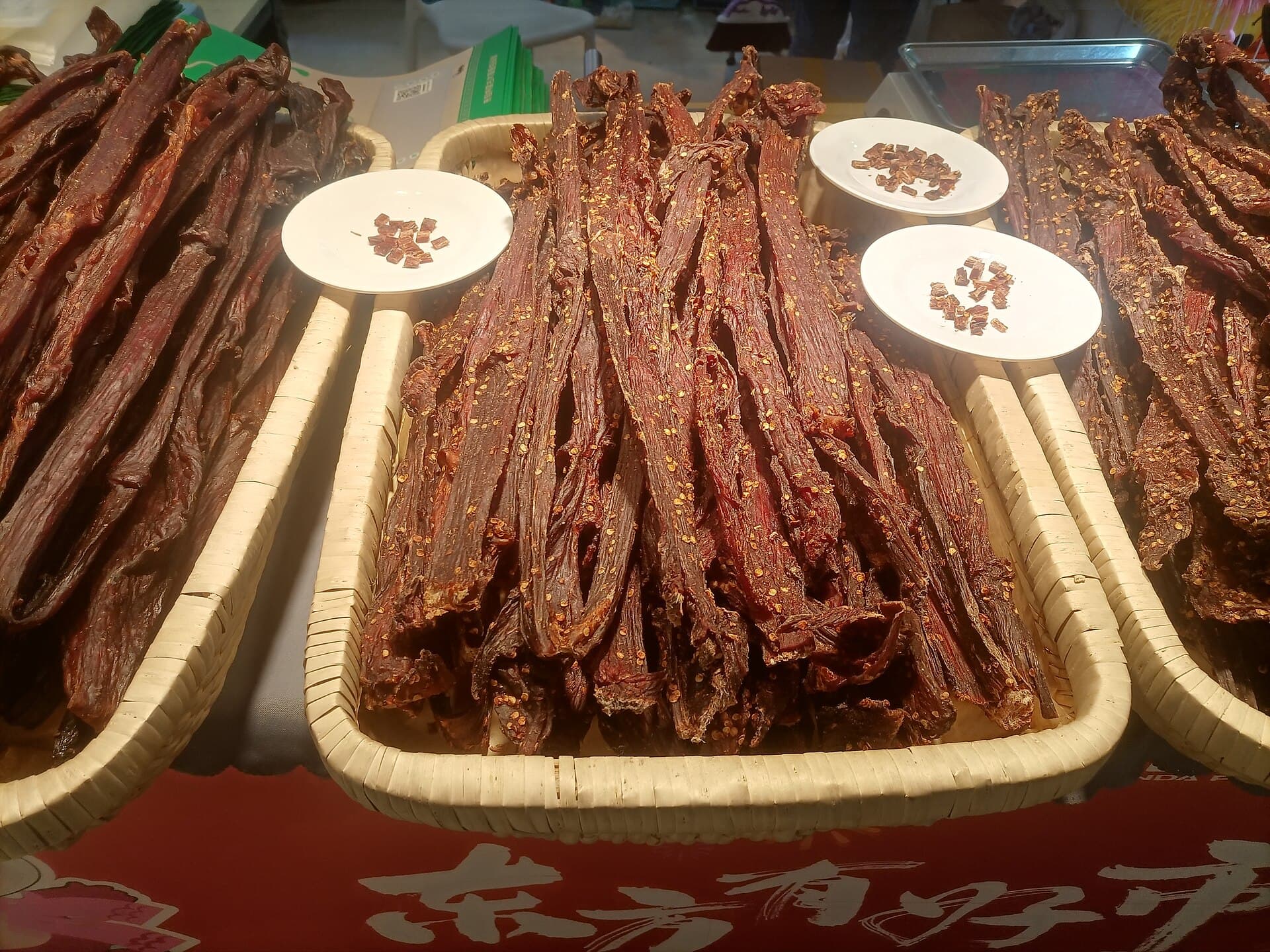
Jerky is preservation food before it is snack food. Indigenous drying traditions, pemmican, pioneer travel, soldiers, cowboys, and later road-trip convenience all helped make dried meat part of American food culture.