
Recipe archive
Loading
Setting the table...
Fetching the latest recipes from the archive.
Loading
Fetching the latest recipes from the archive.
Recipe archive
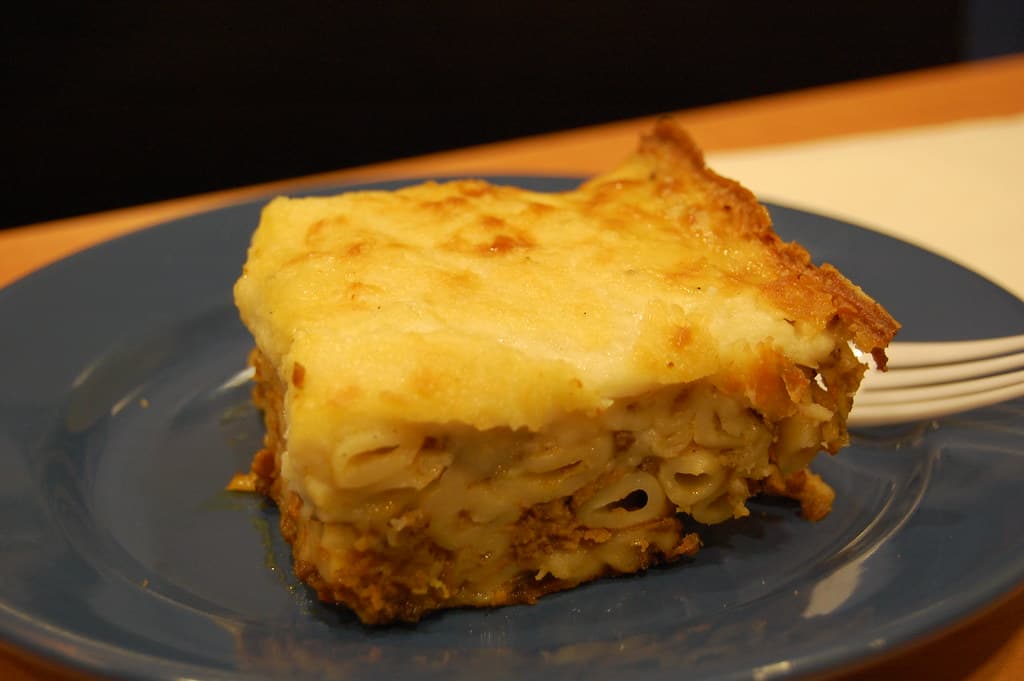
1900-1929 - Greek-American immigrant communities and lunch counter establishments
Pastitsio is a Greek-American comfort casserole featuring layers of pasta, seasoned ground meat, and bechamel sauce baked until golden. Popular in Greek immigrant communities, it reflects traditional Greek cuisine adapted in American diners and lunch counters.
Community-powered photos. Reviewers can upload dish photos, and the highest-rated community image may be featured here.
Difficulty
Medium
Prep time
30 minutes
Cook time
1 hour
Total time
1 hour 30 minutes
Servings
8 servings
Region
Greek American church, festival, and restaurant kitchens
Era introduced
1900-1929
Introduced by
Greek-American immigrant communities and lunch counter establishments
Recipe tools
Log in to save this recipe to a collection.
Greek immigrants brought pastitsio to the United States in the early 20th century, establishing it as a staple in diners and lunch counters serving Greek-American communities. The dish combines tubular pasta layered with seasoned ground beef or lamb and topped with creamy bechamel sauce, baked to a golden finish. It exemplifies the transfer and adaptation of regional Mediterranean comfort foods in the immigrant American culinary landscape.
Share family changes, regional twists, or pantry-friendly adaptations as full community recipes.
Log in to submit a community recipe.
No community recipes yet. Submitted recipes are published right away.
Rate this recipe and share how it worked at your table.
Log in to review this recipe.
No reviews yet. Be the first to rate this recipe.
Recipes matched by era, region, occasion, ingredients, and cultural roots from the archive.
Same era
America's Melting Pot
American French Dressing photo coming soon
1900s-present
American French Dressing is a dressing with real American table personality: The bright orange-red, sweet, tomatoey bottled dressing Americans call "French." Not very French, very American. It brings flavor from coast-to-coast American tables to cookouts, counters, lunch plates, potlucks, and weeknight suppers.
America's Melting Pot
Apple Pie Shake photo coming soon
1922-present
Apple Pie Shake brings drive-in, carhop, and fast-food dessert-counter energy to the table: Diner pie a la mode in a cup.
America's Melting Pot
Avgolemono Soup photo coming soon
1900-1929
A silky Greek-American chicken, rice, egg, and lemon soup made by tempering eggs into hot broth for a creamy dairy-free finish.
Same region
1900s-present
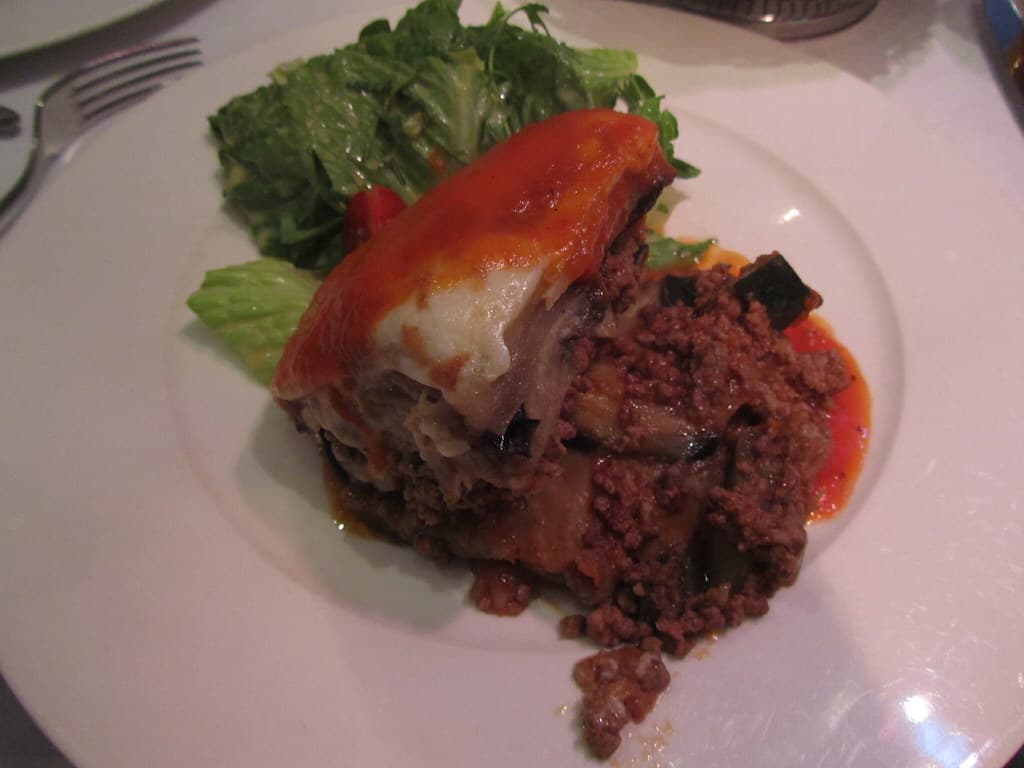
Moussaka is a layered casserole combining eggplant, ground meat, tomato sauce, and creamy bechamel, introduced to American diners by Greek immigrants in the early 20th century. It became popular in immigrant cities and lunch counters, blending Mediterranean traditions with American comfort food culture. This hearty dish is a hallmark of Greek-American cuisine and diner fare.
1900-2026
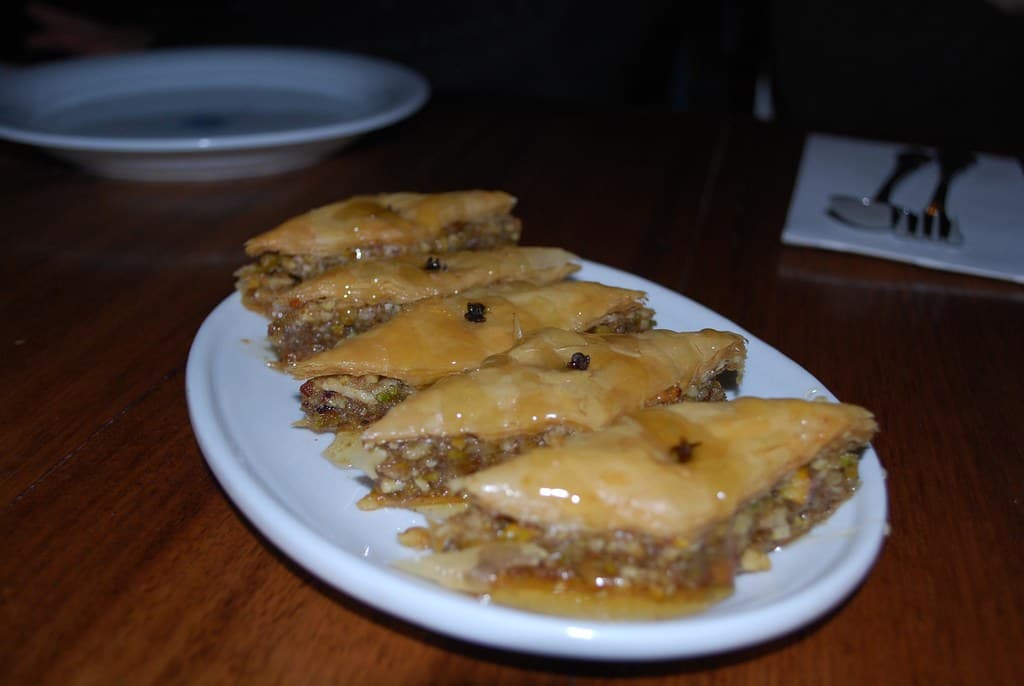
A Greek American-style baklava made with buttered phyllo, walnuts and pistachios, cinnamon, honey syrup, and lemon.
1900s-present
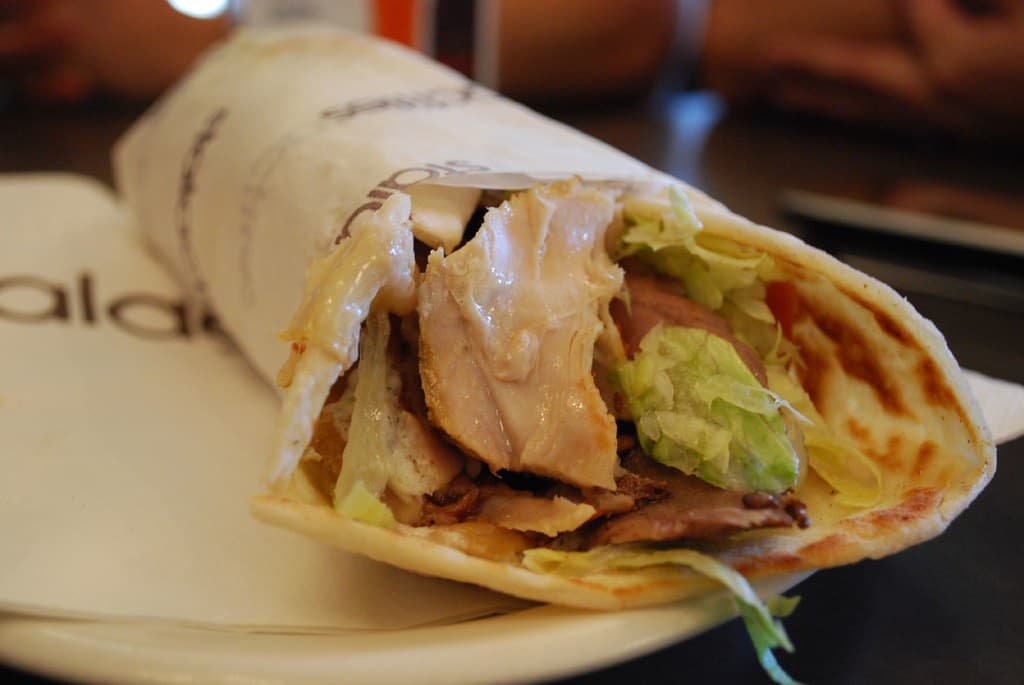
Souvlaki, a traditional Greek grilled meat skewer, became a popular American lunchtime dish during Greek immigration waves in the early 1900s. Commonly served in diners and food stands, it embodies both immigrant culinary traditions and American street food culture.
Same table
America's Melting Pot
Goulash, American Style photo coming soon
1946-1969
American-style goulash is a one-dish casserole combining ground beef, elbow macaroni, tomatoes, and cheese, popular in Midwestern households post-World War II. This comfort food version differs from traditional Hungarian goulash, emphasizing simplicity and affordability in home cooking during the mid-20th century.
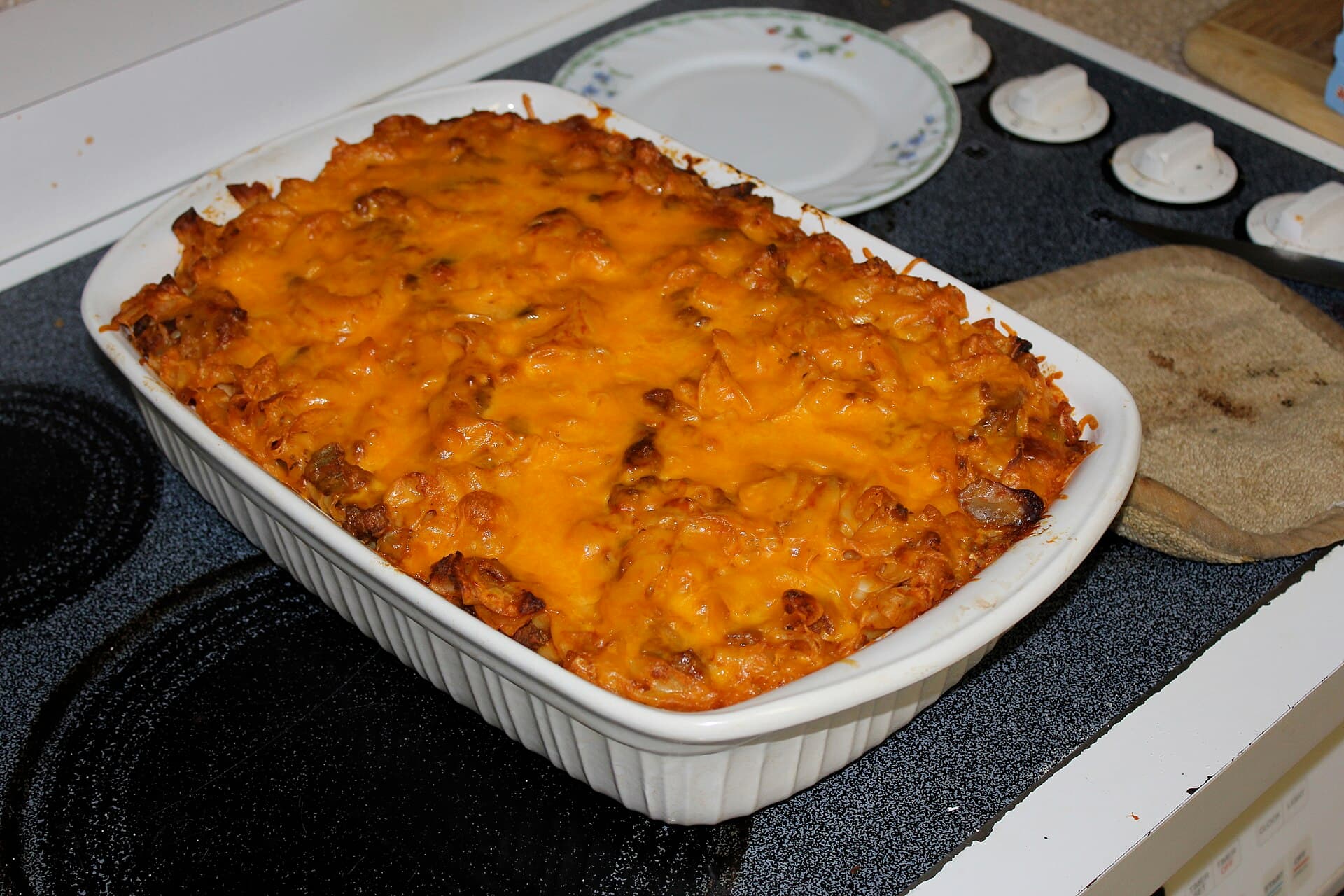
1946-1969
Johnny Marzetti is a comforting casserole originating in the Midwestern United States during the postwar era, combining pasta, ground beef, tomato sauce, and cheese. Popular in the decades following World War II, it reflects suburban family cooking focused on easy, satisfying one-dish meals that could feed a crowd.
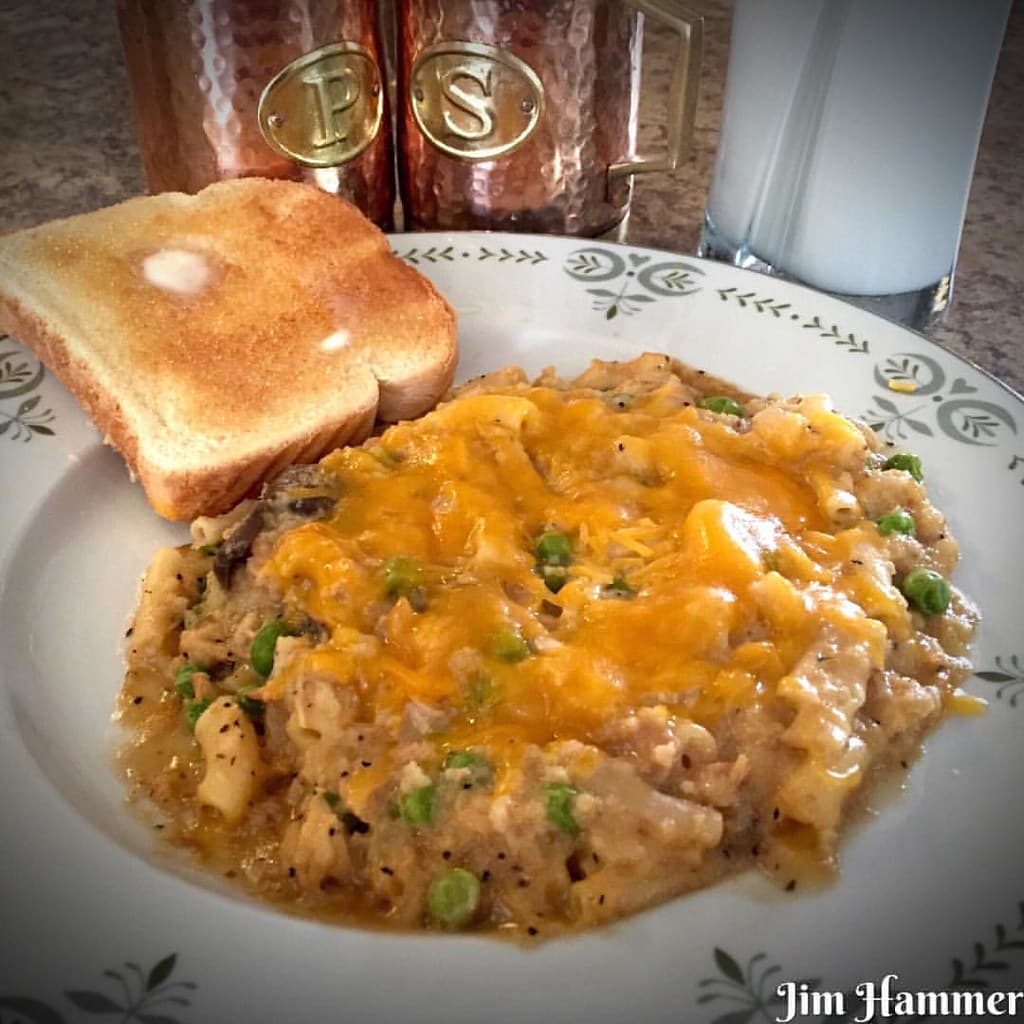
1930-1945
This tuna noodle casserole became a staple during the Great Depression and World War II, leveraging shelf-stable ingredients for affordable, nourishing meals. It reflects Midwestern home cooking traditions and the practicality of wartime and church dinner menus.