
Recipe archive
Loading
Setting the table...
Fetching the latest recipes from the archive.
Loading
Fetching the latest recipes from the archive.
Recipe archive
America's Melting Pot
Pickled Cucumbers hero image coming soon
1776-1800 - Colonial American household cooks applying preservation methods.
Pickled cucumbers were a staple preserved vegetable in 18th-century America, providing a crunchy, tangy side to meals during winter months. This recipe and method reflect early American preservation techniques combining vinegar, spices, and salt.
No featured photo yet. Upload a photo with your review. The highest-rated community photo may become this recipe's hero image.
Difficulty
Easy
Prep time
15 minutes
Cook time
10 minutes
Total time
25 minutes plus pickling time
Servings
8 servings
Region
Colonial Mid-Atlantic and New England pickling kitchens
Era introduced
1776-1800
Introduced by
Colonial American household cooks applying preservation methods.
Recipe tools
Log in to save this recipe to a collection.
Preserving cucumbers through pickling was a common way for American families in the Revolutionary era to enjoy fresh flavors beyond the growing season. Pickled cucumbers added brightness and crunch to meals in a time before refrigeration, reflecting early American ingenuity in food preservation and simple household techniques.
Share family changes, regional twists, or pantry-friendly adaptations as full community recipes.
Log in to submit a community recipe.
No community recipes yet. Submitted recipes are published right away.
Rate this recipe and share how it worked at your table.
Log in to review this recipe.
No reviews yet. Be the first to rate this recipe.
Recipes matched by era, region, occasion, ingredients, and cultural roots from the archive.
Same era
America's Melting Pot
Deviled Egg Filling photo coming soon
1700s-present
Deviled Egg Filling is a spread with real American table personality: Not exactly a sauce, but a condiment-like American picnic food. It brings flavor from coast-to-coast American tables to cookouts, counters, lunch plates, potlucks, and weeknight suppers.
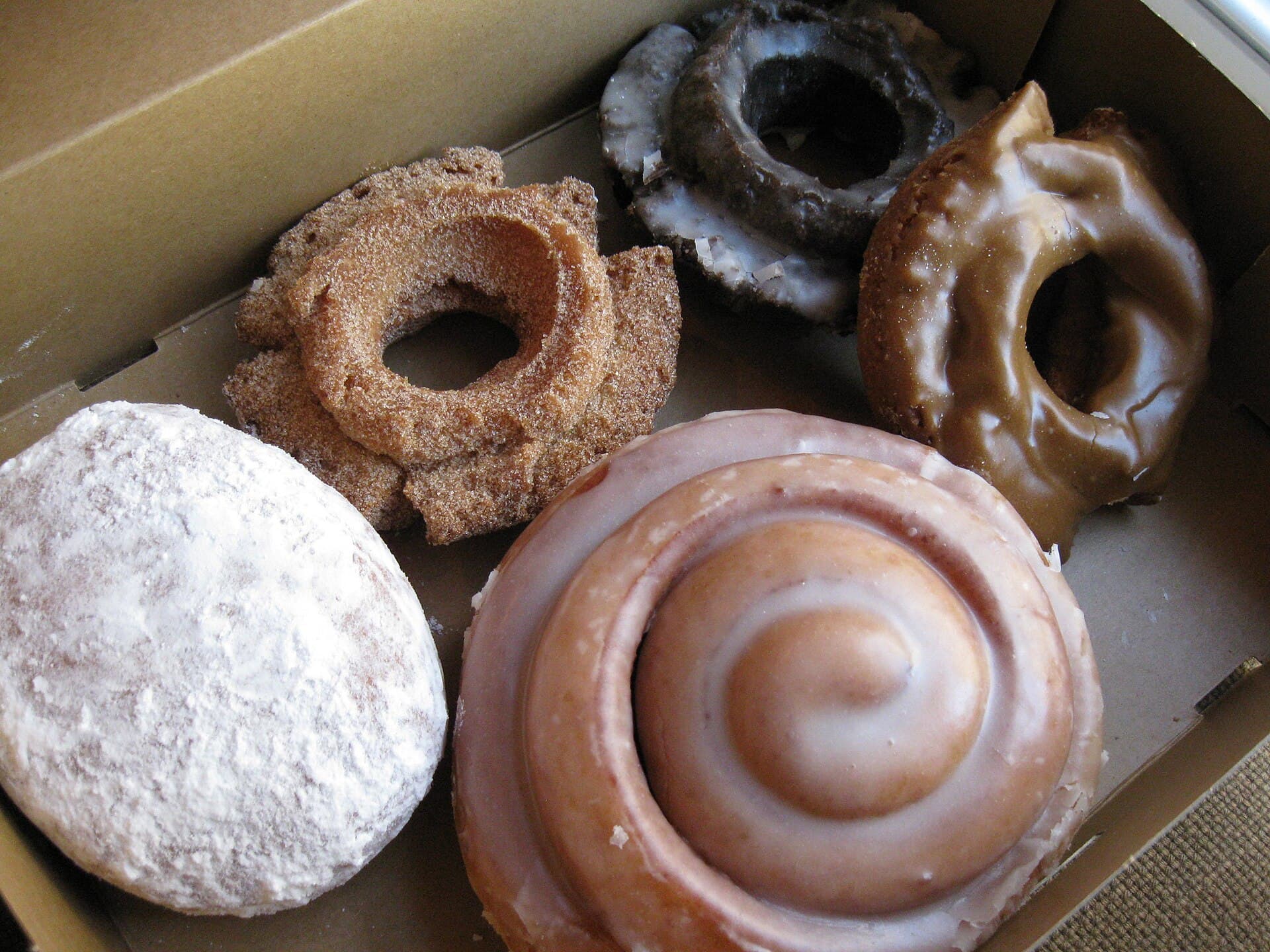
1700s-1800s
Doughnuts are a beloved American breakfast and snack originating from various immigrant influences, consisting of fried dough rings or balls coated in sugar or glaze. The recipe has evolved over centuries and become a cross-era staple with numerous regional variations.
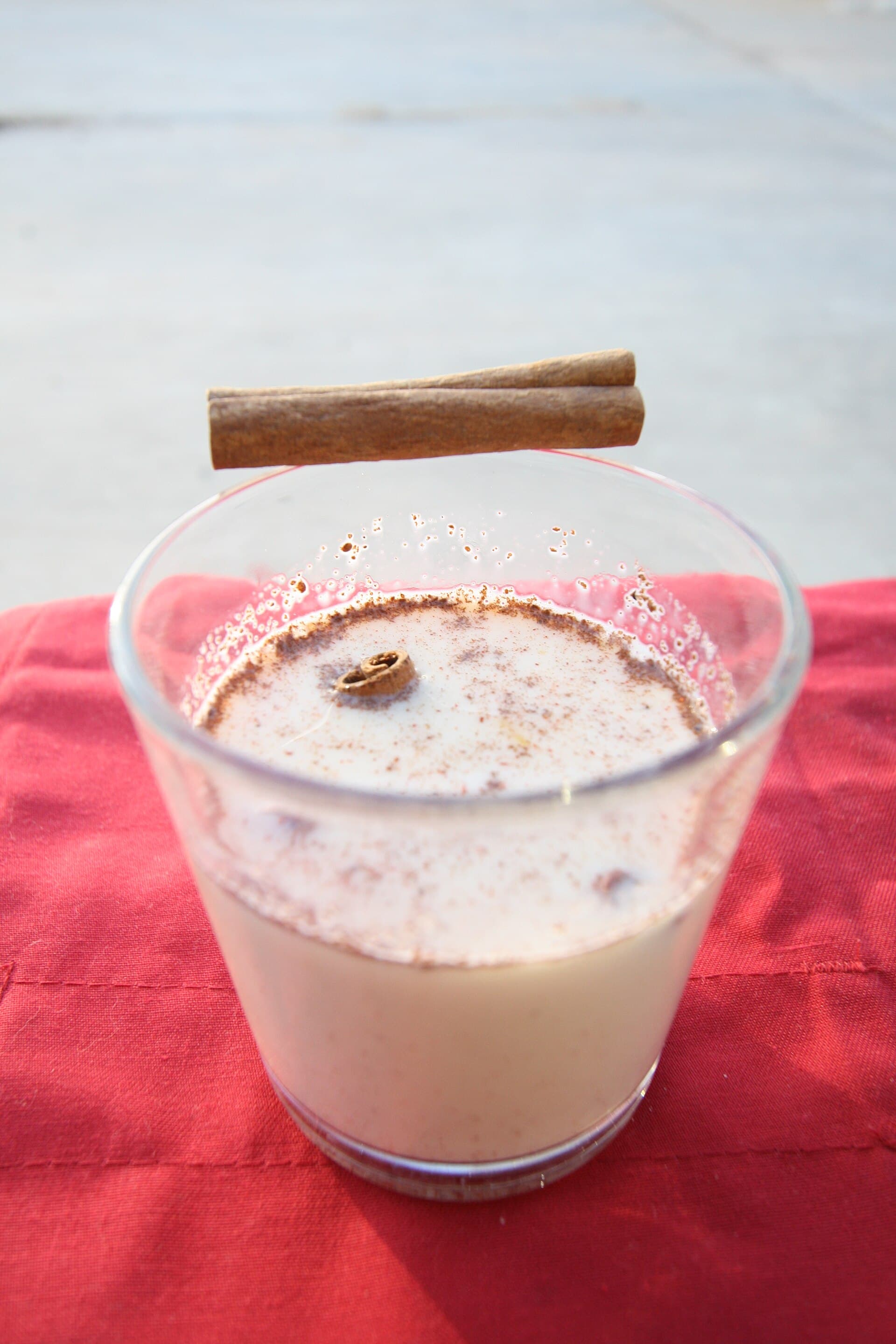
1700s-present
Eggnog is a rich, creamy holiday beverage made from milk or cream, beaten eggs, sugar, and often spiked with spirits such as brandy or rum. Served chilled, it is a festive treat deeply associated with Christmas celebrations across the United States, with colonial roots.
Same region
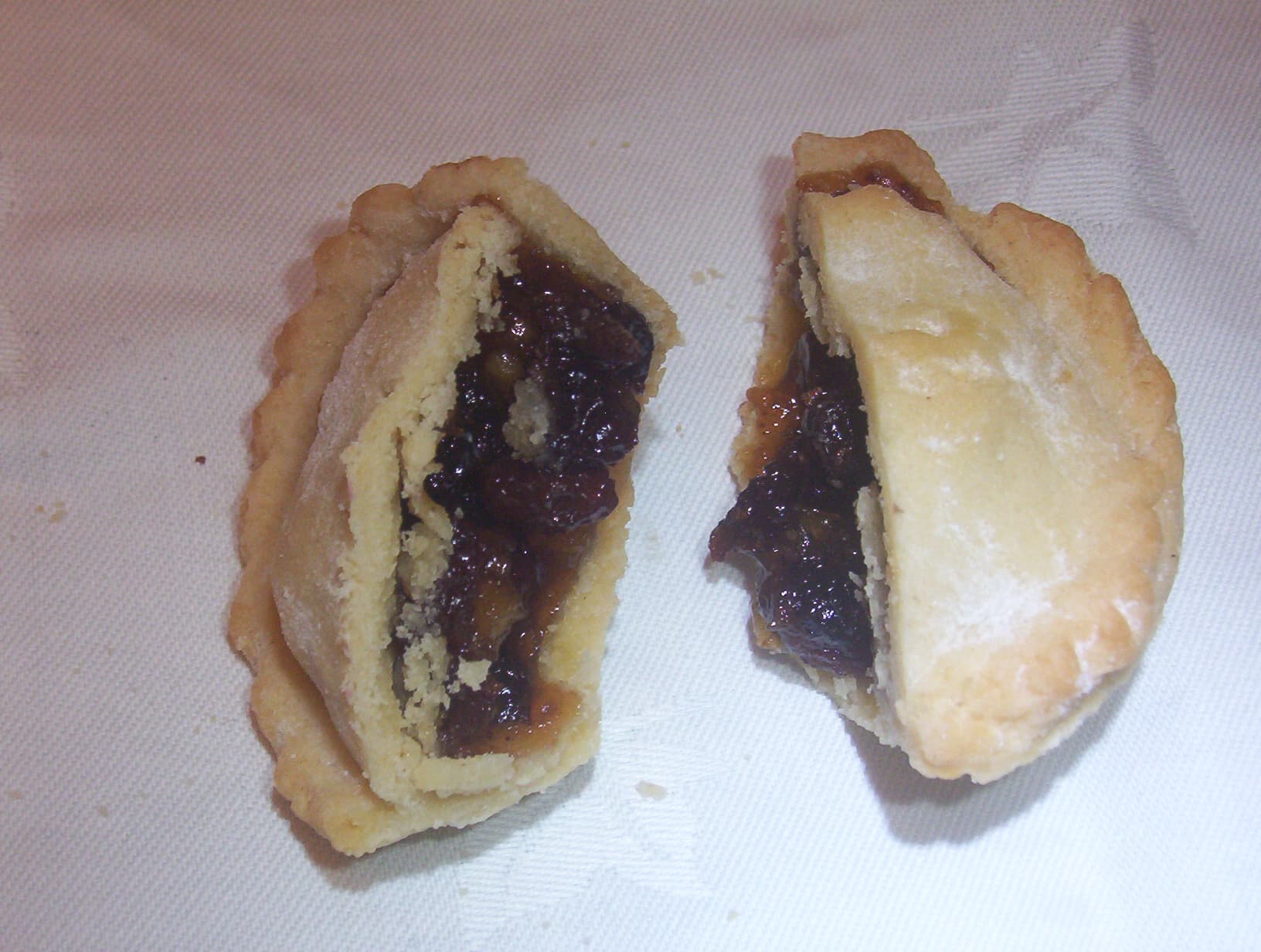
1700s-present
Mince pie is a small, rich pastry filled with spiced dried fruits, suet, and sometimes minced meat, traditionally served during the late 18th century in America. The recipe captures colonial American tastes influenced by English baking customs during the Revolutionary era.
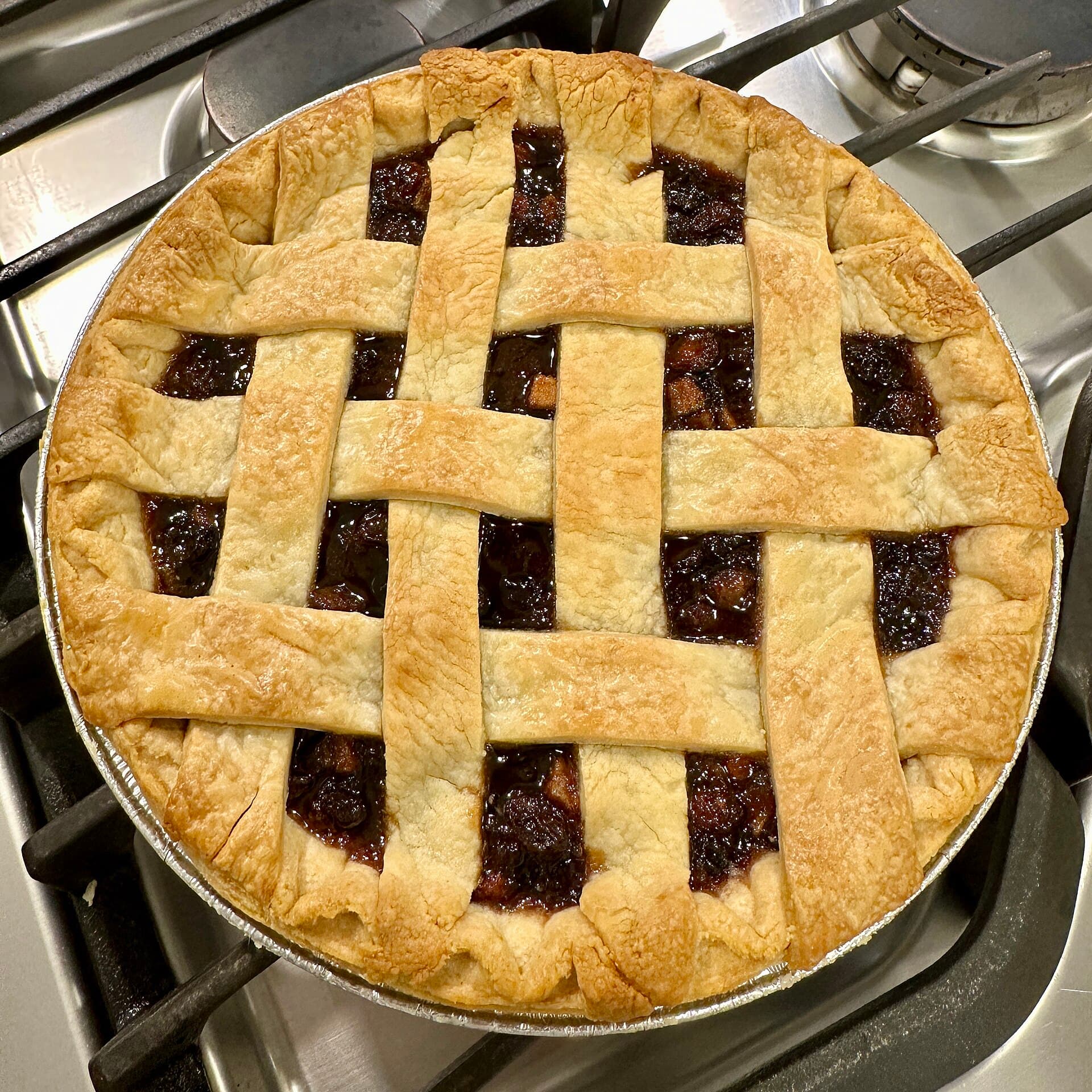
1700s-present
Mincemeat pie is a classic American dessert featuring a spiced filling of chopped dried fruits, suet or beef fat, and sometimes minced meat, enclosed in a flaky pastry crust. Historically enjoyed during Thanksgiving and holiday seasons, it blends English colonial heritage with American ingredients.
America's Melting Pot
Pease Porridge photo coming soon
1700s-1800s
Pease porridge is a thick, savory dish made from dried peas, commonly eaten in late 18th-century America. It was a nourishing, economical staple during the Revolutionary period, reflecting colonial cooking traditions and available ingredients.
Same table
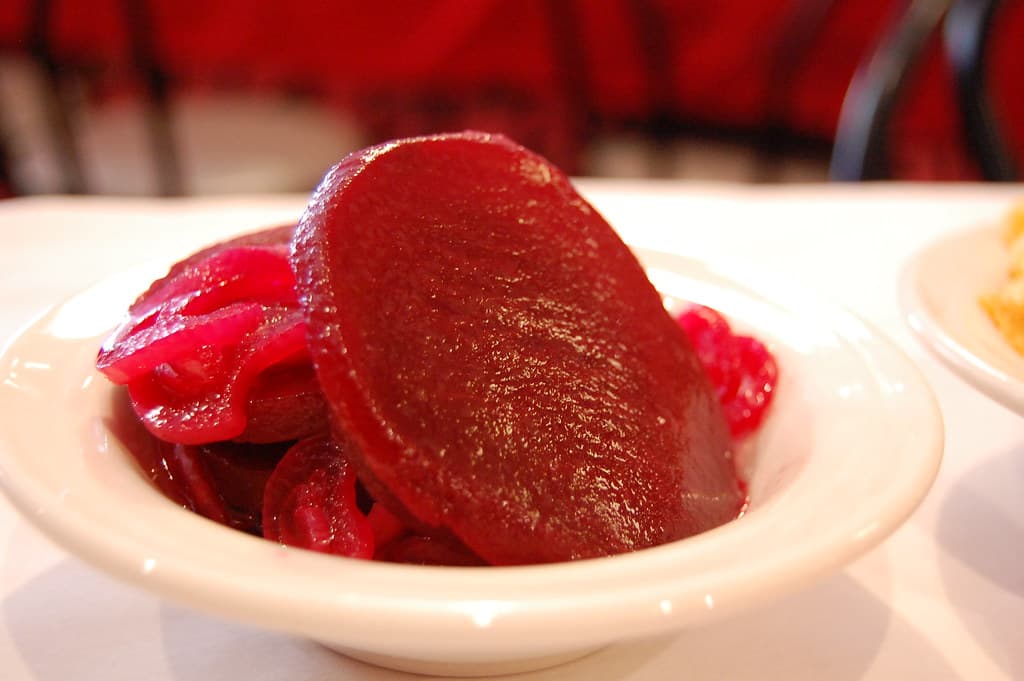
1700s-present
Pickled beets are a preserved vegetable side dish common in late 18th-century America. Offering earthy sweetness balanced with vinegar tang, they were a way to extend the harvest and enliven the winter table.
America's Melting Pot
Pickled Fish photo coming soon
1600s-present
Pickled fish were a common preservation method in late 18th-century America, allowing communities to enjoy fish long after catch. The preserved fish combine vinegar and spices to create a tangy side, reflective of colonial foodways.
America's Melting Pot
Salt Pork and Beans photo coming soon
1700s-present
Salt pork and beans is a traditional side dish combining salted cured pork and beans slow-cooked together. Common in American Revolutionary-era cooking, it provided preserved protein and starch with minimal fresh ingredients, often in military or frontier contexts.