
Recipe archive
Loading
Setting the table...
Fetching the latest recipes from the archive.
Loading
Fetching the latest recipes from the archive.
Recipe archive
America's Melting Pot
Pickled Fish hero image coming soon
Before 1776 - Colonial American coastal communities and household cooks.
Pickled fish were a common preservation method in late 18th-century America, allowing communities to enjoy fish long after catch. The preserved fish combine vinegar and spices to create a tangy side, reflective of colonial foodways.
No featured photo yet. Upload a photo with your review. The highest-rated community photo may become this recipe's hero image.
Difficulty
Medium
Prep time
20 minutes
Cook time
15 minutes
Total time
35 minutes plus marinating
Servings
6 servings
Region
New England and Mid-Atlantic fishing-port preservation kitchens
Era introduced
Before 1776
Introduced by
Colonial American coastal communities and household cooks.
Recipe tools
Log in to save this recipe to a collection.
In Revolutionary-era America, pickled fish was a practical way to extend the shelf life of catch, especially in coastal communities where fish was abundant. Vinegar, spices, and sometimes aromatics preserved the fish and added bright flavor to otherwise heavy diets. This recipe evokes early American coastal preservation techniques and the blending of available resources.
Share family changes, regional twists, or pantry-friendly adaptations as full community recipes.
Log in to submit a community recipe.
No community recipes yet. Submitted recipes are published right away.
Rate this recipe and share how it worked at your table.
Log in to review this recipe.
No reviews yet. Be the first to rate this recipe.
Recipes matched by era, region, occasion, ingredients, and cultural roots from the archive.
Same era
America's Melting Pot
Coleslaw photo coming soon
1600s-present
Coleslaw is a popular American salad made from shredded cabbage and carrots tossed in a creamy mayonnaise-based dressing. It became widespread in the postwar period as a favorite side for barbecues, picnics, and holidays such as the Fourth of July. Refreshing and versatile, coleslaw complements grilled meats and sandwiches in American backyard dining traditions.
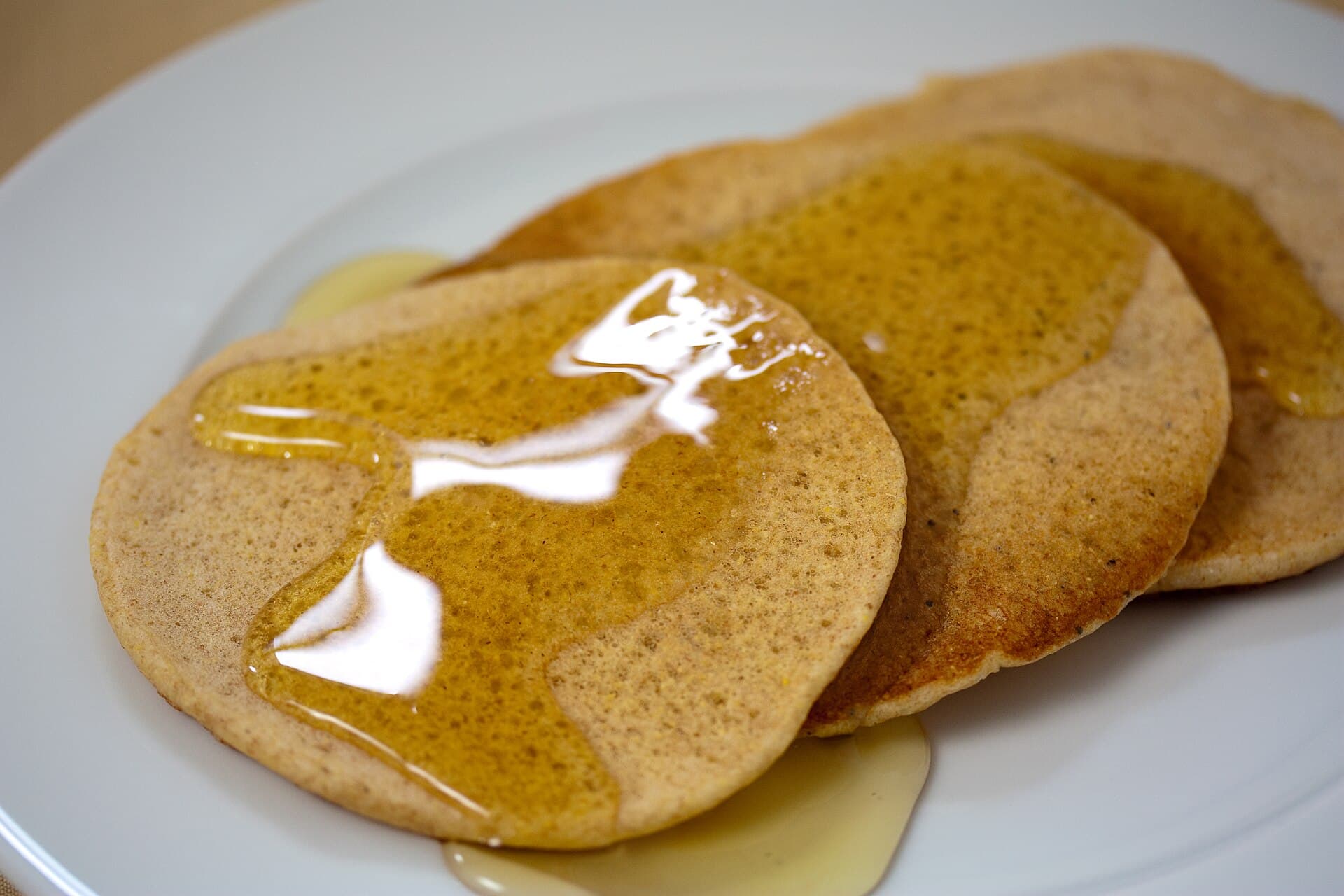
1600s-present
Cornmeal pancakes were a practical and hearty breakfast staple during the Depression and Dust Bowl years, offering an affordable, nourishing start to the day in rural and urban kitchens alike. Using simple pantry staples like cornmeal and flour, these pancakes sustained families through hard economic times and food shortages.
America's Melting Pot
Country Ham and Eggs photo coming soon
1607/1700s-present
A traditional Southern breakfast featuring salty country ham paired with perfectly cooked eggs. This dish reflects rural American morning fare, combining hearty protein with simple preparation for an energizing start to the day.
Same region
America's Melting Pot
Canned Oyster Stew photo coming soon
1860-2026
Oyster stew has long been part of American coastal, holiday, and Lenten cooking. Canned oysters made the dish possible far from oyster beds and useful for military, railroad, boardinghouse, and pantry meals.
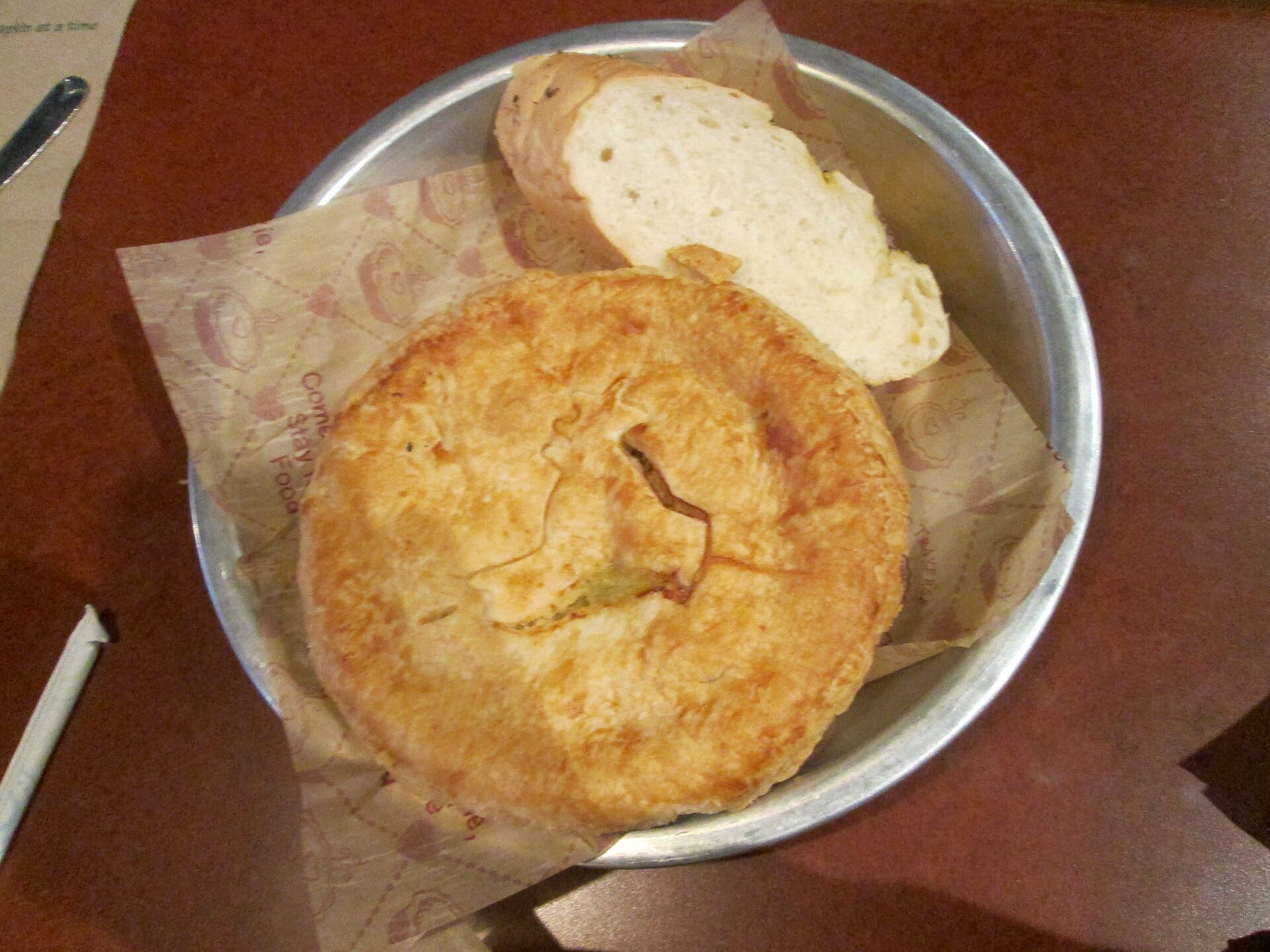
1800-1860
Chicken Pot Pie is a savory dish of chicken and vegetables enveloped in a flaky pastry crust. Emerging in New England and the Mid-Atlantic between 1800 and 1860, it provided a filling meal emphasizing local ingredients and baking traditions, symbolizing comfort food during early American settlement and immigration periods.
America's Melting Pot
Fried Oysters photo coming soon
1700s-present
Fried oysters are oysters breaded or battered and pan-fried or deep-fried until crispy. A popular dish in the late 18th century, fried oysters were enjoyed as a fresh, flavorful way to prepare abundant coastal seafood during the Revolutionary era.
Same table
America's Melting Pot
Codfish Cakes photo coming soon
1776-1800
Codfish cakes are a traditional dish featuring salted cod blended with potatoes and seasonings, then fried to golden perfection. Reminiscent of early American coastal cooking around the Revolutionary period, these patties were a practical and flavorful way to enjoy preserved fish.
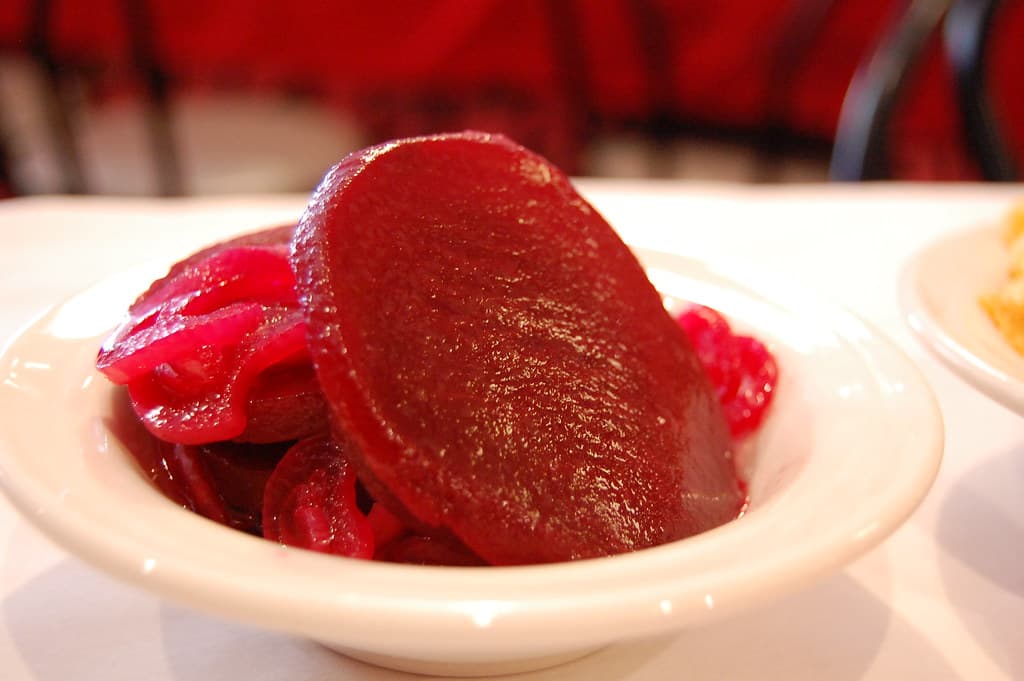
1700s-present
Pickled beets are a preserved vegetable side dish common in late 18th-century America. Offering earthy sweetness balanced with vinegar tang, they were a way to extend the harvest and enliven the winter table.
America's Melting Pot
Pickled Cucumbers photo coming soon
1700s-present
Pickled cucumbers were a staple preserved vegetable in 18th-century America, providing a crunchy, tangy side to meals during winter months. This recipe and method reflect early American preservation techniques combining vinegar, spices, and salt.