
Recipe archive
Loading
Setting the table...
Fetching the latest recipes from the archive.
Loading
Fetching the latest recipes from the archive.
Recipe archive
America's Melting Pot
Poke Sallet hero image coming soon
1800-1860 - Appalachian and Hawaiian communities historically familiar with foraged greens traditions.
Poke Sallet is a historic blend of raw chopped greens and light dressings, linked both to Hawaiian poke traditions and Appalachian foraged vegetable salads during early 19th century America.
No featured photo yet. Upload a photo with your review. The highest-rated community photo may become this recipe's hero image.
Difficulty
Medium
Prep time
25 minutes
Cook time
0 minutes
Total time
25 minutes
Servings
4
Region
Appalachia, Hawaii
Era introduced
1800-1860
Introduced by
Appalachian and Hawaiian communities historically familiar with foraged greens traditions.
Recipe tools
Log in to save this recipe to a collection.
Poke Sallet refers to a traditional dish which emphasizes fresh, raw greens and herbs, dressed simply to highlight natural flavors. In Hawaii, poke's meaning includes raw seafood preparations, but related leafy greens salads-often featuring foraged or seasonal greens-are also part of early regional diets. Similarly, Appalachian communities nurtured poke sallet as a springtime dish combining wild plants with basic dressings in the 1800-1860 period. The term 'poke' thus bridges distinct regional eating habits tied by simplicity, seasonality, and fresh ingredients.
Share family changes, regional twists, or pantry-friendly adaptations as full community recipes.
Log in to submit a community recipe.
No community recipes yet. Submitted recipes are published right away.
Rate this recipe and share how it worked at your table.
Log in to review this recipe.
No reviews yet. Be the first to rate this recipe.
Recipes matched by era, region, occasion, ingredients, and cultural roots from the archive.
Same era
America's Melting Pot
Acorn Bread photo coming soon
1800-1860
A nutty, lightly sweet quick bread made with properly leached acorn flour, cornmeal, and wheat flour.
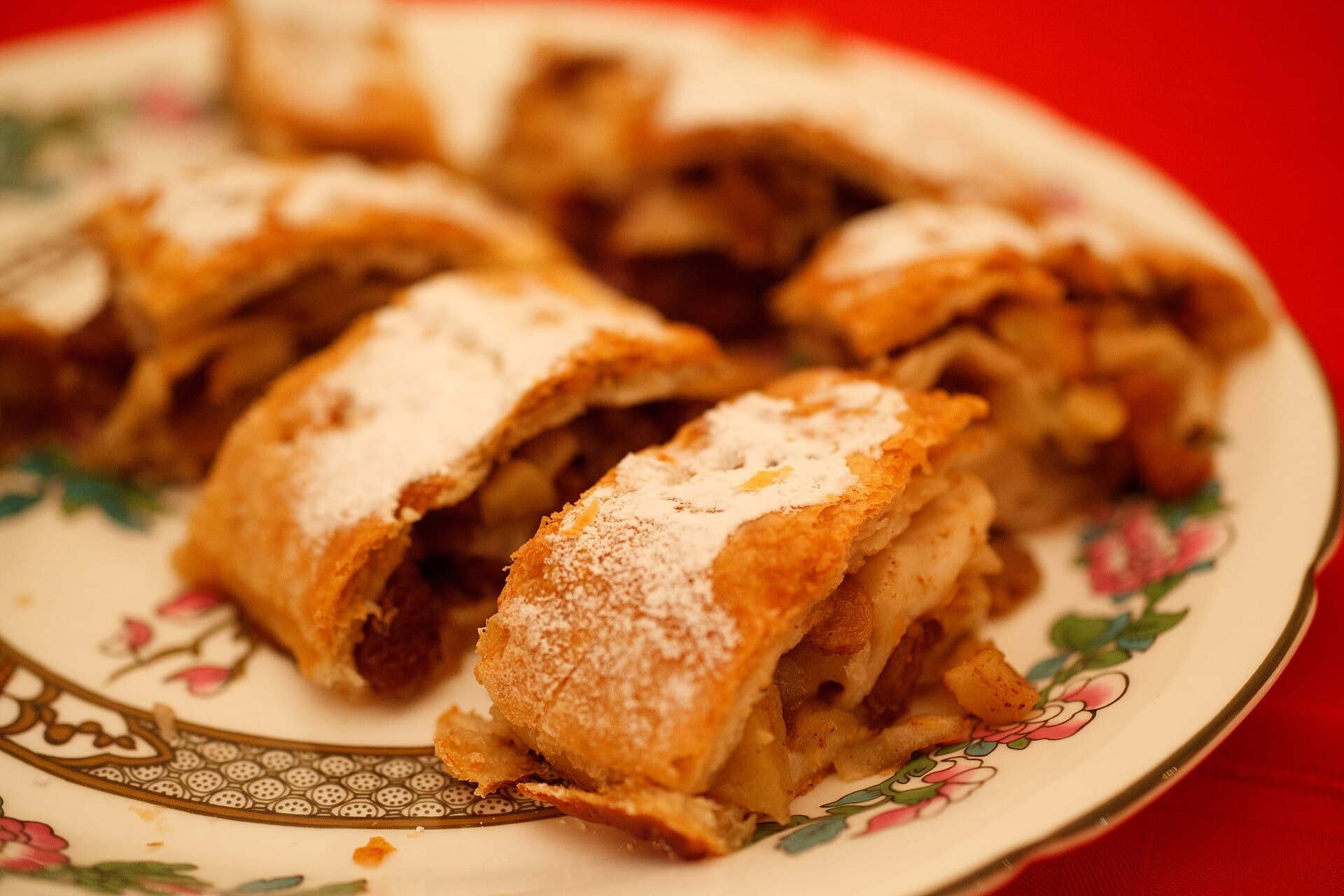
1800-1860
A German-American apple strudel made with crisp apples, raisins, cinnamon, buttered crumbs, and flaky phyllo for a practical home version of a Central European pastry.
America's Melting Pot
Asparagus photo coming soon
1800s/early 1900s-present
A bright American Easter asparagus side, quickly cooked and dressed with lemon butter, herbs, and hard-cooked egg in the spirit of old spring-table recipes.
Same region
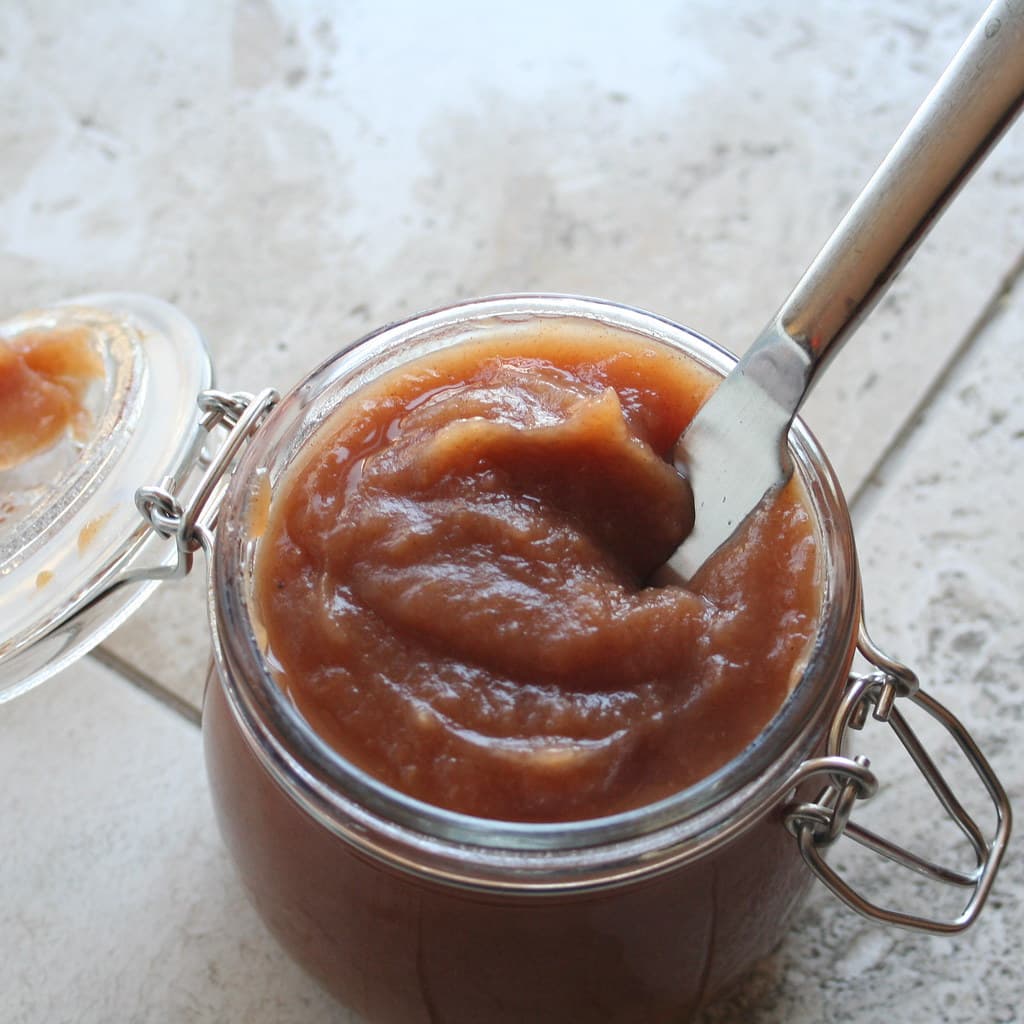
1700s-present
Apples cooked down with cider, sugar, and warm spices into a dark, spreadable fruit butter.
America's Melting Pot
Apple Butter on Biscuits photo coming soon
1700s-present
Warm buttermilk biscuits split and served with butter and spiced apple butter.
America's Melting Pot
Bacon Dressing / Hot Bacon Dressing photo coming soon
1800s-present
Bacon Dressing / Hot Bacon Dressing is a dressing with real American table personality: Pennsylvania Dutch and Midwestern spinach salad dressing. It brings flavor from Appalachia and Pennsylvania Dutch country to cookouts, counters, lunch plates, potlucks, and weeknight suppers.
Same table
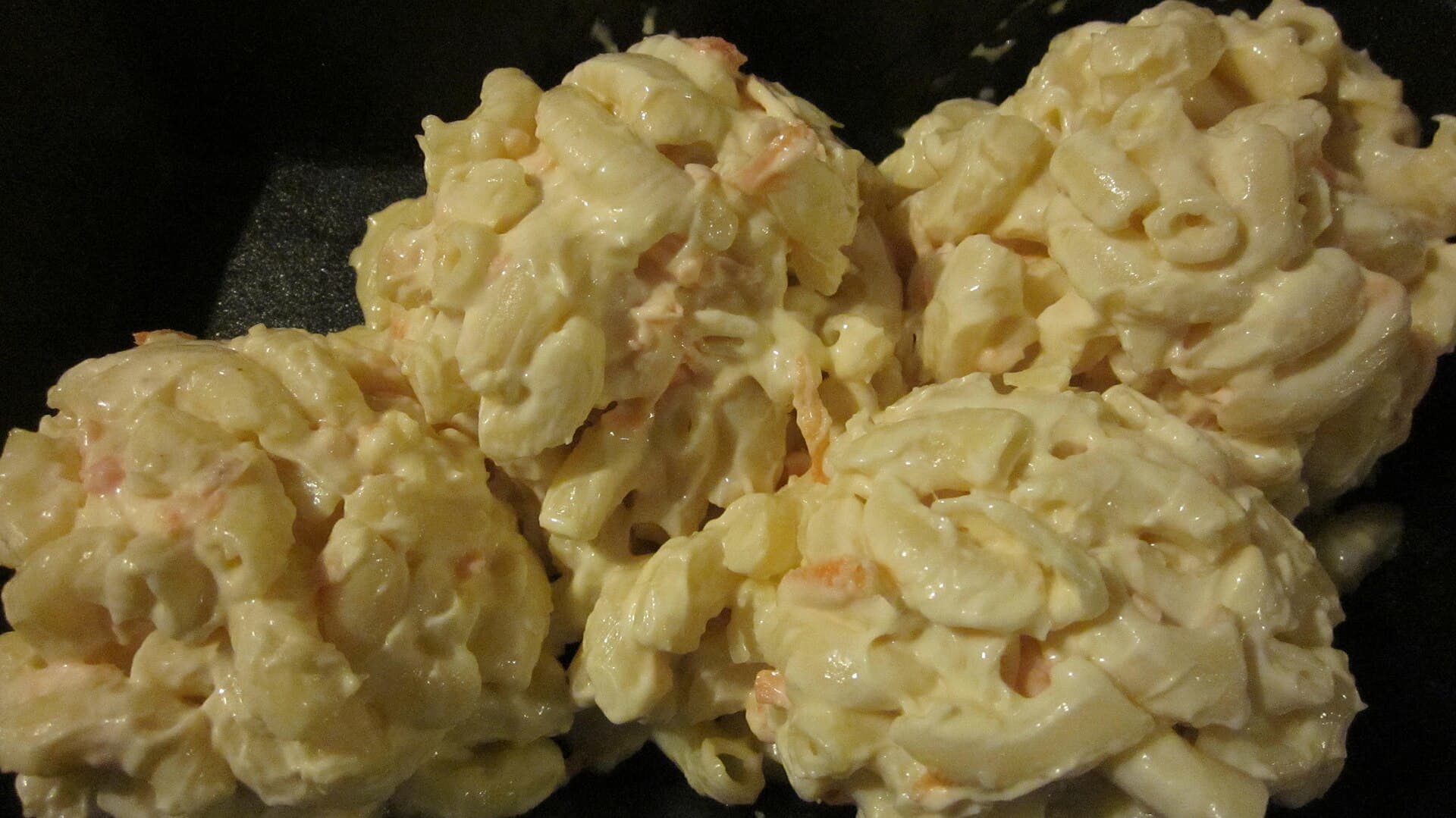
1900-1929
Macaroni salad is an essential side dish in Hawaii's multicultural cuisine, blending Asian-Pacific, Hawaiian, and Portuguese influences. Served at school functions, churches, and state fairs, it features tender macaroni with creamy mayonnaise dressing and subtle seasonings, making it a refreshing accompaniment for various Hawaiian meals and celebrations.
America's Melting Pot
Hawaiian Plate Lunch photo coming soon
2010-2026
The Hawaiian plate lunch is a popular meal combining rice, macaroni salad, and a main protein such as teriyaki chicken or kalua pork. It embodies Hawaii's multicultural culinary influences and is a favored casual dining staple in contemporary Hawaiian food culture.
America's Melting Pot
Dandelion Salad photo coming soon
1930s-present
During the Great Depression era, home cooks turned to foraging and victory gardens for nutritious ingredients. The dandelion salad utilizes wild dandelion greens, dressed simply to provide a fresh, slightly bitter salad reflecting the resourcefulness of 1930s and 1940s American kitchens.