
Recipe archive
Loading
Setting the table...
Fetching the latest recipes from the archive.
Loading
Fetching the latest recipes from the archive.
Recipe archive
America's Melting Pot
Mayonnaise Cake hero image coming soon
1930-1945 - American home bakers during the Great Depression and wartime kitchens
A simple and moist chocolate cake using mayonnaise as a substitute for eggs and butter. Popular during the Great Depression when traditional baking ingredients were scarce or expensive.
No featured photo yet. Upload a photo with your review. The highest-rated community photo may become this recipe's hero image.
Difficulty
Medium
Prep time
15 minutes
Cook time
30 minutes
Total time
45 minutes
Servings
8 servings
Region
Oakland print kitchens and Hellmann's/Best Foods wartime home baking
Era introduced
1930-1945
Introduced by
American home bakers during the Great Depression and wartime kitchens
Recipe tools
Log in to save this recipe to a collection.
Mayonnaise cake became popular during the Great Depression in the 1930s and 1940s, as American cooks sought ways to bake delicious cakes without eggs or butter, which were sometimes in short supply. Mayonnaise, composed mainly of oil and eggs, served as a clever ingredient substitute creating moist, tender cakes. Chocolate mayonnaise cakes emerged as an economical dessert that could satisfy sweet cravings while fitting tight household budgets and rationing conditions on the home front during wartime.
Share family changes, regional twists, or pantry-friendly adaptations as full community recipes.
Log in to submit a community recipe.
No community recipes yet. Submitted recipes are published right away.
Rate this recipe and share how it worked at your table.
Log in to review this recipe.
No reviews yet. Be the first to rate this recipe.
Recipes matched by era, region, occasion, ingredients, and cultural roots from the archive.
Same era
America's Melting Pot
Army Chili photo coming soon
1930-1945
A practical ground-beef chili with beans, tomatoes, onion, chili powder, cumin, and paprika, adapted from Armed Forces chili con carne formulas for a family pot.
America's Melting Pot
Chicken Noodle Soup photo coming soon
1934-present
Chicken Noodle Soup is a comforting one-pot dish made by simmering chicken, vegetables, broth, and egg noodles into a nourishing soup. A staple across American kitchens for generations, it highlights simplicity, warmth, and adaptability in soups and stews throughout the country's culinary evolution.
America's Melting Pot
Chocolate Cake for a Crowd photo coming soon
1930s-1945
Chocolate Cake for a Crowd is a dessert designed to serve many people economically during the Depression and World War II eras (1930-1945). This cake reflects military and mess hall kitchens' need for practical, filling, and easily produced sweets using limited ingredients. Its simple yet rich chocolate flavor made it a favorite for community events, schools, and military gatherings where feeding large numbers was essential.
Same region
America's Melting Pot
Acorn Bread photo coming soon
1800-1860
A nutty, lightly sweet quick bread made with properly leached acorn flour, cornmeal, and wheat flour.
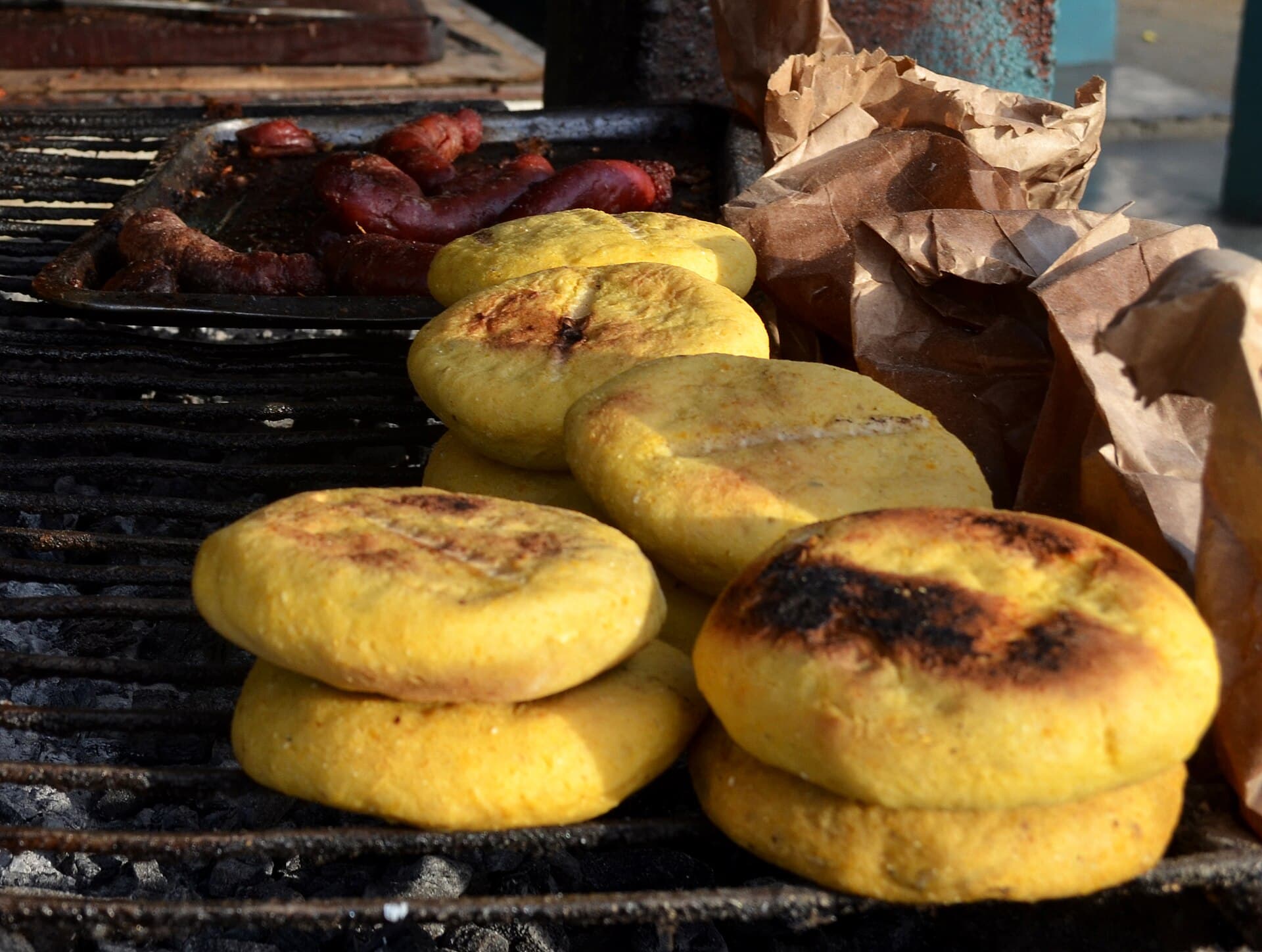
1990-2009
A basic arepa recipe made with masarepa, water, salt, and a hot skillet, ready to eat plain, buttered, cheesed, or split for fillings.
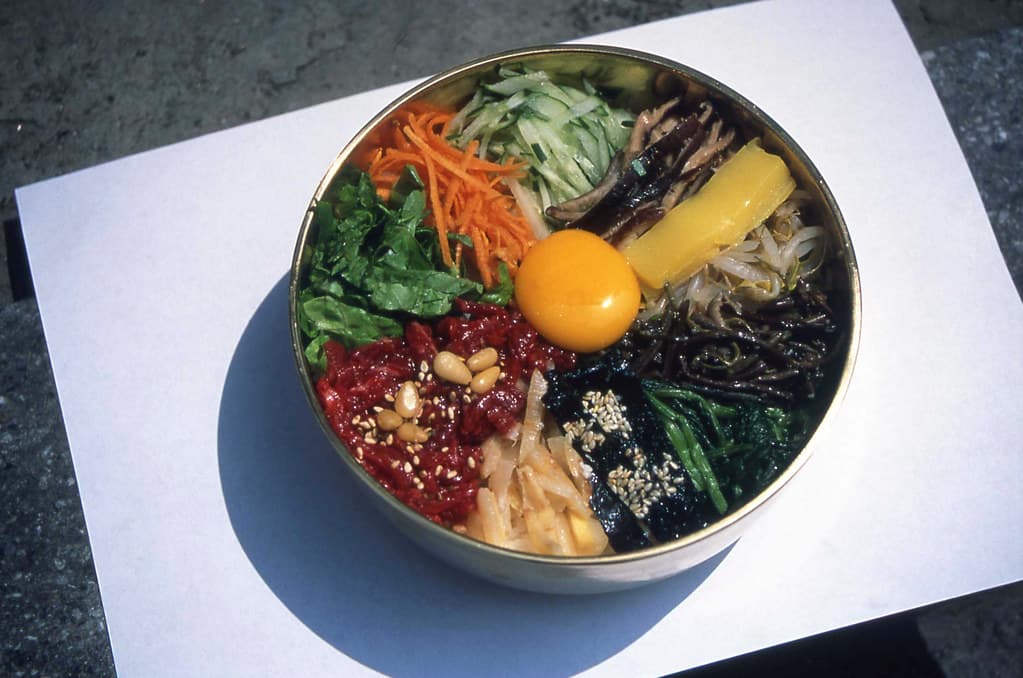
1960-2026
Bibimbap is a Korean classic with several origin stories, from palace meals to farmers mixing available vegetables. In the United States it became a Korean American restaurant and home-cooking staple because the format is flexible, colorful, and practical.
Same table
America's Melting Pot
Crumbl-Style Cookies photo coming soon
2017-present
Crumbl-Style Cookies are soft-centered, thick cookies popularized by the Crumbl cookie chain, featuring a variety of rotating flavors but united by a chewy, buttery texture. These bakery-inspired cookies capture recent American dessert trends emphasizing shareability and novelty.
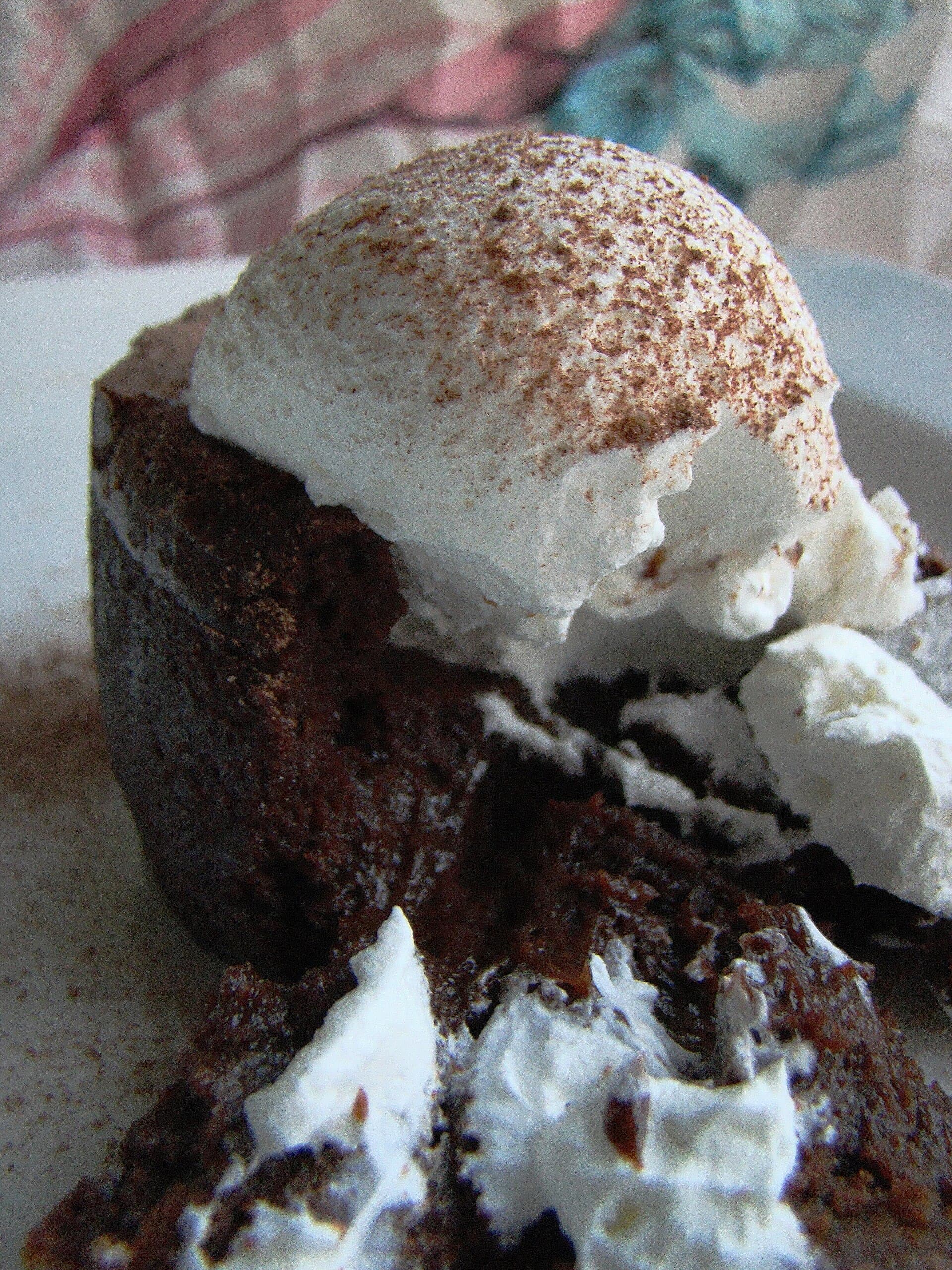
1987-present
Lava cake is a rich dessert featuring individual chocolate cakes with a gooey molten center. Popularized in American family restaurants and chains from the 1990s onward, it uses minimal ingredients to create a dramatic dessert that combines chocolate cake and fondant-like filling, appealing broadly across age groups and occasions.
America's Melting Pot
Cottage Cheese Pie photo coming soon
1930s-1945
Cottage cheese pie was a cost-effective and nutritious dessert during the Dust Bowl and Depression years. Utilizing simple, affordable ingredients, it provided a satisfying sweet treat in households facing economic constraints and rationing during the 1930s and 1940s.