
Recipe archive
Loading
Setting the table...
Fetching the latest recipes from the archive.
Loading
Fetching the latest recipes from the archive.
Recipe archive
America's Melting Pot
Preserved Apples hero image coming soon
1776-1800 - Colonial American home cooks preserving harvest fruit after the Revolutionary War.
Preserved Apples were a common way to store fruit from harvest through the winter in late 18th century America. Using sugar or honey and spices, early Americans extended the shelf life of apples for use in cooking and as table treats.
No featured photo yet. Upload a photo with your review. The highest-rated community photo may become this recipe's hero image.
Difficulty
Medium
Prep time
30 minutes
Cook time
1 hour
Total time
1 hour 30 minutes
Servings
12
Region
Orchard country
Era introduced
1776-1800
Introduced by
Colonial American home cooks preserving harvest fruit after the Revolutionary War.
Recipe tools
Log in to save this recipe to a collection.
In the post-Revolutionary War period, preserving fruit was essential for survival during cold months. Apples, plentiful in American orchards, were sliced and cooked with sugar, honey, and spices such as cinnamon and cloves to create preserves that could be stored for months. These preserved apples added sweetness and warmth to winter meals and desserts, embodying the preservation traditions of early American households.
Share family changes, regional twists, or pantry-friendly adaptations as full community recipes.
Log in to submit a community recipe.
No community recipes yet. Submitted recipes are published right away.
Rate this recipe and share how it worked at your table.
Log in to review this recipe.
No reviews yet. Be the first to rate this recipe.
Recipes matched by era, region, occasion, ingredients, and cultural roots from the archive.
Same era
America's Melting Pot
Ash Cakes photo coming soon
1776-1800
A plain cornmeal-and-water ash cake inspired by Revolutionary-era field cooking, adapted for a skillet or campfire with salt and a little fat for modern eatability.
America's Melting Pot
Bean Porridge photo coming soon
1776-1800
Bean porridge sits close to the everyday cooking of early America: beans or peas, water, a little meat when available, and meal to thicken the pot. It was plain food, but practical food, made in a kettle and stretched for households that needed warmth, calories, and thrift more than ceremony.
1700s-1800s
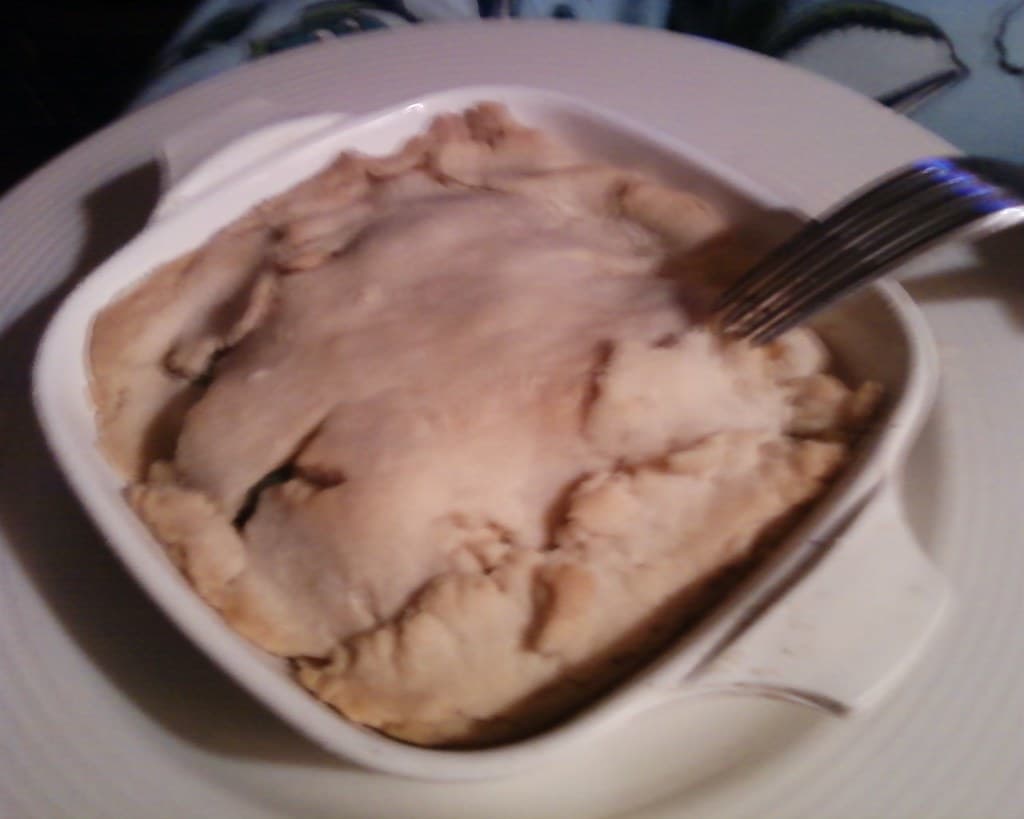
Chicken Pie is a hearty savory pie made with cooked chicken, vegetables, and a flaky pastry crust. Rooted in mid to late 19th-century railroad and boardinghouse cooking, it offered a portable, filling meal for workers and travelers during the Civil War and Reconstruction period, blending practicality with comforting flavors.
Same region
America's Melting Pot
Apple Cider Milkshake photo coming soon
1900s-present
Apple Cider Milkshake salutes regional fruit country and the American dairy-stand tradition: Orchard country.
America's Melting Pot
Apple Cider Slush photo coming soon
1970s-present
Apple Cider Slush brings juice-bar color and American smoothie-counter energy to the glass: Orchard/farmstand drink.
America's Melting Pot
Apple Cider Syrup photo coming soon
1900s-present
Apple Cider Syrup is a sweet sauce with real American table personality: Orchard-country reduction sauce. It brings flavor from coast-to-coast American tables to cookouts, counters, lunch plates, potlucks, and weeknight suppers.
Same table
1950s-present
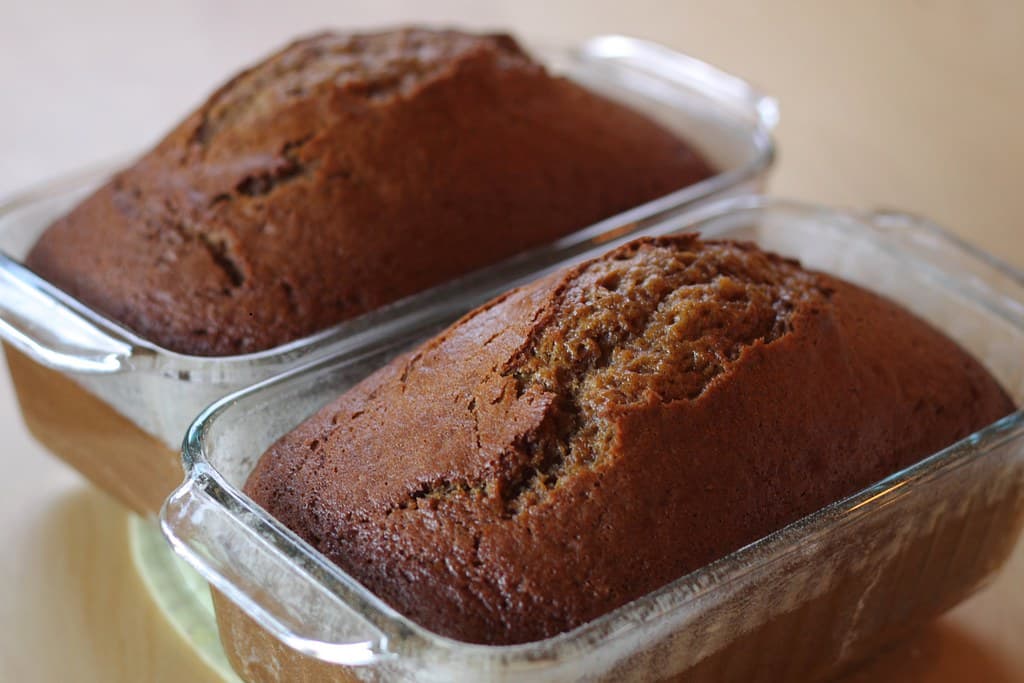
Pumpkin Bread is a moist, spiced quick bread that surged in popularity in American coffee shops and suburban bakeries from the 1990s through 2000s, often associated with fall seasonal menus.
America's Melting Pot
Senate Bean Soup photo coming soon
1903-present
Senate Bean Soup is a simple, hearty soup featuring navy beans, ham hock, onions, and herbs. Known as a longstanding menu item in the U.S. Senate dining room, it represents traditional American soup and stew culture emphasizing slow cooking and humble ingredients.
1912/20th century-present
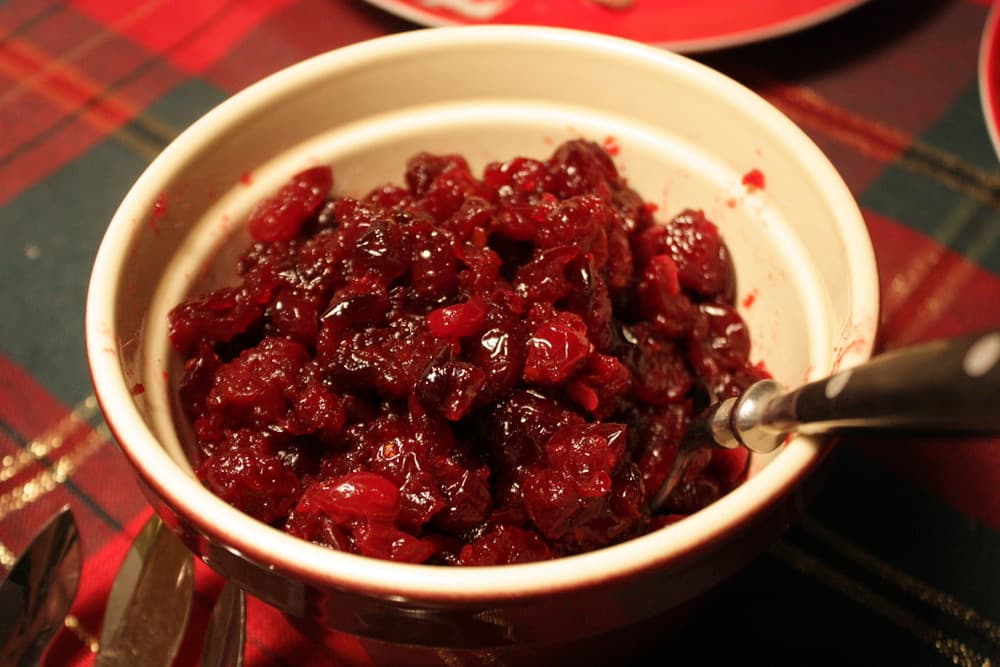
A bright and tangy relish made from freshly chopped cranberries, orange peel, and sugar. A traditional New England side dish commonly served at Thanksgiving and holiday meals.