
Recipe archive
Loading
Setting the table...
Fetching the latest recipes from the archive.
Loading
Fetching the latest recipes from the archive.
Recipe archive
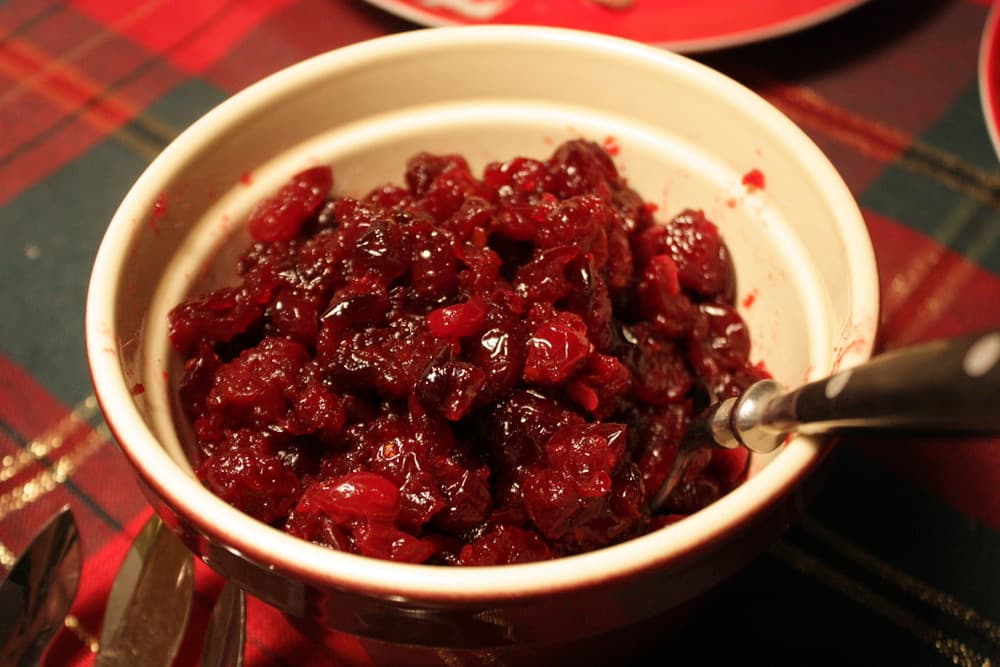
1900-1929 - New England home cooks and holiday meal preparers.
A bright and tangy relish made from freshly chopped cranberries, orange peel, and sugar. A traditional New England side dish commonly served at Thanksgiving and holiday meals.
Community-powered photos. Reviewers can upload dish photos, and the highest-rated community image may be featured here.
Difficulty
Easy
Prep time
10 minutes
Cook time
0 minutes
Total time
10 minutes
Servings
6
Region
Cape Cod and Massachusetts cranberry country
Era introduced
1900-1929
Introduced by
New England home cooks and holiday meal preparers.
Recipe tools
Log in to save this recipe to a collection.
Cranberry relish has long been a staple of Thanksgiving and holiday tables in New England, prized for its fresh, tart flavor that balances richer traditional dishes. Made from fresh cranberries combined with grated orange peel and sugar, this uncooked relish offers a refreshing contrast and vibrant color. Its simple preparation and reliance on native fruits demonstrate New England's culinary ties to local agriculture and seasonal celebrations.
Share family changes, regional twists, or pantry-friendly adaptations as full community recipes.
Log in to submit a community recipe.
No community recipes yet. Submitted recipes are published right away.
Rate this recipe and share how it worked at your table.
Log in to review this recipe.
No reviews yet. Be the first to rate this recipe.
Recipes matched by era, region, occasion, ingredients, and cultural roots from the archive.
Same era
America's Melting Pot
American French Dressing photo coming soon
1900s-present
American French Dressing is a dressing with real American table personality: The bright orange-red, sweet, tomatoey bottled dressing Americans call "French." Not very French, very American. It brings flavor from coast-to-coast American tables to cookouts, counters, lunch plates, potlucks, and weeknight suppers.
America's Melting Pot
Apple Pie Shake photo coming soon
1922-present
Apple Pie Shake brings drive-in, carhop, and fast-food dessert-counter energy to the table: Diner pie a la mode in a cup.
America's Melting Pot
Avgolemono Soup photo coming soon
1900-1929
A silky Greek-American chicken, rice, egg, and lemon soup made by tempering eggs into hot broth for a creamy dairy-free finish.
Same region
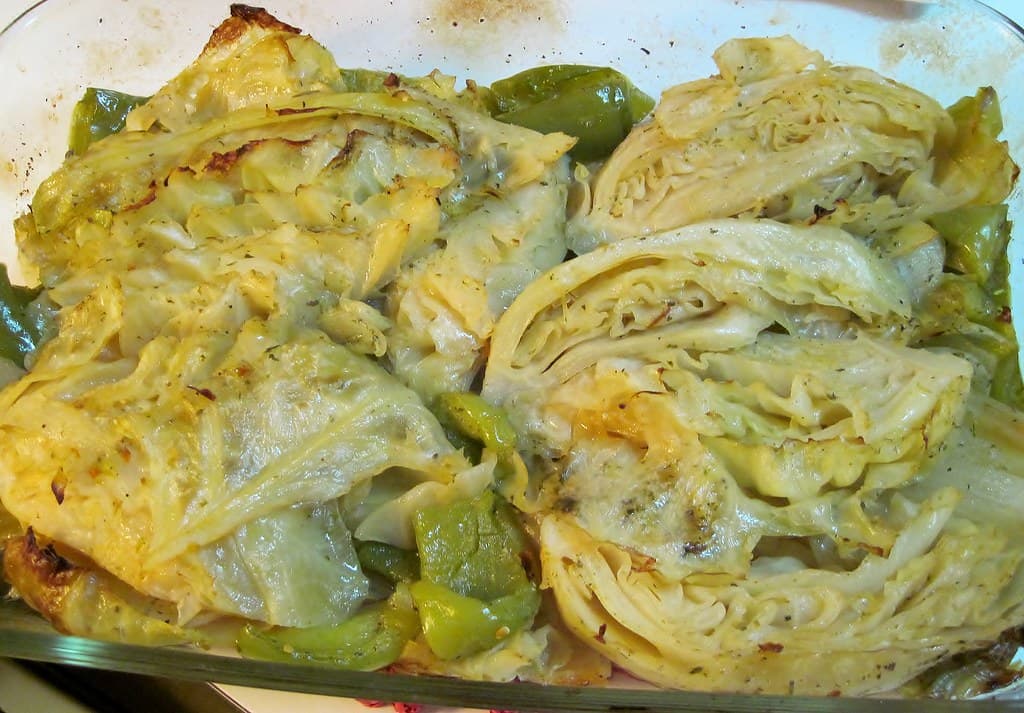
1700-2026
Braised cabbage is an old, practical side dish because cabbage stores well, feeds many, and softens beautifully with slow moist heat. American versions draw from British, German, Irish, and Eastern European cabbage cookery as well as plain farm-table thrift.
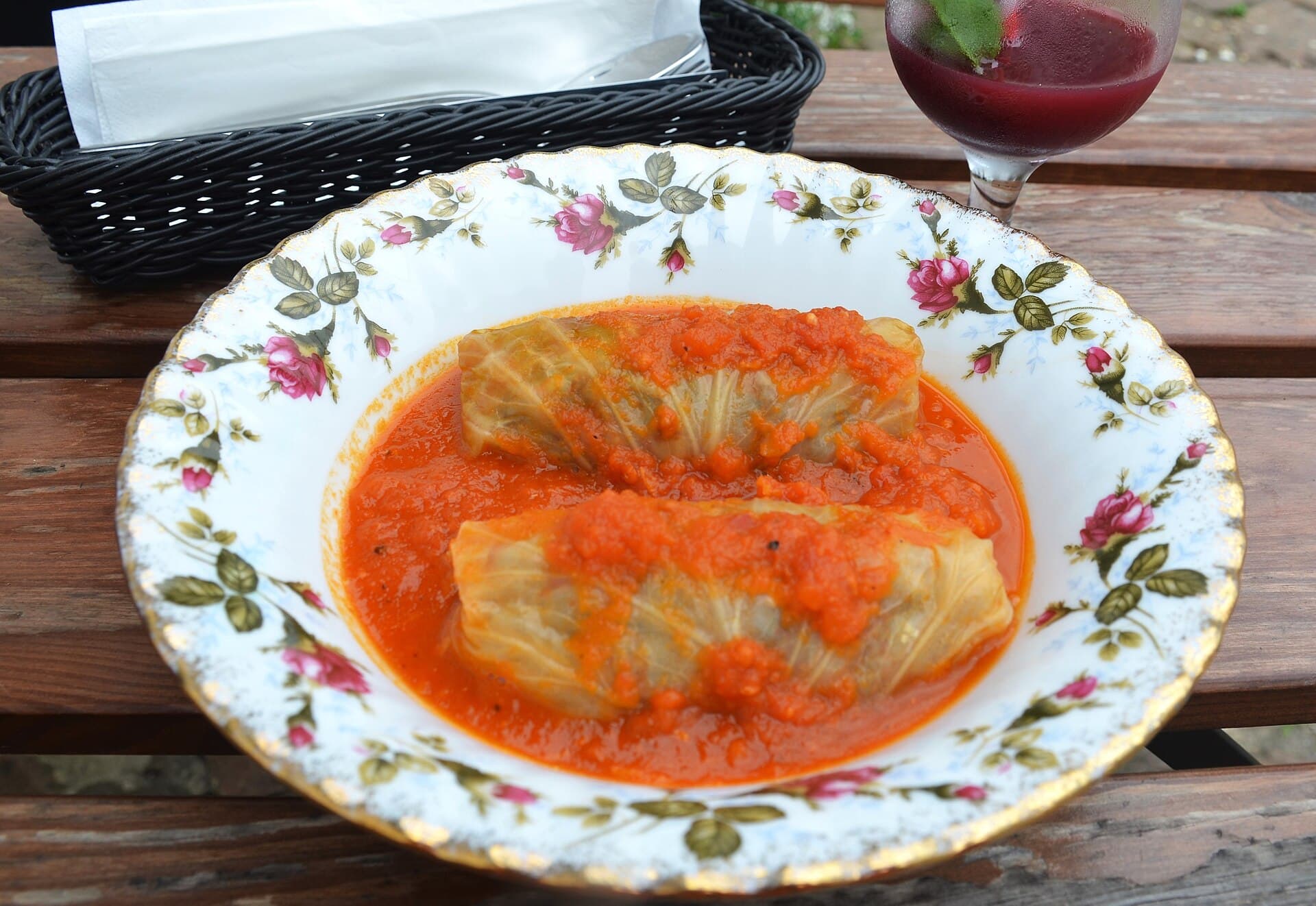
1900-2026
Cabbage rolls came to American tables through many Eastern European and Jewish immigrant communities. Polish golabki, Ukrainian holubtsi, Slovak holubky, Jewish holishkes, and related dishes all wrap humble cabbage around a filling that stretches meat with rice or grain.
America's Melting Pot
Cabbage Soup photo coming soon
1800-2026
Cabbage soup is old-world thrift cooking that fit American boardinghouses, mining camps, immigrant kitchens, and wartime tables. Cabbage stored well, stretched broth, and could become a light vegetable soup or a heartier meal with potatoes, beans, or meat.
Same table
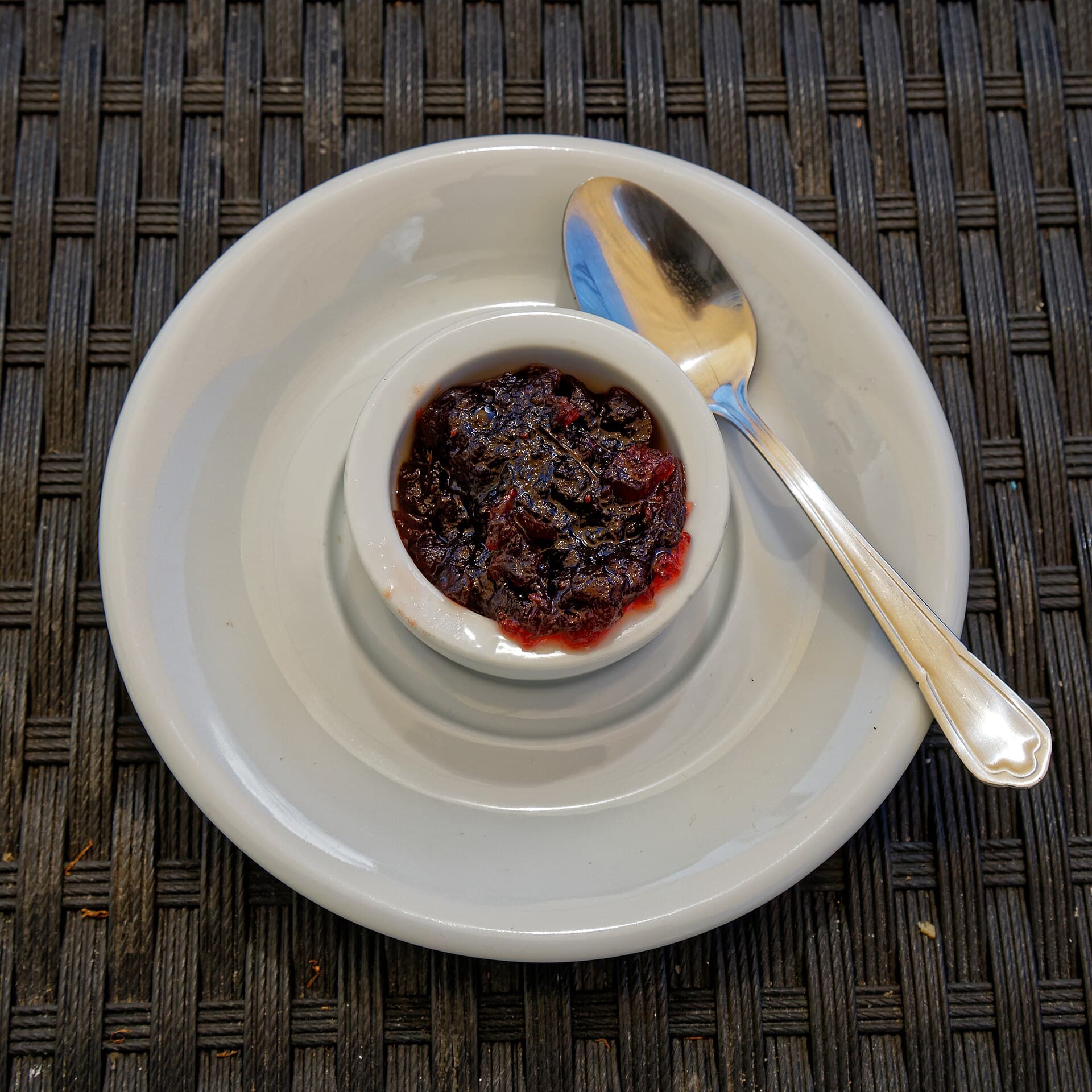
1776-1800
A traditional cooked cranberry sauce simmered with sugar and citrus, served as a tart condiment during Thanksgiving feasts in New England since the late 18th century.
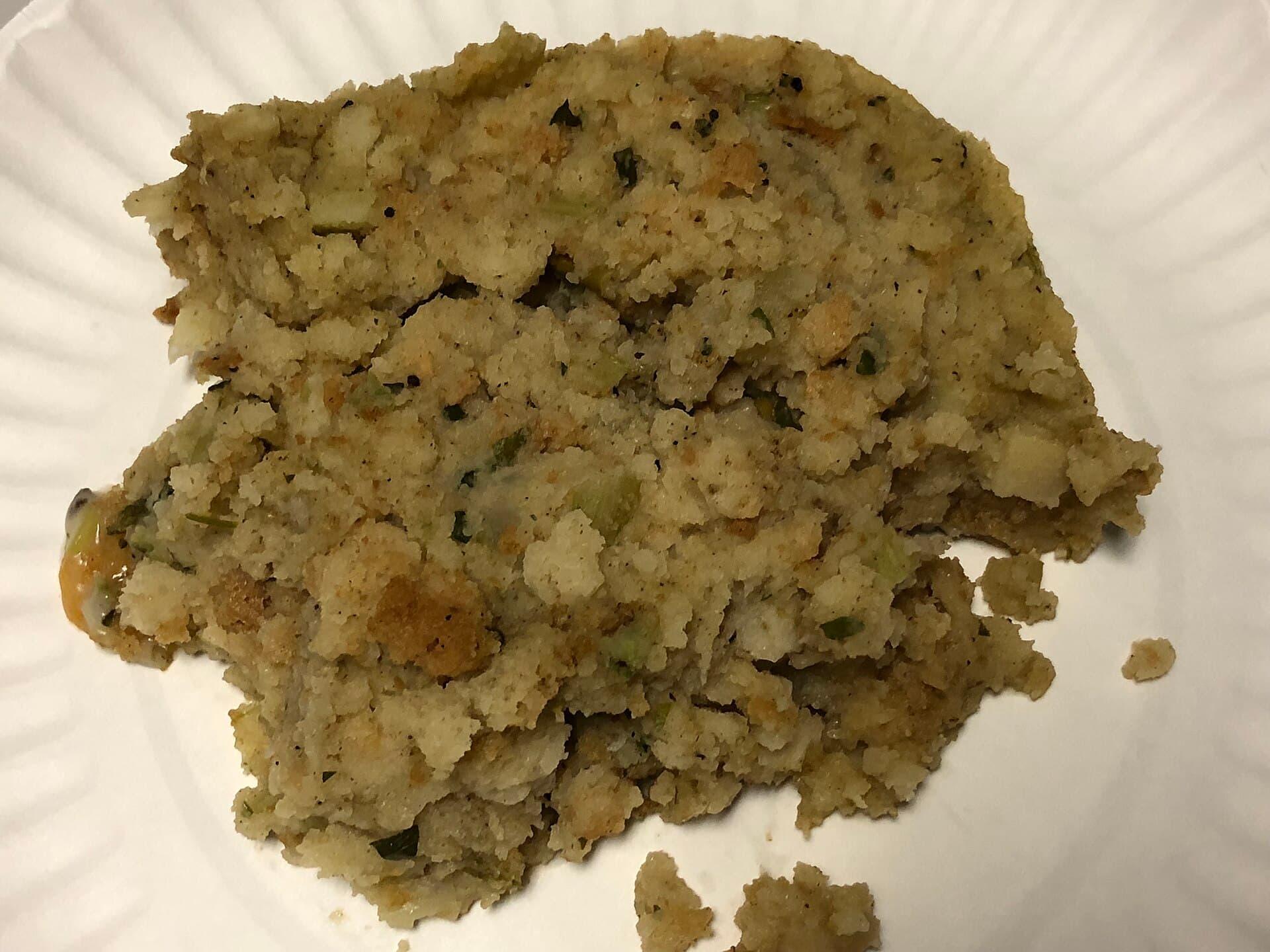
1700-2026
Bread stuffing is the Thanksgiving workhorse that turns stale bread into the part of the plate many people reach for first. Whether cooked inside the bird or baked separately as dressing, the core American formula is bread, aromatics, poultry herbs, and rich stock.
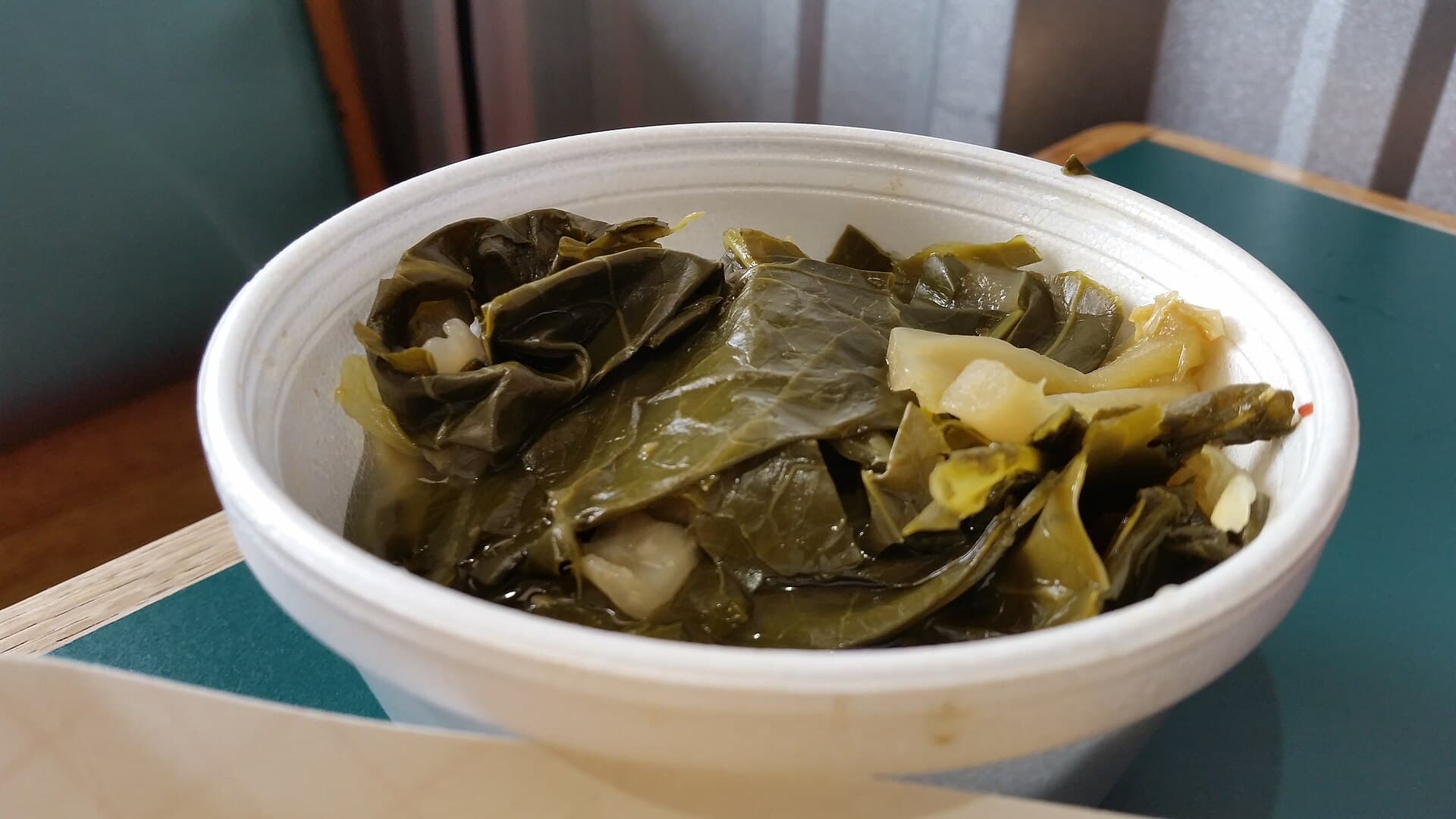
1700s-present
Collard greens are a Southern staple of slow-cooked leafy greens, often simmered with smoked meats and seasonings. Served frequently at Thanksgiving and other holidays, they reflect African American and Southern culinary traditions blending native and immigrant foodways. This versatile side dish is a symbol of Southern hospitality and cultural heritage.