
Recipe archive
Loading
Setting the table...
Fetching the latest recipes from the archive.
Loading
Fetching the latest recipes from the archive.
Recipe archive
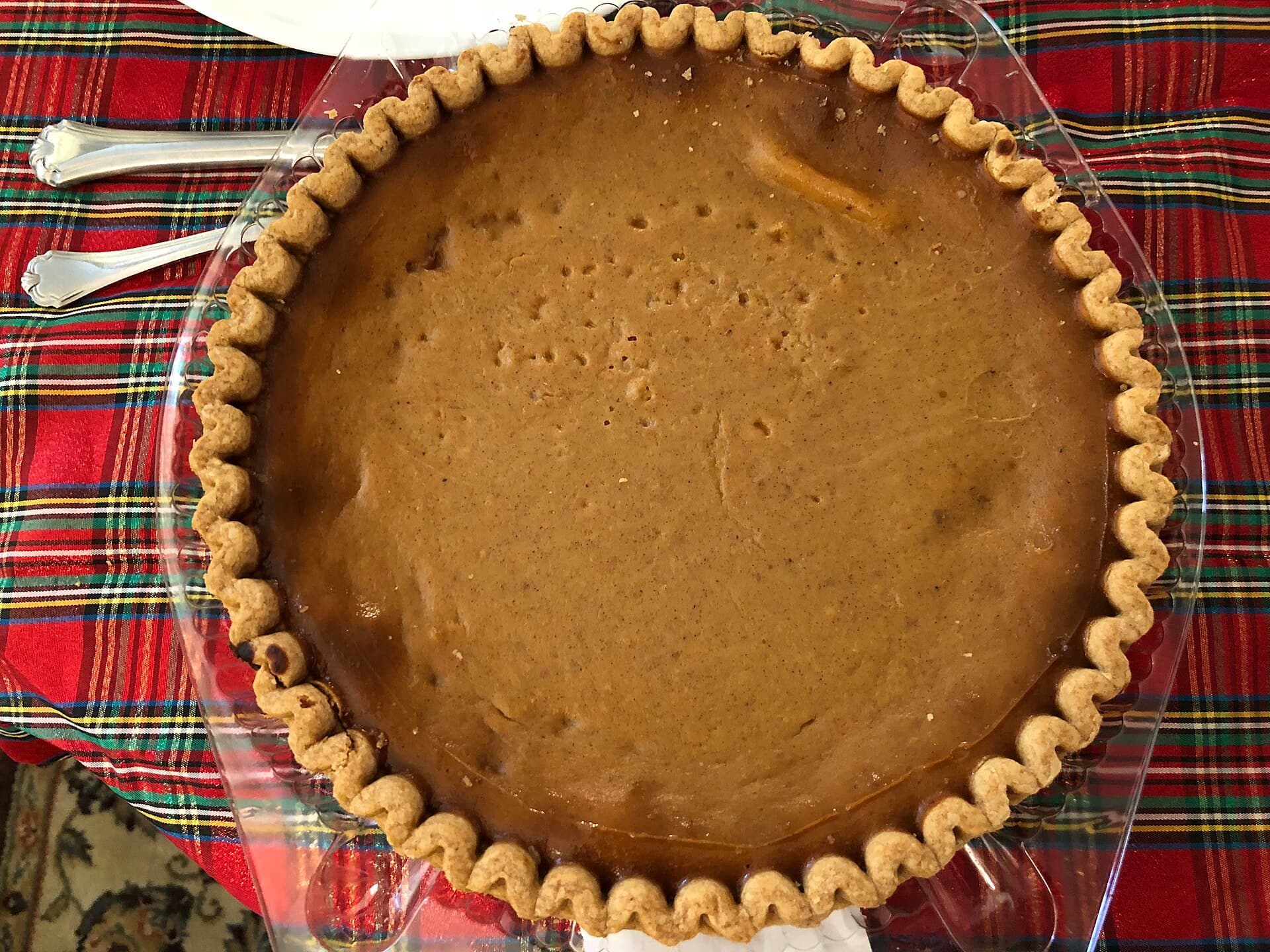
1776-1800 - American home cooks preparing festive Thanksgiving meals.
Pumpkin Pie is a quintessential American dessert featuring a spiced pumpkin custard filling baked in a pastry crust, historically tied to Thanksgiving celebrations since the late 18th century.
Community-powered photos. Reviewers can upload dish photos, and the highest-rated community image may be featured here.
Difficulty
Medium
Prep time
30 minutes
Cook time
1 hour
Total time
1 hour 30 minutes
Servings
8
Region
New England pumpkin-field and early American hearth kitchens
Era introduced
1776-1800
Introduced by
American home cooks preparing festive Thanksgiving meals.
Recipe tools
Log in to save this recipe to a collection.
Dating back to post-Revolutionary America, pumpkin pie became a staple of Thanksgiving and holiday meals, symbolizing harvest abundance and early American culinary identity. Adapted from colonial cooking traditions, the spiced custard filling made from pumpkin and warming spices baked in flaky pastry is emblematic of American seasonal desserts that blend native ingredients with European pastry skills.
Share family changes, regional twists, or pantry-friendly adaptations as full community recipes.
Log in to submit a community recipe.
No community recipes yet. Submitted recipes are published right away.
Rate this recipe and share how it worked at your table.
Log in to review this recipe.
No reviews yet. Be the first to rate this recipe.
Recipes matched by era, region, occasion, ingredients, and cultural roots from the archive.
Same era
America's Melting Pot
Ash Cakes photo coming soon
1776-1800
A plain cornmeal-and-water ash cake inspired by Revolutionary-era field cooking, adapted for a skillet or campfire with salt and a little fat for modern eatability.
America's Melting Pot
Bean Porridge photo coming soon
1776-1800
Bean porridge sits close to the everyday cooking of early America: beans or peas, water, a little meat when available, and meal to thicken the pot. It was plain food, but practical food, made in a kettle and stretched for households that needed warmth, calories, and thrift more than ceremony.
1700s-1800s
Chicken Pie is a hearty savory pie made with cooked chicken, vegetables, and a flaky pastry crust. Rooted in mid to late 19th-century railroad and boardinghouse cooking, it offered a portable, filling meal for workers and travelers during the Civil War and Reconstruction period, blending practicality with comforting flavors.
Same region
America's Melting Pot
Stewed Pumpkin photo coming soon
1700s-present
Stewed pumpkin was a common vegetable preparation in late 18th-century America, used as a side or base for other dishes. This recipe highlights the simple stewing of fresh or dried pumpkin to tender, flavorful softness, often lightly sweetened or spiced.
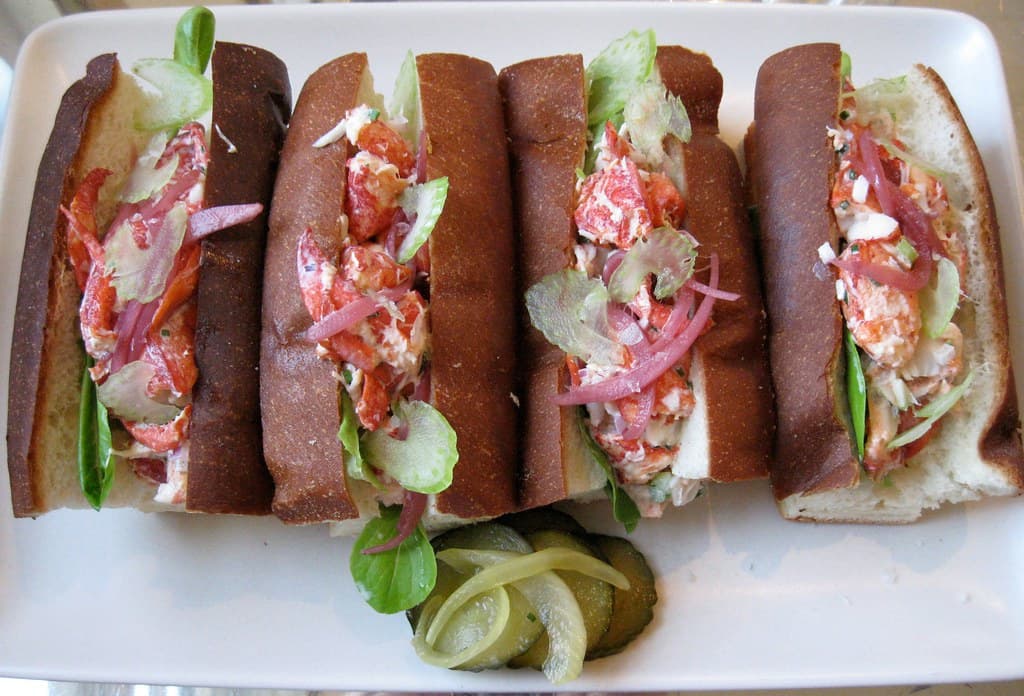
2010-2026
Maine lobster rolls are an iconic New England sandwich featuring tender lobster meat served chilled or warm in a buttered, toasted split-top bun. Since the early 20th century, this sandwich has been a regional favorite at seafood shacks, fairs, and food trucks, embodying the maritime heritage and casual dining culture of the Northeastern United States.
America's Melting Pot
Oyster Pie photo coming soon
1800-1860
Oyster Pie is a savory pie filled with oysters and often combined with vegetables and seasonings, baked in a flaky crust. As a traditional New England dish from the early immigration and expansion era, it reflects coastal harvests and colonial cooking styles preserving regional seafood heritage.
Same table
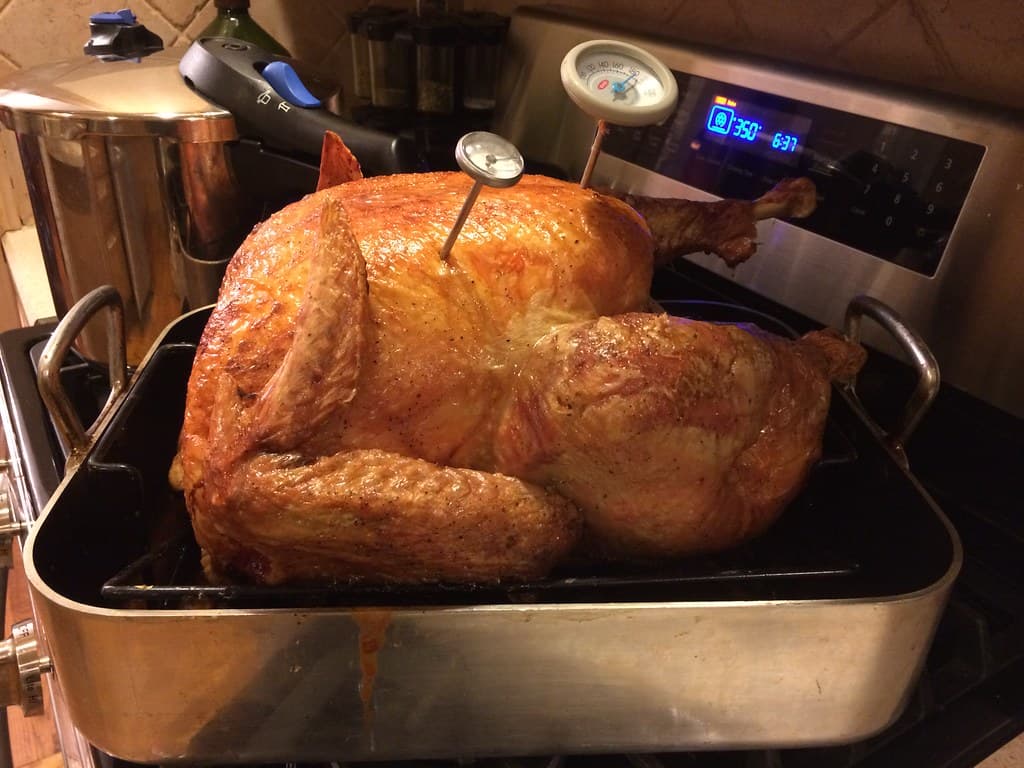
1800s-present
Roast Turkey is a centerpiece dish for Thanksgiving and other holidays, featuring a whole turkey seasoned and roasted until golden brown with moist interior. A symbol of American celebrations, it has evolved with regional and family variations across eras.
America's Melting Pot
Roast Turkey with Chestnut Stuffing photo coming soon
1800s-present
Roast Turkey with Chestnut Stuffing pairs roast turkey with a traditional stuffing made from chestnuts, bread, herbs, and seasonings. Popular during the Revolutionary period, this combination highlights seasonal ingredients and early American holiday traditions.
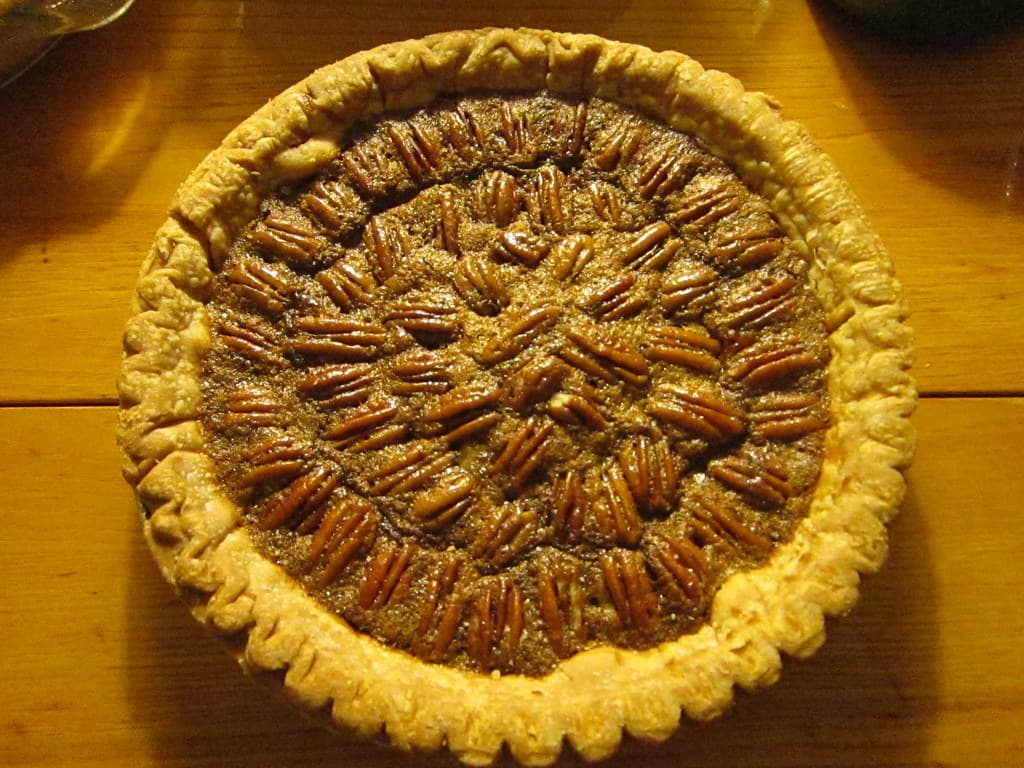
1800-1860
Pecan pie originated in the American South between 1800 and 1860, becoming a beloved dessert for holiday tables, especially Thanksgiving. Combining local pecans with sweet filling, this pie celebrates regional ingredients and early American culinary tradition.