
Recipe archive
Loading
Setting the table...
Fetching the latest recipes from the archive.
Loading
Fetching the latest recipes from the archive.
Recipe archive
America's Melting Pot
Roast Turkey with Chestnut Stuffing hero image coming soon
1800-1860 - Early American Holiday and Revolutionary Era Home Cooks
Roast Turkey with Chestnut Stuffing pairs roast turkey with a traditional stuffing made from chestnuts, bread, herbs, and seasonings. Popular during the Revolutionary period, this combination highlights seasonal ingredients and early American holiday traditions.
No featured photo yet. Upload a photo with your review. The highest-rated community photo may become this recipe's hero image.
Difficulty
Hard
Prep time
1 hour
Cook time
4 hours
Total time
5 hours
Servings
8-10
Region
New England Thanksgiving and nineteenth-century holiday kitchens
Era introduced
1800-1860
Introduced by
Early American Holiday and Revolutionary Era Home Cooks
Recipe tools
Log in to save this recipe to a collection.
Between 1776 and 1800, early Americans often prepared roast turkey accompanied by stuffing made from native chestnuts. This dish reflects both settler ingenuity and seasonal harvest use during the formation of United States culinary identity. Chestnut stuffing, rich and flavorful, became a treasured holiday side that complemented the central roasted bird. Such preparations connect modern holiday meals to historical foodways of The Revolutionary Table era.
Share family changes, regional twists, or pantry-friendly adaptations as full community recipes.
Log in to submit a community recipe.
No community recipes yet. Submitted recipes are published right away.
Rate this recipe and share how it worked at your table.
Log in to review this recipe.
No reviews yet. Be the first to rate this recipe.
Recipes matched by era, region, occasion, ingredients, and cultural roots from the archive.
Same era
America's Melting Pot
Acorn Bread photo coming soon
1800-1860
A nutty, lightly sweet quick bread made with properly leached acorn flour, cornmeal, and wheat flour.
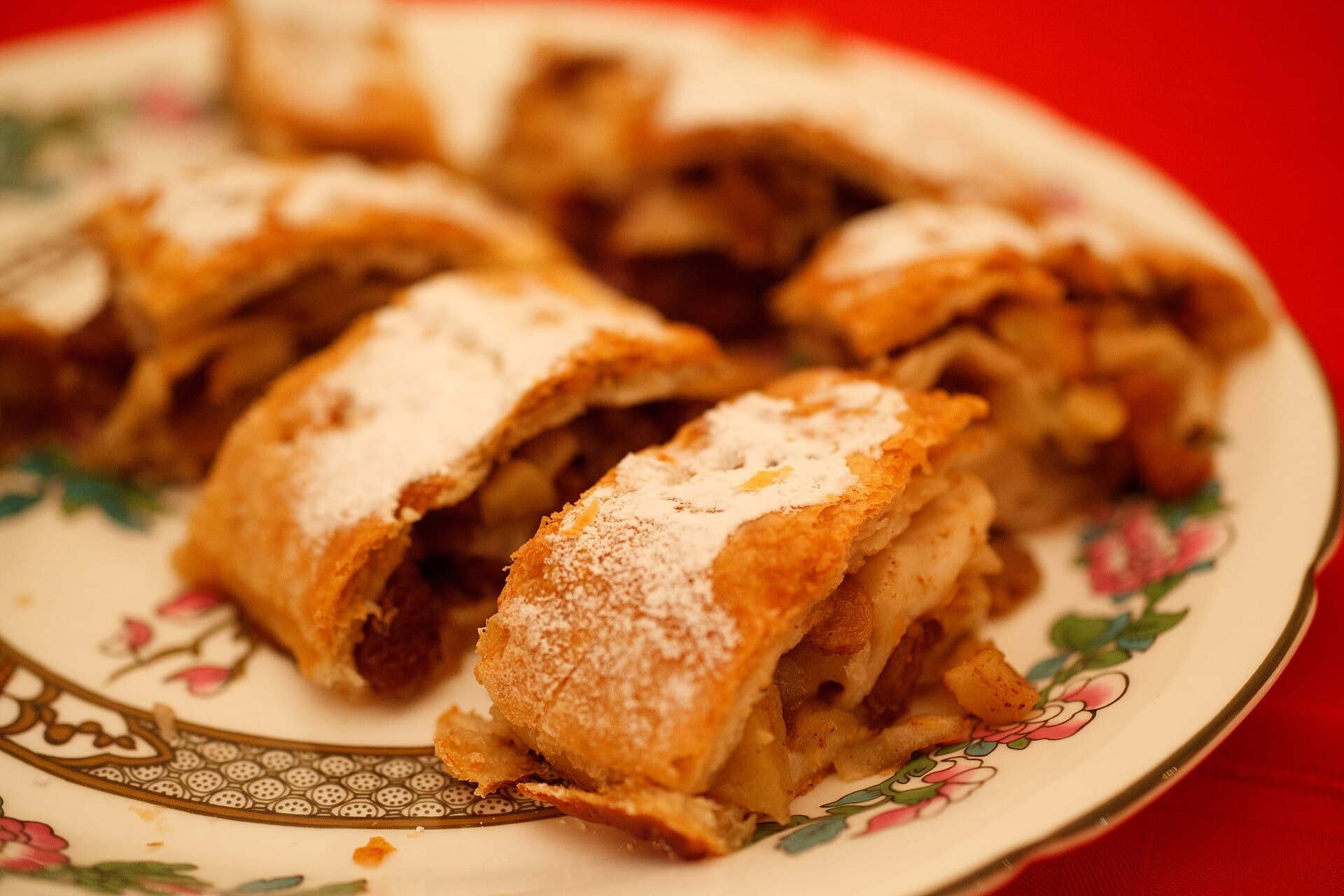
1800-1860
A German-American apple strudel made with crisp apples, raisins, cinnamon, buttered crumbs, and flaky phyllo for a practical home version of a Central European pastry.
America's Melting Pot
Asparagus photo coming soon
1800s/early 1900s-present
A bright American Easter asparagus side, quickly cooked and dressed with lemon butter, herbs, and hard-cooked egg in the spirit of old spring-table recipes.
Same region
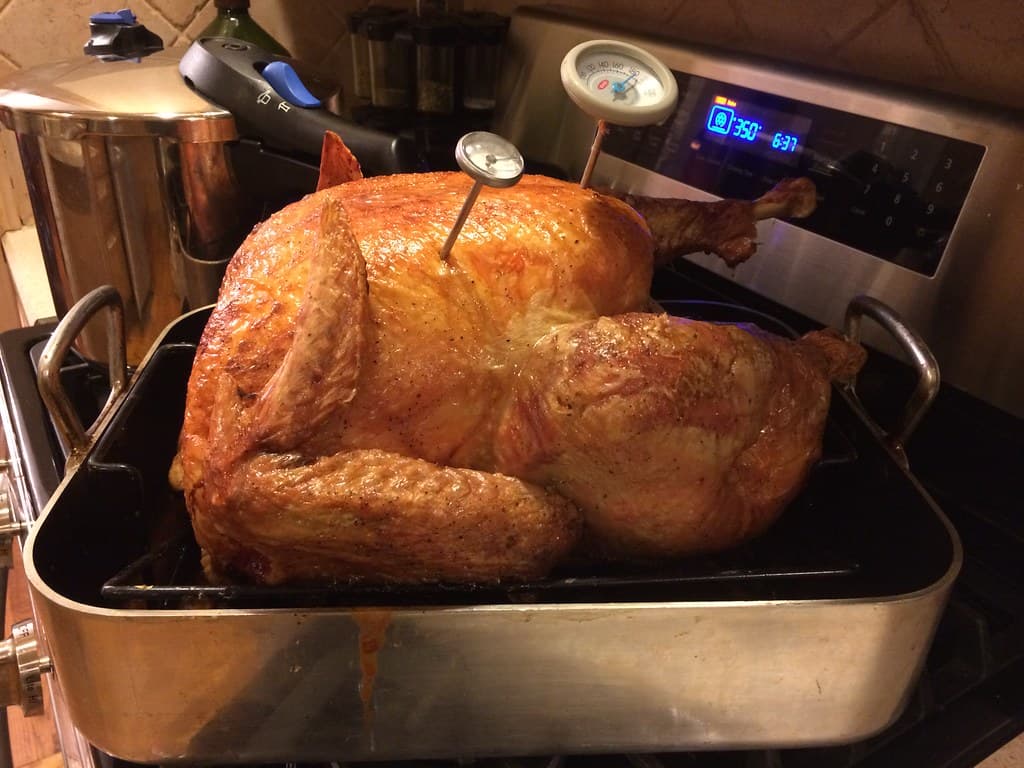
1800s-present
Roast Turkey is a centerpiece dish for Thanksgiving and other holidays, featuring a whole turkey seasoned and roasted until golden brown with moist interior. A symbol of American celebrations, it has evolved with regional and family variations across eras.
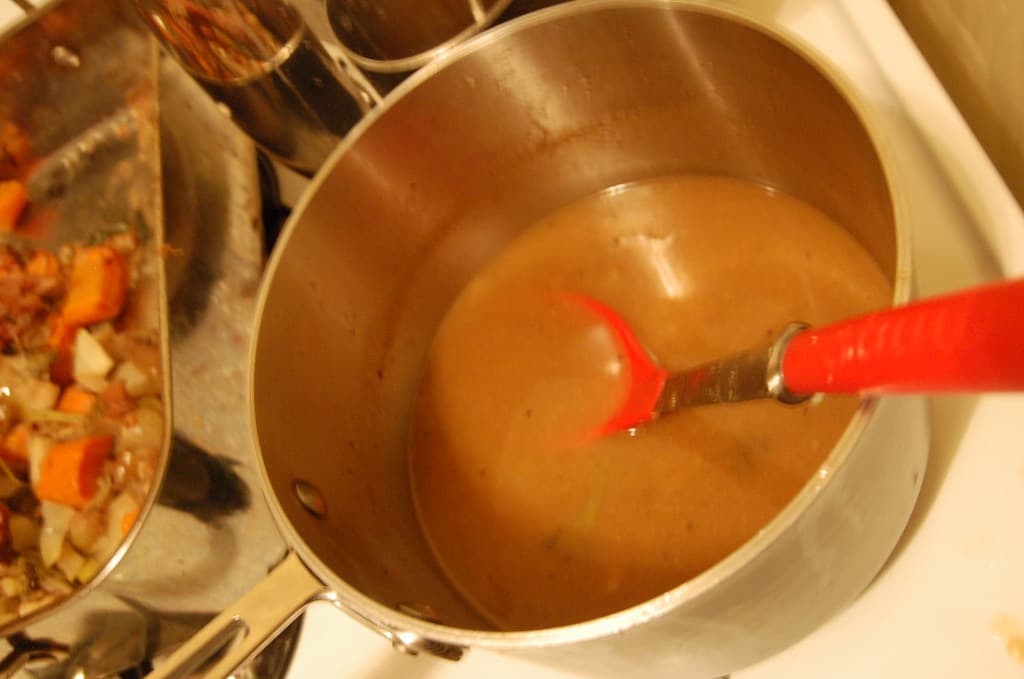
1800s-present
Turkey gravy is a fundamental accompaniment in American Thanksgiving traditions, made from pan drippings and seasoned to enhance roasted turkey. Its rich flavor and smooth texture have made it a holiday essential across generations and regions of the United States.
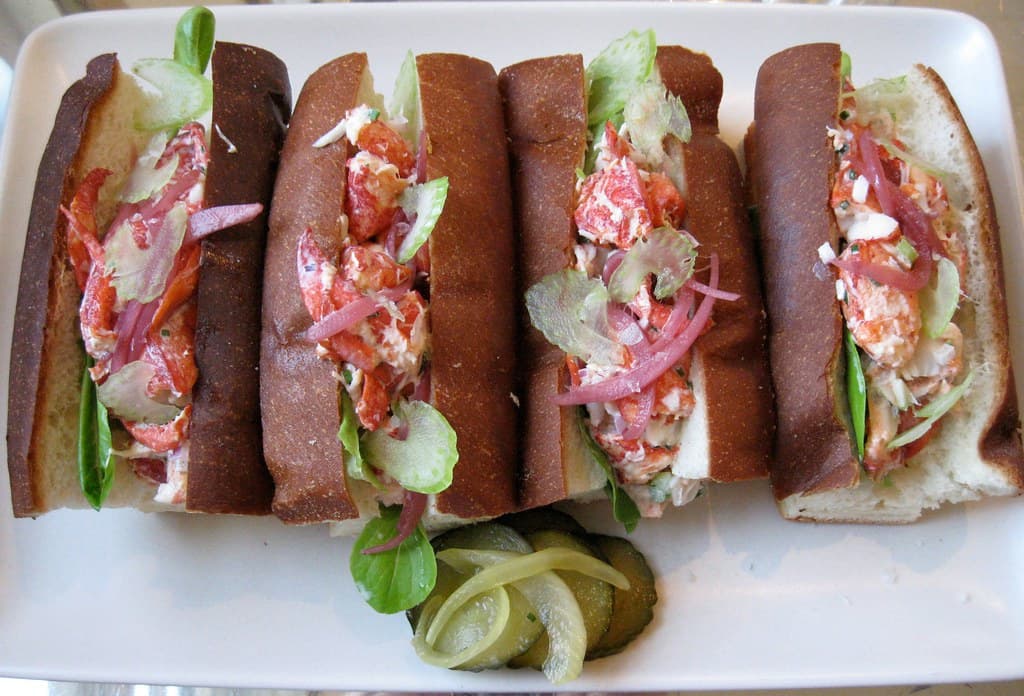
2010-2026
Maine lobster rolls are an iconic New England sandwich featuring tender lobster meat served chilled or warm in a buttered, toasted split-top bun. Since the early 20th century, this sandwich has been a regional favorite at seafood shacks, fairs, and food trucks, embodying the maritime heritage and casual dining culture of the Northeastern United States.
Same table
1800s-present
Roast Turkey is a centerpiece dish for Thanksgiving and other holidays, featuring a whole turkey seasoned and roasted until golden brown with moist interior. A symbol of American celebrations, it has evolved with regional and family variations across eras.
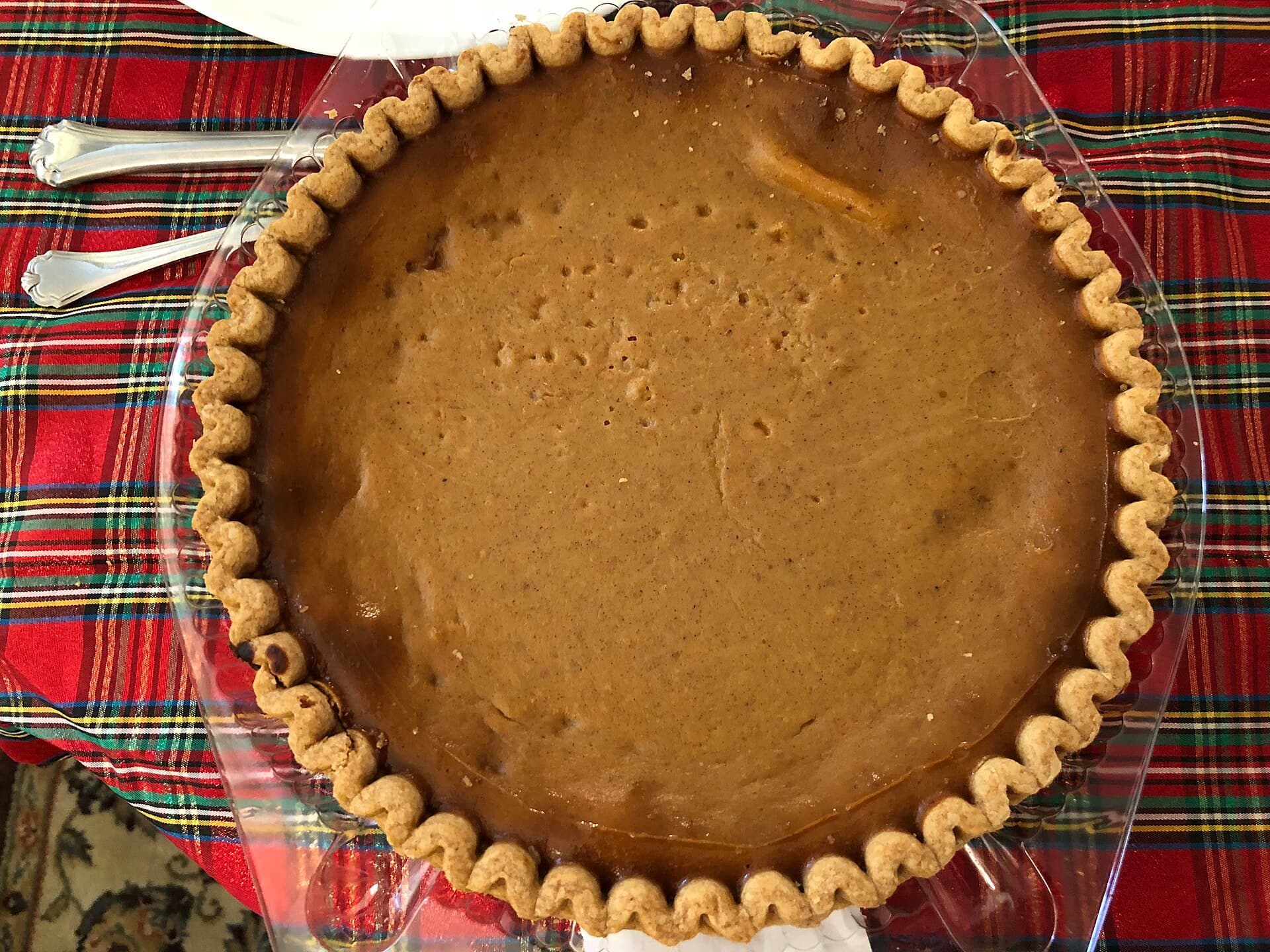
1700s-present
Pumpkin Pie is a quintessential American dessert featuring a spiced pumpkin custard filling baked in a pastry crust, historically tied to Thanksgiving celebrations since the late 18th century.
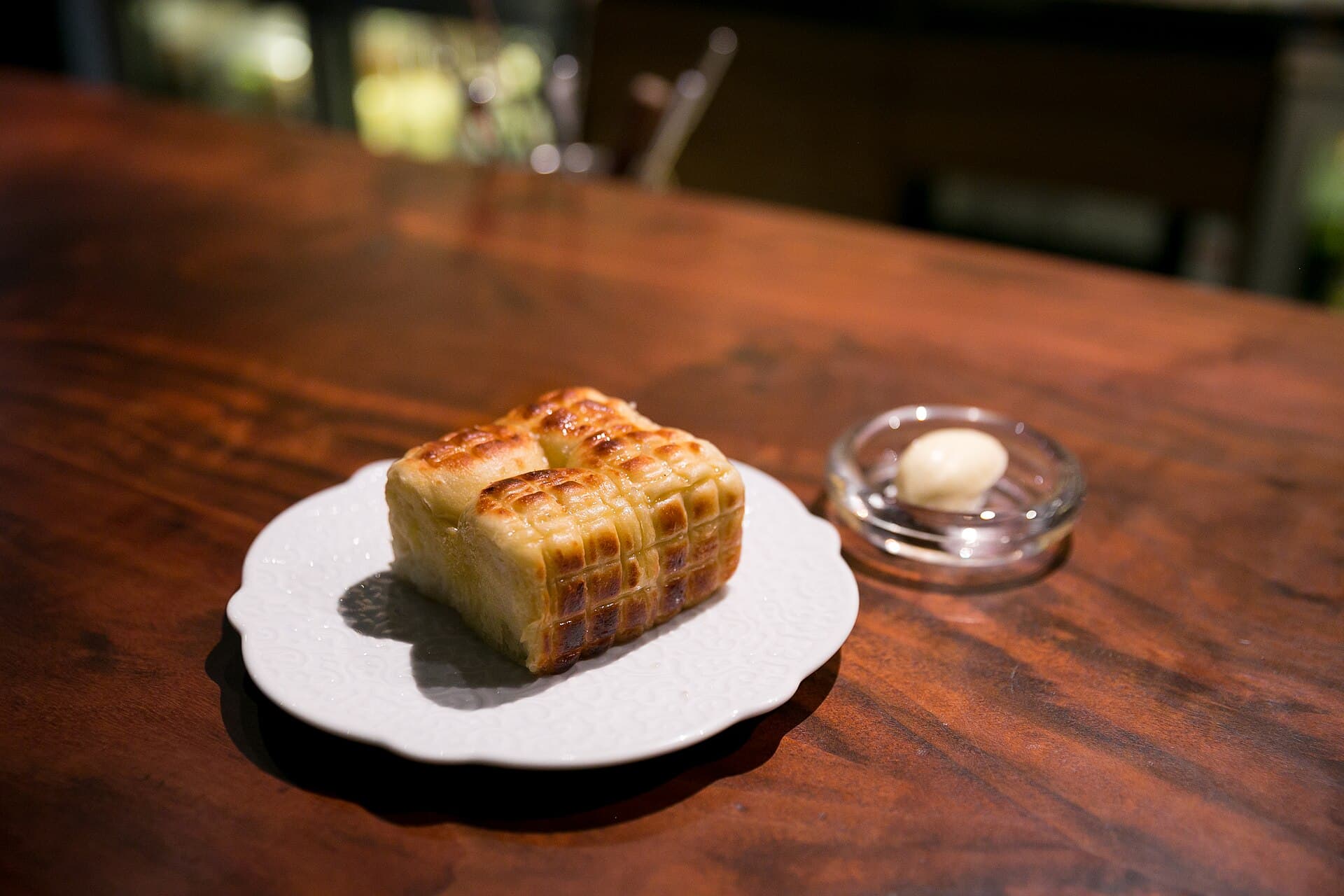
1860s-present
Parker House rolls are iconic American dinner rolls known for their soft interior and slightly crisp, buttery crust. They are often served during holiday dinners such as Thanksgiving and Easter, prized for their rich flavor and tender texture.