
Recipe archive
Loading
Setting the table...
Fetching the latest recipes from the archive.
Loading
Fetching the latest recipes from the archive.
Recipe archive
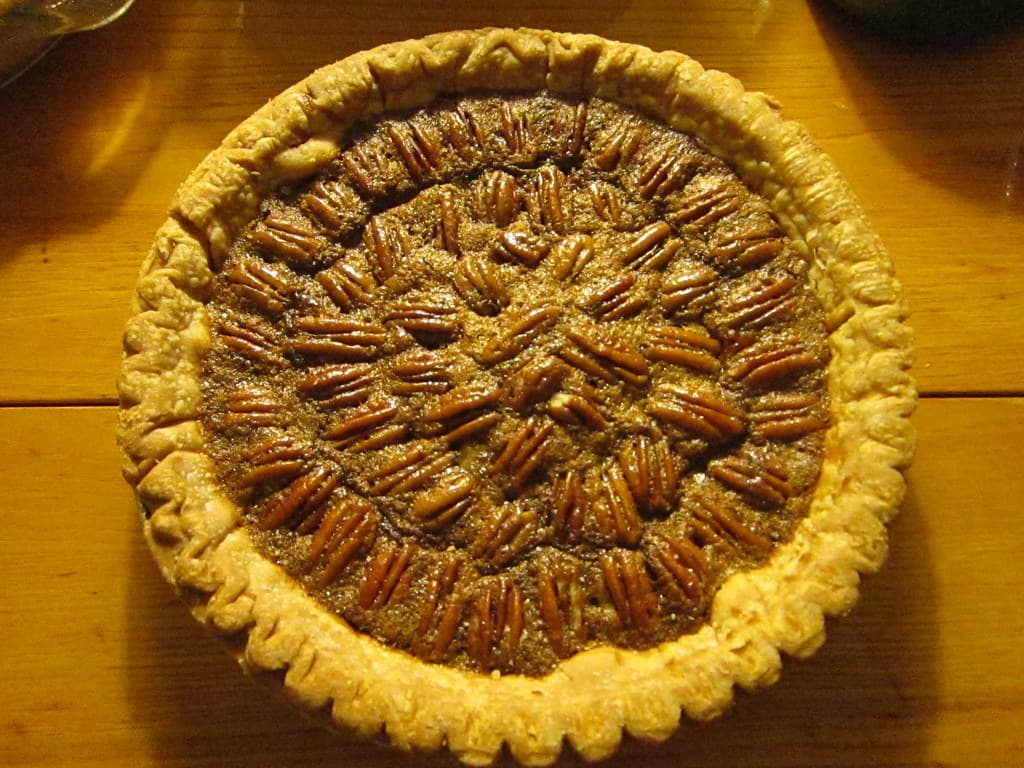
1800-1860 - Southern American home cooks and early pastry makers.
Pecan pie originated in the American South between 1800 and 1860, becoming a beloved dessert for holiday tables, especially Thanksgiving. Combining local pecans with sweet filling, this pie celebrates regional ingredients and early American culinary tradition.
Community-powered photos. Reviewers can upload dish photos, and the highest-rated community image may be featured here.
Difficulty
Medium
Prep time
20 minutes
Cook time
50 minutes
Total time
1 hour 10 minutes
Servings
8 servings
Region
South
Era introduced
1800-1860
Introduced by
Southern American home cooks and early pastry makers.
Recipe tools
Log in to save this recipe to a collection.
Pecan pie is a signature southern dessert that traces its roots to the early 19th century Young Republic period. Native pecans combined with sweet syrups created a unique and festive pie widely adopted for holiday celebrations like Thanksgiving. The dish exemplifies Southern culinary identity and the use of indigenous nuts to produce lasting American desserts beloved nationwide today.
Share family changes, regional twists, or pantry-friendly adaptations as full community recipes.
Log in to submit a community recipe.
No community recipes yet. Submitted recipes are published right away.
Rate this recipe and share how it worked at your table.
Log in to review this recipe.
No reviews yet. Be the first to rate this recipe.
Recipes matched by era, region, occasion, ingredients, and cultural roots from the archive.
Same era
America's Melting Pot
Acorn Bread photo coming soon
1800-1860
A nutty, lightly sweet quick bread made with properly leached acorn flour, cornmeal, and wheat flour.
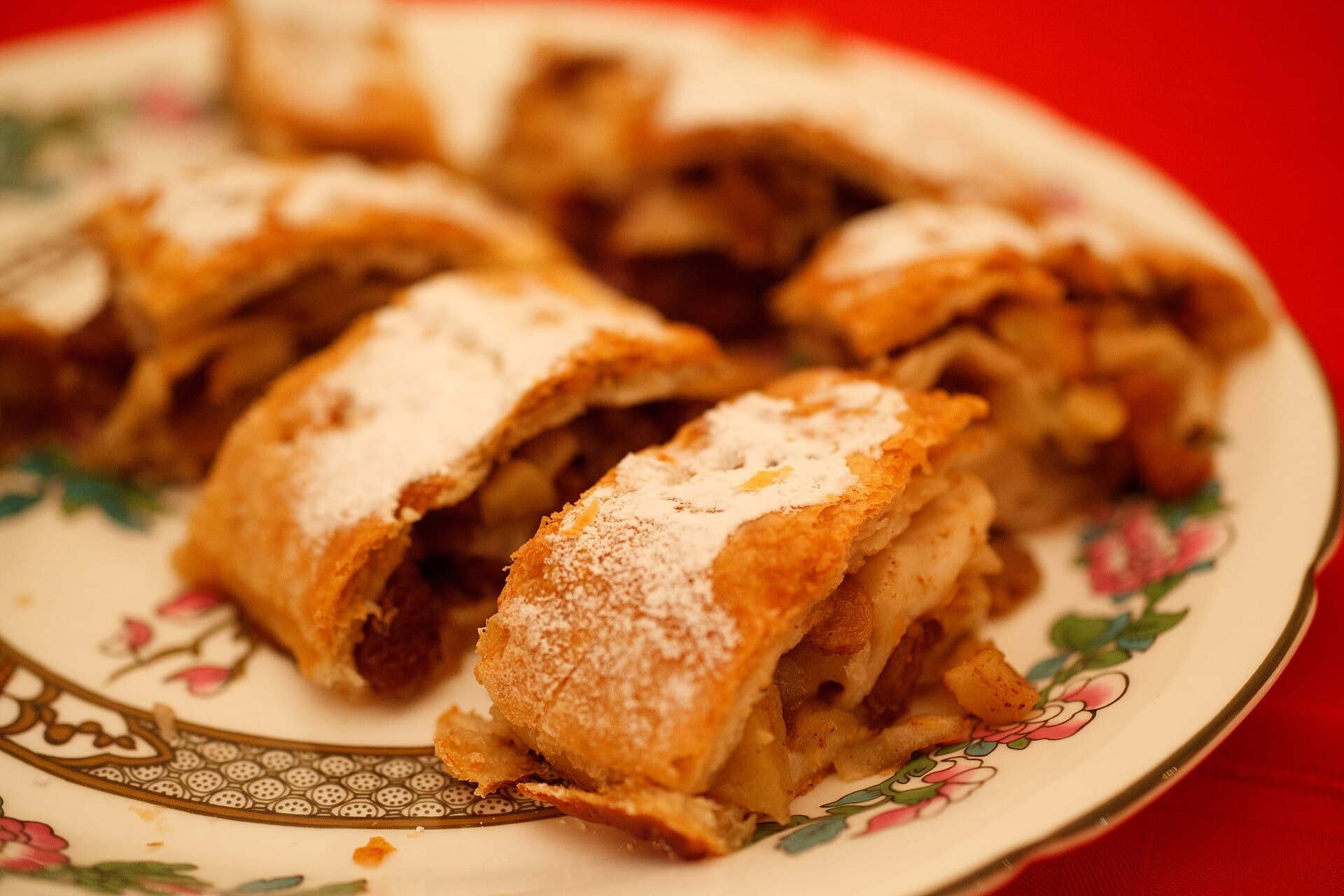
1800-1860
A German-American apple strudel made with crisp apples, raisins, cinnamon, buttered crumbs, and flaky phyllo for a practical home version of a Central European pastry.
America's Melting Pot
Asparagus photo coming soon
1800s/early 1900s-present
A bright American Easter asparagus side, quickly cooked and dressed with lemon butter, herbs, and hard-cooked egg in the spirit of old spring-table recipes.
Same region
America's Melting Pot
Dirty Rice photo coming soon
1800-1860
Dirty rice is a traditional Louisiana Creole and Cajun dish combining white rice with ground meat, spices, and vegetables, creating a 'dirty' appearance. Its origins trace to 19th century Southern United States, reflecting French, African, and Native American influences in Southern cooking.
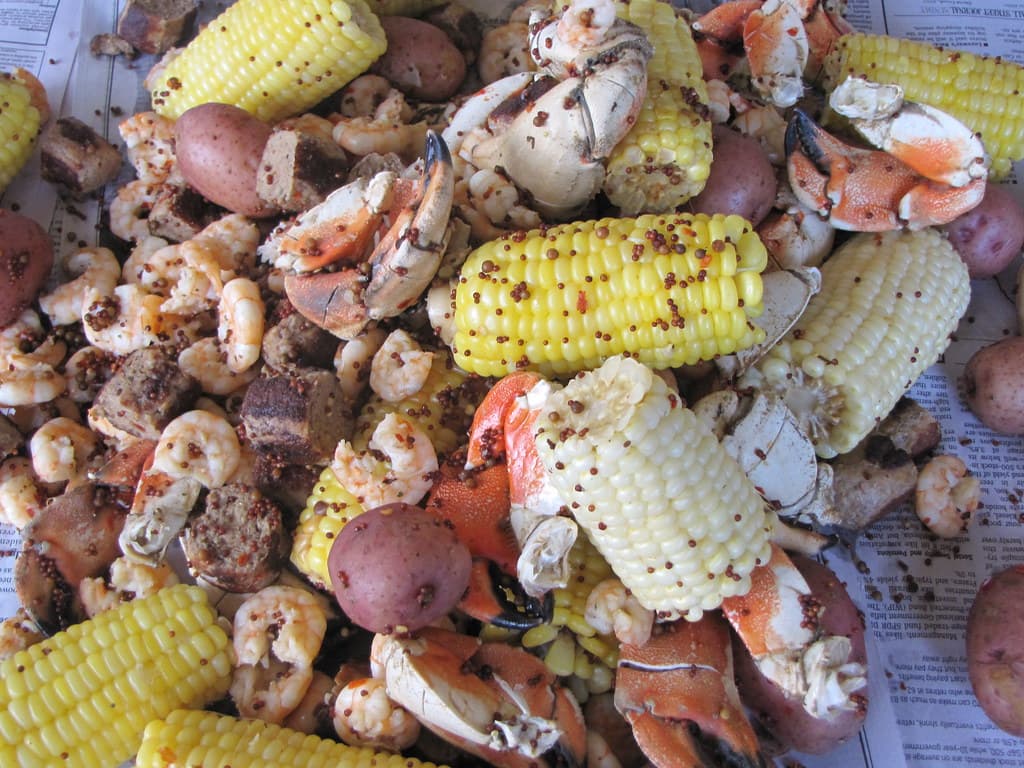
1970-1989
Lowcountry boil is a South Carolina coastal communal seafood dish featuring boiled shrimp, smoked sausage, corn on the cob, and red potatoes. Typically prepared outdoors in large pots, it became a popular regional and tailgate favorite in the 1970s and 1980s.
America's Melting Pot
Nashville Hot Chicken photo coming soon
2010-2026
Nashville Hot Chicken is a spicy fried chicken specialty from the American South known for its crispy, deep-fried exterior coated in a cayenne pepper-based paste. Gaining widespread fame through food trucks and viral internet food culture in the 2010s and beyond, it embodies the bold flavors of modern Southern cooking.
Same table
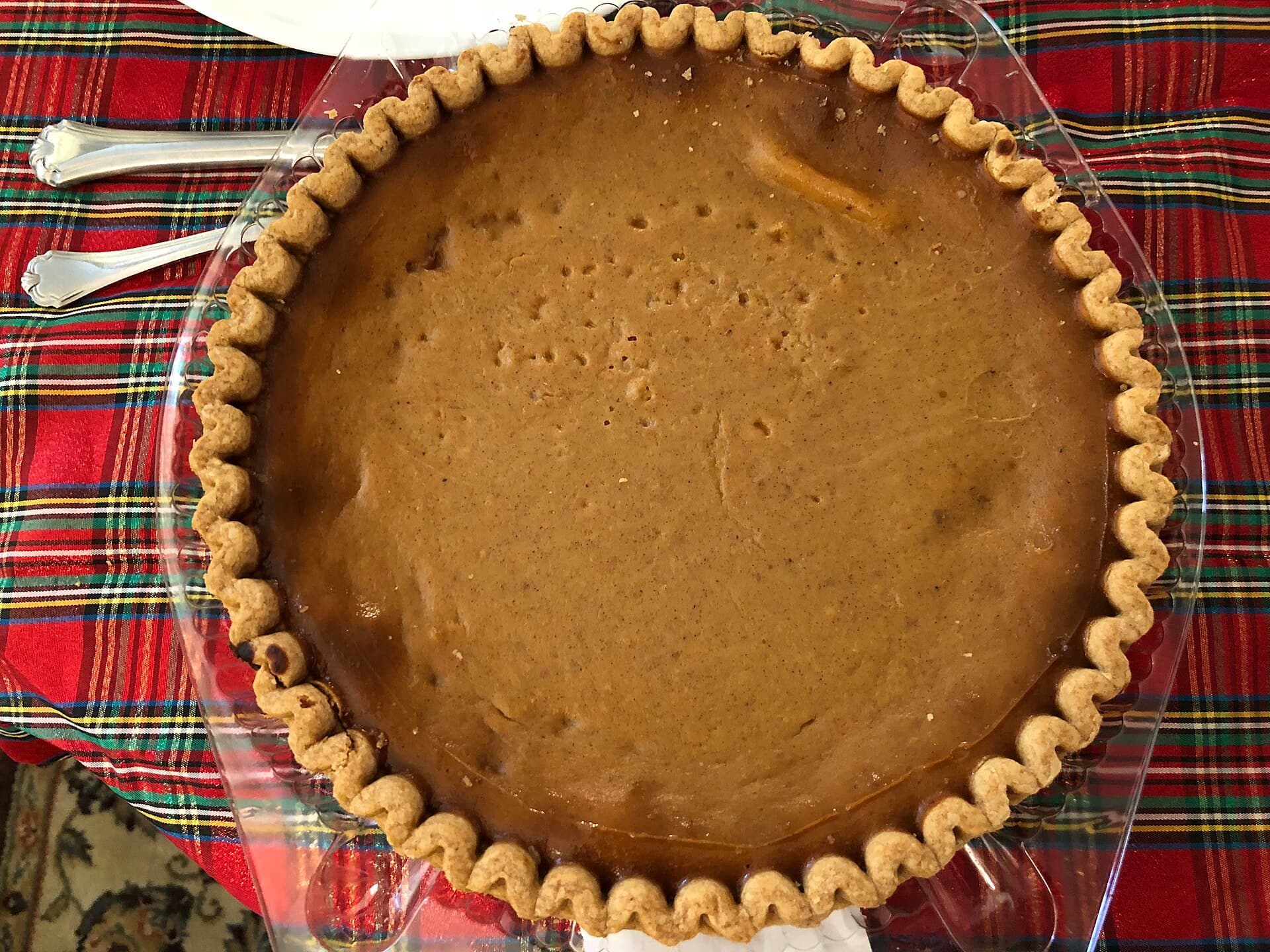
1700s-present
Pumpkin Pie is a quintessential American dessert featuring a spiced pumpkin custard filling baked in a pastry crust, historically tied to Thanksgiving celebrations since the late 18th century.
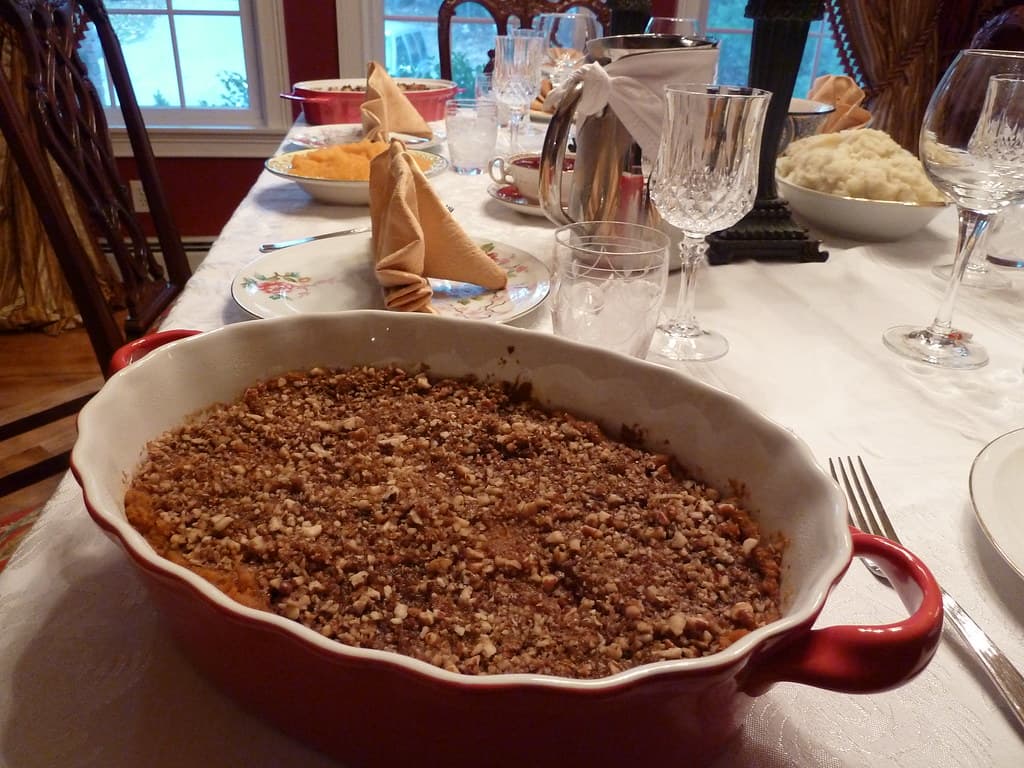
1916/1917-present
Sweet potato casserole is a beloved Southern side dish traditionally served during holiday celebrations such as Thanksgiving. It features mashed sweet potatoes topped with a crunchy pecan or marshmallow crust, symbolizing Southern hospitality and seasonal flavors.
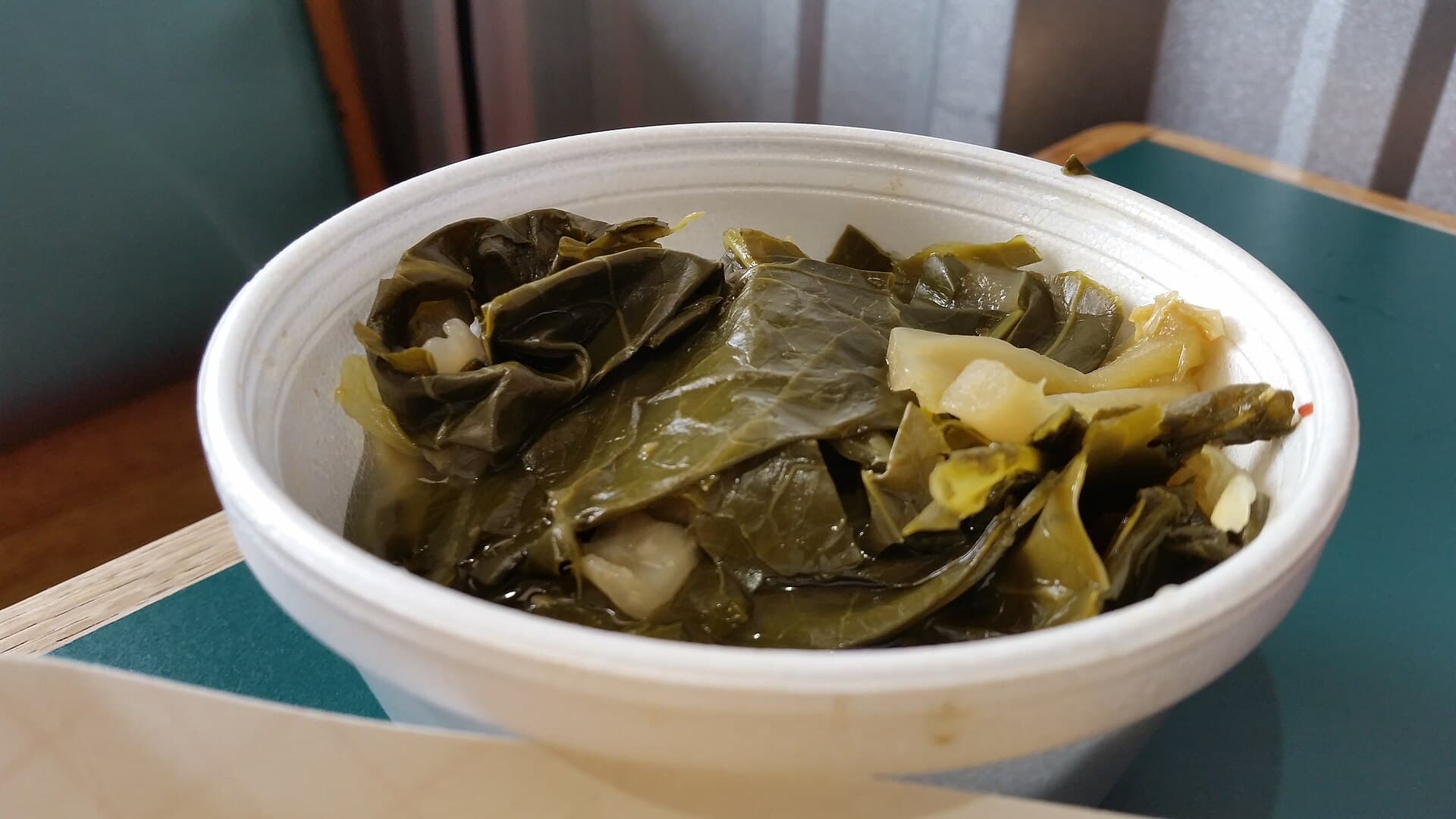
1700s-present
Collard greens are a Southern staple of slow-cooked leafy greens, often simmered with smoked meats and seasonings. Served frequently at Thanksgiving and other holidays, they reflect African American and Southern culinary traditions blending native and immigrant foodways. This versatile side dish is a symbol of Southern hospitality and cultural heritage.