
Recipe archive
Loading
Setting the table...
Fetching the latest recipes from the archive.
Loading
Fetching the latest recipes from the archive.
Recipe archive
America's Melting Pot
Quince Preserves hero image coming soon
1776-1800 - Early American colonial cooks and households preserving seasonal fruit 1776-1800.
Quince Preserves are a traditional American preserves recipe using fresh quince fruit cooked with sugar and spices into a fragrant, sweet spread. Dating back to the late 18th century, these preserves provided early Americans a way to enjoy quince's unique flavor year-round.
No featured photo yet. Upload a photo with your review. The highest-rated community photo may become this recipe's hero image.
Difficulty
Medium
Prep time
30 minutes
Cook time
1 hour
Total time
1 hour 30 minutes
Servings
6-8 jars
Region
Colonial Mid-Atlantic and New England orchard-preserving kitchens
Era introduced
1776-1800
Introduced by
Early American colonial cooks and households preserving seasonal fruit 1776-1800.
Recipe tools
Log in to save this recipe to a collection.
Quince preserves were a staple in American colonial and early national kitchens, especially between 1776 and 1800, as quince fruit was abundant and valued for its fragrant aroma and firm texture. Making preserves extended the fruit's season and provided a sweet condiment for breads and meats. These preserves represent early American food preservation techniques blending available fruits and European culinary traditions, sustaining flavors through the winter months.
Share family changes, regional twists, or pantry-friendly adaptations as full community recipes.
Log in to submit a community recipe.
No community recipes yet. Submitted recipes are published right away.
Rate this recipe and share how it worked at your table.
Log in to review this recipe.
No reviews yet. Be the first to rate this recipe.
Recipes matched by era, region, occasion, ingredients, and cultural roots from the archive.
Same era
America's Melting Pot
Deviled Egg Filling photo coming soon
1700s-present
Deviled Egg Filling is a spread with real American table personality: Not exactly a sauce, but a condiment-like American picnic food. It brings flavor from coast-to-coast American tables to cookouts, counters, lunch plates, potlucks, and weeknight suppers.
1700s-1800s
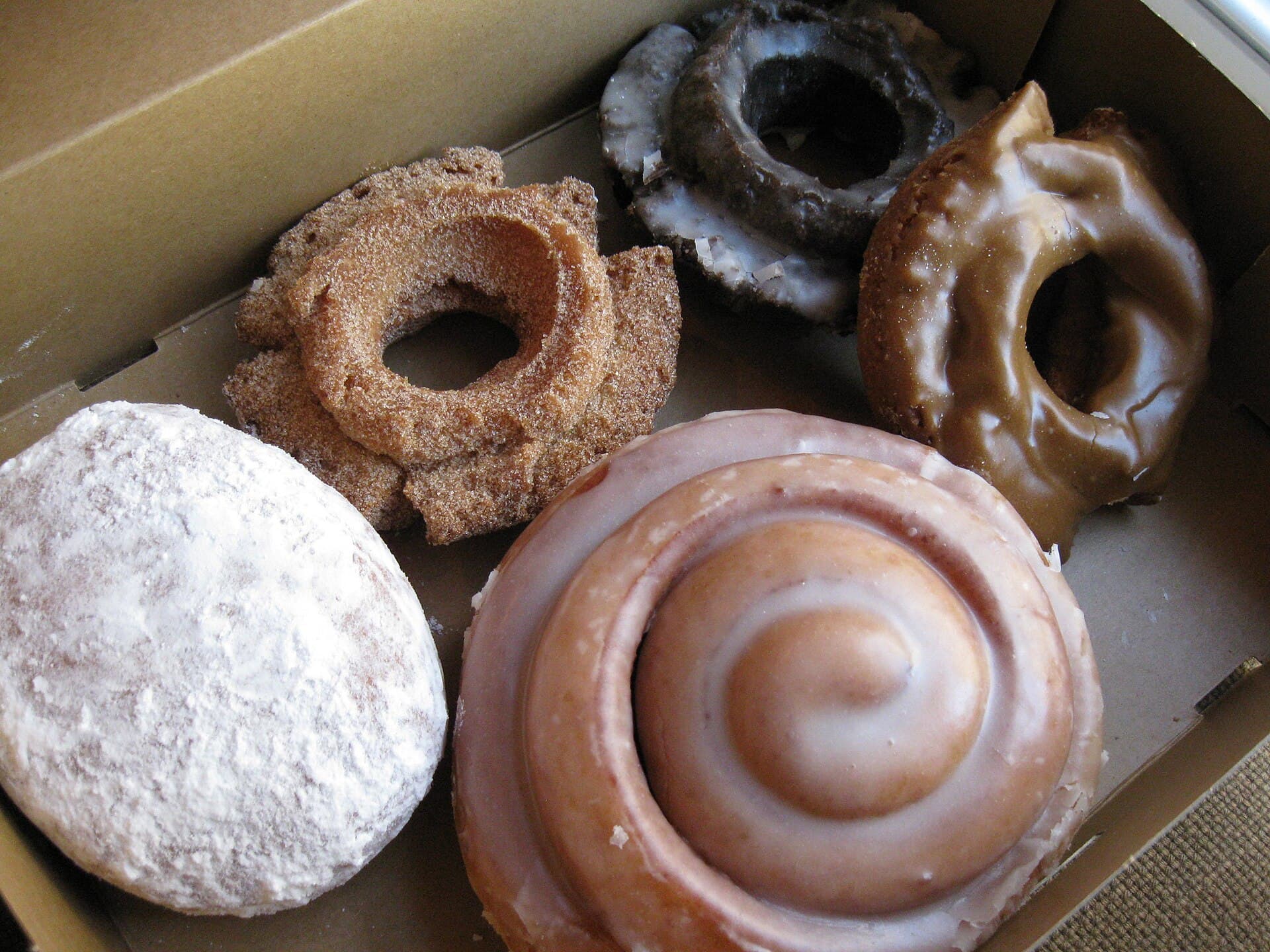
Doughnuts are a beloved American breakfast and snack originating from various immigrant influences, consisting of fried dough rings or balls coated in sugar or glaze. The recipe has evolved over centuries and become a cross-era staple with numerous regional variations.
1700s-present
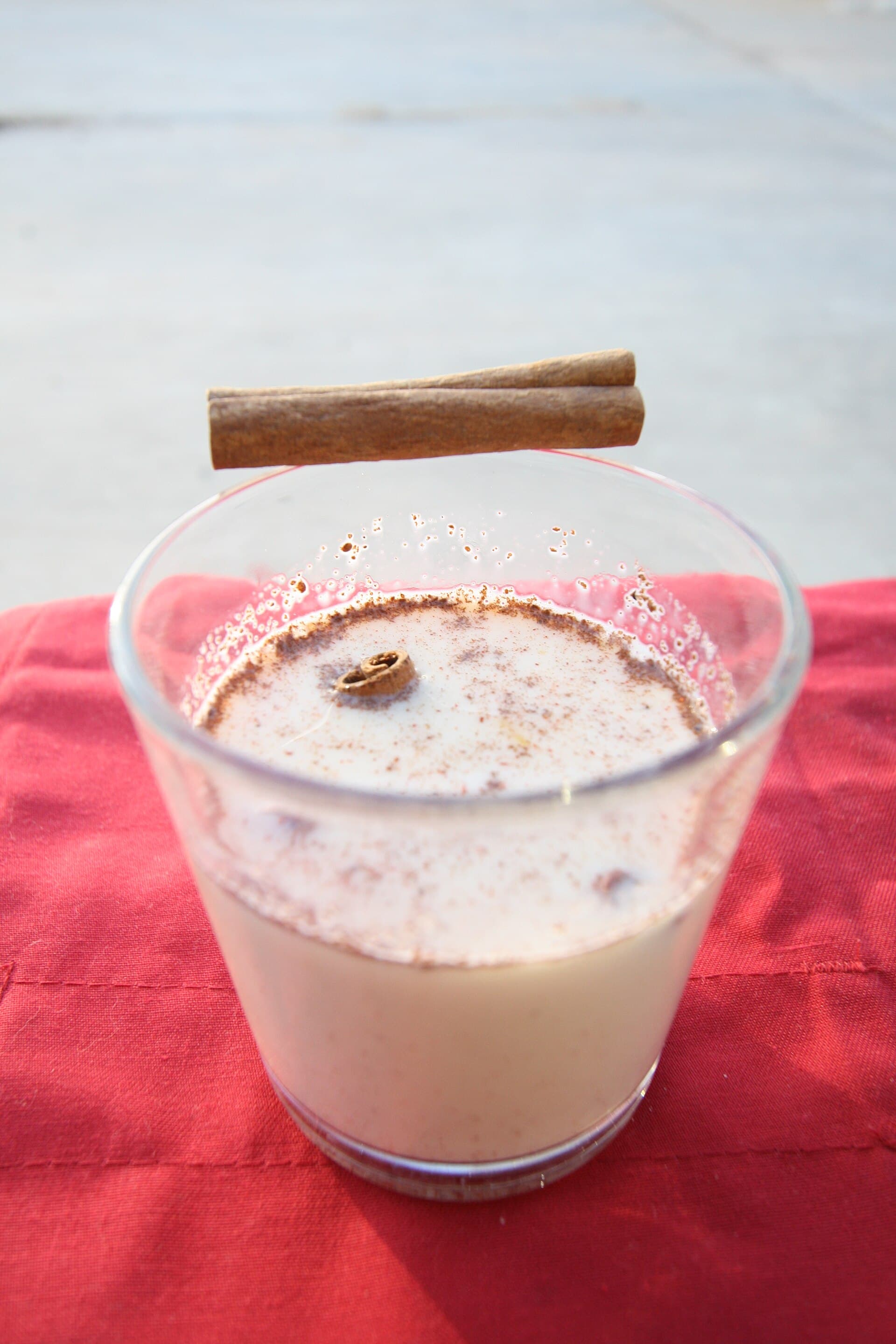
Eggnog is a rich, creamy holiday beverage made from milk or cream, beaten eggs, sugar, and often spiked with spirits such as brandy or rum. Served chilled, it is a festive treat deeply associated with Christmas celebrations across the United States, with colonial roots.
Same region
America's Melting Pot
Canned Oyster Stew photo coming soon
1860-2026
Oyster stew has long been part of American coastal, holiday, and Lenten cooking. Canned oysters made the dish possible far from oyster beds and useful for military, railroad, boardinghouse, and pantry meals.
America's Melting Pot
Shrub photo coming soon
1700s-present
Shrub is a vinegar-based syrup mixed with fruit juice or water to create a refreshing beverage. It was popular in Revolutionary-era America as a preserved fruit drink and early cocktail mixer.
America's Melting Pot
Ash Cakes photo coming soon
1776-1800
A plain cornmeal-and-water ash cake inspired by Revolutionary-era field cooking, adapted for a skillet or campfire with salt and a little fat for modern eatability.
Same table
1800-2026
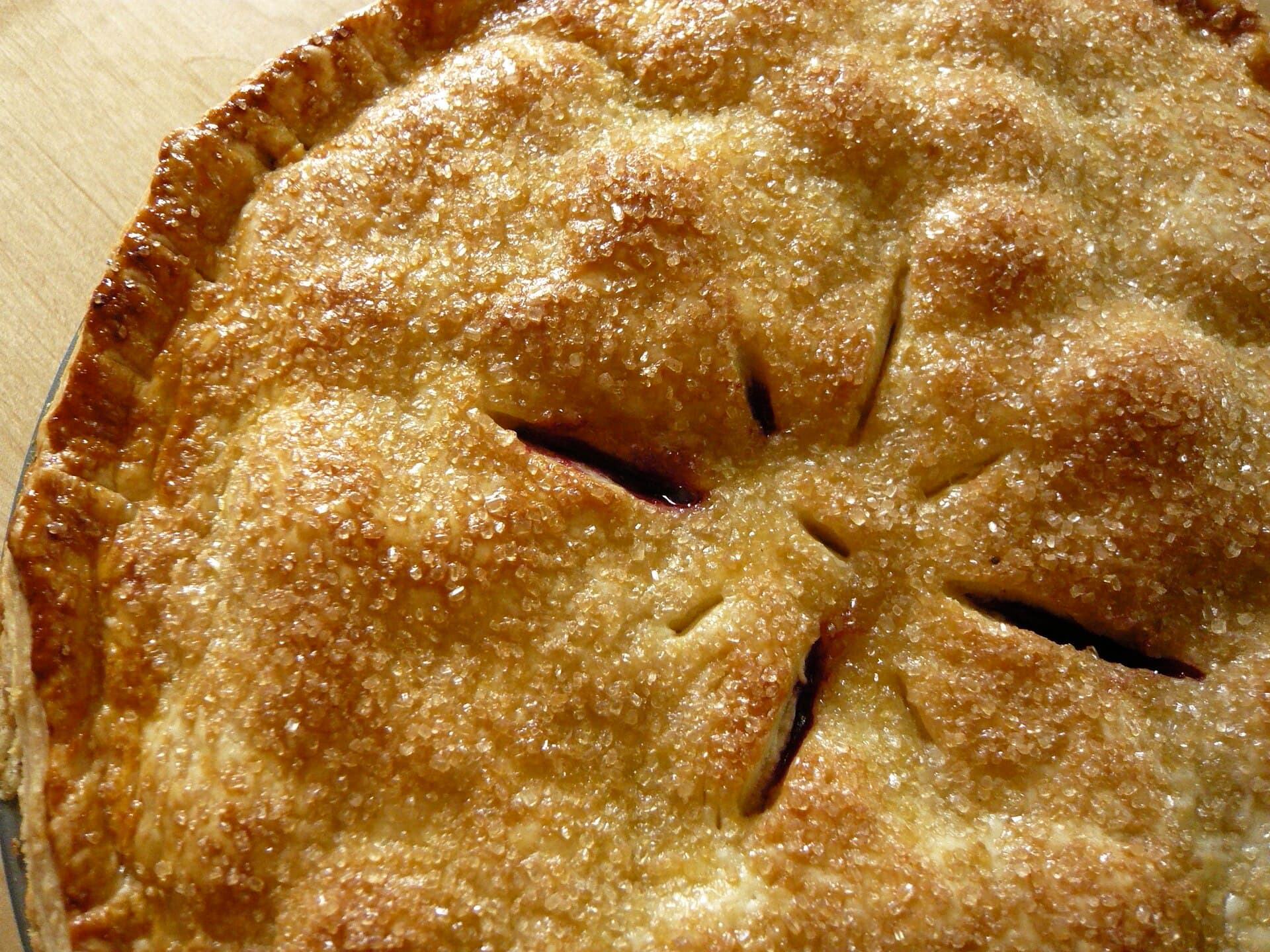
Blueberry pie is a New England and summer-holiday classic built from a native North American fruit and European pie technique. Maine made wild blueberry pie its official state dessert in 2011, but the pie belongs broadly to American summer tables.
America's Melting Pot
Blueberry Slab Pie photo coming soon
2000-2026
Slab pie takes the American fruit pie and turns it into potluck architecture: more servings, easier transport, and plenty of crust. A blueberry version fits summer celebrations, church suppers, and Fourth of July tables.
America's Melting Pot
Drawn Butter with Lemon photo coming soon
1900s-present
Drawn Butter with Lemon is a spread with real American table personality: Lobster shack culture. It brings flavor from New England to cookouts, counters, lunch plates, potlucks, and weeknight suppers.