
Recipe archive
Loading
Setting the table...
Fetching the latest recipes from the archive.
Loading
Fetching the latest recipes from the archive.
Recipe archive

1800-1860 - German-American Immigrant Communities
Red Cabbage braised with vinegar and apples is a classic German-American side that arrived with immigrants during the 19th century and became a staple in American households. This tangy-sweet cabbage dish complements hearty meals and reflects cultural blending during the nation's expansion years.
Community-powered photos. Reviewers can upload dish photos, and the highest-rated community image may be featured here.
Difficulty
Medium
Prep time
15 minutes
Cook time
1 hour
Total time
1 hour 15 minutes
Servings
6
Region
Pennsylvania German and Midwestern German American kitchens
Era introduced
1800-1860
Introduced by
German-American Immigrant Communities
Recipe tools
Log in to save this recipe to a collection.
During the years 1800-1860, many German immigrants settled in America, bringing cherished culinary traditions including braised red cabbage. Often prepared with vinegar, apples, and spices, this dish provided an economical, flavorful vegetable side that stored well and paired with pork and other meats. Its presence in American kitchens illustrates the influence of immigrant foodways on the evolving regional cuisines during early national expansion and settlement.
Share family changes, regional twists, or pantry-friendly adaptations as full community recipes.
Log in to submit a community recipe.
No community recipes yet. Submitted recipes are published right away.
Rate this recipe and share how it worked at your table.
Log in to review this recipe.
No reviews yet. Be the first to rate this recipe.
Recipes matched by era, region, occasion, ingredients, and cultural roots from the archive.
Same era
America's Melting Pot
Acorn Bread photo coming soon
1800-1860
A nutty, lightly sweet quick bread made with properly leached acorn flour, cornmeal, and wheat flour.
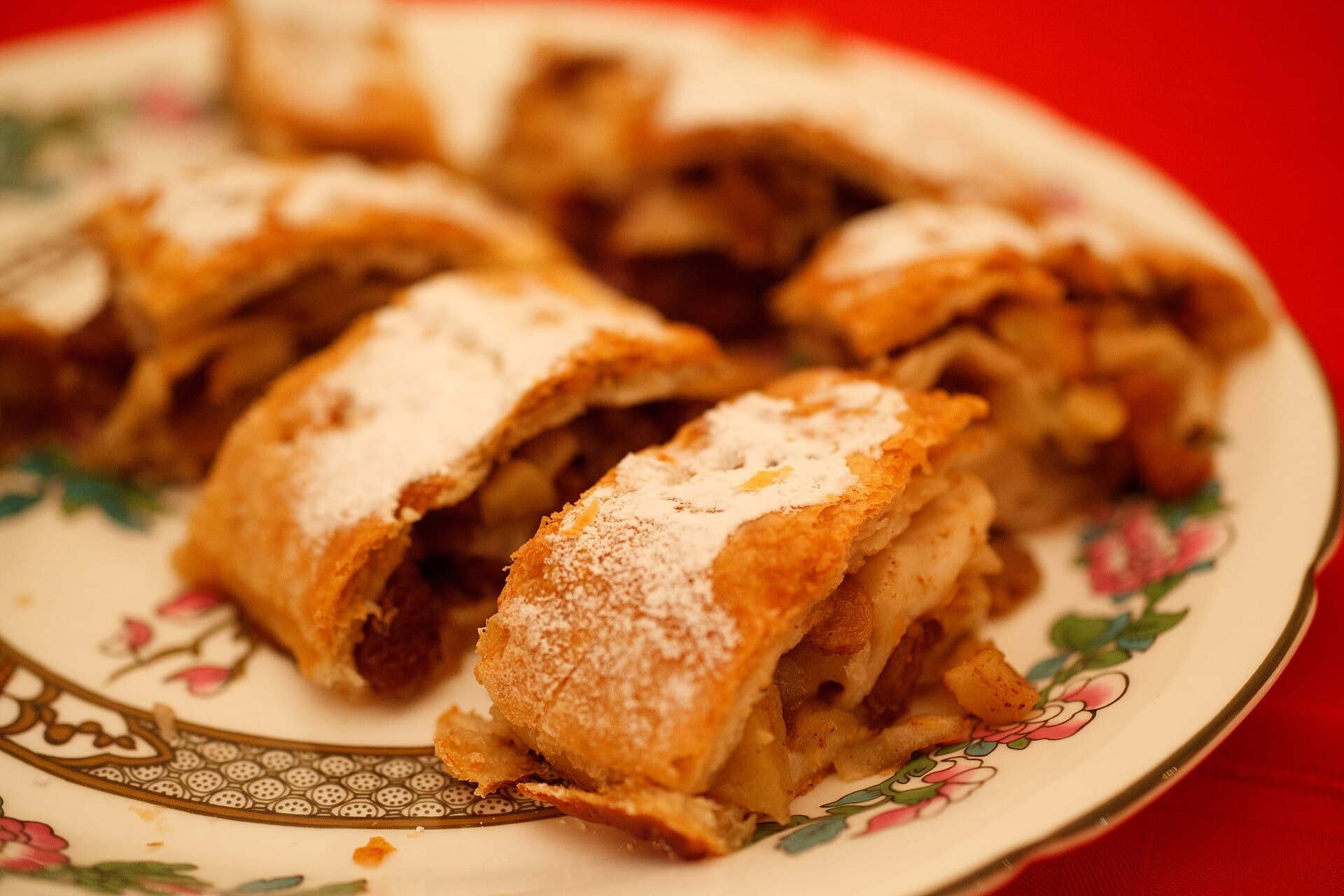
1800-1860
A German-American apple strudel made with crisp apples, raisins, cinnamon, buttered crumbs, and flaky phyllo for a practical home version of a Central European pastry.
America's Melting Pot
Asparagus photo coming soon
1800s/early 1900s-present
A bright American Easter asparagus side, quickly cooked and dressed with lemon butter, herbs, and hard-cooked egg in the spirit of old spring-table recipes.
Same region

1800s-present
Pickled eggs were a popular preserved egg dish among German-American communities between 1800 and 1860, particularly during celebrations like Easter. They combine hard-boiled eggs with vinegar and spices to extend shelf life and add flavor.
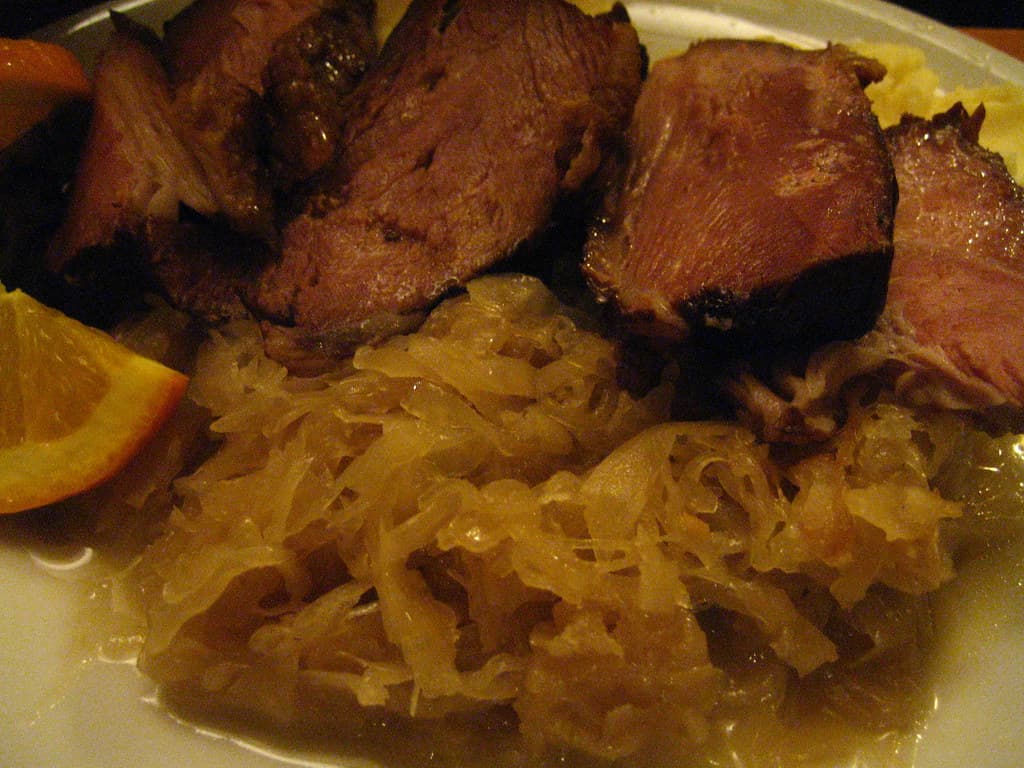
1800s-present
Pork and Sauerkraut is a classic American comfort and holiday dish often served on New Year's Day for luck and prosperity. Slow-cooked pork is combined with sauerkraut and seasoned to create a savory one-pot meal reflecting German-American and regional influences.
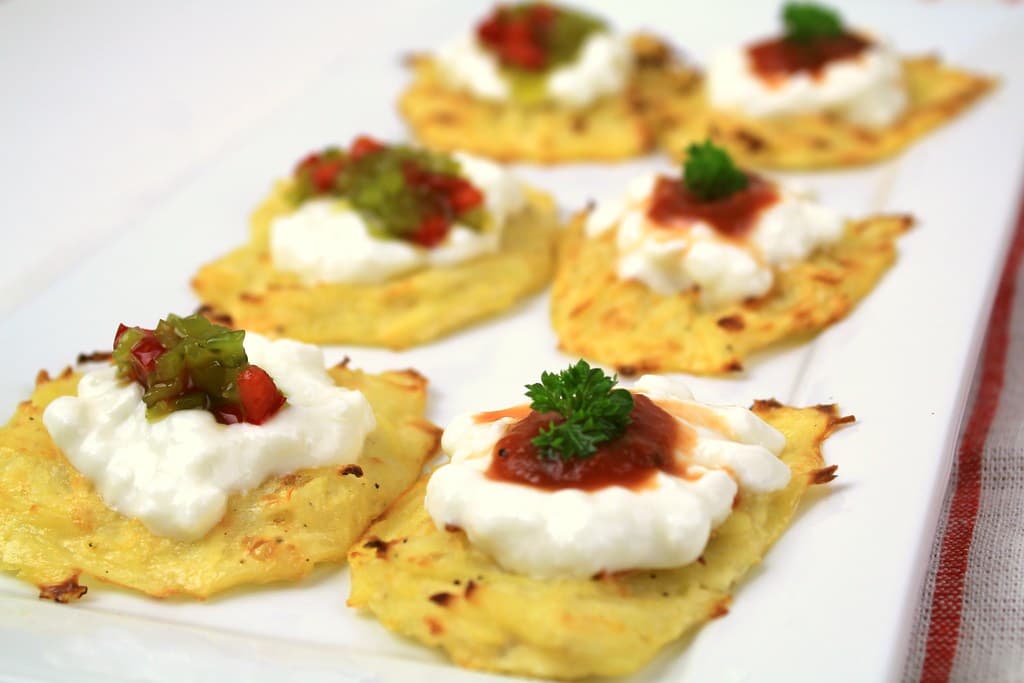
1800s-present
Potato Pancakes are a breakfast favorite among German-American communities, consisting of grated potatoes mixed with onions and eggs, fried to a crisp golden brown.
Same table
America's Melting Pot
Coleslaw photo coming soon
1600s-present
Coleslaw is a popular American salad made from shredded cabbage and carrots tossed in a creamy mayonnaise-based dressing. It became widespread in the postwar period as a favorite side for barbecues, picnics, and holidays such as the Fourth of July. Refreshing and versatile, coleslaw complements grilled meats and sandwiches in American backyard dining traditions.
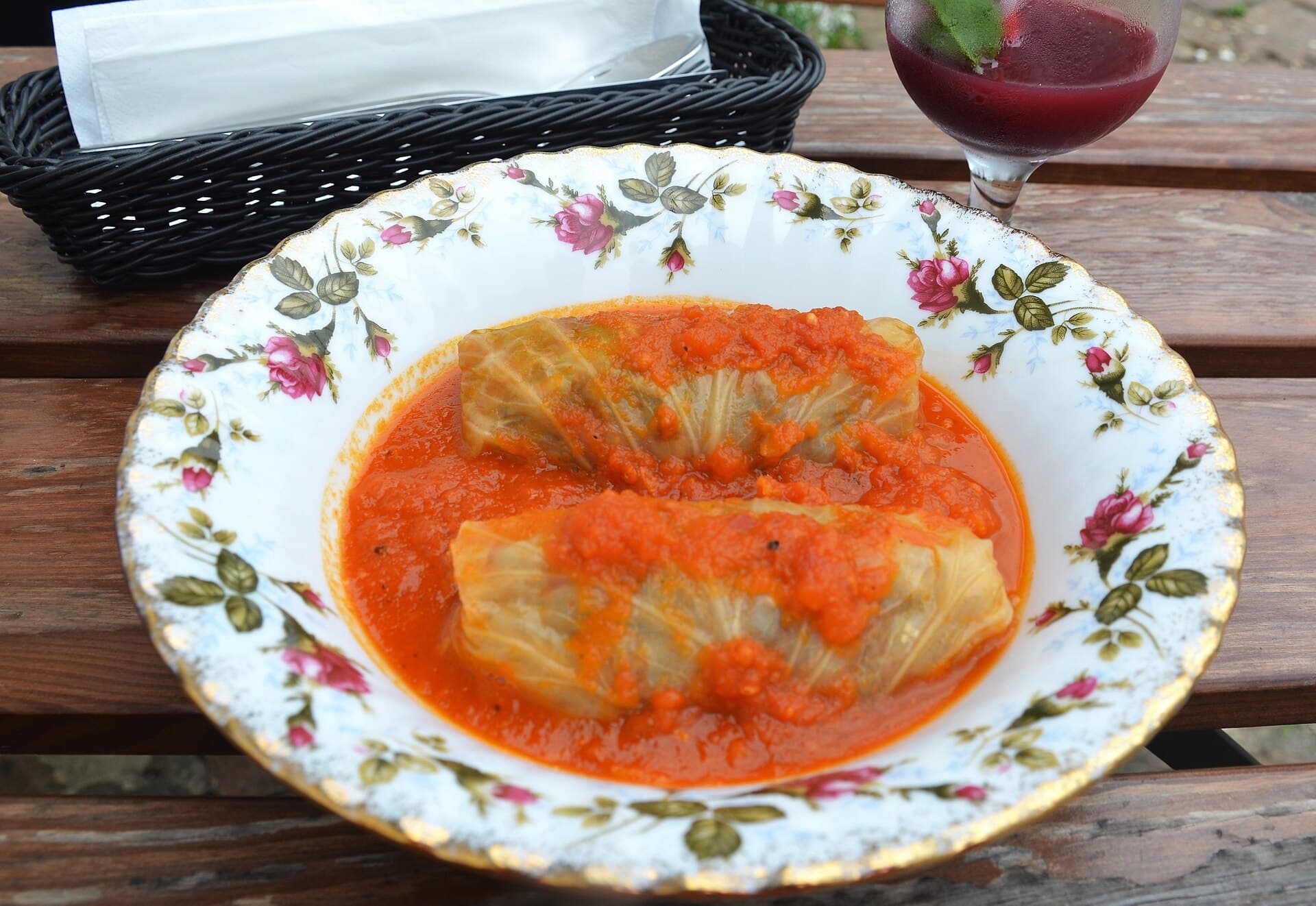
1880s-present
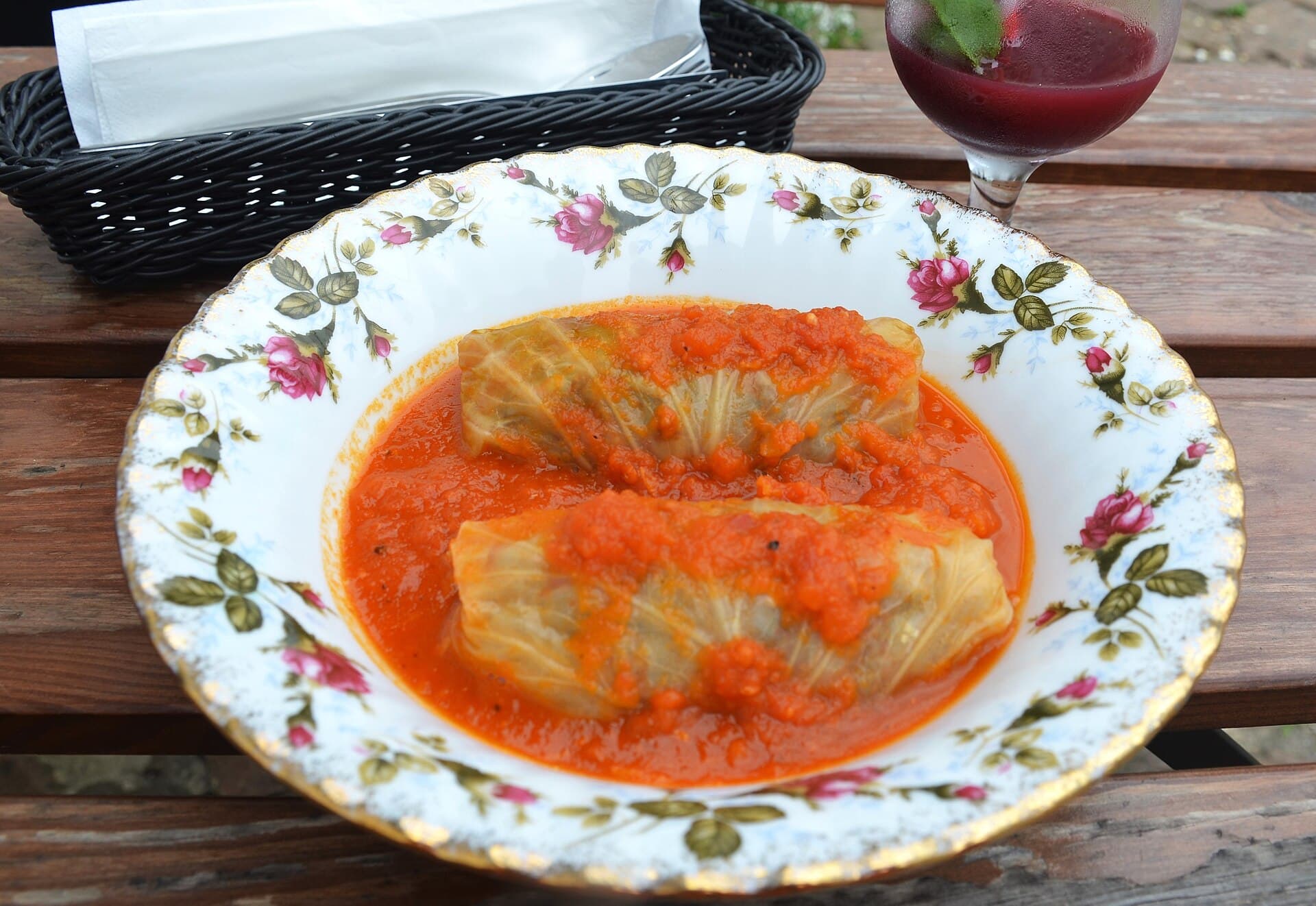
Stuffed cabbage is a beloved dish among Polish, Czech, Slovak, and Eastern European immigrants to America in the early 20th century. Cabbage leaves are filled with a mixture of ground meat, rice, and seasonings, then simmered in a tangy tomato sauce, commonly served at state fairs, diners, and holiday tables.
1900-2026
Cabbage rolls came to American tables through many Eastern European and Jewish immigrant communities. Polish golabki, Ukrainian holubtsi, Slovak holubky, Jewish holishkes, and related dishes all wrap humble cabbage around a filling that stretches meat with rice or grain.